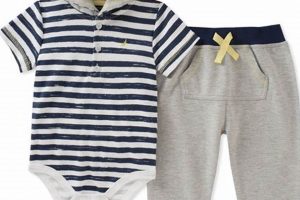
Addressing discoloration on infant garments is a common concern for caregivers. These discolorations typically result from a combination of factors including milk residue, spit-up, drool, urine, and prolonged storage, leading to the unsightly yellowing of fabrics. For instance, a once-pristine white onesie may develop yellowish patches around the neckline or across the chest due to repeated exposure to bodily fluids and inadequate laundering.
Maintaining the cleanliness and hygiene of a baby’s wardrobe is essential for their comfort and well-being. Beyond aesthetic considerations, effectively removing these blemishes prevents potential skin irritation and the growth of bacteria. Historically, various methods have been employed, ranging from sun-bleaching to using harsh chemical treatments. However, contemporary approaches prioritize gentler, more environmentally conscious solutions that are safe for delicate skin and fabrics.
The subsequent sections will detail proven techniques and solutions for effectively removing these stubborn discolorations. These methods will encompass both readily available household products and specialized stain removal agents, with an emphasis on safe application and fabric preservation. Emphasis will be placed on preventative measures to minimize future occurrences.
Effective Methods for Removing Discoloration from Infant Apparel
Addressing persistent discoloration requires a multi-faceted approach. The following techniques leverage both common household items and specialized products to restore garments.
Tip 1: Immediate Action: Prompt treatment is paramount. The fresher the stain, the easier it is to remove. Rinse the affected area with cold water immediately after the staining incident.
Tip 2: Pre-Soaking: Submerge the garment in a solution of cold water and a mild detergent specifically formulated for baby clothes. Allow the item to soak for several hours or overnight.
Tip 3: Leverage Natural Sunlight: After washing, hang the item outdoors to dry in direct sunlight. The sun’s ultraviolet rays possess natural bleaching properties. Ensure the fabric is colorfast to prevent fading.
Tip 4: Baking Soda Paste: Create a paste of baking soda and water. Apply the paste directly to the discolored area, allowing it to sit for 30 minutes before rinsing thoroughly and washing as usual.
Tip 5: White Vinegar Solution: Add one cup of white vinegar to the washing machine along with a mild detergent. Vinegar acts as a natural brightener and deodorizer.
Tip 6: Enzyme-Based Stain Removers: Consider using an enzyme-based stain remover formulated for baby clothes. Enzymes break down organic matter, effectively lifting stains from the fabric.
Tip 7: Avoid Harsh Chemicals: Refrain from using chlorine bleach on baby clothes, as it can irritate sensitive skin and damage delicate fabrics. Opt for gentler alternatives.
The consistent application of these techniques improves the likelihood of successfully removing discoloration and preserving the integrity of infant clothing. Prioritizing gentle methods ensures the safety and comfort of the child.
The following section will address preventative measures to further minimize future staining and maintain the pristine condition of baby apparel.
1. Timeliness

The interval between stain occurrence and initiation of treatment is a critical determinant in the successful removal of yellow stains from infant garments. Bodily fluids and food residues, common culprits in staining, undergo chemical changes over time. These changes, such as oxidation and protein binding to fabric fibers, render the stains more resistant to conventional cleaning methods. For instance, a milk stain addressed immediately can often be removed with a simple rinse, whereas a milk stain left untreated for several days may require prolonged soaking and enzymatic detergents. The delayed response allows the staining compounds to penetrate deeper into the fabric structure, forming stronger bonds.
Neglecting the immediate treatment of stains introduces practical challenges. The longer a stain persists, the more likely it is to necessitate repeated washing cycles or more aggressive stain removal agents, potentially shortening the lifespan of the garment and increasing the risk of fabric damage. Moreover, set-in stains may harbor bacteria and odors, compromising the hygienic integrity of the clothing. Consider a scenario where a urine stain remains on a baby’s pajamas overnight. The ammonia in the urine not only causes discoloration but can also create a breeding ground for bacteria, requiring more intensive and potentially harsher cleaning procedures to rectify the situation. Early intervention minimizes the severity of these consequences, preserving the garment’s quality and hygiene.
In summary, the principle of timeliness in addressing yellow stains on baby clothes underscores the importance of prompt action. Deferring treatment allows stains to become more deeply embedded and resistant to removal, necessitating more aggressive cleaning methods and potentially damaging the fabric. Prioritizing immediate stain management translates into reduced effort, lower reliance on harsh chemicals, and improved garment longevity, ultimately benefiting both the caregiver and the infant. A proactive approach, encompassing swift rinsing and pre-treatment, constitutes an essential component of effective stain removal strategy.
2. Pre-treatment

Pre-treatment methodologies are integral to effectively addressing discoloration issues on infant apparel. These processes augment subsequent cleaning efforts, targeting stain components prior to full-scale laundering. The systematic application of pre-treatment enhances the probability of complete stain removal while minimizing fabric damage.
- Enzyme Activation
Enzyme-based pre-treatment solutions initiate the degradation of organic stain materials, such as milk proteins or food particles. These enzymes require a period of contact to effectively break down complex molecules into smaller, water-soluble fragments. For instance, applying an enzymatic solution to a formula stain and allowing it to sit for 30 minutes facilitates the subsequent removal of the stain during washing, where the broken-down components are more easily flushed away. The activation period ensures the enzymes penetrate the stain matrix, maximizing their catalytic effect.
- Fiber Loosening
Pre-soaking garments in cold water loosens the fibers of the fabric, thereby allowing cleaning agents to penetrate more effectively. This process is particularly relevant for densely woven materials where stains may become deeply embedded. An example is pre-soaking a cotton onesie that has been stained with urine; the water hydrates the fibers, causing them to swell slightly and creating pathways for detergent molecules to reach the staining agents. The physical loosening of fibers aids in the extraction of stain particles during the washing cycle.
- pH Modification
Certain pre-treatment solutions alter the pH of the stained area, optimizing conditions for stain removal. Acidic stains, such as those from fruit juice, benefit from pre-treatment with alkaline solutions like baking soda paste, which neutralizes the acid and weakens its bond with the fabric. Conversely, alkaline stains, such as those from diaper creams, may respond better to pre-treatment with acidic solutions like diluted white vinegar. This pH adjustment destabilizes the stain’s chemical structure, facilitating its removal during subsequent washing.
- Stain Isolation
Pre-treatment can isolate the stain, preventing it from spreading to other areas of the garment during the washing process. Applying a concentrated stain remover directly to the affected area creates a barrier that limits the diffusion of staining agents. For example, applying a stain stick to a spot of spilled food on a baby’s bib prevents the stain from bleeding onto the surrounding fabric during laundering. This localized treatment minimizes the overall area affected and simplifies the cleaning process.
The effective application of pre-treatment strategies is crucial for optimizing outcomes in the remediation of discoloration from baby apparel. By employing appropriate techniques, such as enzyme activation, fiber loosening, pH modification, and stain isolation, caregivers can significantly enhance the likelihood of achieving complete stain removal and preserving the integrity of the garment. These methods directly address the underlying mechanisms of stain adhesion, providing a targeted and effective approach to fabric care.
3. Gentle Agents
The selection of cleaning agents is paramount in the domain of infant garment care. Harsh chemicals, while potentially effective at stain removal, pose significant risks to the delicate skin of infants, often leading to irritation, allergic reactions, and exacerbation of existing dermatological conditions. Consequently, the application of “gentle agents” is not merely a preference but a necessity when addressing discoloration issues in baby clothing. The direct correlation between the choice of cleaning agent and the well-being of the child necessitates a deliberate and informed approach. A common example is the replacement of chlorine bleach with oxygen-based alternatives. Chlorine bleach, a potent oxidizing agent, effectively removes stains but leaves behind residues that can be highly irritating to sensitive skin. Oxygen-based bleaches, while milder, offer a safer alternative with comparable efficacy on many types of stains.
The efficacy of gentle agents relies on their formulation and application. These agents often incorporate natural ingredients such as plant-derived enzymes, which break down organic matter without the caustic effects of synthetic chemicals. Examples include detergents containing protease and amylase, specifically targeting protein and starch-based stains, respectively. The use of hypoallergenic and fragrance-free formulations minimizes the risk of allergic reactions, further underscoring the importance of selecting appropriate cleaning products. Furthermore, proper dilution and thorough rinsing are crucial to ensure no residual cleaning agent remains on the fabric after laundering, mitigating potential skin contact and irritation. The development and availability of specialized baby laundry detergents reflect the industry’s recognition of the unique requirements for cleaning infant apparel, emphasizing the avoidance of harsh chemicals and the inclusion of skin-friendly components.
In conclusion, the utilization of gentle agents is a critical component of effective and responsible discoloration remediation in baby clothing. The prioritization of infant health and well-being necessitates the careful selection of cleaning products that balance stain removal efficacy with minimal risk of adverse reactions. The adoption of enzyme-based detergents, oxygen-based bleaches, and hypoallergenic formulations, coupled with thorough rinsing practices, represents a pragmatic approach to achieving both cleanliness and safety. While challenges persist in addressing particularly stubborn stains, the benefits of employing gentle agents far outweigh the risks associated with harsh chemical alternatives, ensuring the comfort and health of the infant while maintaining the cleanliness of their garments.
4. Sunlight Exposure

Sunlight exposure constitutes a natural and effective method for addressing discoloration in infant garments. The ultraviolet (UV) radiation present in sunlight possesses bleaching properties, causing the breakdown of chromophores, the color-bearing molecules responsible for visible stains. For instance, prolonged exposure of a stained white cotton onesie to direct sunlight can visibly reduce the intensity of yellow discoloration caused by milk residue or formula. The UV radiation interacts with these stain molecules, breaking them down into colorless compounds or facilitating their oxidation, leading to a lightening effect. This process is particularly beneficial for organic stains that are often challenging to remove with conventional washing methods alone. The efficacy is affected by factors like intensity of the light, and length of exposure.
The integration of sunlight exposure into a stain removal protocol offers several practical advantages. It serves as a non-toxic alternative to harsh chemical bleaching agents, reducing the risk of skin irritation for infants. Moreover, it is a cost-effective and readily accessible resource, requiring only access to an outdoor space and appropriate weather conditions. The method is also environmentally sustainable, minimizing the reliance on synthetic chemicals and reducing the potential for water pollution. Consider a scenario where a persistent yellow stain remains on a baby’s muslin swaddle after repeated washings; hanging the swaddle in direct sunlight for several hours can often significantly diminish the stain’s visibility, restoring the garment to a more acceptable aesthetic condition. Sunlight, though, can damage some fabric materials. Therefore, proceed cautiously and ensure adequate assessment on type of materials used to avoid damage.
In summary, sunlight exposure presents a valuable and complementary approach to stain removal from infant apparel. While not a standalone solution for all types of discoloration, its natural bleaching properties, combined with its safety and environmental advantages, make it a useful addition to a comprehensive stain management strategy. The understanding and application of sunlight exposure as a stain removal technique contribute to both the aesthetic upkeep of baby clothing and the reduction of potential health risks associated with chemical-based cleaning agents. Its accessibility and sustainability further reinforce its significance in responsible and effective garment care, especially for infants.
5. Fabric Type

The selection of appropriate stain removal techniques for infant garments is inextricably linked to fabric composition. The inherent properties of various textiles dictate their susceptibility to staining and their tolerance to different cleaning agents. For instance, natural fibers such as cotton and linen exhibit a higher absorbency rate compared to synthetic materials like polyester or nylon. This characteristic renders cotton and linen more prone to stain penetration, requiring more aggressive pre-treatment methods. Conversely, synthetic fabrics, while less absorbent, may be more sensitive to heat or harsh chemicals, necessitating gentler cleaning approaches. The success of any stain removal strategy hinges upon a clear understanding of the specific fiber content of the affected garment. Disregarding fabric type may lead to ineffective stain removal or, worse, irreversible damage to the material.
Practical applications of this understanding are evident in the diverse range of cleaning products and techniques tailored to specific fabric types. Delicate fabrics like silk or wool, often used in special occasion baby clothes, demand specialized detergents designed to preserve their natural oils and prevent shrinkage. Enzyme-based cleaners, known for their effectiveness on protein-based stains (such as milk or formula), must be used with caution on wool, as they can degrade the protein fibers. Cotton, a ubiquitous material in infant clothing, can withstand more rigorous washing and higher temperatures but is susceptible to shrinking. Therefore, pre-soaking in cold water and air-drying are recommended to mitigate this risk. Polyester blends, commonly found in athletic wear and outerwear, exhibit stain resistance but require detergents formulated to break down synthetic oils that can trap odors and discoloration. Understanding these nuances is crucial for preserving the longevity and appearance of infant garments.
In conclusion, fabric type represents a critical variable in the equation of stain removal from baby clothes. An informed approach that considers the inherent properties of different textiles allows for the selection of appropriate cleaning agents and techniques, maximizing stain removal effectiveness while minimizing the risk of fabric damage. The challenge lies in accurately identifying fabric composition and adapting cleaning protocols accordingly. Ultimately, a comprehensive understanding of the relationship between fabric type and stain removal is essential for maintaining the cleanliness, hygiene, and longevity of infant apparel, contributing to both the comfort and well-being of the child and the economic efficiency of garment care.
Frequently Asked Questions
The following frequently asked questions provide clarification on addressing yellow stains in baby clothes, offering concise information to ensure optimal care and stain removal.
Question 1: What causes yellow stains to appear on baby clothes?
Yellow stains typically result from bodily fluids, including breast milk, formula, urine, and spit-up. Prolonged exposure to these substances, coupled with inadequate laundering, contributes to discoloration. Additionally, extended storage can exacerbate yellowing due to oxidation.
Question 2: Are all stain removal methods safe for baby clothes?
No. Harsh chemicals, such as chlorine bleach, are not recommended for infant apparel due to the potential for skin irritation and fabric damage. Gentle alternatives, like oxygen-based bleaches and enzyme-based detergents, are preferable.
Question 3: How quickly should stains be treated to ensure successful removal?
Prompt treatment is critical. Fresh stains are significantly easier to remove than those that have set over time. Rinsing the affected area with cold water immediately after staining is highly recommended.
Question 4: Can sunlight effectively remove yellow stains from baby clothes?
Yes, natural sunlight possesses bleaching properties. Direct sunlight exposure can effectively lighten or remove yellow stains, particularly from white cotton fabrics. However, caution should be exercised with colored fabrics to prevent fading.
Question 5: What pre-treatment methods are most effective for removing yellow stains?
Pre-soaking garments in cold water with a mild detergent is a beneficial pre-treatment method. Applying a paste of baking soda and water to the stain can also aid in removal. Enzyme-based stain removers are effective at breaking down organic matter.
Question 6: How can future staining of baby clothes be minimized?
Immediate stain treatment, thorough rinsing after washing, and avoiding prolonged exposure to staining agents are essential preventative measures. Protecting clothing with bibs during feeding and using appropriate laundry detergents also contribute to stain prevention.
The strategies outlined in these FAQs provide a foundation for responsible and effective stain management, promoting both cleanliness and hygiene in infant apparel.
The subsequent section delves into specific product recommendations and additional resources for managing discoloration challenges in infant garments.
In Conclusion
This exploration has detailed comprehensive strategies to address the persistent challenge of yellow stains on infant garments. From emphasizing the critical role of timely intervention and pre-treatment methods to advocating for the use of gentle cleaning agents and the natural bleaching power of sunlight, it is evident that a multi-faceted approach is most effective. Furthermore, recognizing the influence of fabric type on stain removal success is paramount.
The application of this knowledge equips caregivers with the tools to maintain the cleanliness and hygiene of baby clothing, promoting both comfort and well-being. Consistent adherence to these guidelines will not only extend the lifespan of these essential items but also ensure the safety and health of the infant. The continued pursuit of innovative, safe, and effective stain removal techniques remains a worthwhile endeavor, furthering the care and protection of our most vulnerable population.