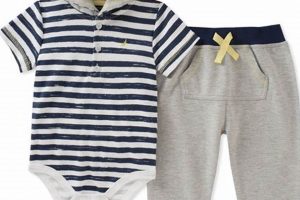
These garments, often crafted with meticulous detail and high-quality materials, are designed to be passed down through generations. Examples include christening gowns, hand-knitted sweaters, and intricately embroidered dresses intended for special occasions. Their value lies not only in their material composition but also in the sentimental connection they foster.
The significance of these items stems from their ability to preserve family history and tradition. They represent a tangible link to the past, allowing individuals to connect with ancestors and celebrate shared heritage. Furthermore, the durable nature of these meticulously created items promotes sustainability by encouraging reuse and reducing textile waste. Their creation often reflects a commitment to quality and craftsmanship rarely found in mass-produced items.
The subsequent discussion will delve into the factors contributing to the enduring appeal of such cherished items, examine the materials commonly employed in their construction, and offer guidance on their proper care and preservation.
Caring for Heirloom Baby Clothes
Preserving the integrity and longevity of delicate garments requires meticulous attention. The following guidelines offer practical advice for safeguarding these cherished items for future generations.
Tip 1: Handle items with clean, dry hands. Oils and residues present on skin can transfer to the fabric, potentially causing discoloration or damage over time.
Tip 2: Launder infrequently and only when necessary. Excessive washing can weaken delicate fibers. Spot cleaning is preferable when feasible.
Tip 3: When laundering is required, use a pH-neutral detergent specifically designed for delicate fabrics. Avoid harsh chemicals, bleaches, and optical brighteners.
Tip 4: Hand washing is generally recommended. If machine washing is unavoidable, use a gentle cycle with cold water and place the item inside a mesh laundry bag for protection.
Tip 5: Avoid tumble drying. Instead, gently roll the item in a clean, absorbent towel to remove excess water, then lay it flat to air dry in a shaded area away from direct sunlight.
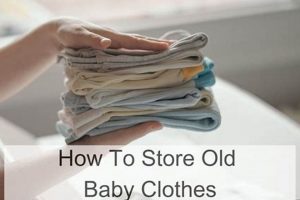
Tip 6: Store items in acid-free tissue paper or unbleached muslin bags. Avoid plastic containers, which can trap moisture and contribute to fabric degradation.
Tip 7: Store items in a cool, dry, and dark location. Fluctuations in temperature and humidity can damage delicate fibers. Protect from pests such as moths.
Proper care and storage are essential for ensuring that such valued items remain in pristine condition, allowing them to be passed down as tangible symbols of family history and tradition. This attention to preservation strengthens their significance and extends their legacy.
The subsequent sections will explore the historical significance and cultural impact of such garments.
1. Craftsmanship

The connection between craftsmanship and these garments is intrinsic. Craftsmanship, characterized by skillful execution, meticulous attention to detail, and the use of high-quality materials, is the primary determinant of their longevity and enduring value. The labor-intensive processes involved, such as hand-embroidery, intricate lacework, and careful seam construction, contribute directly to the garment’s ability to withstand the test of time and retain its aesthetic appeal. A well-crafted christening gown, for instance, exhibits reinforced seams, delicate yet durable embroidery, and a meticulously finished hem, ensuring its survival through multiple generations. The absence of such craftsmanship often results in garments that quickly deteriorate, rendering them unsuitable for preservation and inheritance.
The importance of craftsmanship extends beyond mere durability; it also imbues the item with a sense of artistry and individuality. Each stitch, each carefully chosen button, reflects the skill and care of the artisan, transforming a simple piece of clothing into a unique artifact. Consider the example of a hand-knitted baby sweater. The knitter’s expertise in selecting appropriate yarn, executing complex stitch patterns, and ensuring proper sizing directly impacts the sweater’s comfort, warmth, and overall aesthetic value. Mass-produced alternatives lack this level of individual attention and often compromise on material quality and construction techniques.
In summary, craftsmanship is not merely a component of generational garments; it is its defining characteristic. It dictates the garment’s durability, aesthetic appeal, and sentimental value. Understanding the practical implications of superior craftsmanship enables informed purchasing decisions and underscores the importance of preserving traditional skills and techniques. The survival of these skills ensures that future generations can continue to create and cherish these tangible symbols of family heritage, passing down not only the garments themselves but also the legacy of skilled artistry.
2. Materials

The selection of materials is paramount in determining the longevity, aesthetic appeal, and overall value of generational baby garments. The inherent qualities of chosen textiles directly influence the garment’s ability to withstand the test of time and retain its sentimental significance. These materials often dictate the care requirements and contribute to the garment’s unique character.
- Natural Fibers
The utilization of natural fibers, such as linen, cotton, silk, and wool, is a hallmark of quality. These fibers possess inherent properties that contribute to durability, breathability, and comfort. Linen, known for its strength and ability to soften with age, is frequently used in christening gowns. Cotton, prized for its softness and ease of care, is a common choice for everyday wear. Silk lends an air of elegance and luxury to special occasion garments. Wool, valued for its warmth and resilience, is often employed in knitted sweaters and blankets. The absence of these natural fibers, often replaced by synthetic alternatives in modern mass-produced clothing, typically results in reduced lifespan and diminished aesthetic value.
- Dyes and Finishes
The selection of dyes and finishes significantly impacts the long-term preservation of fabrics. Natural dyes, derived from plant or mineral sources, often exhibit greater lightfastness and color stability compared to synthetic dyes. The use of gentle, non-toxic dyes is also crucial to minimize the risk of skin irritation for infants and children. Finishes, such as stain repellents or wrinkle-resistant treatments, should be carefully evaluated for their potential to degrade over time or compromise the fabric’s breathability. Ideally, minimal finishes are preferred to preserve the natural characteristics of the chosen material.
- Construction Components
Beyond the main fabric, ancillary components such as buttons, zippers, and thread contribute to the overall durability of the garment. Natural materials like mother-of-pearl buttons, bone buttons, or linen thread are preferred over plastic alternatives, which are prone to cracking, discoloration, and eventual disintegration. Seams should be reinforced with strong, high-quality thread to prevent unraveling. Zippers, if used, should be made of durable metal rather than fragile plastic. Attention to these seemingly minor details contributes significantly to the garment’s ability to withstand repeated wear and cleaning.
- Handmade Elements
Often, these precious articles incorporate handmade elements, such as lace, embroidery, or crochet. The materials used in these embellishments are just as crucial as the main fabric. High-quality linen or cotton thread is essential for creating durable and intricate lacework. Silk or wool yarn can be used for delicate embroidery, adding texture and visual interest. These handcrafted details, often passed down through generations of artisans, contribute to the garment’s unique character and sentimental value.
The careful selection of high-quality, natural materials, coupled with thoughtful consideration of dyes, finishes, and construction components, is essential for ensuring that these garments endure as treasured family possessions. The durability and aesthetic appeal of these materials contribute directly to the garment’s ability to represent tangible connection to familial legacy.
3. Preservation
The deliberate act of preservation is inextricably linked to the concept of heirloom baby garments. Without meticulous attention to safeguarding these items, their intended purpose to serve as tangible links across generations is thwarted. Improper storage, neglect of necessary repairs, and a lack of understanding regarding appropriate cleaning methods can irreversibly damage delicate fabrics and intricate embellishments, effectively erasing the historical and sentimental value imbued within them. The cause-and-effect relationship is direct: careful preservation efforts extend the lifespan and maintain the integrity of the garment, while negligence accelerates its deterioration.
Preservation is not merely an ancillary action but rather a fundamental component. A christening gown meticulously stored in acid-free tissue paper within a climate-controlled environment stands a far greater chance of being worn by future descendants than one carelessly crammed into a plastic bag and relegated to a damp basement. Similarly, a hand-knitted sweater regularly treated with moth repellent and properly mended when damaged represents a far more compelling connection to the past than one riddled with holes and faded beyond recognition. Consider, for example, the case of antique lace, prone to damage from light and acidity; proper storage in darkness and away from acidic materials is paramount to its survival. The practical significance of understanding these preservation principles lies in the ability to actively participate in maintaining family history, ensuring that tangible reminders of the past remain accessible to future generations.
In summary, preservation efforts are essential. Implementing appropriate cleaning, storage, and repair techniques safeguards these items, ensuring they continue to function as physical representations of family history and cherished traditions. Challenges to preservation include limited resources, lack of knowledge, and environmental factors. However, prioritizing preservation solidifies these garments’ legacy and offers a tangible link to shared heritage.
4. Sentimentality
The inherent sentimentality associated with these items elevates them beyond mere garments, transforming them into tangible embodiments of familial love, memory, and tradition. This emotional connection forms a central component of their enduring value, far surpassing their monetary worth.
- Emotional Connection
These garments frequently serve as physical reminders of pivotal moments in a child’s early life, such as a christening, first birthday, or holiday celebration. The act of handling or viewing the item evokes powerful emotions and memories associated with those experiences. For example, a grandmother gifting her granddaughter the christening gown she wore as a baby creates an immediate emotional bond, strengthening the familial connection and passing down a sense of shared history.
- Representation of Lineage
As they are passed down through generations, these articles become symbolic representations of family lineage and heritage. They connect individuals to ancestors and provide a tangible link to the past, reinforcing a sense of identity and belonging. The repeated wearing of a particular garment, such as a hand-knitted sweater, by multiple generations creates a visual representation of continuity and shared experience, solidifying the family’s narrative.
- Symbol of Maternal or Paternal Love
Often, the garments are created or carefully selected by a parent or grandparent as an expression of love and care. The time and effort invested in their creation or acquisition imbue the item with a personal touch, making it a lasting testament to the giver’s affection. A mother who spends countless hours hand-embroidering a baby blanket infuses the item with her love, creating a tangible symbol of her dedication and nurturing spirit. This sentiment is then transferred to the child who receives the blanket, further enhancing its emotional value.
- Tangible Memory
These objects serve as a physical embodiment of precious memories, allowing individuals to relive cherished moments and connect with loved ones who may no longer be present. Simply holding or viewing the garment can trigger a flood of emotions and recollections, providing comfort and solace. For instance, the dress worn by a child at a special family gathering can serve as a potent reminder of that event, allowing individuals to reconnect with the joy and closeness experienced at the time.
In essence, the sentimentality intertwined with these items transforms them into far more than simple garments. They evolve into cherished keepsakes, imbued with emotional significance and representing a tangible connection to family history, love, and tradition. This emotional weight is what sets these items apart from ordinary clothing, solidifying their status as treasured family possessions designed to be passed down through generations.
5. History

The intrinsic connection between historical context and generational baby garments is undeniable. These items are not merely articles of clothing; they are tangible artifacts reflecting societal norms, economic realities, and artistic trends of the eras in which they were created. The materials used, the styles employed, and the techniques of construction all serve as historical markers, providing valuable insights into the lives and values of past generations. A hand-stitched cotton gown from the early 20th century, for instance, may reveal the prevalence of handcraftsmanship prior to the widespread adoption of mechanized garment production, as well as the limited availability of synthetic fabrics. The relative simplicity of its design could also indicate the economic constraints faced by many families of that period. The absence of elaborate embellishments may suggest a focus on practicality and resourcefulness. In this manner, the garment serves as a historical document, offering glimpses into the social and economic conditions of its time.
Furthermore, the historical circumstances surrounding the garment’s creation and use often imbue it with additional layers of significance. A christening gown passed down through generations may bear witness to pivotal family events, such as baptisms, confirmations, and other religious ceremonies. Stains, repairs, and alterations can provide clues about its history, revealing details about the lives of those who wore it. The preservation of such garments becomes, therefore, an act of historical preservation. For example, a baby bonnet carefully constructed from repurposed fabric during wartime might reflect resource scarcity and the need for ingenuity. The act of mending and preserving this item highlights the family’s resilience and adaptability in the face of adversity. Understanding these historical nuances enhances the sentimental value of the garment and enriches its role as a family heirloom.
In conclusion, the historical dimension is not merely a peripheral aspect of such garments; it is a fundamental component that imbues them with meaning and value. Recognizing the historical context allows for a deeper appreciation of the garment’s significance and encourages responsible preservation efforts. The practical significance lies in the ability to connect with the past, to understand the lives of ancestors, and to pass on a tangible legacy to future generations. By preserving these garments, families are preserving their history, ensuring that future generations can learn from and connect with the past.
6. Tradition

The association between tradition and generational baby garments is profound, representing a cultural continuum where familial customs are perpetuated through tangible objects. These items, often imbued with symbolic meaning, serve as touchstones, connecting successive generations to shared rituals and values. The act of passing down these garments is itself a tradition, reinforcing kinship bonds and solidifying a sense of belonging. The cause-and-effect relationship is clear: established traditions create a demand for, and a significance to, these items, while the garments, in turn, actively reinforce and perpetuate the traditions themselves. For example, the recurring use of a specific christening gown within a family, across multiple generations, establishes a tradition central to religious observance and familial unity. The importance of tradition as a component of generational baby clothing lies in its ability to imbue these objects with a deeper meaning beyond their practical function; they become vessels of cultural memory.
Consider the tradition of hand-knitting baby blankets within certain cultures. The specific stitch patterns and color palettes employed may be unique to a particular family or region, passed down through generations of knitters. The resulting blanket is not merely a source of warmth; it represents a tangible link to ancestors and a continuation of a valued skill. Similarly, the tradition of creating personalized baby quilts, incorporating fabric scraps from significant family events or garments, transforms the quilt into a visual narrative of familial history. These examples illustrate how the act of creation and subsequent inheritance is intrinsically intertwined with cultural practices, demonstrating the practical application of tradition in shaping the value and significance of these items. They provide continuity and build family identity.
In summary, the enduring appeal of heirloom baby clothes is inextricably linked to the power of tradition. Challenges to maintaining these traditions include changing cultural values, geographical dispersal of families, and a decline in traditional craft skills. However, recognizing the inherent value of these customs and actively seeking to preserve them ensures that future generations can continue to benefit from the sense of connection, identity, and belonging that they provide. These garments serve as a tangible reminder of shared heritage and a testament to the enduring power of family traditions.
7. Sustainability
The concept of sustainability, encompassing environmental responsibility and resource conservation, finds a strong and natural alignment with the practice of owning and preserving heirloom baby garments. This connection provides a compelling counterpoint to the prevailing culture of fast fashion and disposable consumerism.
- Reduced Consumption
The cyclical nature of garment ownership inherent in the heirloom model directly reduces the demand for new clothing production. By passing down items through generations, families lessen their reliance on mass-produced garments, thereby minimizing the environmental impact associated with manufacturing processes, including water usage, chemical dyes, and textile waste.
- Extended Product Lifespan
Heirloom garments, by their very definition, are designed and constructed to last. The emphasis on quality materials and meticulous craftsmanship ensures a significantly longer lifespan compared to typical fast-fashion items. This extended usability minimizes the need for frequent replacements, diverting textiles from landfills and conserving resources.
- Lower Environmental Footprint
The embodied energy and resources required to produce a single garment are considerable. By reusing and repurposing heirloom items, families avoid the environmental costs associated with new production, including transportation, packaging, and waste disposal. This reduction in demand contributes to a smaller overall environmental footprint.
- Promoting Ethical Consumption
The conscious decision to invest in and preserve generational garments often reflects a broader commitment to ethical consumerism. This mindset encourages individuals to consider the social and environmental implications of their purchasing decisions, favoring quality, durability, and responsible manufacturing practices over cheap, disposable alternatives. Choosing natural, ethically sourced materials for repairs and alterations further supports sustainable practices.
The intersection of sustainability and heirloom baby clothing offers a powerful example of how mindful consumer choices can contribute to a more environmentally responsible lifestyle. By embracing the tradition of passing down carefully crafted and lovingly preserved garments, families actively participate in reducing waste, conserving resources, and promoting a more sustainable future for generations to come.
Frequently Asked Questions
The following questions and answers address common inquiries and misconceptions regarding generational baby garments, providing clarity and informed guidance.
Question 1: What defines an item as “heirloom” baby clothing?
The designation implies more than mere age. It signifies a garment of superior quality, crafted with durable materials and meticulous attention to detail, intended for preservation and transference across generations. Sentimental value, historical significance, and adherence to traditional craftsmanship further contribute to this classification.
Question 2: What are the key benefits of investing in generational baby garments?
Benefits extend beyond mere aesthetics. Such items represent a tangible link to family history, promote sustainable consumption by reducing textile waste, and often possess superior quality and craftsmanship compared to mass-produced alternatives. They also embody sentimental value, becoming cherished keepsakes imbued with familial memories.
Question 3: What materials are best suited for creating long-lasting generational baby clothes?
Natural fibers, such as linen, cotton, silk, and wool, are generally preferred for their durability, breathability, and inherent resistance to degradation. High-quality dyes and sturdy construction components, such as natural buttons and reinforced seams, are also essential for longevity.
Question 4: How should generational baby clothes be properly cleaned and stored to prevent damage?
Gentle handling, infrequent washing with pH-neutral detergents, and air drying are crucial. Storage in acid-free tissue paper or unbleached muslin bags within a cool, dry, and dark environment is recommended to protect against moisture, pests, and light damage.
Question 5: What steps can be taken to repair damaged generational baby clothes?
Professional restoration services specializing in antique textiles are recommended for significant damage. For minor repairs, use archival-quality thread and needles to mend tears or reinforce weak seams. Avoid using harsh chemicals or bleach, which can further damage delicate fabrics.
Question 6: What is the approximate value of a generational baby garment?
Value is subjective and multifaceted. Monetary worth depends on factors such as age, materials, craftsmanship, historical significance, and provenance. However, the sentimental value, representing familial connections and cherished memories, often far outweighs any potential market price.
Investing in the creation and preservation of these items fosters a connection to the past, promotes sustainability, and ensures the continuation of family traditions.
The subsequent section will delve into the cultural impact of these timeless garments.
Conclusion
The preceding exploration has examined the various facets of heirloom baby clothes, delineating their historical significance, material composition, preservation requirements, and enduring sentimental value. These garments are more than mere articles of clothing; they represent tangible links to familial heritage, embodying tradition, craftsmanship, and the enduring power of memory.
Continued recognition of the value inherent in heirloom baby clothes requires a commitment to their responsible stewardship. By embracing sustainable practices, honoring skilled craftsmanship, and actively preserving these tangible representations of the past, future generations can benefit from the profound connection to history and tradition that these items provide. Their preservation is a cultural imperative, ensuring the continuity of familial narratives and a deeper understanding of shared heritage.