These specialized garments provide a safe and comfortable alternative to traditional blankets for infants. Designed to be worn, they feature armholes or sleeves and a zippered or snapped closure, ensuring a secure and cozy fit without the risk of loose bedding covering the child’s face. Examples range from lightweight muslin sacks suitable for warmer temperatures to fleece or quilted versions intended for colder environments.
The appeal of these items lies in their contribution to a secure sleep environment. By eliminating the need for loose blankets, they mitigate the risk of suffocation and overheating, promoting safer sleep practices aligned with pediatric recommendations. Historically, concerns about Sudden Infant Death Syndrome (SIDS) have driven the development and adoption of these sleep solutions, offering parents peace of mind while ensuring their child’s comfort.
The subsequent sections will delve into the various types available, the criteria for selecting appropriate sizes and materials, and the proper care instructions essential for maintaining hygiene and product longevity. Further discussion will address relevant safety standards and guidelines, empowering caregivers to make informed choices regarding their infant’s sleepwear.
Practical Guidance on Infant Sleep Garments
This section offers essential recommendations for the selection and utilization of these garments to ensure optimal safety and comfort for infants.
Tip 1: Size Appropriately. Accurate sizing is paramount. A garment that is too large presents a safety hazard, potentially allowing the infant to slip down inside. Consult manufacturer guidelines for weight and height recommendations to determine the correct fit.
Tip 2: Select Material Wisely. Choose breathable fabrics such as cotton or muslin, particularly for warmer climates or seasons. Avoid synthetic materials that may trap heat and increase the risk of overheating. Consider the TOG rating to determine the appropriate warmth level for the room temperature.
Tip 3: Monitor Room Temperature. Regulary Assess the infant’s sleep environment to prevent overheating. A comfortable room temperature typically ranges from 68 to 72 degrees Fahrenheit (20 to 22 degrees Celsius). Adjust the weight and type of sleeping garment accordingly.
Tip 4: Inspect Regularly for Wear and Tear. Before each use, examine the item for loose seams, damaged zippers or snaps, or any signs of wear that could pose a choking hazard. Discard or repair damaged garments promptly.
Tip 5: Follow Washing Instructions Carefully. Adhere to the manufacturer’s washing and drying instructions to maintain the integrity of the fabric and closures. Use a gentle, hypoallergenic detergent to minimize the risk of skin irritation.
Tip 6: Transition Gradually. When transitioning from swaddling, introduce an item with arms-free design to allow the infant to adjust gradually. This promotes a sense of security while allowing for greater freedom of movement.
Tip 7: Layer Appropriately. Dress the baby in a single layer of lightweight clothing under the wearable item. Avoid overdressing, as this can lead to overheating. The baby should feel comfortably warm, not hot or sweaty.
Adhering to these guidelines enhances the safety and effectiveness of these garments, promoting a secure and restful sleep environment for the infant. Careful attention to size, material, maintenance, and environmental factors contributes significantly to the well-being of the child.
The subsequent section will address common concerns and frequently asked questions related to infant sleep safety and the use of wearable sleep garments.
1. Fabric

The selection of fabric in the construction of infant sleeping garments significantly influences safety, comfort, and overall suitability. Material choice impacts breathability, thermal regulation, and the potential for allergic reactions, thereby dictating the product’s appropriateness for specific environmental conditions and individual infant sensitivities.
- Breathability and Airflow
Fabric breathability is paramount in minimizing the risk of overheating, a significant concern in infant sleep environments. Materials like cotton, muslin, and bamboo allow for optimal airflow, facilitating the dissipation of excess body heat and moisture. In contrast, synthetic fabrics such as polyester may restrict airflow, potentially leading to thermal buildup and discomfort.
- Thermal Regulation and TOG Rating
Different fabrics possess varying thermal properties, quantified by the Thermic Overall Grade (TOG) rating. Higher TOG ratings indicate greater insulation, suitable for colder environments, while lower ratings are appropriate for warmer conditions. The appropriate fabric and TOG rating must be carefully selected based on the ambient temperature of the infant’s sleep environment to prevent overheating or chilling.
- Skin Sensitivity and Allergenicity
Infant skin is particularly sensitive and susceptible to irritation from certain fabrics. Natural fibers such as organic cotton are often preferred due to their hypoallergenic properties and reduced likelihood of causing allergic reactions. Conversely, synthetic materials may contain chemical residues or dyes that can trigger dermatitis or other adverse skin conditions.
- Durability and Care Requirements
Fabric durability affects the longevity and safety of the sleeping garment. Durable materials withstand repeated washing and wear without compromising structural integrity or releasing potentially hazardous fibers. Furthermore, ease of care, including washability and drying characteristics, influences the practicality and hygiene of the garment over its lifespan.
The interplay of these fabric-related factors underscores the critical importance of informed material selection in designing and manufacturing infant sleeping garments. Prioritizing breathability, thermal regulation, skin sensitivity, and durability ensures the creation of a safe, comfortable, and functional product that promotes optimal sleep conditions for infants.
2. Sizing

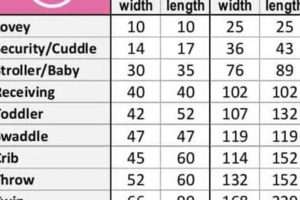
Appropriate sizing constitutes a critical safety and efficacy parameter in the selection and use of infant wearable blankets. An ill-fitting garment, whether too large or too small, introduces potential hazards that directly impact the infant’s well-being. A garment excessively large presents a risk of the infant slipping down inside, potentially obstructing airways and leading to suffocation. Conversely, an overly constrictive garment may impede movement, restrict breathing, or cause discomfort, disrupting sleep patterns. Real-world examples underscore the severity of these risks: case studies have documented instances of infants becoming entrapped in oversized sleeping garments, resulting in respiratory distress. Therefore, accurate sizing is not merely a matter of comfort but a fundamental prerequisite for ensuring safe sleep practices.
To mitigate these hazards, manufacturers typically provide sizing charts based on infant weight and height. These charts serve as essential guides for caregivers in selecting appropriately sized garments. However, reliance solely on age-based sizing is inadequate, as individual infants exhibit variations in growth rates and body proportions. Consistent monitoring of the infant’s size and regular verification against the manufacturer’s guidelines are necessary to ensure a proper fit. Furthermore, caregivers should carefully assess the garment’s fit upon initial use, confirming adequate room for movement without excessive looseness. Observing the infant’s comfort and mobility within the garment provides valuable insights into its suitability.
In summary, sizing represents a pivotal aspect of infant wearable blanket safety. Selecting garments based on accurate measurements, adhering to manufacturer guidelines, and conducting regular fit assessments are imperative. These practices minimize the risk of suffocation, overheating, and discomfort, thereby promoting a secure and restful sleep environment. Failure to prioritize appropriate sizing can have serious consequences, highlighting the practical significance of a thorough understanding and diligent application of sizing principles.
3. Warmth (TOG)

The Thermic Overall Grade (TOG) serves as a standardized measurement of a fabric’s thermal resistance, specifically indicating its capacity to insulate. In the context of infant sleep garments, understanding TOG values is critical for selecting items that ensure thermal comfort and safety, mitigating risks associated with overheating or chilling.
- TOG Rating and Ambient Temperature
TOG ratings directly correspond to recommended ambient temperatures. Lower TOG values (e.g., 0.5-1.0) are appropriate for warmer rooms, while higher values (e.g., 2.5-3.5) are intended for cooler environments. Failure to align the garment’s TOG rating with the room temperature can lead to thermal dysregulation, potentially causing discomfort, restlessness, or, in extreme cases, heatstroke or hypothermia. Real-world applications necessitate careful consideration of seasonal variations and individual room climate control.
- Impact on Infant Comfort and Sleep Quality
Maintaining an optimal thermal environment is essential for promoting restful sleep. A wearable blanket with an appropriate TOG rating contributes to this by preventing temperature fluctuations that can disrupt sleep cycles. Overheating, in particular, is associated with increased restlessness and arousal, leading to fragmented sleep and potential irritability. Conversely, inadequate warmth can cause discomfort and frequent awakenings.
- Material Composition and TOG Value
The material composition of a wearable blanket significantly influences its TOG value. Fabrics such as merino wool and fleece generally exhibit higher TOG ratings due to their inherent insulating properties, while lighter materials like cotton or muslin typically have lower ratings. Manufacturers often provide detailed TOG specifications for each product, allowing caregivers to make informed decisions based on the fabric’s thermal characteristics.
- Safety Considerations and Overheating Risk
Overheating is a recognized risk factor for Sudden Infant Death Syndrome (SIDS), making the selection of an appropriate TOG-rated wearable blanket a critical safety measure. Healthcare guidelines emphasize the importance of avoiding excessive layers of clothing and bedding to prevent thermal stress. Caregivers should regularly monitor the infant for signs of overheating, such as sweating, flushed skin, or rapid breathing, and adjust the garment’s TOG rating accordingly.
In conclusion, the TOG rating is an indispensable tool for ensuring the safe and effective use of baby wearable blankets. By aligning the garment’s TOG value with the ambient temperature and carefully considering material composition, caregivers can create a comfortable and thermally regulated sleep environment that promotes infant well-being and reduces the risk of overheating.
4. Safety

The paramount importance of safety dictates the design, manufacture, and usage protocols surrounding baby wearable blankets. These garments, intended to provide warmth and security, must adhere to stringent safety standards to mitigate potential hazards to infants.
- Suffocation Risk Mitigation
A primary safety concern involves the potential for suffocation. Wearable blankets, unlike loose blankets, are designed to prevent entanglement and obstruction of the infant’s airway. Proper design includes secure closures and appropriate neck and armhole dimensions, minimizing the risk of the garment riding up and covering the face. Real-world examples demonstrate the dangers of loose bedding, which can lead to fatal outcomes. Wearable blankets, when properly sized and used, reduce this risk substantially.
- Overheating Prevention
Overheating poses another significant threat, linked to Sudden Infant Death Syndrome (SIDS). Wearable blankets must be constructed from breathable materials, allowing for adequate ventilation and temperature regulation. The Thermic Overall Grade (TOG) rating system provides a standardized measure of thermal resistance, enabling caregivers to select garments appropriate for the ambient room temperature. Overuse of heavily insulated wearable blankets in warm environments can lead to hyperthermia, underscoring the need for careful monitoring and appropriate garment selection.
- Material Composition and Chemical Safety
The materials used in manufacturing wearable blankets must be free from harmful chemicals and toxins. Fabrics should be tested for compliance with safety standards, such as OEKO-TEX Standard 100, ensuring they do not contain substances known to cause allergic reactions or other adverse health effects. Real cases of skin irritation and respiratory problems linked to chemically treated fabrics highlight the importance of stringent material safety protocols.
- Secure Closures and Component Integrity
Wearable blankets typically incorporate zippers, snaps, or Velcro closures. The integrity and security of these components are crucial to prevent detachment and potential choking hazards. Closures must be robustly attached and regularly inspected for wear and tear. Small parts, such as zipper pulls or snap covers, must meet size and construction requirements to prevent ingestion by infants.
These multifaceted safety considerations underscore the need for rigorous testing, adherence to industry standards, and informed parental decision-making. Prioritizing safety in the selection and use of baby wearable blankets is essential for fostering a secure sleep environment and mitigating potential risks to infant well-being.
5. Design
The design of infant sleep garments, particularly wearable blankets, transcends mere aesthetics, serving as a critical determinant of safety, functionality, and user experience. Specific design features directly impact the garment’s ability to maintain a safe sleep environment and promote infant comfort. For instance, the placement and type of closure mechanisms, such as zippers or snaps, influence ease of use for caregivers and the security of the garment itself. A poorly designed closure can detach, posing a choking hazard, or create pressure points, leading to discomfort. Similarly, the shape and size of the armholes dictate the infant’s range of motion while minimizing the risk of entanglement. A well-designed garment allows for natural movement without compromising safety.
Material selection and construction methods are integral components of design. Breathable fabrics, such as cotton or muslin, are favored for their ability to regulate temperature and minimize the risk of overheating. The construction technique, including seam placement and reinforcement, directly affects the garment’s durability and resistance to wear and tear. Reinforcing high-stress areas, such as seams around the neck and armholes, enhances longevity and reduces the likelihood of tearing, which can compromise the garment’s integrity and potentially create loose fabric hazards. Furthermore, designs incorporating features like a two-way zipper facilitate diaper changes without fully exposing the infant, thereby minimizing sleep disruption. The ergonomic considerations integrated into the design therefore improve ease of use and contribute to a more seamless caregiving experience.
Ultimately, the design of baby wearable blankets embodies a confluence of safety requirements, functional considerations, and ergonomic principles. A thoughtfully designed garment prioritizes infant well-being by mitigating risks of suffocation, overheating, and discomfort, while simultaneously enhancing usability for caregivers. Understanding the practical significance of design in this context enables informed purchasing decisions and promotes safe sleep practices. Continual innovation in design remains essential for improving infant sleepwear and addressing evolving safety standards and parental needs. This underscores design as a key component in ensuring the effectiveness and safety of baby wearable blankets.
6. Care

The proper care of infant wearable blankets is intrinsically linked to their safety, longevity, and continued effectiveness. Neglecting recommended care instructions can degrade fabric integrity, compromise safety features, and ultimately diminish the garment’s intended benefits. For instance, improper laundering can weaken seams, shrink the material, or damage closures, rendering the wearable blanket unsafe or ineffective. Real-world examples illustrate this, with instances of improperly washed zippers detaching and posing a choking hazard, or excessively shrunk fabric restricting an infant’s movement and breathing.
Adhering to the manufacturer’s specified washing and drying protocols is paramount. Typically, these instructions involve using gentle, hypoallergenic detergents to minimize the risk of skin irritation, machine washing in cold water to preserve fabric integrity, and either tumble drying on a low setting or air-drying to prevent shrinkage and damage. Moreover, frequent inspection for wear and tear, such as loose threads, damaged closures, or thinning fabric, is essential. Prompt repair or replacement of compromised garments prevents potential hazards. Implementing a structured care routine, inclusive of regular cleaning and diligent inspection, extends the wearable blanket’s lifespan and maintains its functional integrity.
In summation, diligent care constitutes a critical component in ensuring the sustained safety and effectiveness of baby wearable blankets. Neglecting recommended care practices can undermine the garment’s intended purpose, posing potential risks to the infant. By prioritizing proper laundering techniques, regular inspections, and timely repairs or replacements, caregivers contribute significantly to maintaining a secure and comfortable sleep environment. The investment in consistent and attentive care practices directly translates to enhanced infant well-being.
Frequently Asked Questions Regarding Infant Wearable Blankets
This section addresses common inquiries and misconceptions surrounding infant wearable blankets, offering clarity on their usage and safety.
Question 1: Are wearable blankets safer than traditional blankets for infants?
Wearable blankets are designed as a safer alternative to loose blankets. They mitigate the risk of suffocation and entanglement, as they cannot be kicked off or bunched up around the infant’s face.
Question 2: What is the appropriate TOG rating for a wearable blanket?
The Thermic Overall Grade (TOG) rating indicates the warmth level of a wearable blanket. Selecting the correct TOG rating depends on the ambient room temperature. Lower TOG ratings are suitable for warmer rooms, while higher ratings are appropriate for cooler environments.
Question 3: How should one determine the correct size wearable blanket for an infant?
Sizing should be based on the infant’s weight and height, referencing the manufacturer’s sizing chart. Avoid selecting a size based solely on age. Ensure the garment allows for adequate movement without being excessively loose.
Question 4: Can infants overheat while wearing a wearable blanket?
Overheating is a potential risk. To mitigate this, select breathable fabrics, monitor the room temperature, and avoid overdressing the infant under the wearable blanket. Signs of overheating include sweating, flushed skin, and rapid breathing.
Question 5: How often should a wearable blanket be washed?
Wearable blankets should be washed regularly, following the manufacturer’s care instructions. Promptly address any stains or soiling. Regular washing maintains hygiene and prevents skin irritation.
Question 6: At what age should an infant transition out of a wearable blanket?
There is no specific age for transitioning out of a wearable blanket. Caregivers can continue using wearable blankets as long as the infant finds them comfortable and they continue to meet safety requirements. Transition to other bedding options when the infant begins to actively resist wearing the garment or exhibits signs of mobility restriction.
Proper understanding and adherence to these guidelines enhance the safety and effectiveness of wearable blankets, promoting a secure and restful sleep environment.
The concluding section will summarize key insights and offer final recommendations regarding the selection and use of infant sleep garments.
Conclusion
The preceding discussion has explored multifaceted aspects of baby wearable blankets, encompassing safety protocols, design considerations, and proper care practices. Key elements, including fabric selection, appropriate sizing, thermal regulation via TOG ratings, and mitigation of suffocation risks, underscore the significance of informed decision-making in their selection and utilization.
Adherence to established safety standards and diligent application of recommended care procedures are essential. Prioritizing infant well-being through responsible selection and maintenance of sleep garments remains paramount, contributing to a secure and nurturing sleep environment. Continued vigilance and awareness regarding evolving safety guidelines are encouraged.