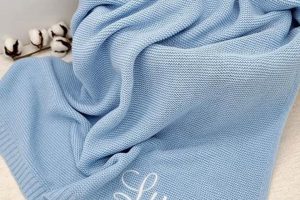
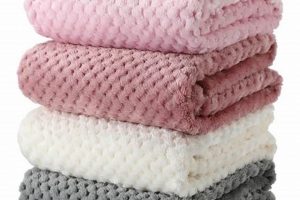
A customized textile product displaying a photograph, often of an infant or child, applied to a soft blanket fabric. This item serves as a personalized keepsake or functional covering. For example, a family might create one featuring an image of their newborn to commemorate their arrival.
The significance of these items lies in their ability to capture and preserve memories in a tangible and comforting form. They can represent a child’s early years, celebrate milestones, or simply provide a unique and sentimental item. The historical context involves the evolving technology of image transfer onto fabrics, allowing for increasingly detailed and durable personalized products. The practice resonates with a broader tradition of creating family heirlooms.
The following discussion will delve into aspects such as materials used in creating these items, various customization options available, printing techniques employed, and considerations for their care and maintenance. Furthermore, it will explore the market trends influencing their popularity and the associated safety standards to be observed.
Tips for Selecting a High-Quality Personalized Blanket
Ensuring a durable and visually appealing product requires careful consideration of several key factors. These tips provide guidance on selecting a suitable personalized blanket that will withstand regular use and maintain its aesthetic appeal.
Tip 1: Material Selection: Opt for soft, durable fabrics such as fleece, microfleece, or sherpa. These materials offer comfort and are generally resistant to wear and tear. Examine the fabric’s GSM (grams per square meter) for an indication of its thickness and quality; a higher GSM typically indicates a denser, more durable fabric.
Tip 2: Image Resolution: Submit a high-resolution photograph to ensure a clear and sharp printed image. A minimum resolution of 300 DPI (dots per inch) is recommended. Avoid using images that are pixelated or blurry, as these imperfections will be amplified on the finished product.
Tip 3: Printing Technique: Investigate the printing method used by the manufacturer. Dye-sublimation printing generally produces vibrant, long-lasting results as the ink is infused directly into the fabric fibers. Avoid products that use surface printing, which may be prone to cracking or fading over time.
Tip 4: Customization Options: Explore the available customization options to create a unique and personalized design. Consider adding text, borders, or other embellishments to enhance the visual appeal. Verify that the customization tools are user-friendly and allow for precise placement of elements.
Tip 5: Edge Finishing: Check the quality of the edge finishing. A neatly hemmed or stitched edge will prevent fraying and extend the product’s lifespan. Avoid blankets with raw or unfinished edges, as these are more likely to unravel with repeated washing.
Tip 6: Washability and Care: Inquire about the washing instructions and ensure that the blanket is machine washable and dryer-safe. Opt for fabrics and printing techniques that are resistant to fading and shrinking. Follow the manufacturer’s care instructions carefully to maintain the blanket’s quality over time.
Tip 7: Review Customer Feedback: Before making a purchase, read customer reviews to gauge the quality and reliability of the product and the vendor. Pay attention to comments regarding the image quality, fabric durability, and customer service experience.
Adhering to these guidelines will facilitate the selection of a high-quality item that serves as a cherished keepsake for years to come.
The following sections will further elaborate on the design considerations and safety aspects associated with these personalized textile products.
1. Material Softness

Material softness is a critical determinant of the suitability of a textile keepsake, particularly one intended for infants. The direct contact of the fabric with a baby’s skin necessitates a high degree of gentleness to prevent irritation or discomfort. The selection of an inherently soft material, such as fleece, microfleece, organic cotton, or muslin, directly impacts the overall user experience and perceived value of the final product. For instance, a poorly chosen, coarse fabric could negate the sentimental value of the printed photograph, rendering the blanket unusable for its intended purpose.
The interplay between material choice and print application further affects the perceived softness. Certain printing techniques, while effective for image transfer, can stiffen the fabric if not properly executed. Dye-sublimation, when appropriately applied, maintains the fabric’s inherent texture. Conversely, methods that deposit a heavy layer of ink on the surface can compromise the material’s suppleness. Consider a scenario where a vibrant, detailed photograph is perfectly reproduced, but the resulting stiff texture makes the blanket unsuitable for swaddling or cuddling; the intended function is undermined by an imbalance between aesthetic appeal and tactile quality.
In summary, material softness is not merely a desirable attribute, but a fundamental requirement for any textile keepsake intended for infant use. Its impact extends beyond simple comfort, influencing the overall utility and perceived value. Addressing this aspect requires careful consideration of both the base fabric and the chosen printing technique to ensure a final product that is both visually appealing and safe for delicate skin.
2. Image clarity
Image clarity represents a critical attribute in the creation of a personalized textile keepsake. The visual fidelity of the photograph directly impacts the perceived value and emotional resonance of the resulting blanket. A blurred, pixelated, or otherwise indistinct image diminishes the ability of the item to serve as a meaningful memento. Consider, for instance, a photograph of a newborn child; if the image lacks sharpness, the delicate features and expressions that define that specific moment in time are lost, thereby undermining the purpose of creating the blanket. The connection between image quality and overall satisfaction is therefore direct and significant.
The relationship extends beyond mere aesthetics to the tangible quality of the final product. Printing techniques rely on the resolution of the source image to accurately transfer detail onto the fabric. A low-resolution image, even when printed using advanced methods, will inherently yield a subpar result. In a practical sense, this means that a photo taken with an older mobile phone camera, or an image heavily compressed for online sharing, will likely produce a disappointing outcome. This necessitates a careful review of the image’s characteristics prior to submission for printing, often requiring adherence to specific resolution guidelines provided by the manufacturer. The practical significance here is that a higher-quality source image generally translates into a higher-quality finished product, irrespective of the fabric or printing method employed.
In summary, image clarity is not merely an aesthetic preference but a functional necessity. It influences the ability of a personalized textile to effectively capture and preserve memories, affecting both its visual appeal and overall value. Overcoming challenges associated with image quality requires careful attention to source resolution and appropriate printing techniques. A clear, well-defined image is fundamental to achieving a satisfying and meaningful outcome, directly contributing to the success of creating such a personalized item.
3. Print durability
Print durability is paramount to the long-term value and usability of a textile keepsake. Given that an item of this nature is frequently subjected to washing, handling, and potentially exposure to sunlight, the longevity of the printed image is directly linked to its ability to fulfill its intended purpose: preserving a memory or celebrating a milestone. Poor print durability can result in fading, cracking, or peeling of the image, rendering the blanket unsightly and undermining its sentimental value. For example, a photograph transferred using a low-quality printing method might begin to deteriorate after only a few washes, effectively erasing the personalized element that made the item unique. The quality of the printing process is thus an essential factor in the overall evaluation.
The choice of printing technique and the quality of the inks used directly impact print durability. Dye-sublimation, which infuses the ink directly into the fabric fibers, generally yields more durable results compared to surface printing methods, where the ink sits on top of the material. Furthermore, UV-resistant inks are crucial for items that may be exposed to sunlight, preventing premature fading. Consider a scenario where two seemingly identical blankets are created, one using dye-sublimation with UV-resistant inks and the other using a cheaper surface printing method. After a year of use and washing, the former would likely retain its image vibrancy, while the latter could exhibit significant fading and cracking, highlighting the practical significance of selecting a durable printing process.
In conclusion, print durability is not merely a desirable feature but a fundamental requirement for a textile keepsake intended for long-term use. It is inextricably linked to the choice of printing technique, ink quality, and care instructions. A durable print ensures that the item retains its aesthetic appeal and sentimental value over time, effectively fulfilling its intended purpose of preserving memories and providing comfort. Understanding the factors that contribute to print durability is crucial for making informed purchasing decisions and ensuring lasting satisfaction.
4. Blanket size

Blanket size directly influences the functionality and suitability of a customized textile intended for infant or child use. Careful consideration of dimensions is essential to ensure the item is appropriate for its intended purpose, whether as a swaddling cloth, a crib covering, or a comforting object for older children.
- Swaddling Appropriateness
Newborn swaddling necessitates specific dimensions to effectively secure the infant while allowing for hip movement. A blanket that is too small will not provide adequate coverage, while one that is excessively large poses a potential suffocation hazard. Standard swaddling blankets typically measure between 40×40 and 48×48 inches. Deviations from this range compromise safety and effectiveness. For example, a blanket intended for display might be larger but unsuitable for active swaddling.
- Crib Safety Standards
When used in a crib, the dimensions of the blanket must adhere to established safety guidelines. Overly large blankets can bunch up, increasing the risk of suffocation or entanglement. Smaller blankets, while safer, may not provide sufficient warmth or coverage. Optimal crib blanket sizes typically range from 30×40 to 36×45 inches, ensuring adequate coverage without creating hazards. A blanket exceeding these dimensions should be avoided for unsupervised use in a crib.
- Child Comfort and Portability
For older infants and toddlers, blanket size influences both comfort and portability. A larger blanket offers more coverage for warmth and security, but can be unwieldy to carry. Smaller blankets are more easily transported but may not provide adequate coverage for larger children. Sizes ranging from 40×60 to 50×70 inches are commonly used for older children, balancing comfort with practicality. A blanket used for travel requires a smaller, more manageable size compared to one used primarily at home.
- Image Distortion Considerations
The dimensions of the blanket directly impact the visual presentation of the photograph. A disproportionately small blanket may require excessive cropping of the image, while a very large blanket can result in image stretching or distortion if the original photograph’s aspect ratio is not maintained. Careful attention to the blanket’s dimensions in relation to the photograph’s aspect ratio is essential to prevent visual anomalies. For instance, a panoramic photograph printed on a square blanket would require significant cropping, potentially eliminating key elements of the image.
These multifaceted considerations highlight the importance of selecting an appropriate blanket size that aligns with the intended function and user. Careful consideration of dimensions ensures both safety and visual appeal, thereby maximizing the value and utility of the customized textile.
5. Safety standards
The implementation of stringent safety standards is paramount in the production of textile keepsakes, especially those intended for infant use. The direct contact of these items with delicate skin necessitates adherence to rigorous guidelines to mitigate potential health risks. The following points detail key aspects of these standards.
- Material Composition and Certification
The selection of materials that are free from harmful chemicals is essential. Textiles used in such items should ideally be certified under standards such as OEKO-TEX Standard 100, which verifies that the fabric has been tested for harmful substances, including allergens and irritants. For instance, the use of non-organic cotton treated with formaldehyde can pose a significant risk to infants, highlighting the need for certified materials. Furthermore, the dyes used for printing the photograph must also meet safety standards to prevent skin irritation or allergic reactions.
- Flammability Requirements
Compliance with flammability regulations is crucial to minimize the risk of fire hazards. Textile products intended for infant use must meet specific flammability standards, such as those outlined in the Consumer Product Safety Improvement Act (CPSIA). The application of flame-retardant chemicals is often used to achieve this, but it is important to ensure that these chemicals are also safe for infant exposure and do not leach out over time. A real-world example includes blankets failing to meet these standards, leading to product recalls and potential harm to consumers.
- Small Parts and Entanglement Hazards
Textile keepsakes should be designed to eliminate potential choking or entanglement hazards. This includes avoiding the use of small embellishments, such as buttons or ribbons, which could detach and pose a risk to infants. The edges of the blanket should be securely hemmed or stitched to prevent fraying and the creation of loose threads that could entangle a child. An example of this is a blanket with loosely attached appliqus that a child could pull off and ingest.
- Lead and Phthalate Content Restrictions
Regulations limit the permissible levels of lead and phthalates in textile products intended for infant use. These substances, often used in dyes and printing processes, can have adverse health effects, including developmental problems. Compliance with standards such as CPSIA ensures that these harmful chemicals are minimized or eliminated. An example of this is the historical use of lead-based dyes in textiles, which led to numerous health issues before regulations were implemented.
Adherence to these safety standards is not merely a regulatory obligation but a fundamental ethical responsibility in the production of personalized textile keepsakes. The selection of certified materials, compliance with flammability requirements, elimination of small parts hazards, and restrictions on harmful chemicals are all critical components of ensuring the safety and well-being of infants. Failure to uphold these standards can have serious consequences, underscoring the need for vigilance and rigorous quality control throughout the manufacturing process.
6. Customization options

The capacity for personalization significantly enhances the appeal and perceived value of textile keepsakes. Tailoring a product to specific preferences allows for a heightened sense of emotional connection and uniqueness, transforming a functional item into a treasured memento. Customization options, therefore, represent a critical aspect of product design and marketing.
- Image Selection and Placement
This foundational aspect involves choosing a photograph and determining its precise location on the blanket. The ability to upload personal images allows for the creation of a truly unique item. For example, a family might select a newborn portrait and choose to have it centered on the blanket with a specific border. Improper placement can detract from the image’s impact, while thoughtful arrangement enhances its visual appeal and sentimental value.
- Textual Additions and Font Choices
The inclusion of text, such as a child’s name, birthdate, or a short message, provides an additional layer of personalization. Offering a range of font styles and sizes allows for further customization to match the overall aesthetic. Consider a scenario where a family adds the phrase “Sweet Dreams” in an elegant script font below a photograph of their child. The addition of relevant text amplifies the emotional significance of the blanket.
- Border and Background Designs
The selection of a border or background pattern can complement the photograph and enhance the overall design. Options may include solid colors, geometric patterns, or thematic designs. For instance, a photograph of a child surrounded by nature could be paired with a floral border to reinforce the theme. The absence of suitable border options can limit the potential for creating a cohesive and visually appealing design.
- Size and Material Variations
Offering a range of blanket sizes and material options allows customers to tailor the product to their specific needs and preferences. Different sizes are appropriate for swaddling newborns, covering cribs, or providing comfort for older children. Material choices, such as fleece, microfleece, or cotton, impact the blanket’s softness, durability, and overall feel. A family might opt for a larger fleece blanket for an older child who uses it for comfort, demonstrating the importance of size and material options.
These customization options, when effectively implemented, enable customers to create highly personalized textile keepsakes that hold significant emotional value. The ability to tailor the product to individual preferences ensures a unique and meaningful item that can be cherished for years to come. The absence of comprehensive customization options diminishes the potential for creating a truly personal and impactful item.
7. Washing instructions

Washing instructions are an integral component of a textile keepsake. These guidelines dictate the appropriate methods for cleaning and maintaining the item, directly influencing its longevity and preservation of the printed image. Improper washing techniques can lead to fading, cracking, or damage to the photograph, thereby diminishing the value and sentimental significance of the item. The relationship is causal: adherence to proper washing instructions prolongs the lifespan, while negligence results in accelerated degradation. For example, washing a delicate fleece blanket with a dye-sublimated image in hot water and harsh detergents, contrary to care instructions, will almost certainly cause image fading and fabric damage.
The practical significance of understanding washing instructions extends beyond simply preserving the image. It encompasses maintaining hygiene, particularly critical for items intended for infants. Blankets can accumulate dirt, allergens, and bacteria, necessitating regular cleaning. However, aggressive cleaning methods, while effective at removing contaminants, can also compromise the printed image. The challenge lies in balancing the need for hygiene with the preservation of the personalized design. Specific instructions, such as using gentle cycles, mild detergents, and avoiding bleach, are crucial for achieving this balance. Consider the alternative where a blanket is cleaned with harsh chemicals, removing stains but also irreversibly damaging the photograph; the practical benefit of cleanliness is offset by the loss of the personalized element.
In summary, washing instructions are not merely a perfunctory addition but a critical guide for the proper care and maintenance of a textile keepsake. They represent the intersection between hygiene, preservation, and the long-term value of the item. Ignoring these instructions can lead to irreversible damage, while adherence ensures the sustained aesthetic appeal and sentimental significance of the photo baby blanket. The challenge lies in educating consumers about the importance of these guidelines and ensuring that manufacturers provide clear, comprehensive, and easily accessible care instructions.
Frequently Asked Questions
This section addresses common inquiries regarding the creation, care, and safety of photo baby blankets, providing clarity on essential aspects of these personalized textile products.
Question 1: What image resolution is required for optimal print quality on a photo baby blanket?
A minimum resolution of 300 DPI (dots per inch) is generally recommended to ensure a clear and sharp printed image. Lower resolutions may result in pixelation or blurring, negatively impacting the visual appeal of the item.
Question 2: Which fabric types are most suitable for a photo baby blanket intended for sensitive skin?
Fabrics such as organic cotton, microfleece, and muslin are often preferred due to their softness and hypoallergenic properties. These materials minimize the risk of skin irritation and provide a comfortable surface for infants.
Question 3: How can one ensure the longevity of the printed image on a photo baby blanket after multiple washes?
Selecting a dye-sublimation printing technique, which infuses the ink directly into the fabric fibers, typically yields more durable and fade-resistant results compared to surface printing methods. Following the manufacturer’s care instructions, including washing in cold water and avoiding harsh detergents, also contributes to image longevity.
Question 4: What safety certifications should one look for when purchasing a photo baby blanket?
Certifications such as OEKO-TEX Standard 100 indicate that the fabric has been tested for harmful substances and meets stringent safety standards. This ensures that the product is free from allergens, irritants, and other potentially hazardous chemicals.
Question 5: What are the recommended dimensions for a photo baby blanket intended for swaddling a newborn?
Blankets intended for swaddling typically measure between 40×40 and 48×48 inches. These dimensions provide adequate coverage while allowing for proper hip movement, essential for infant comfort and development.
Question 6: Can photo baby blankets be custom-designed with multiple images or text?
Many manufacturers offer extensive customization options, allowing for the inclusion of multiple images, personalized text, borders, and background designs. The specific capabilities vary depending on the vendor.
In summary, selecting a high-resolution image, choosing appropriate fabric, adhering to care instructions, and verifying safety certifications are crucial steps in ensuring the quality and suitability of a photo baby blanket.
The subsequent discussion will explore the potential applications of these personalized items as gifts and commemorative keepsakes.
Photo Baby Blanket
This article has comprehensively explored the diverse facets of the customized textile item, detailing aspects ranging from material selection and image resolution to printing techniques and adherence to safety standards. The analysis has underscored the importance of each element in determining the overall quality, utility, and sentimental value. Proper image resolution, for instance, directly impacts the visual clarity of the keepsake, while material composition affects infant comfort and safety. Moreover, the longevity of the printed image is intrinsically linked to the printing method employed and adherence to recommended washing instructions.
The ongoing evolution of printing technology and material science suggests future enhancements in the durability and personalization capabilities of these keepsakes. As consumers increasingly seek unique and meaningful ways to commemorate significant life events, the appeal of the product is likely to endure. Ensuring adherence to the highest safety standards remains paramount, safeguarding the well-being of the infants and children for whom these items are intended.