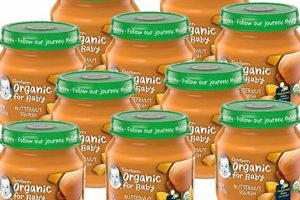
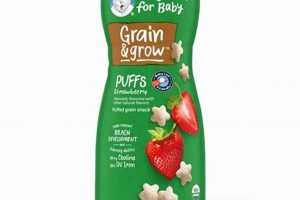
Specialized nourishment formulated without gluten is designed for infants transitioning to solid foods or requiring dietary restrictions. These products exclude wheat, barley, rye, and related grains, ensuring safe consumption for babies with celiac disease, gluten sensitivity, or those at risk of developing such conditions. Examples include pureed fruits, vegetables, and meats certified to be free of the problematic protein.
The absence of gluten in infant diets is crucial for preventing adverse health effects in susceptible individuals. Early introduction of gluten to babies with certain predispositions can trigger autoimmune responses, leading to digestive issues and long-term health complications. Historically, awareness of these sensitivities has grown, resulting in a wider availability and increased reliance on these specialized products for infants’ well-being.
Understanding the varieties available, recognizing potential cross-contamination risks, and discerning appropriate usage based on an infant’s individual needs are essential aspects. Parents and caregivers need access to reliable information to navigate the landscape of infant nutrition effectively and make informed choices regarding their child’s dietary requirements.
Guidance on Gluten Exclusion in Infant Diets
The following provides practical recommendations for implementing a dietary regimen devoid of gluten for infants. Careful consideration is necessary to ensure proper nutrition and to avoid potential health complications.
Tip 1: Diligently Scrutinize Product Labels. Every food item intended for infant consumption must be thoroughly examined for the presence of gluten-containing ingredients. Be aware of ambiguous terms such as “modified food starch,” which may or may not be derived from wheat.
Tip 2: Prioritize Single-Ingredient Foods During Introduction. When initiating solid feeding, introduce single-ingredient options first. This allows for the easy identification of potential allergens or intolerances. Rice cereal, pureed sweet potato, and avocado are commonly accepted starting points.
Tip 3: Prevent Cross-Contamination. Maintain separate food preparation areas and utensils to prevent cross-contamination from gluten-containing foods. Use dedicated cutting boards, cookware, and storage containers.
Tip 4: Exercise Caution When Dining Out. When feeding infants outside the home, inquire about preparation methods and ingredients to verify the absence of gluten. Pack homemade food to eliminate uncertainty.
Tip 5: Consult with a Healthcare Professional. Before making significant dietary changes, seek guidance from a pediatrician or registered dietitian. They can provide personalized recommendations based on the infant’s individual needs and health history.
Tip 6: Consider Third-Party Certification. Look for products with third-party certification. Certifying organizations ensure that the products are free of gluten by providing rigorous standards for companies to follow.
Adhering to these guidelines ensures the safe and effective implementation of a regimen free of gluten for infants. Rigorous attention to detail and proactive communication with healthcare professionals are essential for optimal infant health.
The following sections will explore advanced strategies for managing infant nutritional needs and will delve into methods for detecting and addressing potential adverse reactions.
1. Ingredient Verification

Ingredient verification is paramount in the context of infant nourishment devoid of gluten. Accurate identification and confirmation of food constituents are crucial to safeguard the health of infants with celiac disease, gluten sensitivity, or those at risk of developing such conditions.
- Label Scrutiny
Thorough examination of product labels is essential for identifying hidden sources of gluten. Manufacturers may use ambiguous terms or derivatives of gluten-containing grains. Rigorous label reading helps ensure the absence of prohibited ingredients. For example, hydrolyzed vegetable protein can sometimes contain gluten depending on its processing. The presence of “wheat starch” on a label, regardless of claims, unequivocally indicates a gluten source.
- Cross-Contamination Assessment
Ingredient lists may not always reflect the potential for cross-contamination during manufacturing. Facilities that process both gluten-containing and gluten-free products can pose a risk. Seeking products from dedicated gluten-free facilities or those with rigorous testing protocols mitigates this risk. This precaution is especially vital for infants, as even trace amounts of gluten can trigger adverse reactions.
- Ingredient Sourcing Transparency
Understanding the origin and processing of ingredients contributes to verification efforts. Direct communication with manufacturers can provide clarity on sourcing and production practices. For instance, questioning whether oats are certified gluten-free and grown in dedicated fields avoids potential contamination from neighboring wheat crops. Such transparency enhances consumer confidence in the product’s suitability for infants with dietary restrictions.
- Third-Party Certification Validation
Reliance on third-party certification programs adds an extra layer of assurance. Organizations like the Gluten-Free Certification Organization (GFCO) and the Celiac Support Association (CSA) rigorously test products to meet specific gluten-free standards. Validation of certification marks provides verifiable confirmation of a product’s compliance with defined gluten limits, enhancing safety and reliability.
In summary, ingredient verification for infant nutrition free of gluten extends beyond a simple reading of the label. It involves a comprehensive approach encompassing label scrutiny, cross-contamination assessment, sourcing transparency, and validation through third-party certifications. Consistent implementation of these strategies minimizes risks and protects the health of infants requiring such dietary modifications.
2. Cross-Contamination Avoidance

Cross-contamination avoidance is a critical aspect of ensuring the safety and suitability of nourishment devoid of gluten for infants. Even trace amounts of gluten can elicit adverse reactions in susceptible individuals, necessitating stringent measures to prevent unintended exposure during food preparation and handling.
- Dedicated Utensils and Cookware
The use of shared utensils and cookware can introduce gluten particles into dishes intended to be gluten-free. Separate sets of equipment, clearly designated and exclusively used for preparing food without gluten, are essential. This prevents the transfer of gluten from items used in the preparation of wheat-based products. For example, a cutting board used to slice bread should never be used for preparing a pureed fruit for an infant.
- Surface Sanitation
Countertops, cutting boards, and other food preparation surfaces must be thoroughly cleaned before preparing nourishment without gluten. Gluten particles can persist on surfaces, even after routine cleaning. Using dedicated cleaning agents and ensuring complete removal of residue minimizes the risk of cross-contamination. Steam cleaning can be more effective than traditional cleaning methods in eliminating residual gluten.
- Storage Practices
Improper storage can lead to gluten exposure in otherwise safe foods. Food items without gluten must be stored separately from gluten-containing products, preferably in sealed containers and on designated shelves. This prevents accidental contact and minimizes the risk of airborne gluten particles settling on exposed foods. Storing such items above gluten-containing products is advisable.
- Hand Hygiene
Hand hygiene is paramount in preventing the transfer of gluten during food preparation. Washing hands thoroughly with soap and water before and after handling any food is crucial. Caregivers should also avoid touching their face or hair while preparing infant nourishment without gluten, as these actions can introduce contaminants. The use of disposable gloves offers an additional layer of protection.
Collectively, these measures are indispensable in maintaining the integrity of nourishment devoid of gluten for infants. Consistent adherence to these practices minimizes the risk of cross-contamination, safeguarding the health and well-being of infants with gluten sensitivities or celiac disease. Failure to implement these precautions can undermine the benefits of selecting products devoid of gluten, exposing infants to potential health risks.
3. Nutritional Completeness

Nutritional completeness represents a crucial consideration when selecting nourishment devoid of gluten for infants. The absence of gluten-containing grains necessitates careful attention to ensure the infant’s dietary needs are met, preventing potential nutrient deficiencies. A well-formulated diet, free of gluten, must provide adequate levels of essential vitamins, minerals, and macronutrients to support growth and development. For instance, iron-fortified rice cereal, a common starting food, can address iron requirements typically met by wheat-based cereals. Similarly, a variety of pureed vegetables and fruits contributes essential vitamins and fiber. Inadequate dietary planning can lead to deficiencies impacting various aspects of health, including bone development and immune function.
The formulation of infant nourishment free of gluten often requires strategic supplementation to compensate for the exclusion of gluten-containing grains. Manufacturers may fortify products with nutrients like iron, zinc, and B vitamins, which are commonly found in fortified wheat products. However, reliance on fortified foods alone may not always guarantee adequate intake. Incorporating a diverse range of naturally nutrient-rich foods, such as legumes, lean meats, and dairy alternatives (if tolerated), can contribute to a more balanced and comprehensive nutritional profile. Careful monitoring of the infant’s growth and development, in consultation with a healthcare professional, helps ensure that all nutritional needs are adequately addressed.
Achieving nutritional completeness in infant diets devoid of gluten presents a persistent challenge, requiring proactive planning and diligent monitoring. The risk of nutrient deficiencies underscores the importance of informed decision-making and professional guidance. Although manufacturers strive to fortify their products, the responsibility ultimately rests with caregivers to ensure a varied and balanced intake. Overcoming these challenges through careful selection, strategic supplementation, and professional oversight can ensure optimal health and developmental outcomes for infants requiring dietary restrictions due to gluten intolerance or celiac disease.
4. Digestive Health

Digestive health plays a crucial role in infant well-being, particularly concerning the introduction of solid foods and the potential presence of gluten sensitivity or celiac disease. A diet without gluten can be instrumental in supporting and maintaining optimal digestive function in susceptible infants.
- Reduced Inflammation
In infants with celiac disease or gluten sensitivity, gluten consumption triggers an inflammatory response in the small intestine. This inflammation can damage the intestinal lining, impairing nutrient absorption and causing digestive discomfort. Eliminating gluten reduces this inflammation, allowing the intestinal lining to heal and function more effectively. For instance, an infant experiencing chronic diarrhea and abdominal distension may find symptom relief and improved nutrient absorption following the adoption of a gluten-free diet.
- Improved Nutrient Absorption
Inflammation and damage to the intestinal lining, caused by gluten exposure in sensitive individuals, can hinder the absorption of essential nutrients. This malabsorption can lead to deficiencies in vitamins, minerals, and other vital nutrients necessary for growth and development. By removing gluten from the diet, nutrient absorption can be improved, ensuring that infants receive adequate nourishment. For example, infants exhibiting signs of iron deficiency anemia may experience improved iron levels after initiating a gluten-free dietary regimen.
- Alleviation of Gastrointestinal Symptoms
Gluten intolerance can manifest as a variety of gastrointestinal symptoms, including diarrhea, constipation, abdominal pain, bloating, and vomiting. A diet devoid of gluten can alleviate these symptoms, improving the infant’s comfort and overall quality of life. An infant experiencing frequent episodes of diarrhea after meals, for instance, may find that these symptoms subside upon adhering to a gluten-free diet.
- Prevention of Long-Term Complications
Chronic inflammation and malabsorption resulting from untreated celiac disease can lead to long-term health complications, such as anemia, osteoporosis, and impaired growth. Early identification and management of gluten sensitivity through dietary modification can prevent these complications. By implementing a dietary approach devoid of gluten, the risk of developing such conditions is significantly reduced, promoting long-term health and well-being.
In summation, the connection between nourishment free of gluten and digestive health in infants is undeniable. The mitigation of inflammation, enhancement of nutrient absorption, reduction of gastrointestinal symptoms, and prevention of long-term health issues emphasize the importance of considering diets free of gluten for infants exhibiting signs of gluten sensitivity or those diagnosed with celiac disease. Vigilant monitoring of digestive health and appropriate dietary interventions, guided by healthcare professionals, are essential for optimizing infant health outcomes.
5. Early Detection
Early detection of gluten sensitivity or celiac disease is paramount for infants, impacting dietary choices and long-term health outcomes. Identifying these conditions during the introduction of solid foods allows for prompt implementation of a dietary regimen free of gluten, minimizing potential damage to the developing digestive system.
- Symptom Recognition
Careful observation for symptoms such as chronic diarrhea, abdominal distension, failure to thrive, or skin rashes can indicate potential gluten intolerance. Recognizing these signs early prompts further investigation and potentially leads to a timely diagnosis. For instance, persistent diarrhea following the introduction of wheat-based cereals warrants medical evaluation.
- Genetic Predisposition Awareness
Infants with a family history of celiac disease have a higher risk of developing the condition. Awareness of this genetic predisposition necessitates heightened vigilance for symptoms and consideration of early screening. A sibling or parent with celiac disease should prompt proactive testing for the infant, even in the absence of overt symptoms.
- Medical Evaluation and Testing
If gluten sensitivity or celiac disease is suspected, a physician should conduct a thorough medical evaluation, including appropriate blood tests and potentially a small intestinal biopsy. These tests can confirm or rule out the diagnosis, guiding subsequent dietary management. Serum antibody tests, such as anti-tissue transglutaminase (tTG) and anti-endomysial antibody (EMA), are commonly used screening tools.
- Dietary Trial Monitoring
In some cases, a healthcare provider may recommend a trial period on a dietary approach devoid of gluten to assess symptom improvement. Careful monitoring of the infant’s response to this dietary change can provide valuable diagnostic information. If symptoms resolve upon eliminating gluten and return upon reintroduction, this strengthens the suspicion of gluten sensitivity or celiac disease.
In conclusion, early detection hinges on vigilant symptom recognition, awareness of genetic risk factors, timely medical evaluation, and monitoring of dietary trial outcomes. The prompt identification of gluten sensitivity or celiac disease enables the early adoption of a dietary approach free of gluten, promoting optimal digestive health and preventing long-term complications in affected infants.
Frequently Asked Questions About Gluten-Free Infant Nourishment
The following addresses common inquiries regarding the implementation of dietary restrictions for infants concerning gluten. It aims to provide clear and concise information to caregivers navigating the complexities of infant nutrition.
Question 1: Is there a specific age at which infants should be introduced to nourishment free of gluten?
The timing of the introduction of solid foods, including those specifically excluding gluten, generally aligns with standard pediatric recommendations. Between four and six months of age is typical, contingent upon the infant’s developmental readiness, such as the ability to sit upright with support and demonstrate head control. Introducing a variety of single-ingredient foods allows for the identification of potential sensitivities or allergies independent of gluten.
Question 2: What are the primary indications for restricting gluten in an infant’s diet?
The primary indications include a diagnosis of celiac disease, a documented gluten sensitivity, or a familial history of celiac disease. If an infant exhibits persistent gastrointestinal distress, failure to thrive, or other symptoms suggestive of gluten intolerance, a healthcare professional may recommend diagnostic testing and a trial elimination of gluten from the diet.
Question 3: What are common sources of hidden gluten in processed infant food?
Hidden sources can include modified food starch, hydrolyzed vegetable protein, malt extract, and certain thickening agents. Diligent label reading is crucial, with particular attention paid to ingredients derived from wheat, barley, or rye. Contacting manufacturers directly for clarification on ingredient sourcing and processing methods may be necessary to ensure the absence of gluten.
Question 4: How can cross-contamination during home preparation be prevented?
Designated utensils, cookware, and preparation surfaces exclusively used for preparing nourishment without gluten are essential. Thorough cleaning of all surfaces prior to food preparation is necessary. Storage of food items free of gluten should be separate from those containing gluten to prevent accidental contact.
Question 5: Does adhering to this diet necessitate vitamin or mineral supplementation?
Potential deficiencies in iron, zinc, and certain B vitamins should be addressed through dietary modifications or supplementation. Consult with a pediatrician or registered dietitian to assess the infant’s nutritional needs and determine the appropriate course of action. Fortified rice cereal and a varied intake of fruits, vegetables, and meats can contribute to a balanced nutrient profile.
Question 6: What steps should be taken if an infant accidentally ingests gluten?
Monitor the infant for any adverse reactions, such as digestive upset, skin rashes, or behavioral changes. Contact the infant’s healthcare provider for guidance, particularly if the infant has a known diagnosis of celiac disease or a severe gluten sensitivity. Documenting the incident and any subsequent symptoms is helpful for future reference.
In summation, managing nourishment restrictions requires vigilance, informed decision-making, and proactive communication with healthcare professionals. Thorough label reading, careful food preparation practices, and attention to potential nutrient deficiencies are crucial aspects of ensuring infant well-being.
The subsequent sections will delve into advanced strategies for managing dietary sensitivities and optimizing infant nutrition.
Gluten Free Baby Food
This exploration of sustenance without gluten for infants underscores the critical importance of informed decision-making and diligent implementation. From meticulous label scrutiny and cross-contamination prevention to the assurance of nutritional completeness and early detection of sensitivities, adherence to established guidelines is paramount. The complexities of infant nutrition, particularly in cases of celiac disease or gluten intolerance, demand a proactive and vigilant approach to safeguarding infant health.
The ongoing pursuit of knowledge and collaboration with healthcare professionals remains essential for optimizing dietary strategies and minimizing potential risks. Prioritizing the digestive health and long-term well-being of infants through meticulous attention to dietary needs represents a fundamental responsibility. Parents and caregivers must remain informed and proactive to provide the best possible start in life.