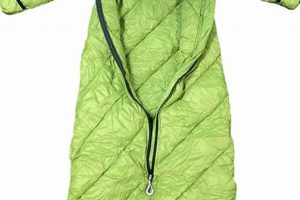
Infant sleeping garments, designed for ease of use and comfort, are commonly employed to dress newborns and young babies during sleep. These garments typically feature a loose-fitting design that allows for freedom of movement while maintaining a safe and warm environment. A typical design might include a cinched or elasticized bottom, enabling swift diaper changes without requiring complete undressing.
The utilization of such garments offers several advantages. The simplified design facilitates convenient nighttime diapering, minimizing disruption to the infant’s sleep. The unrestricted movement afforded by the garment supports healthy hip development. Historically, similar designs have been favored for their practicality and ease of care, contributing to their enduring popularity among caregivers.
The subsequent discussion will delve into the different materials used in constructing these garments, explore appropriate sizing considerations, and examine essential safety standards to ensure optimal infant well-being.
Guidance on Infant Sleepwear Selection
The following recommendations are intended to assist caregivers in the appropriate selection and utilization of infant sleepwear, promoting safe and comfortable sleep for the child.
Tip 1: Material Selection: Opt for natural, breathable fabrics such as cotton or muslin. These materials minimize the risk of overheating and allow for adequate ventilation, reducing the likelihood of skin irritation.
Tip 2: Sizing Accuracy: Ensure that the garment’s size corresponds accurately to the infant’s current weight and length. Overly large garments pose a suffocation hazard, while excessively small garments restrict movement and circulation.
Tip 3: Closure Security: Verify that all closures, such as snaps or zippers, are securely fastened and free from sharp edges. Loose closures may detach and present a choking risk.
Tip 4: Layering Considerations: Adjust the number of layers worn beneath the sleepwear according to the ambient room temperature. Avoid over-bundling, which can lead to overheating and increase the risk of Sudden Infant Death Syndrome (SIDS).
Tip 5: Restriction Avoidance: Choose sleepwear that allows for free movement of the infant’s legs and hips. Restrictive designs can impede healthy musculoskeletal development.
Tip 6: Regular Inspection: Routinely inspect the garment for signs of wear and tear, such as loose threads or damaged closures. Discard any item exhibiting such defects to prevent potential hazards.
Tip 7: Washing Instructions: Adhere strictly to the manufacturer’s washing instructions. Using hypoallergenic detergents minimizes the risk of allergic reactions and skin sensitivities.
These guidelines underscore the importance of selecting appropriate infant sleepwear that prioritizes safety, comfort, and developmental considerations. Careful attention to these details contributes significantly to the well-being of the infant during sleep.
The subsequent sections will explore specific design features and address frequently asked questions regarding infant sleepwear.
1. Material Composition

The selection of materials for infant sleeping garments significantly influences the safety, comfort, and overall suitability of the product. Material properties directly affect breathability, thermal regulation, and the potential for allergic reactions. Therefore, careful consideration of material composition is paramount in the design and manufacturing of infant sleepwear.
- Breathability and Airflow
The inherent breathability of a fabric determines its capacity to allow air and moisture to pass through. Materials such as cotton, muslin, and bamboo offer superior breathability compared to synthetic alternatives. Adequate airflow reduces the risk of overheating and prevents the accumulation of moisture, minimizing the likelihood of skin irritation and discomfort. In the context of infant sleepwear, selecting highly breathable materials is crucial for maintaining a stable and comfortable body temperature.
- Hypoallergenic Properties
Infant skin is particularly sensitive and susceptible to irritation from various materials. Fabrics labeled as hypoallergenic are manufactured to minimize the presence of potential allergens, such as dyes, chemicals, and residual processing agents. Organic cotton, for example, is often preferred due to its reduced exposure to pesticides and synthetic fertilizers during cultivation. Selecting hypoallergenic materials in the production of infant sleeping garments reduces the risk of adverse skin reactions and promotes healthier sleep.
- Thermal Regulation
The ability of a fabric to regulate body temperature is essential for ensuring infant comfort during sleep. Certain materials, such as merino wool, possess inherent thermal regulation properties, effectively wicking away moisture and maintaining a consistent body temperature regardless of ambient conditions. Other materials, like fleece, can trap heat and increase the risk of overheating, particularly in warmer environments. The selection of appropriate materials for thermal regulation is crucial for preventing both overheating and excessive cooling in infant sleepwear.
- Durability and Washability
Infant garments require frequent washing to maintain hygiene and cleanliness. The durability of the fabric determines its ability to withstand repeated washing cycles without significant degradation in quality or performance. Materials such as cotton and polyester blends offer a balance of durability and washability, maintaining their shape and integrity over time. Selecting durable and washable materials ensures that infant sleeping garments remain safe and functional throughout their intended lifespan.
The aforementioned facets highlight the critical role of material composition in the design and selection of infant sleeping garments. Careful consideration of breathability, hypoallergenic properties, thermal regulation, and durability ensures that these garments effectively support infant comfort, safety, and well-being during sleep. The selection process should prioritize materials that promote healthy skin, maintain a stable body temperature, and withstand the rigors of frequent washing.
2. Design Features

Design features of infant sleeping garments directly impact infant safety, caregiver convenience, and overall product utility. The selection and implementation of specific design elements within these garments are not arbitrary; rather, they are informed by considerations of infant physiology, sleep patterns, and established safety standards. A primary example is the implementation of a wide neck opening. This design minimizes the risk of constriction or suffocation during sleep, permitting effortless placement and removal without undue pressure on the infant’s head. Without this design consideration, the potential for harm to the infant increases significantly.
Further design attributes include the use of elasticized or cinched bottoms. This particular feature offers substantial practical advantages. It allows for quick and efficient diaper changes, which is particularly beneficial during nighttime routines, minimizing disruption to the infant’s sleep cycle. The design prevents the need to fully undress the infant, reducing the risk of chilling and promoting a smoother transition back to sleep. Furthermore, the looser fit around the hips promotes healthy hip development, mitigating the potential for hip dysplasia, a condition of significant concern for infant health.
In conclusion, the design features incorporated into infant sleeping garments are integral to their function and impact. These are not merely cosmetic additions but rather purposeful solutions aimed at enhancing safety, convenience, and promoting healthy development. Understanding these connections is essential for both manufacturers and caregivers to ensure that these garments effectively meet their intended purpose, contributing to the well-being of the infant during sleep.
3. Sizing appropriateness

Sizing appropriateness is a critical determinant of the safety and functionality of infant sleeping garments. Incorrect sizing directly impacts the garment’s ability to provide a safe and comfortable sleep environment. A sleep gown that is too large poses a suffocation hazard. Excess fabric can become entangled, obstructing the infant’s breathing. Conversely, a garment that is too small restricts movement and circulation, potentially hindering healthy development. A real-world example is an infant inadvertently rolling into excess fabric of an oversized gown, creating a dangerous situation. Instances of restricted circulation due to undersized sleepwear have also been documented, underscoring the necessity for meticulous attention to sizing.
Accurate sizing is further complicated by variations in manufacturing standards and the rapid growth rate of infants. Manufacturers’ size charts are not universally consistent, necessitating careful measurement of the infant before purchase. Furthermore, infants do not grow at a uniform rate, requiring frequent reassessment of the suitability of existing sleepwear. Practical application of this understanding requires caregivers to regularly monitor their infant’s measurements and to be cognizant of discrepancies between different brands’ sizing conventions. Choosing sleepwear with adjustable features, like adjustable snap closures, offers flexibility as the infant grows.
In summary, sizing appropriateness is not merely a matter of comfort but a fundamental aspect of infant safety and developmental health. Challenges arise from inconsistent sizing standards and variable growth rates. A thorough understanding of these factors, combined with vigilant monitoring of infant measurements, is essential to mitigating the risks associated with improperly sized sleepwear. This knowledge links directly to the broader goal of providing a safe and nurturing sleep environment for infants.
4. Closure mechanisms

The design and functionality of closure mechanisms in infant sleeping garments are of critical importance. These mechanisms, intended to secure the garment while allowing for ease of access, are subject to stringent safety and usability requirements to minimize potential hazards and maximize caregiver convenience.
- Snap Fasteners
Snap fasteners, commonly employed in infant sleepwear, offer a secure closure while permitting relatively easy opening and closing. These fasteners typically consist of two interlocking components that snap together under pressure. However, the durability and attachment strength of snaps are paramount. Poorly attached snaps present a choking hazard if detached by the infant. Furthermore, the material and design of the snap itself must be free of sharp edges that could cause injury. Regular quality control measures during manufacturing are essential to ensure the integrity of snap fasteners used in infant sleeping garments.
- Zippers
Zippers provide a continuous closure along the length of a garment, often offering a more secure fit compared to snaps. However, zippers used in infant sleepwear require specific design considerations to prevent potential hazards. Zipper pulls must be designed to prevent accidental detachment and should be free of sharp edges. Additionally, zipper guards or fabric flaps are often incorporated to protect the infant’s skin from direct contact with the zipper teeth, minimizing the risk of pinching or scratching. The selection of zipper material is also crucial, as certain metals may cause allergic reactions in sensitive infants. The utilization of high-quality, hypoallergenic zippers is therefore recommended.
- Ties and Drawstrings
The use of ties and drawstrings in infant sleepwear is generally discouraged due to the significant risk of strangulation. These types of closures can easily become entangled around the infant’s neck or limbs, posing a serious safety hazard. Regulatory bodies and safety organizations typically advise against the inclusion of ties and drawstrings in infant clothing, particularly in sleepwear. In instances where ties are unavoidable, they must be short, securely attached, and positioned in a manner that minimizes the risk of entanglement.
- Hook-and-Loop Fasteners
Hook-and-loop fasteners, such as Velcro, offer a convenient and adjustable closure option. However, the use of these fasteners in infant sleepwear requires careful consideration. The hook component of the fastener can be abrasive and may irritate the infant’s skin if not properly covered. Additionally, the fastener must be securely attached to the garment to prevent detachment and potential ingestion. The selection of a soft, low-profile hook-and-loop fastener is recommended to minimize the risk of skin irritation and detachment. Regular inspection of the fastener’s integrity is also crucial to ensure its continued safety and functionality.
The various closure mechanisms employed in infant sleeping garments each present unique advantages and disadvantages. The selection of an appropriate closure mechanism requires careful consideration of safety, usability, and durability. Adherence to established safety standards and rigorous quality control measures are essential to minimize potential hazards and ensure the well-being of infants utilizing these garments.
5. Safety standards

Stringent safety standards govern the design, manufacture, and distribution of infant sleepwear, including garments marketed as infant sleeping garments. These standards aim to mitigate risks associated with flammability, strangulation, and other potential hazards specific to the infant population. Compliance with these standards is not merely a regulatory requirement but a fundamental aspect of responsible manufacturing and marketing practices.
- Flammability Regulations
Flammability regulations, such as those outlined in the United States by the Consumer Product Safety Commission (CPSC), mandate that infant sleepwear must either be inherently flame-resistant or treated with flame-retardant chemicals. These regulations are intended to reduce the risk of burn injuries in the event of a fire. An example of compliance is the use of inherently flame-resistant fabrics like modacrylic, or the application of flame-retardant treatments to cotton fabrics. Non-compliance can result in product recalls and significant legal liabilities.
- Drawstring and Small Parts Restrictions
Safety standards prohibit the inclusion of drawstrings or small, detachable parts in infant sleepwear due to the risk of strangulation and choking. Drawstrings pose a particular hazard as they can become entangled around an infant’s neck. Small parts, such as buttons or decorative appliques, can detach and be ingested by the infant. Compliance with these restrictions necessitates careful design and manufacturing processes that eliminate or securely affix any potentially hazardous components. Examples include using snap closures instead of buttons or ensuring that any decorative elements are securely sewn onto the garment.
- Lead and Phthalate Content Limits
Regulations limit the permissible levels of lead and phthalates in infant sleepwear due to the potential for adverse health effects. Lead exposure can negatively impact neurological development, while phthalates are endocrine disruptors that may interfere with hormonal function. Compliance requires manufacturers to source materials that meet these stringent chemical content limits and to conduct regular testing to ensure ongoing compliance. For example, manufacturers must obtain certifications from suppliers confirming that fabrics and dyes are lead-free and phthalate-free.
- Labeling Requirements
Safety standards mandate specific labeling requirements for infant sleepwear, including information about sizing, fabric composition, care instructions, and safety warnings. These labels are intended to provide caregivers with the information necessary to select and use the garment safely and effectively. Accurate and complete labeling is essential for informing consumers about flammability risks, washing instructions, and other relevant safety information. Non-compliance can result in fines and other penalties.
These facets of safety standards collectively contribute to a framework designed to protect infants from harm while using sleeping garments. Adherence to these standards requires diligence and commitment from manufacturers, retailers, and regulatory agencies alike. Continuous monitoring and evaluation of these standards are essential to ensure their effectiveness in safeguarding infant well-being.
Frequently Asked Questions
The following questions and answers address common concerns and misconceptions surrounding the selection and utilization of infant sleeping garments, providing essential information for caregivers.
Question 1: At what age is it appropriate to transition an infant from swaddling to sleeping garments?
The transition from swaddling to sleeping garments typically occurs when an infant begins to show signs of rolling over independently. Swaddling restricts arm movement, which is necessary for self-righting reflexes if an infant rolls onto their stomach. This transition generally occurs between two and four months of age.
Question 2: How does one determine the appropriate size for an infant sleeping garment?
Appropriate sizing is determined by the infant’s weight and length, not age. Refer to the manufacturer’s size chart, prioritizing weight measurements. Ensure adequate room for movement; a snug but not restrictive fit is optimal. Regularly reassess sizing as the infant grows.
Question 3: What materials are considered safest for infant sleeping garments?
Natural, breathable fabrics such as cotton, muslin, and bamboo are generally considered the safest options. These materials minimize the risk of overheating and allow for adequate ventilation, reducing the likelihood of skin irritation. Avoid synthetic fabrics that may trap heat and moisture.
Question 4: How should infant sleeping garments be laundered to ensure safety and hygiene?
Infant sleeping garments should be laundered separately from other clothing using a hypoallergenic, fragrance-free detergent. High-temperature washing is recommended to eliminate potential allergens and bacteria. Ensure thorough rinsing to remove detergent residue. Adhere strictly to the manufacturer’s care instructions.
Question 5: What design features should be avoided in infant sleeping garments?
Avoid garments with drawstrings, ribbons, or loose embellishments, as these pose a strangulation or choking hazard. Zipper pulls should be covered to prevent skin irritation. Excessively loose-fitting garments can also be hazardous. Ensure closures are securely fastened and free of sharp edges.
Question 6: How does ambient room temperature affect the choice of sleeping garment and layering?
Ambient room temperature dictates the appropriate weight of the sleeping garment and the need for additional layering. In warmer temperatures, a lightweight, breathable garment may suffice. In cooler temperatures, layering a long-sleeved bodysuit underneath the sleeping garment may be necessary. Avoid over-bundling, which can lead to overheating and increase the risk of SIDS.
These responses underscore the importance of informed decision-making when selecting and utilizing infant sleeping garments. Prioritizing safety, comfort, and appropriate fit ensures the well-being of the infant during sleep.
The subsequent section will provide a concluding summary of the key considerations discussed throughout this discourse.
Conclusion
The preceding discourse has meticulously examined various aspects of infant sleeping garments, encompassing material composition, design features, sizing appropriateness, closure mechanisms, and adherence to established safety standards. The objective has been to provide a comprehensive understanding of the factors that contribute to the safety, comfort, and overall suitability of these garments for infants. The criticality of selecting appropriate sleepwear cannot be overstated, as it directly impacts infant well-being during a vulnerable period of development. Each element, from breathable fabrics to secure closures, plays a vital role in minimizing potential risks and promoting healthy sleep patterns.
In summation, the selection and use of infant sleeping garments, including the baby sleep gown, demands diligent attention to detail and a commitment to prioritizing infant safety. Continued research, rigorous testing, and adherence to evolving safety standards are essential to ensure that these garments consistently meet the needs of the youngest and most vulnerable members of society. The responsibility rests upon manufacturers, caregivers, and regulatory bodies to maintain a vigilant approach to safeguarding infant health and promoting optimal developmental outcomes.