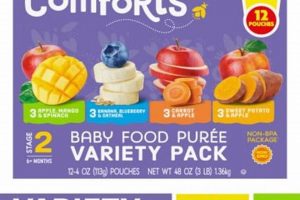
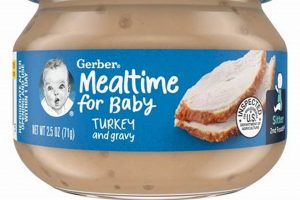
Prepared meals for infants, packaged within transparent, rigid containers, provide a convenient and readily available option for caregivers. These products typically consist of pureed fruits, vegetables, and/or meats formulated to meet the nutritional needs of babies beginning solid foods. For instance, a common variety might include single-ingredient purees like applesauce or sweet potatoes.
The use of this packaging offers several advantages, including visibility of the contents, ease of storage, and perceived purity. Historically, this packaging has been associated with a perception of higher quality and safety compared to alternatives. Furthermore, such food preservation methods extend shelf life, reducing food waste and providing access to nutritious options year-round, regardless of seasonal availability.
The following sections will delve into the detailed aspects of this product category, covering the manufacturing processes, regulatory standards, nutritional considerations, and evolving market trends associated with this method of food packaging for early childhood nutrition.
Guidance on Selection and Use
The following recommendations aim to provide practical guidance when choosing and utilizing commercially prepared infant meals in rigid, transparent vessels. Careful consideration of these points can contribute to informed decisions regarding infant nutrition.
Tip 1: Inspect the Seal: Prior to opening, meticulously examine the lid for any signs of damage or compromise. A properly sealed container will exhibit a vacuum and a distinct “pop” upon initial opening. Do not use the product if the seal is broken or the lid is bulging.
Tip 2: Check Expiration Dates: Always verify the “use by” or “expiration” date printed on the label. Consuming products beyond this date may pose a risk of spoilage and reduced nutritional value.
Tip 3: Observe Consistency and Color: Upon opening, assess the product’s consistency and color. Unusual textures or discoloration may indicate spoilage or degradation. Discard any product exhibiting such anomalies.
Tip 4: Use Clean Utensils: When serving, employ a clean spoon to prevent contamination. Avoid feeding directly from the container if any portion will be reserved for later consumption.
Tip 5: Refrigerate After Opening: Once opened, promptly refrigerate any unused portion in its original container or a separate airtight container. Consume the refrigerated contents within 24-48 hours to maintain freshness and minimize the risk of bacterial growth.
Tip 6: Consider Stage Appropriateness: Select products formulated for the infant’s developmental stage. Labels typically indicate the appropriate age range for the product’s texture and ingredients.
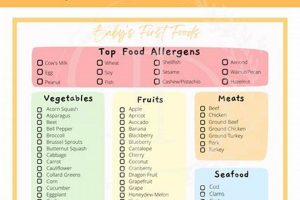
Tip 7: Be Mindful of Allergens: Carefully review the ingredient list for potential allergens, particularly when introducing new foods to the infant’s diet. Common allergens include milk, soy, eggs, peanuts, tree nuts, fish, and shellfish.
Adhering to these guidelines promotes safe and effective utilization of commercially prepared infant meals, supporting healthy growth and development.
The subsequent sections will explore further aspects of infant nutrition and related health considerations.
1. Sterilization

Sterilization represents a critical process in the manufacturing of prepared infant meals packaged in transparent, rigid containers. Its primary objective is to eliminate microorganisms, thereby preventing spoilage and ensuring the safety of the product for consumption by infants, a population particularly vulnerable to foodborne illnesses. This process is not merely a procedural step but a fundamental requirement for producing commercially viable and safe infant nutrition.
- Thermal Processing
Thermal processing, often employing autoclaves or retorts, subjects the sealed containers to high temperatures for a specific duration. This heat treatment effectively destroys bacteria, yeasts, molds, and other harmful microorganisms. The precise temperature and duration are carefully calculated based on the specific product formulation and container size to achieve commercial sterility, which signifies the absence of microorganisms capable of growing under normal storage conditions.
- Aseptic Packaging
Aseptic packaging involves sterilizing both the food product and the packaging separately before combining them in a sterile environment. The prepared food is rapidly heated and cooled to minimize nutrient degradation before being introduced into a pre-sterilized transparent container. This method offers the advantage of preserving heat-sensitive nutrients while still achieving sterility. However, this is not commonly used as thermal processing since it’s cheaper to produce and still effective.
- Container Integrity
The integrity of the glass container is paramount to maintaining sterility post-processing. Any breach in the seal or damage to the container compromises the sterility of the contents, rendering the product unsafe for consumption. Stringent quality control measures are implemented throughout the manufacturing process to ensure that all containers are free from defects and capable of withstanding the sterilization process without compromising their hermetic seal. The container must be vacuum sealed so when the consumer open it, it pops.
- Regulatory Compliance
The sterilization processes employed in the production of these infant meals are subject to stringent regulatory oversight by agencies. These regulations mandate adherence to specific sterilization parameters and require comprehensive documentation of the sterilization process to ensure consistent product safety. Compliance with these regulations is essential for manufacturers to maintain their license to produce and distribute these products.
In essence, sterilization is not merely a step in production; it is the cornerstone of safety for infant meals in these containers. The effectiveness of the method, coupled with container integrity and regulatory adherence, collectively safeguard the health of the consumer, reinforcing the significance of sterilization in the food industry.
2. Ingredient Sourcing

The origin and quality of ingredients constitute a foundational element in the production of infant nutrition products packaged in transparent, rigid containers. Ingredient sourcing practices directly influence the nutritional profile, safety, and overall quality of the final product. The selection of raw materials is not arbitrary; it is a carefully considered process with implications for infant health and regulatory compliance.
Cause and effect are demonstrably linked in this context. For instance, the selection of organically grown fruits and vegetables, free from synthetic pesticides and fertilizers, results in a product that aligns with consumer preferences for natural and minimally processed food. Conversely, the use of ingredients from suppliers with inadequate quality control measures can lead to the presence of contaminants, such as heavy metals or pesticide residues, posing potential health risks to infants. As an example, a manufacturer might source apples from orchards certified to have low levels of arsenic to mitigate risks associated with this heavy metal. The importance of careful ingredient sourcing is underscored by instances of product recalls due to contamination or mislabeling, which can erode consumer trust and result in significant financial losses for manufacturers.
The practical significance of understanding ingredient sourcing lies in its impact on product differentiation, consumer confidence, and brand reputation. Manufacturers who prioritize transparency and traceability in their supply chains are better positioned to meet the evolving demands of discerning consumers. The ability to trace ingredients back to their source allows for rapid identification and resolution of potential quality issues, minimizing the impact of product recalls and fostering greater trust. In summary, meticulous attention to ingredient sourcing is not merely a procedural requirement but a strategic imperative for manufacturers seeking to establish and maintain a competitive advantage in the infant nutrition market.
3. Nutrient Retention

Preserving the nutritional integrity of infant meals packaged within transparent, rigid containers constitutes a critical consideration. The processes employed during manufacturing and storage can significantly impact the levels of essential vitamins, minerals, and other vital compounds. Optimizing nutrient retention is paramount to ensuring that these products deliver the intended health benefits to infants.
- Heat Processing Effects
The application of heat during sterilization, while necessary for safety, can degrade certain heat-sensitive nutrients. For example, Vitamin C and folate are particularly susceptible to degradation at elevated temperatures. The extent of nutrient loss depends on factors such as temperature, duration of heating, and the product’s pH. Manufacturers employ strategies such as rapid heating and cooling techniques to minimize nutrient degradation during thermal processing.
- Packaging Material Impact
The transparent nature of the containers allows for visual inspection, but also exposes the contents to light. Light exposure can accelerate the degradation of light-sensitive nutrients, such as riboflavin. While glass offers a barrier against oxygen permeation, which can also degrade nutrients, the use of opaque labeling can mitigate the effects of light exposure. The selection of appropriate packaging materials and labeling is crucial for preserving nutrient content during storage.
- Storage Conditions
Storage conditions, including temperature and humidity, can influence nutrient stability. Elevated storage temperatures can accelerate the degradation of various nutrients. Proper storage practices, such as maintaining a cool, dry environment, are essential for minimizing nutrient losses. The manufacturers will test the nutrient loss over time at room temperature to determine shelf life.
- Formulation Strategies
The formulation of the food product itself can impact nutrient retention. The addition of antioxidants can protect against oxidative degradation of certain nutrients. Adjusting the pH of the product can also influence nutrient stability. Furthermore, over-fortification, where nutrients are added in excess to compensate for anticipated losses during processing and storage, is a strategy employed to ensure that the product meets its labeled nutrient content throughout its shelf life.
In summation, maintaining optimal nutrient retention in infant meals packaged in transparent, rigid containers requires a multifaceted approach. Considerations must be given to heat processing techniques, packaging material selection, storage conditions, and formulation strategies. By implementing these strategies, manufacturers can maximize the nutritional value of their products, ensuring that infants receive the necessary nutrients for healthy growth and development.
4. Shelf Stability
Shelf stability, a critical attribute of commercially prepared infant meals packaged in transparent, rigid containers, dictates the duration for which the product retains its safety, quality, and nutritional value under specified storage conditions. This characteristic is paramount for distribution, retail availability, and consumer use, influencing product accessibility and minimizing waste.
- Hermetic Seal Integrity
The hermetic seal of the glass container is fundamental to shelf stability. This seal prevents the ingress of microorganisms and oxygen, which are primary drivers of spoilage. Imperfect seals compromise sterility and can lead to bacterial growth, rendering the product unsafe for consumption. Manufacturers rigorously test seal integrity to ensure compliance with regulatory standards and maintain product safety throughout the intended shelf life. An example is the torque tightness test and visual inspection.
- Thermal Processing Efficacy
Effective thermal processing, such as sterilization or pasteurization, eliminates pathogenic microorganisms and deactivates enzymes that contribute to spoilage. The intensity and duration of thermal treatment are carefully calibrated to achieve commercial sterility without excessive nutrient degradation. Insufficient thermal processing can result in the survival of spoilage organisms, leading to product deterioration and potential health risks. Example would be botulism in baby food.
- Water Activity Control
Lowering water activity, the amount of unbound water available for microbial growth, enhances shelf stability. While most infant purees have high water activity, the hermetic seal and sterilization provide the shelf stability. Adjusting the formulation to reduce water activity, or using preservation additives can impede microbial proliferation and extend shelf life. Example of a lower water activity in food is peanut butter.
- Storage Temperature Influence
Storage temperature exerts a significant influence on shelf stability. Elevated temperatures accelerate chemical reactions and microbial growth, reducing the product’s lifespan. Conversely, maintaining appropriate storage temperatures, as specified by the manufacturer, prolongs shelf life and preserves product quality. For instance, storing these products in a cool, dry environment away from direct sunlight helps to minimize degradation and maintain their intended characteristics.
The confluence of hermetic sealing, effective thermal processing, appropriate water activity and controlled storage temperatures is essential for achieving and maintaining the desired shelf stability of infant meals in glass containers. These factors collectively ensure that the product remains safe, palatable, and nutritious throughout its stated shelf life, providing convenience and assurance to caregivers.
5. Recyclability
The inherent recyclability of glass containers presents a significant advantage within the context of prepared infant meals. This characteristic aligns with growing consumer demand for environmentally responsible packaging solutions and contributes to broader sustainability goals.
- Material Properties
Glass, composed primarily of silica, soda ash, and limestone, is inherently recyclable without significant degradation in quality or purity. This allows glass from discarded containers to be repeatedly melted and reformed into new products, minimizing the need for virgin raw materials. For baby food packaging, this closed-loop system reduces environmental impact.
- Collection and Processing Infrastructure
Well-established collection and processing infrastructures exist in many regions for glass recycling. Curbside collection programs and drop-off centers facilitate the recovery of used containers. Processing facilities then sort, clean, and crush the glass into cullet, which serves as a raw material for new glass manufacturing. Efficient infrastructure maximizes the recovery rate and reduces the energy required for recycling.
- Energy Savings
Utilizing cullet in the production of new glass requires less energy compared to manufacturing glass from virgin raw materials. This reduction in energy consumption translates to lower greenhouse gas emissions and a decreased carbon footprint. The environmental benefits are amplified when considering the large volumes of glass used in packaging consumer products, including prepared infant meals.
- Environmental Impact Reduction
Recycling glass reduces the amount of waste sent to landfills, conserving landfill space and minimizing the potential for soil and water contamination. Additionally, the use of recycled glass reduces the need for extracting and processing virgin raw materials, mitigating the environmental impacts associated with mining and manufacturing. This lessens the overall environmental burden associated with producing and disposing of prepared infant meals in glass jars.
The recyclable nature of glass containers, coupled with established infrastructure and energy savings, underscores its role in promoting more sustainable practices within the infant food industry. The lifecycle impact is improved when these jars are diverted from landfills and reintroduced into the manufacturing stream.
6. Portion Control

Portion control, an essential aspect of infant feeding, is directly facilitated by the packaging of prepared meals in transparent, rigid containers. The pre-portioned nature of these containers aids caregivers in managing the quantity of food offered to infants, aligning with recommended feeding guidelines and minimizing food waste.
- Standardized Serving Sizes
The containers commonly offer standardized serving sizes, typically ranging from 2 to 4 ounces. This pre-determined quantity provides a tangible reference point for caregivers, assisting in avoiding overfeeding or underfeeding. For instance, a caregiver introducing solids might begin with a single 2-ounce portion of pureed vegetables, gradually increasing the quantity as the infant’s appetite and acceptance evolve.
- Visual Assessment and Adjustment
The transparent nature of the containers allows caregivers to visually assess the amount of food consumed by the infant. This visual feedback enables them to adjust subsequent servings based on the infant’s cues of hunger and satiety. For example, if an infant consumes only half of the initial portion, the caregiver can adjust the next feeding accordingly, preventing unnecessary food waste.
- Reducing Food Waste
The pre-portioned format minimizes food waste compared to preparing homemade purees in larger batches. Caregivers can open only the quantity needed for a single feeding, preserving the remaining product for later use. This is particularly advantageous for single-ingredient purees, where small quantities are often introduced initially to monitor for allergic reactions. The less waste, the better for the environment as well since less packaging needs to be produced.
- Convenience for On-the-Go Feeding
The portability of individual containers facilitates portion control when feeding infants outside the home. Caregivers can easily pack a pre-determined number of containers, ensuring that the infant receives appropriate portions regardless of location. This eliminates the need for measuring and transferring homemade purees into separate containers, streamlining the feeding process and maintaining hygiene.
In conclusion, the pre-portioned design of prepared infant meals in glass containers serves as a valuable tool for caregivers seeking to manage infant feeding effectively. By facilitating standardized serving sizes, visual assessment, waste reduction, and on-the-go convenience, these containers contribute to promoting healthy eating habits and minimizing environmental impact.
7. Transparency
The use of transparent, rigid containers for infant meals directly influences consumer perception of product quality and safety. The visibility afforded by the packaging allows for direct visual assessment of the food’s consistency, color, and presence of any foreign particles. This immediate visual verification builds trust and confidence in the product, particularly given the vulnerability of the target consumer group. For example, a caregiver can quickly ascertain if the puree exhibits an unusual color, which might indicate spoilage or ingredient degradation, prompting rejection of the product. The clear glass provides transparency, offering assurances regarding the product’s nature. Conversely, opaque packaging conceals the contents, potentially raising consumer concerns about the food’s true composition and manufacturing practices.
Moreover, the transparency of the packaging extends to fostering greater accountability from manufacturers. The ease of visual inspection increases the likelihood of identifying any deviations from quality standards. This heightened scrutiny incentivizes manufacturers to adhere to rigorous production protocols and maintain consistently high product quality. An illustrative case would involve a batch of pureed peas with an abnormal texture; transparency facilitates its immediate detection, leading to prompt corrective action and preventing distribution. The visibility also enables consumers to directly compare different brands side-by-side, further driving competition based on perceived quality and safety.
In conclusion, transparency in infant meal packaging, provided directly by the glass container, plays a pivotal role in establishing consumer trust, promoting manufacturer accountability, and enhancing overall product quality. This direct visibility creates a market dynamic that prioritizes food safety and encourages continuous improvement within the industry. However, challenges remain in ensuring universal accessibility to transparently packaged products, particularly in economically disadvantaged regions. Overcoming these barriers is essential to maximizing the benefits of transparent packaging for all infants.
Frequently Asked Questions
The following questions address common inquiries regarding prepared infant meals packaged in transparent, rigid containers. This information aims to provide clarity and guidance for caregivers.
Question 1: Are prepared infant meals in glass containers safe for consumption?
Prepared infant meals in glass containers undergo stringent sterilization processes to eliminate harmful microorganisms. Provided the seal remains intact and the product is stored according to manufacturer instructions, the contents are generally considered safe for consumption by infants.
Question 2: Are there any potential risks associated with glass shards in prepared infant meals?
While the risk is minimal, the potential for glass shards exists. Manufacturers implement quality control measures to detect and remove any damaged containers. Caregivers should thoroughly inspect the container before feeding and discard the product if any cracks or chips are present.
Question 3: How does the nutritional value of prepared infant meals in glass containers compare to homemade options?
The nutritional value varies depending on the ingredients and processing methods. Commercially prepared options are often fortified with essential vitamins and minerals. However, homemade options allow for greater control over ingredient selection and may retain more nutrients due to minimal processing.
Question 4: How should prepared infant meals in glass containers be stored after opening?
Unused portions should be promptly refrigerated in the original container or a separate airtight container. The refrigerated contents should be consumed within 24-48 hours to maintain freshness and minimize the risk of bacterial growth.
Question 5: Can prepared infant meals in glass containers be frozen?
Freezing is generally not recommended, as it can alter the texture and consistency of the food. Additionally, freezing may cause the glass container to crack or shatter. Freezing can also cause nutrient loss or degradation.
Question 6: Are there any environmental benefits associated with using glass containers for prepared infant meals?
Glass is inherently recyclable and can be repeatedly recycled without significant degradation in quality. Recycling glass reduces the need for virgin raw materials and minimizes waste sent to landfills. This provides an environmental benefit compared to single-use packaging options.
In summary, prepared infant meals in glass containers offer convenience and safety when handled and stored correctly. Careful inspection and adherence to storage guidelines are essential for minimizing potential risks and maximizing nutritional value.
The subsequent sections will explore further aspects of infant nutrition and related health considerations.
Conclusion
The analysis of baby food in glass jars reveals a complex interplay of factors influencing safety, nutrition, and environmental impact. Sterilization processes, ingredient sourcing, nutrient retention, and shelf stability are paramount considerations in the manufacturing of these products. Transparency in packaging provides consumers with a visual means of assessing quality, while the inherent recyclability of glass aligns with sustainability objectives.
Continued research and innovation are essential to optimize the benefits and mitigate the potential risks associated with baby food in glass jars. Ongoing efforts should focus on enhancing nutrient retention, improving recycling infrastructure, and promoting responsible consumption patterns. This will ensure that this packaging method continues to serve as a safe and sustainable option for infant nutrition, contributing to the health and well-being of future generations.