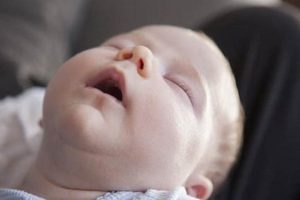
Infant vocalizations during sleep are a common occurrence. These sounds can range from whimpers and sighs to more pronounced cries, often causing concern for caregivers. It is essential to understand the various reasons behind these nighttime vocalizations to differentiate between normal sleep behavior and potential issues.
Understanding the nuances of infant sleep cycles and the reasons for nocturnal cries offers significant benefits. It can alleviate parental anxiety, prevent unnecessary interventions that disrupt the infant’s sleep, and allow for timely identification of potential medical or developmental problems. Historically, such noises were often misinterpreted, leading to ineffective or even harmful practices.
The following sections will explore the reasons behind these sounds, differentiate normal sleep behaviors from potential problems, discuss strategies for responding to infant sleep cries, and provide guidance on when professional medical advice is warranted.
Guidance Regarding Infant Sleep Vocalizations
The following tips offer practical guidance for understanding and responding appropriately to infant vocalizations during sleep.
Tip 1: Observe Before Reacting: Before immediately intervening, allow a brief period of observation. Many infant sleep sounds are transient and self-soothing; immediate intervention can disrupt this natural process.
Tip 2: Differentiate Cries: Learn to distinguish between different types of infant cries. Hunger cries, pain cries, and cries of discomfort sound distinct and require different responses.
Tip 3: Evaluate the Sleep Environment: Ensure the sleep environment is conducive to restful sleep. The room temperature should be appropriate, and excessive noise or light should be minimized.
Tip 4: Rule Out Discomfort: Check for common sources of discomfort. These may include a soiled diaper, clothing that is too tight, or environmental factors, such as being too hot or cold.
Tip 5: Maintain a Consistent Sleep Schedule: A regular sleep schedule can promote more restful sleep and reduce nighttime disturbances. Adhere to a consistent bedtime and wake-up time, even on weekends.
Tip 6: Consider Daytime Naps: Adequate daytime naps can contribute to better nighttime sleep. However, avoid allowing infants to nap too close to bedtime, as this can interfere with their ability to fall asleep at night.
Tip 7: Review Feeding Patterns: Evaluate the infant’s feeding patterns. Ensure the infant is adequately fed during the day, but avoid overfeeding immediately before bedtime.
Understanding the root causes of sleep vocalizations and implementing proactive strategies can significantly improve the quality of infant sleep and reduce parental anxiety.
The subsequent section will address scenarios where professional medical advice should be sought regarding infant sleep disturbances.
1. Developmental Stage

An infant’s developmental stage is intrinsically linked to their sleep patterns and the manifestation of vocalizations during sleep. As the infant matures, sleep architecture undergoes significant changes, influencing the frequency and intensity of sleep cries. Neonates, for example, experience shorter sleep cycles and spend a greater proportion of time in active sleep, during which vocalizations are more common. This contrasts with older infants whose sleep cycles lengthen and who exhibit more consolidated sleep periods. Consequently, the expectation for nighttime crying should adjust relative to the infant’s age and neurological maturation.
Consider the example of a three-month-old infant compared to a newborn. The three-month-old is likely to have developed a more established circadian rhythm and exhibit longer stretches of nighttime sleep. If that infant is crying during sleep, it may be indicative of discomfort, hunger, or a developing sleep association that requires attention. Conversely, occasional whimpering or brief crying spells in a newborn are often considered normal variations associated with the immaturity of their sleep regulatory mechanisms. These behaviors frequently resolve spontaneously as the infant progresses through early development.
In conclusion, recognizing the developmental stage is crucial in evaluating the normalcy of an infant’s sleep vocalizations. While occasional crying is generally acceptable, persistent or excessive crying, particularly in older infants, warrants further investigation to rule out underlying issues. Understanding this developmental context enables caregivers to provide appropriate support and address potential problems effectively, promoting improved sleep outcomes for the infant.
2. Sleep Cycles

Infant sleep cycles are a key determinant in understanding the normalcy of vocalizations during sleep. These cycles differ significantly from adult sleep cycles, which impacts how and why infants may cry or make noises during sleep.
- Shorter Cycle Length
Infant sleep cycles are considerably shorter than adult cycles, typically lasting 50-60 minutes compared to the 90-120 minutes of an adult. This brevity means infants transition more frequently between sleep stages, including light sleep. It is during these transitions that vocalizations, including crying, are more likely to occur as the infant briefly arouses.
- Higher Proportion of Active Sleep
Infants spend a larger percentage of their sleep time in active sleep (similar to REM sleep in adults). Active sleep is characterized by increased brain activity, body movements, and irregular breathing. These physiological changes can manifest as vocalizations, including whimpers and cries, even if the infant remains asleep.
- Sleep Stage Transitions
The transitions between different sleep stages are often accompanied by brief awakenings or arousals. Infants may cry or fuss during these transitions as they adjust to the changing sleep state. These transitional cries are generally brief and do not necessarily indicate distress or a need for intervention.
- Immature Sleep Regulation
Infants’ sleep regulation mechanisms are still developing. They may struggle to smoothly transition between sleep cycles or to self-soothe back to sleep after a partial arousal. This immaturity can lead to crying as the infant attempts to regulate their sleep state.
In conclusion, an understanding of infant sleep cycles provides crucial context for evaluating the appropriateness of sleep vocalizations. The shorter cycle length, increased active sleep, frequent transitions, and immature sleep regulation all contribute to a higher likelihood of crying during sleep. Therefore, occasional crying during sleep is often a normal manifestation of these developmental factors and does not necessarily indicate a problem.
3. Hunger cues

Hunger cues represent a primary stimulus for infant crying, extending to vocalizations occurring during sleep. While asleep, an infant experiencing hunger may initially exhibit subtle cues such as stirring, mouthing motions, or increased activity. If these early cues are not addressed, the infant’s discomfort intensifies, often culminating in crying. This crying, though occurring during sleep, directly correlates to the physiological need for sustenance. Ignoring these subtle cues can lead to escalated crying and potential sleep disruption for both the infant and caregiver. For example, an infant experiencing a growth spurt may require more frequent nighttime feedings. Failure to recognize and respond to early hunger cues can result in the infant waking fully and crying intensely, thus disrupting the sleep cycle.
The significance of differentiating hunger-related sleep cries from other types, such as those associated with discomfort or developmental progression, is paramount. Establishing feeding patterns based on demand, rather than strict scheduling, can help prevent hunger-induced sleep disturbances. This approach necessitates careful observation of the infant’s behavior. If an infant consistently cries during sleep around the same time each night and quiets after feeding, hunger is a likely cause. However, if feeding does not alleviate the crying, alternative causes should be considered. Additionally, some infants exhibit “cluster feeding” behaviors, which may extend into the night, requiring more frequent feeding episodes during those hours.
Understanding the connection between hunger cues and sleep crying is essential for providing responsive care. By recognizing and addressing early hunger cues, caregivers can minimize sleep disruptions and support the infant’s nutritional needs. This proactive approach contributes to more restful sleep, reduced stress for both infant and caregiver, and the establishment of healthy feeding patterns. A nuanced understanding of hunger cues is critical for discerning whether sleep crying is a normal manifestation of physiological needs or indicative of other underlying problems, facilitating informed decision-making regarding infant care practices.
4. Environmental factors

Environmental factors exert significant influence on infant sleep patterns, potentially triggering vocalizations during sleep. These external conditions impact comfort levels, sensory stimulation, and overall sleep quality, subsequently affecting the likelihood of crying during sleep.
- Room Temperature
The ambient temperature of the sleep environment directly affects an infant’s comfort. Overheating or being too cold can disrupt sleep and induce crying. Infants lack the ability to regulate their body temperature efficiently, making them particularly susceptible to external temperature fluctuations. Maintaining a consistent and moderate temperature is crucial for minimizing sleep disturbances linked to thermal discomfort.
- Noise Levels
Excessive noise can easily startle infants, disrupting their sleep cycles and prompting them to cry. Sensitivity to auditory stimuli is heightened during lighter sleep stages. Loud noises, sudden sounds, or persistent background noise can prevent the infant from achieving deep sleep, leading to restlessness and crying episodes. A quiet and calming environment fosters more stable sleep patterns.
- Lighting Conditions
Exposure to light, even during sleep, can interfere with an infant’s circadian rhythm and melatonin production. Light exposure signals wakefulness, potentially disrupting sleep and prompting crying. A dark room, or the use of blackout curtains, supports natural sleep-wake cycles and reduces the likelihood of sleep disturbances caused by external light.
- Air Quality
Poor air quality, including the presence of allergens, pollutants, or irritants, can affect an infant’s respiratory health and sleep comfort. Air contaminants can trigger coughing, sneezing, or nasal congestion, which disrupts sleep and leads to crying. Maintaining clean and well-ventilated air within the sleep environment is essential for minimizing respiratory-related sleep disturbances.
Environmental factors represent modifiable aspects that can significantly impact an infant’s sleep. Optimizing the sleep environment by controlling temperature, noise, lighting, and air quality may reduce the frequency of sleep vocalizations, promoting more restful and sustained sleep patterns.
5. Underlying medical conditions

Underlying medical conditions frequently manifest as sleep disturbances in infants, thereby influencing the normalcy of crying during sleep. Conditions such as gastroesophageal reflux (GERD), colic, food allergies, and respiratory infections can cause discomfort or pain, leading to increased crying episodes, even during sleep. Gastroesophageal reflux, for example, causes stomach acid to flow back into the esophagus, resulting in irritation and pain that disrupts sleep patterns. Similarly, colic, characterized by inconsolable crying for extended periods, often occurs at night, disrupting both infant and parental sleep. The presence of an undiagnosed food allergy can lead to gastrointestinal distress, triggering crying and wakefulness. Respiratory infections like bronchiolitis or pneumonia can also cause breathing difficulties and discomfort, disrupting sleep and prompting vocalizations.
Differentiating between normal infant sleep vocalizations and those stemming from medical causes is crucial for appropriate intervention. Persistent, high-pitched, or inconsolable crying during sleep, particularly if accompanied by other symptoms like poor weight gain, frequent vomiting, or respiratory distress, should prompt medical evaluation. Early identification and management of these underlying conditions can improve infant comfort, reduce sleep disturbances, and positively impact overall health. For instance, infants with GERD may benefit from feeding modifications, medication, or positional therapy to minimize reflux episodes. Food allergies require identification and elimination of offending allergens from the infant’s diet or the breastfeeding mother’s diet.
The connection between underlying medical conditions and sleep crying highlights the importance of a comprehensive assessment of infant health. While occasional crying during sleep may be considered normal, persistent or unusual crying patterns warrant thorough investigation to rule out underlying medical causes. Addressing these conditions can improve infant comfort, promote better sleep, and reduce parental anxiety. Understanding this relationship enables healthcare providers and caregivers to provide timely and effective interventions, enhancing the overall well-being of the infant.
Frequently Asked Questions About Infant Sleep Cries
The following questions and answers address common concerns regarding infant crying during sleep, providing factual information to aid understanding and decision-making.
Question 1: Is occasional crying during infant sleep a cause for immediate concern?
Occasional crying spells during infant sleep do not necessarily warrant immediate concern. Short sleep cycles and active sleep phases may cause brief vocalizations. However, it is essential to monitor the frequency, duration, and intensity of the crying.
Question 2: What differentiates normal sleep crying from problematic crying?
Normal sleep crying tends to be infrequent, short in duration, and easily soothed. Problematic crying is characterized by persistence, high pitch, inconsolability, or association with other symptoms, such as fever or poor feeding.
Question 3: How should caregivers respond to infant sleep crying?
A period of observation is generally recommended before intervention. Immediate intervention may disrupt the infant’s natural sleep cycle. If the crying persists or escalates, caregivers should check for discomfort, hunger, or other potential causes.
Question 4: Can environmental factors contribute to infant sleep crying?
Environmental factors, such as room temperature, noise levels, and light exposure, can significantly impact infant sleep. Maintaining a consistent and conducive sleep environment is essential to minimize sleep disturbances.
Question 5: At what point should medical advice be sought for infant sleep crying?
Medical advice is warranted if the crying is persistent, excessive, or accompanied by concerning symptoms, such as difficulty breathing, poor weight gain, or signs of illness. Healthcare professionals can evaluate for underlying medical conditions.
Question 6: Are there any techniques to minimize infant sleep crying?
Establishing a consistent sleep routine, ensuring adequate daytime naps, and addressing potential discomforts, such as hunger or soiled diapers, may help minimize sleep crying. Creating a calming bedtime routine can also be beneficial.
In summary, while some infant sleep crying is normal, careful observation and a proactive approach to addressing potential causes can promote more restful sleep. Consulting with a healthcare professional is advisable when concerns arise.
The subsequent section will address strategies for managing infant sleep vocalizations effectively.
The Nuances of Infant Sleep Vocalizations
This exploration of “is it normal for babies to cry in their sleep” reveals that such occurrences are not always cause for alarm. Multiple factors, including developmental stage, sleep cycles, hunger cues, environmental conditions, and underlying medical issues, influence these nocturnal vocalizations. Distinguishing normal variations from potential problems requires careful observation and assessment.
Understanding these complexities enables caregivers and healthcare professionals to provide appropriate support and interventions. Prioritizing a proactive approach, incorporating environmental modifications, and seeking timely medical evaluation when warranted can enhance infant well-being and reduce parental anxiety. Continued research and education in infant sleep physiology are essential for refining care strategies and promoting optimal developmental outcomes.