A resource that provides guidance on selecting appropriate garments for infants during sleep, tailored to ambient temperature ranges, enables caregivers to make informed decisions about a baby’s sleepwear. Such a guide typically correlates room temperature with suggested clothing options, ranging from lightweight onesies to heavier sleep sacks or wearable blankets, ensuring optimal thermal comfort. Examples include detailed tables or diagrams indicating suitable clothing combinations for various temperature bands, such as suggesting a cotton sleep sack for temperatures between 68-72F.
Proper sleepwear is vital for infant safety and comfort, mitigating risks associated with overheating or chilling, which can disrupt sleep and potentially contribute to health concerns. Historically, recommendations regarding infant sleepwear have evolved, moving away from loose bedding to more secure and temperature-appropriate clothing options. This shift reflects an increased understanding of safe sleep practices and a desire to minimize Sudden Infant Death Syndrome (SIDS) risks by avoiding excessive bundling and potential suffocation hazards.
The following sections will delve into specific garment types, temperature guidelines, safety considerations, and factors influencing the selection of infant sleep apparel, providing a detailed examination of the elements that contribute to establishing a secure and comfortable sleep environment for infants.
Guidance on Infant Sleepwear Selection
The following recommendations aim to provide clear direction in selecting suitable sleep apparel for infants, promoting both safety and comfortable rest.
Tip 1: Ambient Temperature Assessment: Prioritize determining the room temperature where the infant sleeps. This measurement serves as the foundation for choosing appropriate clothing. Utilize a reliable thermometer placed near the crib or sleeping area.
Tip 2: Layering Strategy: Implement layering as a means to adjust for temperature fluctuations. Begin with a single, breathable layer such as a cotton onesie. Add a sleep sack or wearable blanket as needed, avoiding overly bulky garments.
Tip 3: Fabric Selection: Opt for natural, breathable fabrics like cotton, muslin, or merino wool. These materials facilitate air circulation and reduce the risk of overheating. Avoid synthetic fabrics that may trap moisture and impede temperature regulation.
Tip 4: Weight of Sleep Sack/Wearable Blanket: Consider the TOG (Thermal Overall Grade) rating of sleep sacks or wearable blankets. A lower TOG rating is suitable for warmer temperatures, while a higher TOG rating is appropriate for cooler environments. Refer to manufacturer guidelines for specific temperature recommendations.
Tip 5: Overheating Prevention: Monitor the infant for signs of overheating, such as flushed skin, rapid breathing, or sweating. If these symptoms are present, remove a layer of clothing immediately and reassess the room temperature.
Tip 6: Secure Fit: Ensure that any sleep sack or wearable blanket fits snugly around the infant’s chest and arms to prevent the garment from riding up and obstructing the face. Adhere to the manufacturer’s sizing guidelines.
Tip 7: Avoid Loose Bedding: Refrain from using loose blankets, pillows, or bumpers in the crib. These items pose a suffocation risk and are not recommended for infant sleep environments. The sleep garment should be the primary source of warmth.
By adhering to these guidelines, caregivers can create a safer and more comfortable sleep environment, mitigating risks associated with inappropriate infant sleepwear.
The subsequent discussion will explore the role of various factors in determining the optimal sleepwear choices for infants, reinforcing the importance of informed decision-making.
1. Temperature Guidelines

Temperature guidelines constitute a fundamental component of any resource designed to assist caregivers in selecting appropriate infant sleepwear. The direct correlation between ambient temperature and suitable clothing is a primary driver in mitigating risks associated with overheating or chilling. These guidelines, often presented within the referenced resource, provide a framework for informed decision-making, enabling caregivers to adjust infant sleepwear according to the environment.
An example illustrates this connection: a resource may stipulate that for a room temperature of 70-74 degrees Fahrenheit, a lightweight cotton onesie or a 0.5 TOG sleep sack is appropriate. Conversely, for temperatures below 68 degrees Fahrenheit, a long-sleeved cotton pajama set paired with a 1.0 or 2.5 TOG sleep sack might be recommended. The absence of such guidelines renders the selection process arbitrary, potentially compromising infant safety and comfort. This understanding directly impacts practical applications, enabling parents to proactively adjust sleepwear as seasonal temperatures fluctuate, thus preventing discomfort and potential health consequences.
In summary, temperature guidelines are indispensable to this decision-making process. Challenges in implementing these guidelines include accurately measuring room temperature and interpreting manufacturer recommendations regarding TOG ratings. Nonetheless, a comprehensive understanding of these guidelines, and diligent application, contributes significantly to ensuring a secure and comfortable sleep environment for infants, aligning with the broader goal of promoting infant well-being.
2. Garment types

Understanding the available options and their suitability for various environmental conditions is crucial in effectively utilizing a resource designed to guide infant sleepwear selection. The diversity of garments available necessitates a careful assessment to ensure optimal comfort and safety, aligning with recommended practices.
- Onesies
Onesies, typically made of cotton or other breathable materials, serve as a base layer. Their primary function is to provide a light covering, suitable for warmer temperatures or as an underlayer in cooler environments. Example: A short-sleeved cotton onesie may be appropriate for a room temperature of 75 degrees Fahrenheit. The implication is to ensure the material is breathable to prevent overheating.
- Sleep Sacks/Wearable Blankets
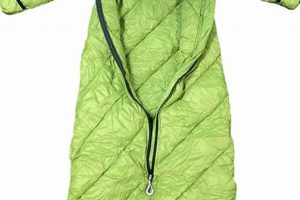
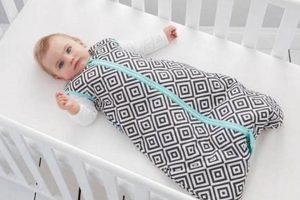
Sleep sacks or wearable blankets replace loose blankets in the crib, reducing the risk of suffocation. These garments come in varying TOG ratings, indicating their thermal resistance. Example: A 2.5 TOG sleep sack is designed for colder rooms, providing substantial warmth. The implication is selecting the correct TOG rating is crucial to maintaining a safe temperature range.
- Pajamas (Two-Piece Sets)
Pajama sets, typically consisting of a top and bottoms, are appropriate for older infants who have outgrown sleep sacks. The material and thickness should correspond to the room temperature. Example: A fleece pajama set is suitable for cooler environments. The implication is monitoring the infant for signs of overheating with heavier materials.
- Swaddles
Swaddles are designed to restrict an infant’s arm movements, preventing the startle reflex from disrupting sleep. They are typically used for newborns and younger infants. Example: A muslin swaddle is breathable and suitable for warmer temperatures. The implication is ensuring the swaddle is not too tight to allow for hip movement and prevent hip dysplasia.
The selection of appropriate garments directly influences the effectiveness of any temperature guideline. By carefully considering the characteristics of each garment type and matching it to the ambient temperature, caregivers can create a safer and more comfortable sleep environment for infants, thereby promoting optimal sleep and well-being. This informed approach is crucial in leveraging available guidance.
3. TOG ratings

Thermal Overall Grade (TOG) ratings provide a standardized measure of a garment’s thermal resistance, directly influencing sleepwear decisions. This metric is prominently featured to quantify the insulation provided by items such as sleep sacks and wearable blankets, enabling caregivers to select appropriate garments based on ambient temperature.
- Definition and Measurement
TOG ratings quantify thermal insulation; a higher TOG value indicates greater warmth. Measurements are conducted in controlled laboratory settings, simulating sleeping conditions. For instance, a sleep sack with a 2.5 TOG rating offers significant insulation, suitable for colder rooms. The application of this facet ensures informed selection, reducing the risk of overheating or chilling.
- Relevance to Temperature Guidelines
The recommended TOG rating aligns with specific temperature ranges outlined in the chart. Caregivers consult the resource to determine the ideal TOG value for the room temperature, facilitating appropriate garment choice. For example, a chart may advise a 1.0 TOG sleep sack for rooms between 68 and 72 degrees Fahrenheit. This integration minimizes guesswork and promotes safer sleep practices.
- Influence on Garment Selection
TOG ratings are a primary consideration when selecting sleepwear. Various garment types, such as sleep sacks and wearable blankets, are available in different TOG values. A lighter TOG rating is appropriate for warmer conditions. A 0.5 TOG sleep sack may be used. These are often made from muslin, whereas a higher TOG rating is reserved for colder environments. Selection based on this rating helps maintain a comfortable sleeping temperature.
- Safety Implications
Incorrect TOG rating use can compromise infant safety. Overly warm sleepwear can elevate the risk of overheating, while insufficient insulation can lead to chilling. A resource emphasizes the importance of selecting the appropriate TOG value. This promotes safe practices. Proper utilization minimizes these risks, contributing to a secure sleep environment.
The interplay between TOG ratings and temperature guidelines promotes informed decision-making. This is ultimately geared to safeguarding infant thermal comfort. Accurate interpretation of these ratings, combined with consistent room temperature monitoring, is essential for utilizing such a guide effectively.
4. Fabric breathability

Fabric breathability is a critical consideration when utilizing any resource designed to guide infant sleepwear selection. It directly impacts the regulation of an infants body temperature, contributing to safe and comfortable sleep conditions. The material’s ability to allow air and moisture to pass through it mitigates the risk of overheating, a significant concern in infant care.
- Role in Temperature Regulation
Breathable fabrics facilitate the evaporation of perspiration, thereby preventing the buildup of excess heat. Materials like cotton, muslin, and merino wool promote air circulation, allowing the infants body to maintain a stable temperature. For example, a muslin sleep sack allows air to circulate around the baby’s body, reducing the likelihood of overheating. This ensures the sleepwear does not trap heat, potentially causing discomfort or health risks.
- Impact on Overheating Prevention
Overheating has been linked to an increased risk of Sudden Infant Death Syndrome (SIDS). The choice of breathable fabrics directly mitigates this risk. Tight-fitting synthetic materials impede air flow, trapping heat and moisture. A recommendation of cotton over polyester, when presented within the resource, underscores the importance of selecting fabrics that allow the skin to breathe. This reduces the potential for thermal stress and associated complications.
- Garment Construction and Design
The design of the garment, alongside the fabric choice, influences breathability. Loose-fitting garments promote better air circulation compared to tightly fitted ones. Additionally, features such as mesh panels or open-weave designs enhance ventilation. For example, a sleep sack with mesh side panels allows for increased airflow. The construction and materials complement each other to enhance overall comfort and safety.
- Material Composition and Properties
Natural fibers, such as cotton and bamboo, generally offer superior breathability compared to synthetic alternatives. The inherent properties of these materials allow moisture to be wicked away from the skin, preventing dampness and discomfort. For instance, bamboo fabric is known for its moisture-wicking properties, making it suitable for warmer climates. This characteristic contributes to a more comfortable and safe sleep environment for the infant.
The interplay between fabric breathability and garment design, as informed, ensures caregivers can make informed decisions. A selection of proper sleepwear, aligned with the environment, is paramount. Ultimately, understanding and prioritizing breathability contributes to a safe and comfortable sleep environment.
5. Sizing specifics

The accuracy of information provided within any resource intended as a guide for selecting infant sleepwear is contingent upon the correct application of size specifications. Garment dimensions must correspond to the infant’s measurements to ensure safety and comfort, thereby optimizing the utility of such a resource.
- Weight and Height Correlation
Garment sizing typically correlates with an infant’s weight and height, providing a benchmark for selection. Manufacturers provide sizing charts that map these parameters to specific garment dimensions. For example, a sleep sack labeled “0-6 months” may correspond to infants weighing between 8-16 pounds and measuring up to 26 inches in length. Adhering to these correlations ensures the garment fits appropriately, preventing hazards associated with garments that are either too large or too small.
- Torso Length Consideration
Torso length, the measurement from the shoulder to the crotch, is a critical factor, particularly for sleep sacks and wearable blankets. An inadequately sized torso length can restrict movement or create a risk of the garment riding up and obstructing the infant’s face. Example: If an infant’s torso length exceeds the maximum specified for a given size, the next size up is necessary. This consideration directly influences safety and comfort during sleep.
- Arm and Neck Openings
The size of arm and neck openings is paramount in preventing entanglement or suffocation. Openings that are too large may allow the infant to slip down into the garment, while openings that are too small can restrict movement and cause discomfort. Regulations dictate that neck openings must adhere to specific dimensions to mitigate these risks. Compliance with these standards is essential for ensuring the safety of infant sleepwear.
- Footed vs. Footless Designs
The choice between footed and footless designs influences sizing considerations, particularly in relation to leg length. Footed designs must accommodate the infant’s foot length without constricting movement, while footless designs require consideration of sock sizing to maintain warmth. Discrepancies between foot and leg dimensions can lead to discomfort or restricted circulation. Therefore, garment selection must account for these variations to optimize comfort and promote healthy development.
The aforementioned sizing specifications are integral to leveraging the guidance provided in an infant sleepwear chart. Correct application of these metrics ensures that garment selection aligns with the infant’s physical dimensions, thereby maximizing safety and promoting comfortable sleep. A failure to adhere to these specifics undermines the efficacy of the chart and potentially compromises the infant’s well-being.
6. Safety standards

Safety standards are integral to resources that guide infant sleepwear selection, because clothing directly impacts infant well-being. Regulations and guidelines pertaining to flammability, strangulation hazards, and chemical content govern the design and manufacture of infant sleep apparel. A failure to adhere to these standards can result in serious harm, underscoring the importance of compliance. A resource that lacks clear guidance on safety standards is inherently deficient.
Consider the Flammable Fabrics Act in the United States, which sets flammability standards for clothing textiles. Infant sleepwear must either be inherently flame-resistant or treated with flame-retardant chemicals. A resource outlining sleepwear recommendations should highlight this requirement, ensuring that caregivers select garments that meet this critical safety benchmark. Similarly, standards addressing potential strangulation hazards, such as drawstrings or loose ribbons, are paramount. A practical application involves carefully inspecting garments for these features before use, as directed by safety guidelines provided. These resources can help promote safe practices.
In conclusion, the relationship between safety standards and a infant sleepwear guide is causal; adherence to standards mitigates risk, while non-compliance elevates it. Integrating explicit safety information is essential for promoting informed decision-making and safeguarding infant health. Challenges remain in ensuring consistent enforcement of these standards globally, yet prioritizing safety at every stage of the selection and use process is non-negotiable for fostering a secure sleep environment. A comprehensive understanding and implementation of these practices is central. These steps allow caregivers to optimize health and well-being.
Frequently Asked Questions about Infant Sleepwear Guidelines
This section addresses common inquiries regarding the selection and usage of infant sleepwear, providing clarity on best practices and safety considerations.
Question 1: How should caregivers interpret varying temperature recommendations across different guides?
Discrepancies in temperature recommendations may arise due to differing methodologies or assumptions regarding ideal sleeping conditions. It is advisable to consult multiple sources and consider the infant’s individual needs and physiological responses when making decisions. Closely monitoring the infant for signs of overheating or chilling remains paramount.
Question 2: What precautions should be taken when using sleep sacks or wearable blankets for infants with hip dysplasia?
Infants with hip dysplasia require ample room for leg movement to facilitate proper hip joint development. Ensure that the sleep sack or wearable blanket allows for unrestricted hip flexion and abduction. Consult a pediatrician or orthopedic specialist for specific recommendations tailored to the infant’s condition.
Question 3: How frequently should infant sleepwear be washed, and what detergents are recommended?
Infant sleepwear should be washed regularly, ideally after each use, to maintain hygiene and prevent skin irritation. Utilize mild, fragrance-free detergents specifically formulated for sensitive skin. Avoid the use of fabric softeners or dryer sheets, as these can reduce the fabric’s breathability and potentially irritate the infant’s skin.
Question 4: What are the implications of using weighted sleep sacks or blankets for infants?
The use of weighted sleep sacks or blankets for infants remains a topic of ongoing debate and warrants caution. While proponents suggest potential benefits in promoting sleep, concerns exist regarding potential respiratory compromise and overheating. It is crucial to consult a pediatrician before using weighted sleepwear, particularly for infants with underlying medical conditions.
Question 5: How should parents adjust infant sleepwear for seasonal temperature variations?
Seasonal temperature variations necessitate adjustments to infant sleepwear. During warmer months, lightweight, breathable fabrics such as cotton or muslin are recommended. During cooler months, layering may be employed, utilizing garments with higher TOG ratings or incorporating additional layers as needed. Consistent monitoring of the infant’s temperature remains essential.
Question 6: What measures should caregivers take to ensure that infant sleepwear is free from harmful chemicals?
Caregivers should prioritize the selection of infant sleepwear made from certified organic or OEKO-TEX Standard 100 certified materials. These certifications indicate that the garments have been tested for harmful substances and meet stringent safety criteria. Additionally, washing new sleepwear before initial use can help remove residual chemicals.
The preceding answers aim to provide practical guidance on addressing common concerns related to infant sleepwear, emphasizing the importance of safety, comfort, and informed decision-making.
The subsequent section will provide a conclusive summary of key considerations and best practices.
Conclusion
The preceding discussion has explored the critical elements informing the selection of infant sleepwear, emphasizing the interplay of temperature guidelines, garment types, TOG ratings, fabric breathability, sizing specifics, and adherence to safety standards. These components, when correctly understood and applied, contribute to a secure and comfortable sleep environment for infants, mitigating risks associated with overheating, chilling, and potential suffocation hazards. A resource such as baby sleep clothes chart acts as a framework for informed decision-making, guiding caregivers in navigating the complexities of infant sleepwear choices.
Given the direct correlation between appropriate sleepwear and infant well-being, consistent application of these guidelines is paramount. Ongoing vigilance in monitoring room temperature, garment fit, and infant physiological responses remains essential. Continual research and refinement of safety standards will likely shape future recommendations, underscoring the need for continued education and proactive adoption of best practices to safeguard infant health. The informed selection and utilization of infant sleepwear contribute significantly to promoting a safer and healthier start in life.