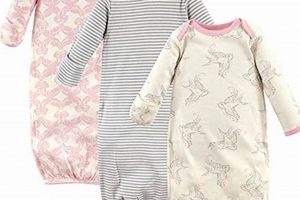
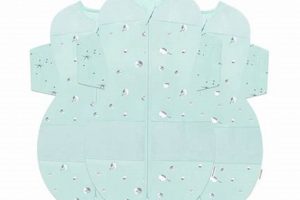
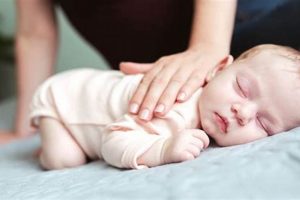
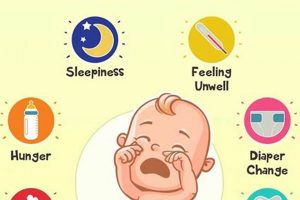
The process of helping an infant fall asleep independently, foregoing the use of a pacifier, necessitates the implementation of consistent sleep routines and alternative comfort measures. This may involve techniques such as gentle rocking, the introduction of soothing sounds, or the creation of a calming sleep environment. For instance, a consistent bedtime ritual followed by white noise and a swaddle can promote sleep onset.
Facilitating infant self-soothing abilities offers benefits that extend beyond immediate convenience. It supports the development of independent sleep habits, potentially leading to fewer nighttime awakenings and improved sleep quality for both the infant and caregivers. Historically, pacifiers have been used for comfort, but an increasing emphasis on fostering natural sleep patterns encourages exploration of alternatives.
The following sections detail specific strategies and techniques designed to assist parents and caregivers in establishing successful sleep routines, addressing common challenges, and ultimately achieving independent sleep for the infant without reliance on a pacifier.
Strategies for Independent Infant Sleep
The following tips provide guidance on cultivating independent sleep habits in infants, minimizing reliance on pacifiers. Consistency and patience are paramount for successful implementation.
Tip 1: Establish a Consistent Bedtime Routine. A predictable sequence of events signals the onset of sleep. This might include a bath, gentle massage, reading a story, and singing a lullaby, performed in the same order each night.
Tip 2: Create a Conducive Sleep Environment. The infant’s sleep space should be dark, quiet, and cool. Blackout curtains, a white noise machine, and maintaining a room temperature between 68-72F can promote sleep.
Tip 3: Put the Infant Down Drowsy, But Awake. This encourages the infant to self-soothe and fall asleep independently. Observe the infant for signs of drowsiness, such as eye rubbing or yawning, before placing them in the crib.
Tip 4: Implement a Gradual Withdrawal Approach. If the infant is accustomed to a pacifier, gradually reduce its use. For example, remove the pacifier once the infant is asleep or limit its use to only bedtime.
Tip 5: Offer Alternative Comfort Measures. Provide alternative sources of comfort, such as a soft, safe blanket (once the infant is old enough), a lovey, or gentle rocking.
Tip 6: Respond to Cries with a Gradual Approach. If the infant cries, delay immediate intervention. Start with verbal reassurance and gradually increase physical contact if needed. Avoid immediately offering the pacifier.
Tip 7: Be Patient and Consistent. Establishing independent sleep habits takes time and consistency. Maintain the established routine and approach, even when encountering challenges.
Implementing these strategies can foster self-soothing abilities in infants, leading to improved sleep quality and reduced dependence on external aids such as pacifiers.
The subsequent section addresses common challenges encountered during this transition and provides guidance on troubleshooting potential setbacks.
1. Routine

The establishment of a consistent bedtime routine is pivotal in facilitating independent infant sleep, minimizing reliance on pacifiers. A predictable sequence of events prepares the infant both physically and psychologically for sleep, promoting self-soothing and reducing anxiety.
- Circadian Rhythm Regulation
A regular routine aligns the infant’s internal clock with the external environment, promoting the natural release of melatonin and cortisol. For example, consistent wake-up and bedtime hours, coupled with regular exposure to daylight during the day, help regulate the sleep-wake cycle, making it easier for the infant to fall asleep without external aids.
- Association Development
A predictable routine creates positive sleep associations. The repetition of calming activities, such as a warm bath, a gentle massage, and reading a story, signals to the infant that sleep is approaching. This allows the infant to anticipate sleep and prepare for it, reducing resistance and the need for a pacifier.
- Reduced Anxiety and Stress
A consistent routine provides a sense of security and predictability, reducing anxiety and stress levels. Infants thrive on predictability, and knowing what to expect reduces their need for external comfort measures like a pacifier. The routine becomes a source of comfort in itself.
- Caregiver Consistency
A well-defined routine enables caregivers to maintain consistent sleep practices, regardless of who is putting the infant to bed. This uniformity is crucial for reinforcing positive sleep associations and promoting independent sleep. It reduces confusion and inconsistent approaches, ensuring that the infant consistently associates the routine with sleep.
The facets of circadian rhythm regulation, association development, reduced anxiety, and caregiver consistency underscore the importance of routine. A well-structured and consistently implemented bedtime routine forms the foundation for facilitating infant self-soothing and achieving independent sleep, reducing the reliance on pacifiers and promoting healthy sleep habits.
2. Environment

The sleep environment plays a critical role in promoting independent sleep in infants, particularly when seeking to reduce or eliminate pacifier use. A carefully curated sleep space minimizes external stimuli, fostering a sense of calm and security conducive to self-soothing. Cause-and-effect relationships are evident; for instance, excessive light or noise can disrupt sleep cycles, increasing reliance on a pacifier for comfort, while a dark, quiet room encourages natural sleep onset.
Specific elements of the environment warrant careful consideration. Temperature is a significant factor. A room that is too warm or too cold can disrupt sleep, necessitating the use of a pacifier for regulation. Research suggests an optimal temperature range of 68-72F (20-22C) to facilitate comfortable sleep. Noise levels also influence sleep. White noise, such as a fan or sound machine, can mask disruptive sounds and create a consistent auditory backdrop, promoting relaxation and reducing the need for external soothing mechanisms. Light, similarly, is a powerful regulator of the circadian rhythm. Blackout curtains can minimize light exposure, especially during daytime naps, creating an environment more conducive to sleep. The physical setup of the crib, including a firm mattress and absence of loose bedding, adheres to safety guidelines and minimizes potential distractions.
In summary, the sleep environment’s influence on infant sleep is substantial. A deliberately designed space, characterized by appropriate temperature, controlled noise levels, and minimal light, provides a foundation for independent sleep. While the pacifier may offer temporary comfort, optimizing the environment addresses the root causes of sleep disruption, encouraging self-soothing and promoting long-term, sustainable sleep habits.
3. Self-soothing

Self-soothing represents a fundamental skill enabling infants to independently regulate their emotions and physiological state, a critical component of achieving independent sleep. The ability to self-soothe effectively reduces reliance on external aids, such as pacifiers, for initiating and maintaining sleep. Cause-and-effect relationships are evident; an infant unable to calm independently is more likely to require a pacifier to settle, whereas an infant capable of self-soothing can transition into sleep without external intervention. For instance, an infant who habitually sucks on fingers or finds comfort in rhythmic movements demonstrates self-soothing capacities, minimizing the perceived need for a pacifier.
The promotion of self-soothing involves facilitating the infant’s innate abilities to find comfort. This can be achieved through creating a consistent and predictable sleep environment, allowing the infant opportunities to practice self-regulation. An example involves placing the drowsy but awake infant in the crib, providing them with an opportunity to fall asleep independently. Monitoring the infant’s cues and responding appropriately, without immediately resorting to intervention, allows the infant to develop internal coping mechanisms. When an infant stirs, delaying immediate assistance provides an opportunity for self-regulation, allowing the infant to potentially resettle without external aid. The development of self-soothing strategies often requires parental patience and a willingness to allow the infant to experience mild distress without immediate intervention.
In summary, self-soothing is inextricably linked to successful independent sleep. Encouraging this ability through a supportive environment and responsive, yet non-intrusive, parenting practices fosters the development of essential self-regulation skills. The challenges inherent in this process often involve parental anxiety regarding infant distress; however, understanding the long-term benefits of independent sleep and self-soothing can mitigate these concerns. The success of sleep-training methods are largely dependent on this ability.
4. Consistency

Consistency is a foundational element in establishing independent infant sleep habits, particularly when aiming to eliminate reliance on a pacifier. The implementation of predictable routines, environmental cues, and responses to infant cues establishes expectations and reinforces desired behaviors. A lack of consistency can lead to confusion and anxiety, increasing the likelihood of an infant seeking external comfort, such as a pacifier, to self-soothe. For example, if one caregiver always offers a pacifier at the first sign of fussiness while another caregiver utilizes alternative soothing techniques, the infant receives mixed signals, hindering the development of self-regulation skills.
The application of consistency extends beyond bedtime routines. It encompasses the responses to nighttime awakenings and nap schedules. A consistent response to nighttime crying, such as a brief period of observation followed by verbal reassurance and gentle physical contact if needed, teaches the infant that needs will be met without immediate intervention. Inconsistent responses, such as sometimes offering a pacifier and other times picking up the infant, can inadvertently reinforce crying behavior. Similarly, a consistent nap schedule, even on weekends, helps regulate the infant’s circadian rhythm, making it easier for the infant to fall asleep independently at bedtime and during naps. Consistent exposure to sleep cues, like a darkened room and white noise, further supports the association between these cues and sleep.
In summary, consistency acts as a cornerstone for success when aiming for independent infant sleep, minimizing the use of a pacifier. It fosters predictability, reduces anxiety, and supports the development of self-soothing skills. The challenges in maintaining consistency often arise from caregiver fatigue or the desire for immediate solutions. However, the long-term benefits of independent sleep for both the infant and caregivers outweigh the short-term difficulties, making consistency a vital investment in healthy sleep habits.
5. Alternatives

When aiming to facilitate independent infant sleep without relying on a pacifier, identifying and implementing suitable alternatives becomes paramount. These alternatives serve as substitutes for the comfort and soothing the pacifier traditionally provides, assisting the infant in self-regulating and transitioning into sleep.
- Swaddling
Swaddling involves wrapping the infant snugly in a blanket, restricting limb movement and mimicking the feeling of being held securely. This can reduce the startle reflex, promoting a sense of calm and encouraging sleep onset. For example, an infant experiencing frequent startle reflexes may benefit from swaddling, minimizing the need for a pacifier to suppress these involuntary movements. Proper swaddling technique ensures the infant’s hips can move freely to avoid hip dysplasia.
- White Noise
White noise generates a consistent, ambient sound that masks disruptive noises in the environment. This can create a more calming and predictable auditory landscape, facilitating relaxation and sleep. For instance, a household with older children or street noise may benefit from white noise to create a more conducive sleep environment for the infant, thereby reducing reliance on a pacifier to drown out external sounds. Sources of white noise range from fans to dedicated sound machines.
- Gentle Rocking or Patting
Rhythmic movements can have a soothing effect on infants, promoting relaxation and sleep. Gentle rocking in a caregiver’s arms or light patting on the back provides physical reassurance and can assist in transitioning the infant to sleep. This can be implemented before placing the infant in the crib, reducing the perceived need for a pacifier upon being laid down. The intensity and duration of rocking or patting should be gradually reduced as the infant becomes drowsy, encouraging independent sleep onset.
- Consistent Bedtime Routine
Establishing a predictable sequence of events leading up to bedtime can signal to the infant that sleep is approaching. This routine may include a bath, a gentle massage, reading a story, or singing a lullaby, performed in the same order each night. This predictable pattern reduces anxiety and resistance to sleep, minimizing the need for a pacifier to provide a sense of security. For example, an infant consistently experiencing a calming bedtime routine may develop positive sleep associations, making it easier to fall asleep without external aids.
These alternatives, when implemented consistently and appropriately, offer a range of options for promoting independent infant sleep without the use of a pacifier. The selection of specific alternatives should be tailored to the individual infant’s needs and preferences, with careful consideration given to safety and developmental appropriateness. Successfully integrating these alternatives into the infant’s sleep routine may require patience and experimentation.
6. Gradual weaning

Gradual weaning forms a cornerstone of effective strategies designed to achieve infant independent sleep, minimizing or eliminating pacifier dependence. The abrupt removal of a pacifier, particularly from an infant accustomed to its presence, can trigger significant distress, potentially disrupting established sleep patterns and increasing parental frustration. Gradual weaning, conversely, mitigates these negative consequences by allowing the infant to adjust incrementally to the absence of the pacifier, fostering self-soothing skills in the process. One example involves limiting pacifier use to only bedtime and naptime initially, then progressively reducing the duration of its availability during these times.
The process of gradual weaning necessitates a structured approach. It may involve removing the pacifier once the infant has fallen asleep, or limiting its availability to specific sleep periods. Another strategy is to weaken the association of the pacifier with sleep by introducing other comfort measures, such as a soft toy or a consistent bedtime routine. The introduction of these alternative comfort measures while simultaneously reducing pacifier access supports the infant’s development of self-soothing mechanisms. For instance, implementing a warm bath, followed by a bedtime story, and then placing the infant in the crib drowsy but awake, encourages the infant to fall asleep independently without the pacifier as a crutch. Successful execution demands attentive observation of the infant’s cues and flexible adaptation of the weaning schedule to match individual needs.
In conclusion, gradual weaning represents a strategic and humane approach to achieving infant independent sleep without reliance on a pacifier. It minimizes distress, promotes self-soothing, and facilitates a smooth transition to pacifier-free sleep. The absence of a rigid timeline, and the emphasis on attentive observation and responsive adaptation, distinguishes it from more abrupt methods and contributes to its higher likelihood of success. Its application underscores the long-term benefits of cultivating independent sleep habits over the temporary convenience of immediate pacifier-induced sleep.
7. Parental patience
Parental patience is an indispensable component in the process of facilitating independent infant sleep, particularly when the aim is to eliminate pacifier dependence. The strategies and techniques involved in this transition often require time and consistent application before yielding noticeable results. The infant’s adjustment to new sleep routines and self-soothing methods may not be immediate or linear, and setbacks are common. A lack of parental patience can lead to inconsistent implementation of strategies, premature abandonment of the process, or the reintroduction of the pacifier as a quick and convenient solution. For instance, if a parent becomes frustrated after a few nights of disrupted sleep, they might revert to offering the pacifier, undermining the progress made and reinforcing the infant’s reliance on it. Conversely, sustained parental patience fosters a supportive and consistent environment, allowing the infant to adapt gradually and develop self-soothing skills.
The practical significance of parental patience extends beyond mere tolerance of disrupted sleep. It influences the caregiver’s demeanor and interaction with the infant during periods of distress. An impatient parent may exhibit anxiety or frustration, which the infant can sense, potentially exacerbating the situation and hindering the infant’s ability to self-regulate. A patient parent, however, can maintain a calm and reassuring presence, providing the infant with a sense of security that facilitates self-soothing. For example, responding to nighttime awakenings with a gentle and reassuring tone, rather than frustration, can help the infant feel safe and supported as they attempt to fall back asleep independently. This supportive approach builds trust and promotes the development of healthy sleep habits.
In conclusion, parental patience functions as a critical catalyst in achieving successful independent infant sleep. It enables consistent implementation of strategies, supports the infant’s emotional well-being, and fosters a supportive environment for self-soothing. While the challenges associated with sleep training can be demanding, recognizing the importance of patience allows caregivers to navigate these challenges effectively, ultimately leading to improved sleep quality for both the infant and the parents. The dedication to long-term, sustainable solutions requires an understanding of its cause-and-effect connection to success.
Frequently Asked Questions
The following section addresses common questions and concerns regarding strategies for achieving independent infant sleep without the use of a pacifier. The information provided aims to offer clarity and guidance for caregivers.
Question 1: At what age is it appropriate to begin weaning an infant from a pacifier?
The optimal age for pacifier weaning varies depending on the infant’s individual development and reliance on the pacifier. However, many experts recommend beginning the process between 6 and 12 months of age, before the pacifier becomes strongly associated with sleep. Starting earlier may be feasible for some infants, while others may require a later start date.
Question 2: What are the potential drawbacks of prolonged pacifier use?
Prolonged pacifier use, particularly after the age of two, can potentially lead to dental problems such as misaligned teeth or open bite. Additionally, it may interfere with speech development and increase the risk of ear infections.
Question 3: How can caregivers manage nighttime awakenings when eliminating the pacifier?
During nighttime awakenings, caregivers should initially offer verbal reassurance and gentle physical contact, such as patting or stroking, before resorting to other interventions. If these methods are insufficient, alternative soothing techniques, such as rocking or singing, can be employed. The goal is to encourage the infant to self-soothe and fall back asleep independently.
Question 4: What strategies can be used to address an infant’s crying when the pacifier is withheld?
When an infant cries due to the absence of a pacifier, caregivers should respond with empathy and understanding. Offering alternative comfort measures, such as a soft toy or a blanket, can provide a sense of security. Distraction techniques, such as singing or reading a book, can also be employed to redirect the infant’s attention.
Question 5: How long does it typically take for an infant to adjust to sleeping without a pacifier?
The duration of the adjustment period varies depending on the infant’s individual temperament and level of reliance on the pacifier. Some infants may adapt within a few days, while others may require several weeks. Consistency and patience are crucial throughout the process.
Question 6: Are there any safety concerns associated with offering alternative comfort items in the crib?
Safety guidelines recommend that the crib be free of loose blankets, pillows, and toys until the infant is at least 12 months of age, to minimize the risk of suffocation. Alternative comfort items, such as a small, soft lovey, should be carefully chosen and monitored to ensure they do not pose a safety hazard. It’s important to use breathable materials.
Successful implementation of strategies for pacifier-free infant sleep requires a consistent and patient approach. Understanding the potential challenges and employing appropriate alternative soothing techniques can facilitate a smooth transition for both the infant and caregivers.
The subsequent section will explore common misconceptions surrounding infant sleep and provide evidence-based information to dispel these myths.
Conclusion
This exploration of how to get baby to sleep without pacifier underscores the multifaceted nature of this process. Key elements include establishing consistent routines, optimizing the sleep environment, fostering self-soothing skills, implementing gradual weaning techniques, and maintaining parental patience. These components, when integrated thoughtfully, contribute to a reduction in pacifier dependence and promotion of independent sleep habits.
Cultivating independent sleep in infants offers lasting benefits for both the child and caregivers. Prioritizing these skills contributes to improved sleep quality, enhanced cognitive development, and a reduced reliance on external aids. Continued research and informed implementation of evidence-based practices remain essential to optimizing infant sleep and well-being.