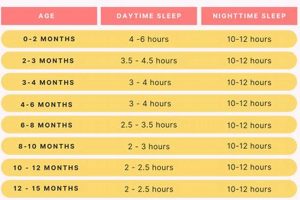
Products, techniques, or environmental adjustments intended to assist infants in achieving and maintaining sleep can be broadly categorized. These interventions aim to address common sleep challenges experienced during infancy. Examples encompass specific swaddling methods, the introduction of white noise machines, or the utilization of blackout curtains to optimize the sleep environment.
Addressing infant sleep difficulties can significantly impact parental well-being, influencing factors such as stress levels and overall family dynamics. Historically, various cultural practices and home remedies have been employed to encourage infant sleep. Modern approaches often integrate behavioral strategies with an understanding of infant sleep cycles and developmental milestones.
The following sections will delve into specific strategies, potential risks, and guidelines for parents considering interventions to support their infant’s sleep. It is imperative to consult with a pediatrician or other qualified healthcare professional before implementing any new sleep practices.
Tips for Facilitating Infant Sleep
The following recommendations are designed to offer guidance in establishing healthy sleep habits for infants. These suggestions are presented for informational purposes and should not replace professional medical advice.
Tip 1: Establish a Consistent Bedtime Routine. A predictable sequence of events, such as a bath, reading a story, and singing a lullaby, can signal to the infant that it is time to sleep. Consistency in timing and activities is crucial.
Tip 2: Optimize the Sleep Environment. Maintain a dark, quiet, and cool room. Blackout curtains, a white noise machine, and appropriate room temperature can contribute to a conducive sleep environment.
Tip 3: Observe Infant Sleep Cues. Pay attention to signs of drowsiness, such as eye rubbing, yawning, or fussiness. Placing the infant in the crib at the first indication of sleepiness can facilitate independent sleep initiation.
Tip 4: Implement Swaddling Techniques (when appropriate). Swaddling can provide a sense of security and reduce the startle reflex in younger infants. Ensure proper swaddling technique to avoid hip dysplasia. Discontinue swaddling when the infant shows signs of rolling over.
Tip 5: Consider a Pacifier. Pacifier use has been associated with a reduced risk of Sudden Infant Death Syndrome (SIDS). If the pacifier falls out after the infant is asleep, it is not necessary to reinsert it.
Tip 6: Maintain a Consistent Sleep Schedule. Attempt to adhere to a regular sleep-wake cycle, even on weekends. Consistency reinforces the infant’s internal clock and promotes better sleep patterns.
Tip 7: Avoid Overstimulation Before Bedtime. Refrain from engaging in vigorous play or exposing the infant to bright lights in the hour leading up to bedtime. A calm and relaxing environment is essential.
Implementing these strategies can contribute to improved sleep quality and duration for infants. However, individual responses may vary, and patience is often required.
The subsequent sections will address potential concerns and offer resources for parents seeking further assistance with infant sleep.
1. Safety

The application of any measure intended to promote infant sleep necessitates a primary focus on safety. The potential risks associated with interventions must be thoroughly evaluated. For example, improper swaddling techniques can contribute to hip dysplasia, while the unregulated use of certain over-the-counter products marketed for infant sleep may contain ingredients not suitable for infants or lack adequate safety testing. The selection of any such method demands careful consideration of potential adverse effects. An unsafe intervention counteracts the benefits of promoting infant sleep, potentially causing harm that outweighs any perceived improvement in sleep duration or quality.
Consider the use of inclined sleepers, formerly marketed to alleviate infant reflux and promote sleep. These products were subsequently linked to infant deaths due to positional asphyxia, demonstrating the critical importance of rigorous safety assessments. Similarly, the use of weighted blankets or other weighted objects intended to promote sleep must be approached with extreme caution, as they pose a suffocation hazard for infants. Adherence to established safety guidelines, such as those recommended by the American Academy of Pediatrics, is essential to mitigating risks associated with promoting infant sleep.
In summary, safety is not merely a component of infant sleep promotion; it is the foundational principle upon which all interventions must be based. The potential risks associated with any technique or product must be meticulously evaluated and understood. Consulting with a healthcare professional is critical to ensuring that chosen methods are appropriate for the individual infant and do not compromise safety. A proactive approach to risk mitigation is paramount in safeguarding infant well-being while addressing sleep-related concerns.
2. Techniques

The application of specific techniques forms a cornerstone of efforts to improve infant sleep. These techniques aim to modify infant behavior or the surrounding environment to facilitate sleep onset and maintenance. The selection of a technique must be evidence-based and appropriate for the infant’s age and developmental stage. Techniques without supporting evidence may be ineffective or, in some instances, detrimental. For example, the “cry it out” method, while purported to promote self-soothing, can increase infant stress levels and potentially damage the parent-child attachment if not implemented with careful consideration and moderation. The underlying principle involves identifying a behavioral pattern or environmental factor contributing to sleep disturbances and implementing a targeted strategy to address it.
A common technique involves establishing a consistent bedtime routine. This may include a bath, reading, and a lullaby, consistently performed at the same time each evening. The predictability of this routine signals to the infant that sleep is approaching, aiding in relaxation and preparing the body for rest. Another technique focuses on optimizing the sleep environment. Blackout curtains minimize light exposure, while white noise machines mask distracting sounds. Adjusting the room temperature to a comfortable level can also contribute to improved sleep. Parents often find success by combining multiple techniques tailored to their infant’s specific needs. For instance, swaddling a young infant while using a white noise machine and maintaining a consistent bedtime routine may yield better results than relying on a single technique.
The effectiveness of any given technique can vary significantly among infants. Some may respond well to one approach while others require a different strategy. A comprehensive assessment of the infant’s sleep patterns, routines, and environmental factors is essential for selecting the most appropriate techniques. It’s important to monitor an infant’s response to a technique and adjust the approach as needed, and to involve a healthcare professional. Techniques represent a proactive and adaptable component in addressing infant sleep challenges, ultimately aiming to promote healthy sleep habits and improve the well-being of both the infant and the parents.
3. Environment

The sleep environment exerts a profound influence on infant sleep patterns and, by extension, the effectiveness of any interventions designed to promote sleep. Environmental factors encompass physical attributes such as lighting, temperature, noise levels, and the characteristics of the sleep surface itself. Each of these elements plays a crucial role in facilitating or disrupting an infant’s ability to fall asleep and maintain restful sleep throughout the night. For instance, a room that is too warm or excessively bright can inhibit melatonin production, a hormone essential for regulating the sleep-wake cycle, thereby hindering the infant’s ability to initiate sleep. Conversely, a consistently dark, quiet, and comfortably cool environment can promote a sense of security and relaxation, making it easier for the infant to transition into and remain in a state of sleep. The sleep surface also demands careful consideration, where adherence to safe sleep practices is essential to mitigating SIDS and ensuring a supportive and secure sleep environment for the infant.
Real-world examples underscore the importance of environmental modifications as components of strategies intended to promote infant sleep. Parents often report improved sleep outcomes by implementing blackout curtains to minimize light intrusion, using white noise machines to mask disruptive sounds, and maintaining a consistent room temperature. The elimination of external stimuli, such as television or electronic devices, from the sleep environment is also critical. The practical significance lies in the understanding that the sleep environment is not merely a passive backdrop but an active determinant of sleep quality. Adjustments to these conditions can support or hinder the effectiveness of other sleep-promoting techniques. For example, a carefully established bedtime routine may be less effective if the infant is consistently exposed to a noisy or over-stimulating environment. As a result, optimizing the sleep environment constitutes a fundamental step in any comprehensive effort to enhance infant sleep.
In summary, a thoughtfully designed sleep environment is an indispensable component of promoting healthy sleep habits in infants. Factors such as light, temperature, noise, and the safety of the sleep surface each contribute significantly to the infant’s ability to fall asleep and maintain restful sleep. While addressing sleep-related challenges, it is important to evaluate the impact of the sleep environment and make necessary adjustments to create a conducive sleep setting. Ignoring these elements can undermine the effectiveness of other interventions, underscoring the significance of a comprehensive approach. The insights gained can enable proactive steps in creating a secure and sleep-conducive atmosphere for infants.
4. Alternatives

When considering supporting infant sleep, approaches beyond pharmaceutical or device-based interventions represent viable alternatives. These encompass a range of behavioral, environmental, and nutritional adjustments aimed at addressing underlying causes of sleep disruption. Understanding these options allows parents to pursue more holistic and less invasive approaches before resorting to other measures. For instance, identifying and managing potential food sensitivities that may contribute to infant discomfort and subsequent sleep difficulties can serve as a beneficial alternative. Similarly, adjusting feeding schedules to ensure adequate caloric intake during the day, rather than relying on frequent nighttime feedings, can promote more consolidated sleep patterns.
Examples of alternative strategies also extend to modifying the sleep environment to enhance comfort and reduce stimulation. Implementing a consistent pre-sleep routine, such as a warm bath followed by a quiet story, can signal the infant that it is time for sleep. Gentle massage techniques, designed to relax tense muscles and alleviate discomfort, may also facilitate sleep onset. Furthermore, employing techniques like controlled crying or graduated extinction, while controversial, represent behavioral alternatives when implemented thoughtfully and with consideration for the infant’s temperament and developmental stage. Each of these alternative approaches seeks to address the root causes of sleep disturbances and create a more conducive environment for natural sleep to occur.
In summary, the exploration of alternatives is a crucial component of any responsible and comprehensive strategy. These options offer parents a diverse set of tools to address infant sleep challenges without resorting to potentially unnecessary methods. Emphasizing a holistic approach, by considering behavioral, environmental, and nutritional factors, often yields more sustainable and long-term improvements in sleep patterns. The application of alternatives requires a thorough assessment of the infant’s specific needs and potential underlying issues. Consulting with healthcare professionals for guidance is essential to ensure that chosen methods are appropriate and safe for the individual infant.
5. Consultation

Effective strategies intended to support infant sleep are often multifaceted. Parental engagement with healthcare professionals through consultation is a crucial element that directly affects the safe and appropriate implementation of any measure.
- Medical History Assessment
Pediatricians conduct comprehensive medical history assessments to identify underlying medical conditions contributing to sleep disturbances. Gastroesophageal reflux, allergies, or neurological conditions can affect sleep patterns. A thorough medical evaluation ensures interventions align with the infant’s health status. For example, strategies might differ significantly for a healthy infant compared to one with diagnosed reflux requiring specialized care.
- Behavioral Guidance
Consultation provides access to evidence-based behavioral guidance tailored to individual infant needs. Sleep training methods, such as establishing consistent routines or addressing sleep associations, are best implemented with professional support. Healthcare providers can offer guidance on adapting these techniques to suit the infant’s temperament and parental preferences. Examples include strategies for responding to nighttime awakenings or establishing a predictable bedtime sequence.
- Medication and Supplement Evaluation
Healthcare professionals assess the appropriateness of any proposed medication or supplement use to aid infant sleep. Over-the-counter remedies and herbal supplements often lack rigorous safety testing for infants. Pediatricians can advise on potential risks and benefits, ensuring any pharmacological intervention is medically necessary and appropriately dosed. Consultation is essential to avoid potential adverse effects or drug interactions.
- Referral to Specialists
In complex cases, consultation facilitates referral to specialists with expertise in infant sleep disorders. Sleep specialists, pulmonologists, or neurologists can provide advanced diagnostic testing and treatment options. For instance, infants with suspected sleep apnea might require polysomnography, a sleep study conducted under medical supervision. Referral ensures access to comprehensive care and specialized interventions when necessary.
The facets of consultation underscore its essential role in addressing infant sleep challenges. Consultation represents a responsible and informed approach to promoting infant sleep by integrating medical expertise with parental preferences and infant needs.
6. Consistency
The establishment of consistent routines and practices forms a cornerstone in the management of infant sleep. Erratic sleep schedules and unpredictable bedtime rituals can disrupt the infant’s internal biological clock, hindering the ability to self-regulate sleep patterns. The connection between consistency and improved infant sleep stems from the entrainment of the circadian rhythm, which relies on regular environmental cues to synchronize internal physiological processes with the external world. For example, infants exposed to a consistent bedtime of 7:00 PM, followed by a specific sequence of activities such as bathing, feeding, and a lullaby, are more likely to develop a predictable sleep-wake cycle, leading to improved sleep duration and reduced nighttime awakenings. In contrast, inconsistent sleep schedules, where bedtime varies significantly from night to night, can desynchronize the circadian rhythm, resulting in fragmented sleep and increased sleep latency. Therefore, establishing a consistent sleep environment and routine is crucial for facilitating optimal infant sleep patterns.
Furthermore, the consistent application of sleep-promoting techniques, such as swaddling or white noise, reinforces the association between these stimuli and sleep onset. When consistently implemented, these techniques become reliable cues that signal to the infant that it is time to sleep. The inconsistent use of these techniques, however, can diminish their effectiveness and create confusion for the infant. The practical significance of consistency extends to parental behavior as well. A consistent approach to responding to nighttime awakenings, whether it involves offering comfort or employing a sleep training method, provides the infant with a sense of security and predictability. Inconsistent responses, such as sometimes picking up the infant and other times letting the infant cry, can increase anxiety and prolong the process of sleep consolidation. The consistent implementation of a structured approach minimizes confusion and promotes more efficient sleep patterns.
In summary, consistency constitutes a foundational element in promoting healthy sleep patterns in infants. Its importance lies in its ability to regulate the circadian rhythm, reinforce sleep-promoting cues, and provide a sense of security and predictability. While challenges may arise in maintaining consistency due to factors such as travel or illness, the adherence to consistent routines and practices, whenever possible, significantly contributes to improved sleep outcomes for infants. This understanding highlights the practical value of integrating consistent approaches in addressing sleep-related concerns for infants.
Frequently Asked Questions About Approaches Intended to Promote Infant Sleep
The subsequent section addresses commonly asked questions regarding methods designed to assist infant sleep. The information provided is intended for educational purposes and does not substitute professional medical advice.
Question 1: Are over-the-counter products safe for promoting infant sleep?
The safety of over-the-counter products designed to promote infant sleep warrants careful consideration. Many such products lack rigorous safety testing, and their ingredients may not be suitable for infants. It is advisable to consult a pediatrician before administering any over-the-counter product to an infant.
Question 2: What are the potential risks associated with sleep training methods?
Sleep training methods, such as extinction or controlled crying, can be associated with potential risks. Prolonged crying can elevate cortisol levels in infants, potentially leading to stress. These methods necessitate careful implementation and monitoring. Alternatives may be considered based on parental preferences and the infant’s temperament.
Question 3: How can a conducive sleep environment for an infant be created?
A conducive sleep environment for an infant entails a dark, quiet, and cool room. Blackout curtains, a white noise machine, and temperature regulation can contribute to a suitable environment. The sleep surface must be firm and free of loose bedding or soft objects.
Question 4: Is it advisable to use inclined sleepers for infants?
The use of inclined sleepers for infants is not advisable. These products have been linked to infant deaths due to positional asphyxia. Infants should be placed on a firm, flat surface for sleep, as recommended by the American Academy of Pediatrics.
Question 5: What role does a consistent bedtime routine play in promoting infant sleep?
A consistent bedtime routine can signal to the infant that it is time to sleep. A predictable sequence of events, such as a bath, reading, and singing, can facilitate relaxation and prepare the body for rest. Consistency in timing and activities is crucial.
Question 6: When is it necessary to seek professional help for infant sleep problems?
Professional help should be sought if an infant experiences persistent sleep disturbances, such as difficulty falling asleep, frequent nighttime awakenings, or signs of a sleep disorder. Pediatricians can provide guidance and, if necessary, refer to sleep specialists.
A thorough understanding of safe sleep practices and potential risks is essential when addressing infant sleep challenges. Prioritizing infant safety and consulting with healthcare professionals are paramount.
The subsequent section will summarize key considerations for parents navigating the complexities of promoting infant sleep.
Conclusion
This discussion has explored various aspects of sleep aid for babies, encompassing safety protocols, behavioral techniques, environmental modifications, suitable alternatives, and the critical importance of expert consultation, and the necessity of consistent implementation. The multifaceted approach underscores the complexities involved in addressing infant sleep. Responsible application of interventions requires a thorough understanding of potential risks and benefits, tailored to the individual needs of the infant.
Promoting safe and effective infant sleep represents an ongoing process. Continued research and evolving recommendations necessitate that caregivers remain informed and proactive. Collaboration with healthcare professionals and adherence to evidence-based guidelines are essential to safeguarding infant well-being and fostering healthy sleep habits that extend into the future.