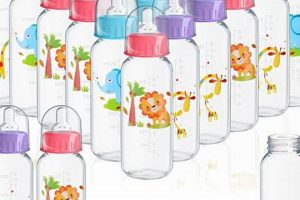
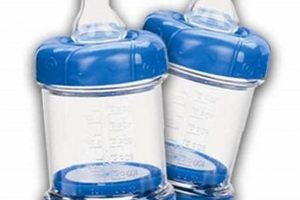
The following outlines the steps involved in the operation of a steam sterilizer and dryer designed for infant feeding equipment. These devices are intended to eliminate harmful bacteria from bottles, nipples, and pump parts through a high-temperature steam cycle, followed by a drying phase to reduce moisture buildup.
Proper sterilization of baby bottles and accessories is crucial for infant health, mitigating the risk of illness associated with contaminated feeding equipment. The implementation of steam sterilization technology provides a convenient and effective method for parents and caregivers to maintain hygienic standards. Historically, boiling water was the primary method, but steam sterilizers offer a more controlled and time-efficient alternative.
Understanding the precise operating procedure ensures optimal performance and safety. This guide will detail the preparation, loading, cycle selection, and maintenance aspects essential for effectively utilizing this appliance. Adhering to the manufacturer’s guidelines is paramount for achieving desired sterilization results.
Operational Tips for Infant Feeding Equipment Sterilizers
Maximizing the effectiveness and longevity of a steam sterilizer requires adherence to specific guidelines. The following tips ensure proper sterilization and drying, contributing to infant health and prolonging the appliance’s lifespan.
Tip 1: Pre-Clean Thoroughly: Before placing any item inside the sterilizer, wash all bottles, nipples, and accessories with hot, soapy water. Rinse thoroughly to remove any soap residue. Residual milk or formula can hinder the sterilization process.
Tip 2: Load Correctly: Refer to the manufacturers instructions for proper loading techniques. Avoid overcrowding the unit. Overcrowding can impede steam circulation, resulting in incomplete sterilization and drying.
Tip 3: Use Distilled Water: Always use distilled water. Tap water contains minerals that can lead to scale buildup within the sterilizer, reducing its efficiency and potentially damaging the heating element. Regular descaling may be necessary when using tap water.
Tip 4: Select Appropriate Cycle: Choose the appropriate sterilization and drying cycle based on the items being sterilized and the manufacturer’s recommendations. Shorter cycles may be adequate for lightly soiled items, while longer cycles are recommended for heavily soiled items or when maximum sterilization is desired.
Tip 5: Allow Complete Cooling: After the cycle is complete, allow the items to cool completely before handling. Handling hot bottles can result in burns. Furthermore, cooling inside the unit helps maintain sterility until the bottles are needed.
Tip 6: Ensure Proper Ventilation: When in operation, ensure the sterilizer is placed in a well-ventilated area. This allows steam to dissipate effectively and prevents moisture buildup around the appliance.
Tip 7: Regular Maintenance: Wipe down the sterilizer’s interior regularly with a damp cloth. Periodically descale the unit according to the manufacturers instructions. This prevents mineral buildup and ensures optimal performance.
These operational tips emphasize the importance of correct preparation, utilization, and maintenance for achieving reliable sterilization and extending the life of the appliance. Consistent application of these guidelines will aid in minimizing the risk of contamination and ensure the safety of infant feeding equipment.
Following these tips contributes significantly to maintaining a hygienic environment for infant feeding and supports the long-term functionality of the sterilization appliance.
1. Water Reservoir Filling

The water reservoir constitutes a foundational element in the operation of a steam sterilizer. Within the context of effective sterilization practices, accurate filling of the reservoir directly impacts the sterilizer’s ability to generate the necessary steam volume and pressure for complete sanitation of the equipment. Insufficient water levels will result in incomplete sterilization cycles, leaving residual bacteria on the bottles and accessories. Conversely, overfilling can lead to operational malfunctions or potential damage to the unit’s heating element and electrical components. For example, if the water level is too low, the unit may shut off prematurely, preventing adequate sterilization. Conversely, overfilling could cause water to leak into sensitive electronic components.
Proper water level is intrinsically linked to the sterilizer’s programmed cycle times. The appliance relies on a specific water volume to reach and sustain optimal sterilization temperatures for the designated duration. Deviations from the recommended water level will disrupt this calibrated process, potentially compromising the effectiveness of the entire sterilization procedure. Calibration of water level with duration of sterilization, and temperature is key to a sanitized batch of baby bottles. Moreover, mineral content in water can deposit and harm the device.
In conclusion, the water reservoir filling process is not merely a preliminary step, but an integral determinant of sterilization efficacy. Precise adherence to manufacturer guidelines regarding water level is essential for ensuring the safe and reliable operation of the sterilizer and the elimination of harmful pathogens from infant feeding equipment. The amount of water plays an important role in generating steam, thus, proper water level must be reached.
2. Proper Bottle Arrangement

Proper bottle arrangement within a steam sterilizer is critical for ensuring thorough sterilization of infant feeding equipment. The manner in which bottles, nipples, and accessories are positioned directly influences steam circulation and penetration, which are essential for eliminating harmful bacteria. Incorrect arrangement can create shadowed areas where steam cannot reach, leaving these areas unsterilized and potentially harboring pathogens. For instance, overcrowding the sterilizer or stacking bottles on top of each other impedes steam flow, reducing the effectiveness of the sterilization cycle.
The manufacturer’s guidelines for a steam sterilizer typically specify an optimal arrangement for achieving complete steam exposure to all surfaces. Bottles should be inverted to allow steam to penetrate the interior. Nipples and smaller components should be placed in designated trays or compartments to prevent them from obstructing steam flow to the bottles. An example includes positioning bottles at an angle to maximize steam entry or utilizing bottle dividers to maintain separation. Deviation from recommended arrangement practices may result in localized areas of reduced temperature or steam concentration, thereby compromising the sterilization process.
In conclusion, proper bottle arrangement is not merely a procedural step, but an integral component of effective sterilization. Neglecting this aspect undermines the entire sterilization process and jeopardizes infant health. Adherence to manufacturer specifications, coupled with a thorough understanding of the principles of steam circulation, is essential for achieving complete sterilization and safeguarding against bacterial contamination of infant feeding equipment. Proper arrangement facilitates optimal steam distribution, which contributes significantly to the overall effectiveness.
3. Cycle Selection

Cycle selection directly governs the operational parameters of a steam sterilizer, influencing both sterilization duration and temperature. The appropriate cycle choice is not merely a matter of convenience, but a critical factor in achieving effective elimination of pathogens from infant feeding equipment. An incorrect cycle selection, such as using a cycle intended for light sterilization on heavily soiled items, can result in incomplete sanitization, leaving residual bacteria on the bottles and accessories. Conversely, employing an unnecessarily long or intense cycle may lead to premature degradation of the equipment, shortening its lifespan. Selecting the correct cycle depends on assessing load size, material composition, and the degree of soiling, each influencing the necessary sterilization intensity.
The practical application of cycle selection is exemplified by varying requirements based on feeding method. For instance, the sterilization needs of bottles used for formula feeding, which can harbor higher concentrations of bacteria due to milk residue, differ from those used solely for water. Similarly, cycles may be tailored for different materials; some plastics may be more sensitive to high temperatures and require shorter, less intense cycles to prevent damage. Real-world scenarios necessitate careful evaluation of these factors. A failure to consider these variables could result in either insufficient sterilization or premature deterioration of the sterilized items, each carrying distinct risks.
Cycle selection constitutes an indispensable element in the safe and effective operation of a steam sterilizer. Informed cycle selection, based on a thorough understanding of the equipment’s capabilities and the specific sterilization needs of the items being processed, directly impacts infant health. The interplay between load characteristics and cycle parameters determines the success of the sterilization process, making this a critical area for user education and awareness. Overlooking this step negates the benefits of the sterilization process.
4. Drying Cycle Activation

The activation of the drying cycle is an integral phase in the operation of a bottle sterilizer. Following the steam sterilization process, the drying cycle mitigates residual moisture within the sterilized items, thereby inhibiting bacterial regrowth and maintaining a sterile environment for a prolonged period. This aspect is of notable importance when considering usage.
- Preventing Bacterial Regrowth
The primary function of the drying cycle is to eliminate moisture, which fosters bacterial proliferation. Residual moisture on sterilized bottles and accessories can serve as a breeding ground for opportunistic pathogens, negating the benefits of the preceding sterilization phase. Effective drying inhibits this regrowth. For example, without proper drying, condensation within a bottle could introduce bacteria that were not present immediately after sterilization.
- Extending Sterility Duration
A thorough drying cycle prolongs the duration for which items remain sterile. By removing moisture, the risk of airborne contaminants settling and thriving on the equipment is diminished. This is particularly relevant in environments where complete sterile storage is not feasible. Consider a scenario where sterilized bottles must be transported; adequate drying reduces the likelihood of contamination during transport.
- Appliance Longevity and Maintenance
Activating the drying cycle also contributes to the longevity and proper maintenance of the sterilizer unit itself. The removal of moisture from the internal components reduces the risk of corrosion and mineral buildup, common issues in steam-based appliances. A functional drying cycle prevents moisture-related damage, preserving the appliance’s operational effectiveness. Failing to activate the drying cycle could lead to premature wear and tear of the sterilizer’s internal parts.
- User Compliance and Efficiency
The presence of an automated drying cycle enhances user convenience and compliance. It streamlines the sterilization process, reducing the manual effort required from caregivers. The automation ensures that drying is consistently performed to the appropriate level. For instance, a drying cycle may automatically run after sterilization, optimizing the overall process.
The activation of the drying cycle is not an optional addendum but a critical step. Its proper execution contributes significantly to the overall efficacy, the preservation of infant health, and the maintenance of the sterilization equipment itself. Therefore, understanding and consistently implementing the drying cycle is essential for maximizing the value of the sterilization process. A fully functional cycle contributes to a sterilized and ready-to-use product for infant needs.
5. Cooling Time

Cooling time, as a phase in the sterilization process, is intrinsically linked to the safe and effective utilization of a bottle sterilizer. The sterilizers internal temperature, immediately following the sterilization cycle, poses a thermal hazard. Premature handling of bottles and accessories before adequate cooling can result in burns. Moreover, rapid temperature changes can induce material stress in the bottles, potentially reducing their structural integrity. For instance, removing a bottle from the sterilizer immediately after a cycle and plunging it into cold water could lead to cracking or deformation of the plastic.
Furthermore, allowing adequate cooling time within the sterilizer before opening the unit maintains the sterility of the items. The enclosed environment prevents airborne contaminants from settling on the newly sterilized surfaces. The rapid introduction of ambient air, laden with microorganisms, immediately after sterilization can negate the benefits of the high-temperature cycle. Consider a scenario where a sterilizer is opened immediately after the cycle in a room with high levels of dust or pollen; the internal contents are immediately exposed to potential contaminants. The length of cooling time must take into account the nature of the environment where the sterilization process is being done.
Therefore, understanding the importance of cooling time within the operational paradigm is crucial for mitigating thermal hazards and preserving the sterility of infant feeding equipment. Ignoring the specified cooling period compromises both user safety and the efficacy of the sterilization process. In summary, proper cooling practices constitute an indispensable element for effective implementation, safeguarding infant health and ensuring the longevity of the sterilization equipment. Moreover, the cooling time has to be properly implemented to prevent burns and avoid recontamination from the environment.
6. Maintenance Schedule

A strict maintenance schedule is inextricably linked to the effective operation of a baby bottle sterilizer. The frequency and thoroughness of maintenance directly influence the device’s performance, lifespan, and, most importantly, its ability to consistently deliver sterile feeding equipment. Neglecting maintenance, such as failing to descale the unit regularly, results in mineral buildup that compromises heating element efficiency and can lead to premature failure. Conversely, adherence to the manufacturer-recommended schedule ensures consistent and reliable sterilization cycles. For example, the accumulation of mineral deposits on the heating element can reduce its ability to generate steam efficiently, thereby extending sterilization times or preventing the attainment of appropriate temperatures for complete sanitation.
The practical applications of a rigorous maintenance schedule extend beyond mere functionality. A properly maintained unit operates more efficiently, consuming less energy and reducing operational costs. Furthermore, regular inspections during maintenance can identify potential issues before they escalate into major malfunctions, preventing costly repairs and downtime. A scenario includes identifying a crack in the water reservoir during a routine cleaning, allowing for replacement before it causes a leak and potentially damages the electrical components. Moreover, scheduled maintenance often involves cleaning or replacing filters that purify the steam, further ensuring that any mineral or organic content are eliminated during the sterilization process.
Therefore, a well-defined and diligently executed maintenance schedule is not merely an ancillary aspect but an essential element. It plays a vital role in sustaining its functionality, ensuring that the device consistently fulfills its primary purpose: providing sterile feeding equipment and thereby safeguarding infant health. Overlooking this facet undermines the utility of the device and increases the risk of inadequate sterilization or equipment failure. Maintenance contributes significantly to overall efficacy, device longevity, and, above all, consistent health protection for infants.
7. Descaling Process

The descaling process is a critical component of maintaining a baby bottle sterilizer’s functionality. Mineral deposits accumulate over time, impeding performance. Understanding the necessity and execution of descaling is essential for proper sterilizer use.
- Impact on Sterilization Efficiency
Mineral buildup, primarily calcium and magnesium, forms a scale on the heating element. This scale acts as an insulator, reducing heat transfer efficiency. As a result, the sterilizer requires more time and energy to reach sterilization temperatures, potentially compromising the effectiveness of the cycle. Example: An increased sterilization cycle time could leave a user believing the process is complete when, in reality, the target temperature was not sustained for the required duration.
- Prevention of Equipment Malfunction
Accumulated scale can obstruct water flow pathways and damage the heating element. Over time, this can lead to equipment malfunction or complete failure. Regular descaling prevents these issues, extending the lifespan of the sterilizer. Example: A severely scaled heating element can overheat and burn out, requiring costly repairs or replacement of the entire unit.
- Maintaining Hygiene Standards
The porous nature of mineral scale provides a breeding ground for bacteria and mold, compromising the hygiene of the sterilization process. Descaling eliminates these potential contaminants, ensuring that sterilized items are not re-contaminated by the sterilizer itself. Example: Mold growing on the scale within the sterilizer could be transferred to the bottles during the sterilization cycle, negating the intended hygienic benefit.
- Optimizing Energy Consumption
A scaled heating element requires more energy to reach and maintain sterilization temperatures. Regular descaling restores the sterilizer’s energy efficiency, reducing electricity consumption and lowering operational costs. Example: A heavily scaled sterilizer might consume significantly more electricity per cycle compared to a descaled unit, resulting in higher utility bills over time.
Effective descaling ensures that the sterilizer operates as intended, providing reliably sterile feeding equipment. Disregarding the descaling process negates the benefits of sterilization, increases the risk of equipment failure, and elevates the potential for bacterial contamination. Therefore, adherence to a regular descaling schedule is paramount for all models.
Frequently Asked Questions
The following addresses common inquiries regarding proper operation to maximize effectiveness and minimize risks.
Question 1: Is pre-cleaning of bottles necessary before sterilization?
Pre-cleaning is essential. Failure to remove milk residue and debris can impede the sterilization process, potentially leaving harmful bacteria present.
Question 2: Can tap water be used in the reservoir?
The use of distilled water is strongly recommended. Tap water contains minerals that can cause scale buildup, reducing the sterilizers efficiency and lifespan.
Question 3: How often should the sterilizer be descaled?
Descaling frequency depends on water hardness. Inspect the unit regularly and descale when mineral deposits are visible, typically every 4 to 8 weeks.
Question 4: Is it safe to open the sterilizer immediately after a cycle?
Allow the sterilizer to cool for the recommended time. This prevents burns and reduces the risk of recontamination from airborne particles.
Question 5: Can any type of plastic be sterilized?
Only use bottles and accessories specifically designed for sterilization. Verify compatibility with the manufacturer’s guidelines to prevent damage or release of harmful chemicals.
Question 6: What is the appropriate duration for the drying cycle?
The drying cycle should run for the duration recommended in the user manual. This ensures thorough drying, preventing bacterial growth on sterilized items.
Following these guidelines contributes to the safe and effective sterilization of infant feeding equipment.
The next section will cover troubleshooting common issues that can arise.
Conclusion
This document has provided a comprehensive guide on how to use a baby brezza bottle sterilizer, emphasizing the crucial steps for effective operation. Topics covered encompass preparation, cycle selection, essential maintenance, and the implications of each stage on sterilization efficacy. Adherence to these guidelines is paramount for achieving optimal hygiene in infant feeding practices.
Consistent application of these principles will minimize risks associated with contaminated feeding equipment. Utilizing this technology appropriately safeguards infant health and ensures the longevity of the device. Vigilance and meticulous attention to detail are indispensable for maximizing the benefits of a steam sterilizer.