The refusal of an infant to consume expressed milk or formula from a bottle while in a childcare setting is a common concern for parents and caregivers. This behavior can manifest as complete rejection of the bottle, consumption of only small amounts, or increased fussiness and distress during feeding attempts. Such feeding challenges can lead to nutritional deficiencies and anxiety for both the infant and the individual responsible for their care.
Addressing feeding difficulties at daycare is crucial for ensuring consistent caloric intake, promoting healthy growth and development, and alleviating parental stress. Historically, various approaches have been employed to mitigate this issue, ranging from altering feeding techniques to exploring alternative feeding methods. Understanding the underlying reasons for bottle refusal is a prerequisite for implementing effective solutions.
The subsequent sections will delve into potential causes of feeding aversion in the daycare environment, strategies for identifying the root of the problem, and practical techniques to encourage successful bottle feeding. Furthermore, the article will address collaborative approaches between parents and daycare providers, and when professional consultation may be necessary.
Strategies for Infant Bottle Acceptance in Childcare
Addressing bottle aversion in a daycare setting requires a multifaceted approach centered on understanding the infant’s needs and preferences.
Tip 1: Mimic Home Feeding Practices: Replicate the infant’s feeding routine as closely as possible to the procedures implemented at home. This includes the feeding position, bottle type, and milk temperature. Consistency can provide a sense of familiarity and security for the child.
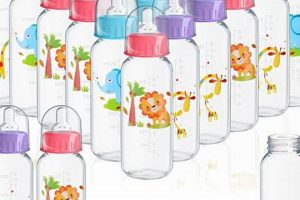
Tip 2: Experiment with Bottle and Nipple Types: Infants exhibit individual preferences regarding bottle and nipple design. Offer a variety of options to determine which type the infant finds most comfortable and easiest to use. Consider factors such as flow rate and nipple shape.
Tip 3: Offer the Bottle When Calm and Alert: Attempt bottle feedings when the infant is in a relaxed and receptive state. Avoid forcing the bottle when the infant is overly tired, hungry, or distressed, as this can reinforce negative associations with feeding.
Tip 4: Minimize Environmental Distractions: Create a quiet and calming feeding environment, free from excessive noise or visual stimuli. A reduced sensory input can help the infant focus on the feeding process.
Tip 5: Encourage Gradual Introduction: If the infant consistently refuses the bottle, introduce it gradually. Start by allowing the infant to explore the bottle and nipple without pressure to feed. Progress to offering small amounts of milk and gradually increasing the volume as the infant becomes more accepting.
Tip 6: Implement Paced Bottle Feeding: Hold the bottle horizontally to control the flow of milk, allowing the infant to take breaks and regulate their intake. This technique can prevent overfeeding and reduce the risk of gagging or choking.
Tip 7: Partner with Parents: Maintain open communication with the infant’s parents to gain insights into the infant’s feeding habits, preferences, and any underlying medical conditions that may contribute to the feeding difficulties. This collaborative approach fosters consistency and shared problem-solving.
Successful navigation of feeding challenges at daycare depends on patient observation, adaptable strategies, and a collaborative partnership between caregivers and parents. Addressing this issue proactively supports the infant’s nutritional needs and emotional well-being.
The subsequent section will address troubleshooting strategies and when professional medical advice should be sought.
1. Separation Anxiety and Feeding Refusal

Separation anxiety, a common developmental phase characterized by distress when separated from primary caregivers, frequently intersects with feeding behaviors in infants, particularly within the daycare environment. This anxiety can manifest as a reluctance to accept bottle feedings, leading to nutritional challenges and parental concern.
- Emotional Distress and Appetite Suppression
The emotional distress associated with separation anxiety can directly suppress an infant’s appetite. Cortisol, a stress hormone released during periods of anxiety, can interfere with hunger cues and reduce the motivation to feed. This physiological response can lead to diminished interest in bottle feedings during daycare hours.
- Association of Daycare with Negative Experiences
Infants may develop an association between the daycare setting and the stress of separation. This negative association can extend to bottle feedings, as the act of feeding becomes intertwined with the anxiety-provoking environment. Consequently, the infant may actively resist the bottle as a manifestation of their overall distress.
- Altered Feeding Routines and Preferences
Changes in feeding routines and the absence of familiar caregivers can exacerbate separation anxiety and contribute to feeding refusal. Infants thrive on consistency, and disruptions to their established feeding schedule or preferred feeding methods can trigger anxiety and reluctance to accept the bottle. The absence of a familiar caregivers touch and comforting presence further intensifies these challenges.
- Impact on Caregiver-Infant Interaction
The anxiety experienced by the infant can also impact the caregiver-infant interaction during feeding times. Caregivers may become frustrated or anxious, leading to a less supportive and comforting feeding environment. This dynamic can further reinforce the infant’s negative association with bottle feeding at daycare, creating a cycle of resistance and distress.
Understanding the multifaceted relationship between separation anxiety and feeding refusal is crucial for developing effective intervention strategies. By addressing the underlying emotional distress and implementing strategies to create a more secure and predictable feeding environment, caregivers and parents can work collaboratively to support successful bottle feeding in the daycare setting.
2. Bottle Preference

Preference for a specific feeding method can significantly contribute to an infant’s refusal to take a bottle at daycare. This preference typically arises from prior feeding experiences and established comfort levels, creating resistance when alternative methods are introduced.
- Nipple Type and Flow Rate
Infants often develop a preference for specific nipple shapes, sizes, and flow rates based on their individual sucking patterns and comfort. A nipple that differs significantly from the preferred type can lead to frustration and refusal to feed from the bottle. For instance, an infant accustomed to a slow-flow nipple may reject a faster-flow nipple due to difficulty controlling the milk intake, resulting in gagging or discomfort.
- Bottle Material and Shape
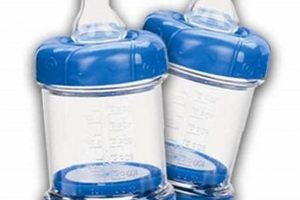
The material and shape of the bottle itself can also influence an infant’s acceptance. Some infants may prefer a particular bottle material (e.g., glass versus plastic) due to perceived differences in taste or texture. The bottle’s shape can affect the infant’s ability to hold it comfortably, impacting the overall feeding experience. A bottle that is difficult to grip or angled in a way that causes discomfort can lead to feeding refusal.
- Temperature of Milk or Formula
Infants often have a preferred temperature for their milk or formula. Offering the bottle at a temperature that deviates significantly from the infant’s preference can lead to rejection. For example, an infant accustomed to room-temperature formula may refuse a chilled bottle. Consistency in temperature is crucial for maintaining a positive feeding experience and encouraging bottle acceptance.
- Learned Associations and Comfort
Through repeated positive experiences, infants develop learned associations with specific bottles. These associations create a sense of comfort and security during feeding. Introducing a new or unfamiliar bottle can disrupt these established associations and lead to resistance. The infant may associate the familiar bottle with the comfort of a caregiver or a specific feeding environment, further reinforcing the preference.
Addressing bottle preference requires careful observation of the infant’s feeding habits and experimentation with various bottle types and nipple designs. Establishing a consistent feeding routine and offering the bottle in a comfortable and familiar environment can also help to mitigate resistance and promote successful bottle feeding in the daycare setting.
3. Feeding Schedule

A structured feeding schedule plays a critical role in infant nutrition and can significantly impact bottle acceptance, especially within the context of a daycare setting. Deviations from an infants established feeding rhythm can contribute to feeding refusal and associated challenges.
- Inconsistent Feeding Times
Variations in feeding times between the home and daycare environment can disrupt an infant’s internal hunger cues. When feeding schedules are unpredictable, infants may not be adequately hungry at designated feeding times, leading to disinterest in the bottle. Irregular intervals between feedings can also result in over-hunger, potentially causing the infant to become fussy and less receptive to the bottle.
- Mismatch Between Home and Daycare Schedules
A significant discrepancy between the feeding schedule at home and the schedule implemented at daycare can create confusion and resistance. Infants thrive on routine, and a sudden shift in feeding times can disrupt their expectations and lead to feeding refusal. For example, if an infant is accustomed to feeding every three hours at home but is offered the bottle every four hours at daycare, they may not readily accept the feeding.
- Insufficient Adjustment to Infant’s Hunger Cues
Rigid adherence to a predetermined feeding schedule without considering the infant’s individual hunger cues can result in forced feedings, fostering negative associations with the bottle. Infants communicate their hunger through specific behaviors, such as rooting, sucking on fingers, and increased alertness. Ignoring these cues and offering the bottle only at scheduled times can lead to frustration and rejection.
- Daycare Environment and Feeding Interruptions
The daycare environment, often characterized by higher levels of stimulation and activity, can interfere with established feeding schedules. Interruptions during feeding times, such as loud noises or changes in caregivers, can distract the infant and disrupt their feeding rhythm. Such interruptions can lead to incomplete feedings and a reluctance to resume feeding at a later time.
Optimal management of infant feeding schedules within daycare requires close collaboration between parents and caregivers to ensure consistency and responsiveness to the infant’s individual needs. Recognizing and adapting to the infant’s hunger cues, while maintaining a reasonably predictable feeding schedule, is essential for promoting successful bottle acceptance and preventing feeding-related challenges.
4. Nipple Flow

Nipple flow rate constitutes a significant factor in an infant’s acceptance or rejection of a bottle, particularly within a daycare environment where feeding experiences may differ from those at home. An inappropriate flow rate can lead to frustration, discomfort, and ultimately, bottle refusal.
- Too-Fast Flow: Gagging and Aversion
A nipple with an excessively rapid flow can overwhelm an infant, causing gagging, choking, and discomfort. The infant may struggle to coordinate sucking, swallowing, and breathing, leading to a negative association with bottle feeding. This aversion can manifest as active resistance to the bottle and heightened anxiety during feeding attempts.
- Too-Slow Flow: Frustration and Fatigue
Conversely, a nipple with an insufficient flow rate can frustrate an infant, leading to prolonged feeding times and increased fatigue. The infant may have to exert excessive effort to extract milk, resulting in dissatisfaction and a reluctance to continue feeding. This can lead to decreased caloric intake and potential nutritional deficiencies over time.
- Inconsistency with Home Feeding
Discrepancies between the nipple flow rate used at home and the one offered at daycare can disrupt an infant’s established feeding patterns. An infant accustomed to a specific flow rate may reject a bottle with a different flow rate due to unfamiliarity and discomfort. Maintaining consistency in nipple flow between both environments is crucial for promoting successful bottle acceptance.
- Developmental Stage and Oral Motor Skills
The appropriate nipple flow rate varies depending on the infant’s age and developing oral motor skills. Newborns typically require slower flow nipples, while older infants may tolerate faster flow rates. Using a nipple with an inappropriate flow rate for the infant’s developmental stage can hinder their ability to feed efficiently and contribute to bottle refusal. Assessment of the infant’s sucking strength and coordination is essential for selecting the appropriate nipple flow rate.
Careful consideration of nipple flow dynamics is essential when addressing bottle refusal in a daycare setting. Assessing the infant’s individual needs, preferences, and developmental stage, along with maintaining consistency with home feeding practices, can significantly enhance bottle acceptance and ensure adequate nutritional intake.
5. Sensory Sensitivity

Sensory sensitivity, characterized by heightened or unusual responses to sensory stimuli, may underlie instances of feeding aversion in infants within the daycare environment. This sensitivity can manifest as heightened reactions to textures, tastes, smells, sounds, or visual inputs, leading to distress and subsequent bottle refusal. An infant demonstrating sensory sensitivity may exhibit aversion to specific bottle materials, nipple textures, or even the scent of cleaning products used in the daycare setting. This aversion translates to a resistance to feeding, presenting nutritional and developmental challenges.
Sensory sensitivities influencing bottle acceptance necessitate careful consideration of the feeding environment and materials. For instance, an infant with tactile sensitivities may reject a bottle made of a specific plastic due to its texture. Auditory sensitivities can be triggered by the ambient noise levels within the daycare, creating a stressful feeding environment. Taste sensitivities may result in rejection of certain formula types or even expressed breast milk if the composition varies slightly. The practical significance lies in the need for individualized feeding approaches that minimize sensory overload and maximize comfort during feeding times. Careful observation of the infant’s reactions to different sensory stimuli is critical for identifying potential triggers.
Addressing sensory-related feeding aversions demands a collaborative approach between parents and daycare providers. Identifying specific sensory triggers through observation and experimentation is paramount. Modification of the feeding environment, selection of appropriate bottle materials and nipple types, and implementation of calming techniques can mitigate sensory overload and encourage successful bottle acceptance. This understanding highlights the importance of personalized care strategies tailored to the unique sensory profile of each infant, ultimately contributing to improved feeding outcomes and overall well-being within the daycare setting.
6. Environmental distractions

Environmental stimuli exert a significant influence on an infant’s feeding behavior, particularly in a daycare setting. The presence of excessive or disruptive stimuli can impede an infant’s ability to focus on feeding, leading to bottle refusal and compromised nutritional intake.
- Auditory Overload
High levels of ambient noise, such as loud conversations, music, or crying children, can overwhelm an infant’s auditory system. This overload interferes with the infant’s ability to concentrate on the task of feeding, resulting in distraction and a reluctance to accept the bottle. A noisy environment can create a stressful feeding experience, further exacerbating the issue.
- Visual Stimuli
Excessive visual stimulation, including bright lights, moving objects, or cluttered surroundings, can divert an infant’s attention away from the bottle. Infants are highly susceptible to visual distractions, and a visually stimulating environment can make it difficult for them to focus on feeding. The presence of multiple visual stimuli can create a sense of sensory overload, leading to agitation and bottle refusal.
- Interruptions and Changes in Caregivers
Frequent interruptions during feeding times, such as staff transitions or interactions with other children, can disrupt an infant’s feeding rhythm and lead to resistance. Changes in caregivers can also contribute to feeding refusal, as infants may feel less secure and comfortable with unfamiliar individuals. Consistency in caregivers and minimal interruptions during feeding times are essential for promoting successful bottle acceptance.
- Temperature and Lighting
Extreme temperatures, either too hot or too cold, can create discomfort and contribute to feeding refusal. Similarly, inadequate or harsh lighting can negatively impact the feeding experience. A comfortable and well-lit environment is conducive to relaxation and promotes successful bottle feeding. Optimal temperature regulation and appropriate lighting levels can minimize distractions and enhance the infant’s focus on feeding.
The interplay between environmental factors and an infant’s feeding behavior underscores the need for a controlled and nurturing feeding environment within daycare settings. Minimizing auditory and visual distractions, maintaining consistent caregivers, and ensuring comfortable temperature and lighting conditions can significantly improve bottle acceptance and support optimal nutritional intake.
7. Medical conditions

Certain medical conditions directly impede an infant’s ability or willingness to accept a bottle at daycare. These conditions introduce physiological or anatomical challenges that manifest as feeding difficulties. Gastroesophageal reflux (GERD), for instance, causes stomach acid to flow back into the esophagus, resulting in discomfort and pain during feeding. This discomfort creates a negative association with bottle feeding, leading to active refusal. Similarly, oral thrush, a fungal infection in the mouth, can cause pain during sucking, making bottle feeding a painful experience and prompting the infant to reject the bottle. Anatomical abnormalities, such as tongue-tie (ankyloglossia), restrict tongue movement, hindering the infant’s ability to latch onto and effectively suck from a bottle nipple. These examples illustrate how underlying medical issues directly compromise the infant’s feeding capacity and willingness.
Beyond direct physical impediments, other medical conditions influence an infant’s overall well-being and indirectly affect feeding behavior. Allergies or intolerances to components in formula or breast milk can cause gastrointestinal distress, leading to fussiness and refusal to feed. Infants experiencing respiratory infections, such as bronchiolitis or pneumonia, may have difficulty coordinating breathing and sucking, making bottle feeding a challenging and stressful experience. Neurological conditions or developmental delays can impact an infant’s oral motor skills and coordination, affecting their ability to suck, swallow, and breathe effectively during feeding. Recognizing these indirect effects is crucial for a comprehensive assessment of feeding difficulties.
Identifying and addressing underlying medical conditions is paramount for resolving bottle refusal at daycare. A thorough medical evaluation is essential to rule out or diagnose any contributing medical factors. Treatment of GERD, oral thrush, or allergies, along with interventions to address anatomical abnormalities or developmental delays, can significantly improve an infant’s ability to accept and tolerate bottle feedings. Effective communication between parents, daycare providers, and healthcare professionals is crucial for coordinating care and implementing appropriate management strategies. Addressing the medical components is frequently an essential step towards resolving feeding challenges and ensuring adequate nutrition for the infant.
Frequently Asked Questions
This section addresses common questions regarding infant refusal of bottles in daycare environments, providing clarity and guidance for parents and caregivers.
Question 1: What are the primary reasons an infant might refuse a bottle at daycare?
Common causes include separation anxiety, differences in feeding routines between home and daycare, preference for specific nipple types or flow rates, sensory sensitivities, environmental distractions, and underlying medical conditions such as reflux or oral thrush.
Question 2: How can separation anxiety contribute to bottle refusal?
Separation anxiety can induce stress and anxiety, leading to appetite suppression. The infant may associate the daycare environment with the distress of separation, resulting in a reluctance to accept bottle feedings.
Question 3: What steps can be taken to mimic home feeding practices at daycare?
Efforts should be made to replicate the infant’s feeding position, bottle type, milk temperature, and feeding schedule as closely as possible to the procedures implemented at home. Consistency provides a sense of familiarity and security for the child.
Question 4: How important is the type of bottle nipple?
Infants exhibit individual preferences regarding bottle and nipple design. Experimentation with various options is essential to determine which type the infant finds most comfortable and easiest to use. Factors such as flow rate and nipple shape should be considered.
Question 5: What role do environmental factors play in bottle refusal?
Excessive noise, visual stimuli, and frequent interruptions can distract the infant and disrupt the feeding process. Creating a quiet and calming feeding environment minimizes sensory overload and promotes focus.
Question 6: When is it necessary to seek professional medical advice?
If bottle refusal persists despite implementing various strategies, or if the infant exhibits signs of medical distress such as poor weight gain, vomiting, or excessive fussiness, a consultation with a pediatrician or feeding specialist is recommended.
Addressing infant bottle refusal requires a multi-faceted approach that considers both environmental and physiological factors. Open communication between parents and daycare providers is essential for developing effective strategies and ensuring the infant’s well-being.
The subsequent section will delve into troubleshooting strategies when initial interventions prove unsuccessful.
Addressing Infant Bottle Refusal in Childcare Settings
This exploration of circumstances where “baby won’t take bottle at daycare” has underscored the complexity of the issue. Contributing factors span from separation anxiety and mismatched feeding schedules to sensory sensitivities and underlying medical conditions. Successfully resolving this challenge necessitates a comprehensive understanding of the individual infant’s needs and a collaborative partnership between parents, daycare providers, and potentially, healthcare professionals.
Consistent application of the strategies outlined, coupled with careful observation and adaptation, offers the most promising path toward ensuring adequate nutrition and a positive feeding experience. Prioritizing the infant’s well-being and fostering a supportive feeding environment remains paramount. Continued research and refined interventions will further advance our ability to address this common, yet often distressing, challenge.