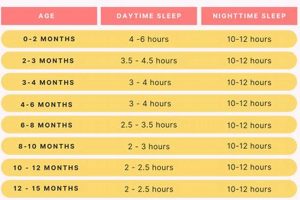
The process of facilitating sleep in an infant exhibiting signs of excessive fatigue is complex. Recognizing the signs of overtiredness, such as fussiness, difficulty focusing, and resisting sleep cues, is the initial step. These signs indicate the baby has missed the optimal window for sleep induction and requires specific strategies to calm and prepare for rest.
Addressing infant overtiredness is crucial for healthy development. Consistent and adequate sleep contributes significantly to cognitive function, emotional regulation, and physical growth. Historically, various methods have been employed, from swaddling and rocking to creating predictable bedtime routines, all aimed at soothing an overstimulated infant and promoting sleep. The goal is to prevent a cycle of sleep deprivation, which can negatively impact both the baby and caregivers.
Effective techniques include establishing a calming pre-sleep routine, optimizing the sleep environment, and employing gentle soothing methods. Further discussion will cover strategies for identifying sleep cues, managing wake windows, and implementing relaxation techniques to help an overtired infant transition into a restful sleep.
Strategies for Facilitating Sleep in Overtired Infants
The following guidelines offer practical strategies to assist infants experiencing overtiredness in achieving restful sleep. Consistent application of these techniques can improve sleep patterns and promote overall well-being.
Tip 1: Recognize Early Sleep Cues: Observe the infant for subtle signs of drowsiness, such as eye rubbing, yawning, or decreased activity. Intervening at this stage is generally more effective than waiting until the infant becomes overtly tired and agitated.
Tip 2: Establish a Consistent Bedtime Routine: Implement a predictable sequence of calming activities prior to bedtime. This routine may include a warm bath, a gentle massage, quiet reading, or soft music. Consistency signals to the infant that sleep is approaching.
Tip 3: Optimize the Sleep Environment: Ensure the sleep environment is conducive to rest. Maintain a dark, quiet, and cool room temperature. White noise or a sound machine can help mask distracting sounds.
Tip 4: Implement Swaddling (If Appropriate): Swaddling can provide a sense of security and comfort for young infants by limiting involuntary movements that may disrupt sleep. Ensure the swaddle is applied correctly and discontinue when the infant begins to show signs of rolling over.
Tip 5: Utilize Gentle Soothing Techniques: Employ gentle rocking, patting, or shushing sounds to calm the infant. These rhythmic motions and sounds mimic the sensation of being held and can promote relaxation.
Tip 6: Manage Wake Windows: Understanding and adhering to appropriate wake windows for the infant’s age is crucial. Overtiredness often results from exceeding these windows. Adjust wake times as the infant grows and develops.
Tip 7: Avoid Overstimulation Before Bedtime: Limit exposure to stimulating activities, such as screen time or boisterous play, in the hours leading up to bedtime. These activities can make it more difficult for the infant to wind down and fall asleep.
Consistently implementing these strategies can significantly improve an overtired infant’s ability to fall and stay asleep, fostering healthier sleep patterns and contributing to overall well-being.
The subsequent section will address troubleshooting common sleep challenges and knowing when to seek professional guidance.
1. Calming Routine

A calming routine serves as a foundational element in the process of facilitating sleep in overtired infants. Its purpose is to signal the transition from wakefulness to sleep, reducing the level of arousal and anxiety that often accompanies overtiredness.
- Predictability and Consistency
The value of a calming routine lies in its predictability. Repeating the same sequence of events each night conditions the infant to anticipate sleep. For example, a consistent routine might include a bath, dressing in sleepwear, a brief story, and finally, placement in the crib. The repetition of these activities reduces uncertainty and promotes relaxation.
- Sensory Modulation
Calming routines effectively modulate sensory input. Reducing stimulating sensory experiences, such as bright lights and loud noises, is essential. Replacing them with calming sensory experiences, such as soft music or gentle rocking, can assist the infant in winding down. Limiting screen time before bed is crucial, as the blue light emitted from electronic devices can interfere with melatonin production, a hormone vital for sleep regulation.
- Parental Presence and Reassurance
A calming routine offers an opportunity for close parental contact and reassurance. Holding, cuddling, and speaking in a soothing tone can reduce the infant’s anxiety and promote feelings of security. This connection fosters trust and helps the infant feel safe enough to surrender to sleep.
- Behavioral Association
The routine establishes a behavioral association between the specific activities and the desired outcome of sleep. Over time, the infant learns to associate the routine with the feeling of sleepiness, making the transition into sleep easier. This association is reinforced through repeated exposure to the same sequence of events.
The implementation of a structured calming routine directly impacts the likelihood of a successful sleep onset for an overtired infant. By establishing predictability, modulating sensory input, providing reassurance, and creating behavioral associations, the routine addresses the physiological and psychological factors that contribute to overtiredness, ultimately facilitating a smoother transition to sleep.
2. Dark Environment

A darkened sleep environment is a critical factor in facilitating sleep, particularly in infants experiencing overtiredness. Ambient light can interfere with the production of melatonin, a hormone essential for regulating sleep-wake cycles. Optimizing light exposure is therefore a fundamental step.
- Melatonin Production and Circadian Rhythm
Melatonin, produced by the pineal gland, is suppressed by light exposure. In a dark environment, melatonin production increases, signaling the body that it is time to sleep. This process reinforces the infant’s natural circadian rhythm, the internal clock that regulates sleep patterns. Disruption of melatonin production can exacerbate overtiredness and make it more challenging for the infant to fall asleep.
- Reduction of Visual Stimulation
A dark room minimizes visual stimulation, which can be particularly beneficial for overtired infants who may be easily overstimulated. Reducing visual input allows the infant to focus less on external stimuli and more on internal cues related to sleepiness. This can help quiet the mind and promote relaxation.
- Facilitating Sleep Onset and Duration
Studies have shown that infants sleep longer and more soundly in dark environments. Darkness helps consolidate sleep, reducing the likelihood of awakenings throughout the night. By promoting deeper and more restorative sleep, a dark room helps alleviate the effects of overtiredness and supports healthy sleep habits.
- Consistent Application Across Sleep Periods
The benefits of a dark environment extend beyond nighttime sleep. Maintaining a dark room during daytime naps is also crucial for regulating the infant’s circadian rhythm and promoting consistent sleep patterns. This consistency reinforces the association between darkness and sleep, making it easier for the infant to fall asleep at any time of day.
In summary, a darkened sleep environment plays a pivotal role in optimizing sleep conditions for overtired infants. By facilitating melatonin production, reducing visual stimulation, and promoting sleep onset and duration, darkness supports the infant’s natural sleep mechanisms and helps mitigate the negative effects of overtiredness. Consistently applying this principle across all sleep periods is essential for establishing healthy sleep habits.
3. Consistent Timing

The establishment of consistent timing is a cornerstone in addressing infant overtiredness and facilitating sleep. Regular sleep and wake times reinforce the body’s natural circadian rhythm, promoting predictable sleep patterns. Deviation from this consistency can disrupt the internal clock, making it more challenging for the infant to fall asleep and contributing to a state of overtiredness. For instance, an infant with a regular 7 PM bedtime who is kept awake until 9 PM may exhibit increased fussiness and resistance to sleep due to the disruption of their established sleep-wake cycle. Consistent timing, therefore, acts as a preventative measure, minimizing the likelihood of overtiredness and simplifying the sleep induction process.
Practical application of consistent timing involves establishing a predictable daily schedule, including consistent nap times and bedtimes. This does not imply rigidity, but rather a general framework that allows for minor deviations while maintaining overall consistency. For example, aiming for a nap within a 30-minute window each day provides a reliable structure. Furthermore, consistent timing extends beyond sleep itself; feeding times and playtime can also contribute to a predictable daily routine, reinforcing the infant’s internal clock. Inconsistencies, such as varying wake-up times on weekends, can lead to confusion in the infant’s system, ultimately hindering sleep.
In summary, the maintenance of consistent timing is intrinsically linked to the ability to mitigate infant overtiredness and promote healthy sleep habits. While adhering to a strict schedule may present challenges, the benefits of a reinforced circadian rhythm outweigh the difficulties. By establishing predictable daily routines and prioritizing consistent sleep and wake times, caregivers can significantly improve an infant’s sleep quality and overall well-being, thereby avoiding the pitfalls associated with overtiredness.
4. Gentle Soothing
Gentle soothing techniques serve as a crucial intervention strategy in efforts to facilitate sleep in overtired infants. The connection between the two lies in addressing the physiological and emotional dysregulation that accompanies a state of overtiredness. When an infant becomes overly fatigued, their stress hormones, such as cortisol, elevate, leading to increased arousal and difficulty self-soothing. Gentle soothing methods aim to counteract these effects by activating the parasympathetic nervous system, responsible for promoting relaxation and reducing stress responses. For example, rhythmic rocking, gentle patting, or soft humming can simulate the sensation of being held securely, triggering a calming effect and decreasing the infant’s agitation.
The importance of gentle soothing as a component of managing overtiredness stems from its direct impact on the infant’s ability to transition to sleep. Overtired infants often exhibit resistance to sleep, manifesting as crying, fussiness, and arching of the back. Forceful or intrusive methods can exacerbate these behaviors, further elevating stress levels and creating a negative association with bedtime. Conversely, gentle soothing techniques promote a sense of security and comfort, allowing the infant to relax and surrender to sleep. One example is the “shush-pat” method, where a caregiver combines a rhythmic shushing sound with gentle pats on the infant’s back. This combination can effectively calm an agitated infant and facilitate the onset of sleep. Without gentle soothing, an overtired infant may struggle to regulate their emotional state, prolonging the sleep process and potentially leading to further sleep deprivation.
In summary, gentle soothing is intrinsically linked to managing infant overtiredness and promoting sleep. By counteracting stress responses, fostering a sense of security, and promoting relaxation, these techniques create a conducive environment for sleep onset. The practical significance of understanding this connection lies in equipping caregivers with effective, non-intrusive strategies to address a common challenge in infant care. While gentle soothing is a powerful tool, it’s important to recognize that each infant responds differently, and a combination of techniques may be required. Moreover, persistent sleep challenges should be addressed with professional guidance to rule out underlying medical or developmental factors.
5. Swaddling (age-appropriate)

The practice of swaddling, when executed with consideration for the infant’s age and developmental stage, serves as a valuable technique within the broader framework of how to facilitate sleep in overtired infants. The connection stems from swaddling’s capacity to mitigate factors that contribute to sleep disruption in this vulnerable population.
- Mitigation of the Moro Reflex
The Moro reflex, also known as the startle reflex, is an involuntary response common in young infants. It involves a sudden extension and abduction of the arms, often triggered by unexpected stimuli. In overtired infants, this reflex can be amplified, leading to frequent awakenings and further exacerbating fatigue. Swaddling restricts limb movement, dampening the Moro reflex and promoting uninterrupted sleep. However, it is crucial to discontinue swaddling when the infant begins to show signs of rolling over, typically around 2-4 months of age, to prevent the risk of suffocation should the infant roll onto their stomach while swaddled.
- Provision of a Secure and Familiar Environment
Swaddling mimics the feeling of being held securely in the womb, providing a sense of comfort and containment. This is particularly beneficial for overtired infants who may be experiencing heightened anxiety and agitation. The snugness of the swaddle can reduce feelings of insecurity and promote relaxation, creating a more conducive environment for sleep. However, improper swaddling techniques, such as excessively tight wrapping, can restrict breathing or impair hip development. Therefore, proper education and technique are paramount.
- Temperature Regulation Considerations
While swaddling can provide a sense of warmth and security, it is important to consider the infant’s temperature regulation. Overheating is a risk associated with swaddling, particularly in warm environments or when using excessively thick blankets. Caregivers should monitor the infant for signs of overheating, such as sweating, flushed skin, or rapid breathing. The choice of swaddling material should be appropriate for the ambient temperature, and the infant should not be overdressed beneath the swaddle. If the infant shows any signs of discomfort, swaddling should be adjusted or discontinued.
- Promoting Self-Soothing
By limiting movement, swaddling prevents an overtired baby from accidentally waking themselves up with their own startles or movements. This can support self-soothing and independent sleep. However, it’s important to transition away from swaddling as the baby develops to avoid hindering their natural development and movement.
In conclusion, appropriate swaddling techniques can be a valuable tool in managing the challenges of how to get over tired baby to sleep. The effectiveness of swaddling lies in its capacity to reduce the Moro reflex, provide a sense of security, and create a controlled sleep environment. Caregivers must adhere to recommended safety guidelines, ensuring proper swaddling techniques and monitoring the infant’s temperature and developmental milestones. Transitioning out of swaddling at the appropriate time is crucial for supporting the infant’s overall development and sleep progress.
6. Wake Windows
The concept of wake windowsthe period of time an infant can comfortably remain awake without becoming overly tiredis intrinsically linked to successful sleep facilitation. Recognizing and respecting age-appropriate wake windows is a proactive strategy to minimize the likelihood of overtiredness, thereby simplifying the process of inducing sleep.
- Individual Variation and Age-Related Changes
Wake window durations exhibit significant individual variation and evolve rapidly within the first year of life. Newborns typically have very short wake windows, often only lasting 45-60 minutes, whereas older infants may comfortably remain awake for 3-4 hours. Accurately assessing an individual infant’s tolerance for wakefulness is crucial, as exceeding this threshold can lead to overtiredness and sleep difficulties. For example, attempting to keep a 3-month-old awake for 3 hours, based on general guidelines for older infants, is likely to result in an overly fatigued and resistant baby.
- Sleep Cue Recognition and Implementation
Understanding wake windows necessitates attentive observation of sleep cues. Subtle indicators such as eye rubbing, yawning, decreased alertness, or fussiness signal that the infant is approaching their optimal sleep time. Caregivers should respond promptly to these cues by initiating a calming bedtime routine. Ignoring early sleep cues and allowing the infant to become overtly tired can result in a “second wind” effect, characterized by increased energy and resistance to sleep. This often manifests as prolonged crying or difficulty settling.
- Preventing Cortisol Elevation
Overtiredness triggers the release of cortisol, a stress hormone that can disrupt sleep patterns. Elevated cortisol levels can make it difficult for the infant to fall asleep and stay asleep, leading to fragmented sleep and further fatigue. Adhering to appropriate wake windows helps to prevent this cascade of physiological events. By anticipating the infant’s need for sleep and facilitating timely transitions to sleep, caregivers can minimize cortisol release and promote a more relaxed state conducive to sleep.
- Impact on Sleep Consolidation
Consistent adherence to appropriate wake windows contributes to improved sleep consolidation, the ability to sleep for extended periods. Well-rested infants are more likely to experience deeper, more restorative sleep cycles. This positive feedback loop, where adequate sleep promotes further sleep, contrasts sharply with the cycle of sleep deprivation and chronic overtiredness. By respecting wake windows, caregivers can lay the foundation for healthy, consolidated sleep patterns.
In summary, the strategic management of wake windows is an integral component of how to get over tired baby to sleep. Recognizing individual variations, responding to sleep cues, preventing cortisol elevation, and fostering sleep consolidation are all interconnected elements in this process. Proactively addressing the issue of wake windows minimizes the occurrence of overtiredness, ultimately creating a more predictable and manageable sleep environment.
Frequently Asked Questions
The following section addresses common inquiries regarding infant overtiredness and strategies for promoting sleep. The information provided is intended for educational purposes and should not be considered a substitute for professional medical advice.
Question 1: Is there a reliable method for identifying overtiredness in infants?
Identifying overtiredness involves careful observation of behavioral cues. Common indicators include increased fussiness, difficulty focusing, eye rubbing, yawning, and resisting attempts to be soothed. The presence of multiple cues suggests the infant has surpassed the optimal sleep window.
Question 2: What is the optimal duration for a calming bedtime routine?
The ideal duration for a calming bedtime routine is typically between 20-30 minutes. The routine should be consistent, predictable, and tailored to the individual infant’s temperament. Activities should be quiet and relaxing, such as a warm bath, gentle massage, or reading a story.
Question 3: How can a caregiver create an optimal sleep environment for an overtired infant?
An optimal sleep environment is characterized by darkness, quiet, and a comfortable temperature. Room-darkening shades can minimize light exposure, while a white noise machine can mask distracting sounds. Maintaining a consistent room temperature, typically between 68-72 degrees Fahrenheit, is also important.
Question 4: When is it appropriate to discontinue swaddling?
Swaddling should be discontinued when the infant begins to show signs of rolling over, typically around 2-4 months of age. Continuing to swaddle an infant who can roll over poses a suffocation risk.
Question 5: Are there specific soothing techniques that are more effective for overtired infants?
Gentle, rhythmic movements and sounds are often effective soothing techniques for overtired infants. Rocking, swaying, humming, and shushing can mimic the sensations of being held and promote relaxation. The “shush-pat” method, which combines rhythmic shushing sounds with gentle pats on the back, can also be effective.
Question 6: When should a caregiver seek professional guidance for an infant’s sleep difficulties?
Professional guidance should be sought if the infant exhibits persistent sleep difficulties, such as frequent night awakenings, difficulty falling asleep, or excessive daytime sleepiness. These issues may indicate an underlying medical or developmental concern that requires evaluation by a healthcare professional.
Understanding and addressing infant overtiredness is essential for promoting healthy sleep patterns and overall well-being. By recognizing the signs of overtiredness, establishing consistent routines, and creating an optimal sleep environment, caregivers can help infants achieve restful and restorative sleep.
The next section will provide a concluding summary of key strategies and considerations.
Addressing Infant Overtiredness
The preceding exploration of how to get over tired baby to sleep highlights several key strategies. These encompass recognizing sleep cues, establishing predictable routines, optimizing the sleep environment, employing gentle soothing techniques, utilizing swaddling (when appropriate), and respecting wake windows. Effective implementation of these methods aims to mitigate the physiological and behavioral manifestations of infant overtiredness.
Consistent application of these strategies, coupled with informed parental awareness, represents a proactive approach to improving infant sleep. Addressing overtiredness not only enhances immediate sleep quality but also contributes to long-term healthy sleep habits and overall infant well-being. Ongoing observation and adaptation to the infant’s evolving needs remain crucial for sustained success. Seeking professional guidance is recommended when persistent sleep challenges arise.