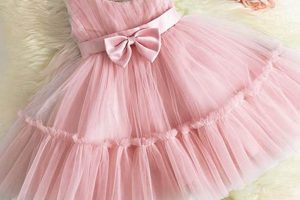
The practice of selecting appropriate garments for infants during cold weather aims to maintain a safe and comfortable body temperature, mitigating the risk of hypothermia or overheating. Considerations include layering, fabric choice, and activity level to ensure thermoregulation. For example, a baby going outside might require a base layer of breathable material, a mid-layer for insulation, and a water-resistant outer layer.
Maintaining an infant’s thermal comfort during winter months is crucial for health and well-being. Effective management of clothing reduces the likelihood of illness and promotes restful sleep. Historically, various cultures have employed diverse methods, from swaddling in natural fibers to utilizing animal skins, to safeguard infants from the cold.
The subsequent sections will detail specific recommendations for selecting appropriate clothing, monitoring an infant’s temperature, and adjusting layers based on environmental conditions. Further considerations include safe sleep practices and the avoidance of potentially hazardous clothing items.
Guidelines for Winter Infant Attire
The following guidelines provide practical advice on selecting suitable clothing for infants during cold weather to ensure their comfort and safety.
Tip 1: Layer Clothing Strategically: Employ multiple thin layers instead of a single heavy garment. This allows for easy adjustment to prevent overheating or chilling. A base layer of cotton or merino wool, a fleece mid-layer, and a water-resistant outer layer offer optimal protection.
Tip 2: Prioritize Breathable Fabrics: Choose materials that allow moisture to escape, preventing the build-up of sweat, which can lead to chilling. Natural fibers like merino wool and cotton, or synthetic fabrics designed for moisture-wicking, are preferable.
Tip 3: Monitor Infant’s Temperature: Regularly check the infant’s chest and neck for signs of overheating or coldness. Cold extremities alone do not necessarily indicate that the infant is cold overall.
Tip 4: Ensure Proper Head Covering: A significant amount of heat is lost through the head. A well-fitting hat or bonnet is essential, particularly when outdoors.
Tip 5: Use Mittens and Booties: Protect extremities with mittens and booties to prevent heat loss. Ensure that these items fit snugly but do not restrict circulation.
Tip 6: Avoid Overdressing During Sleep: When indoors, and especially during sleep, reduce the number of layers to prevent overheating. A lightweight sleep sack or wearable blanket is generally sufficient.
Tip 7: Consider Environmental Conditions: Adjust clothing based on the outside temperature, wind chill, and precipitation. More layers are necessary in extremely cold or windy conditions.
Adhering to these guidelines minimizes the risk of both hypothermia and hyperthermia, contributing to the infant’s overall well-being during the winter months.
The subsequent section will address common errors in choosing appropriate garments for infants during winter.
1. Layering for temperature control

Layering for temperature control constitutes a fundamental aspect of appropriate winter dressing for infants. This method involves applying multiple thin layers of clothing, as opposed to a single heavy garment, to regulate body temperature effectively. The principle behind layering is to create insulating air pockets between each layer, trapping warmth generated by the infant’s body. These layers allow for adjustment based on the ambient temperature and the infant’s activity level. For example, when transitioning from a cold outdoor environment to a warm indoor space, layers can be removed to prevent overheating.
The strategic application of layering minimizes the risk of both hypothermia and hyperthermia. Hypothermia, a condition characterized by dangerously low body temperature, can occur if an infant is inadequately dressed for the cold. Conversely, hyperthermia, or overheating, can result from excessive clothing, particularly in warm indoor settings. Layering enables caregivers to respond dynamically to changing thermal conditions. A typical layering strategy might include a moisture-wicking base layer to draw sweat away from the skin, an insulating mid-layer like fleece or wool, and a weather-resistant outer layer for protection against wind and precipitation.
In summary, layering serves as a flexible and adaptable approach to winter infant attire, promoting thermal comfort and safety. Understanding the principles of layering empowers caregivers to make informed decisions regarding clothing selection, ensuring infants remain comfortable and protected from the potential hazards associated with extreme temperatures. Further considerations might include the selection of appropriate materials for each layer and awareness of specific environmental factors, such as humidity and wind chill, which can influence the effectiveness of the layering system.
2. Breathable fabric is essential

The selection of breathable fabrics directly impacts an infant’s thermal comfort and overall well-being during winter. When considering how to dress a baby in winter, prioritizing materials that allow moisture vapor to escape becomes critical. Non-breathable fabrics trap perspiration, leading to a build-up of moisture against the skin. This dampness, particularly in cold weather, can significantly lower body temperature and increase the risk of hypothermia, or conversely cause overheating if the moisture inhibits proper thermoregulation.
Examples of breathable fabrics suitable for winter infant attire include merino wool, known for its moisture-wicking properties and ability to insulate even when damp, and cotton, a natural fiber that allows for air circulation. Synthetic fabrics engineered for breathability, such as certain types of fleece, can also be appropriate choices. Using non-breathable materials, like plastic-coated outerwear, creates a humid microclimate that can cause discomfort and increase the susceptibility to skin irritation. Therefore, understanding the importance of breathability when choosing garments is vital. An infant dressed in multiple layers of non-breathable fabrics will experience a less comfortable and less safe thermal environment compared to an infant dressed in breathable materials. This impacts the baby’s health.
In conclusion, the essential role of breathable fabrics in the practice of infant winter dressing stems from their ability to manage moisture and maintain a stable body temperature. The challenge lies in discerning truly breathable fabrics from those marketed as such, requiring a careful assessment of material composition and construction. Adherence to this principle contributes significantly to ensuring the safety and comfort of infants during cold weather, aligning with the fundamental goal of protecting their delicate physiological systems.
3. Head covering prevents loss

Infants experience a disproportionately high rate of heat loss through the scalp relative to their overall body surface area. This physiological attribute necessitates prioritizing head covering as a crucial component of adequate winter attire. The comparatively larger head-to-body ratio in infants, coupled with a limited capacity for thermogenesis, renders them particularly vulnerable to temperature fluctuations. The absence of head covering in cold environments can lead to a rapid decrease in core body temperature, potentially resulting in hypothermia. The correlation between exposed head surface area and increased heat loss is particularly pronounced in windy conditions. A simple demonstration of this principle involves observing the subjective sensation of coldness experienced when exposing the scalp to cold air versus covering it.
The practical application of this understanding manifests in the consistent recommendation to use hats, bonnets, or hoods as integral elements of winter clothing for infants. These head coverings should fit snugly, providing adequate insulation without obstructing vision or breathing. Material selection plays a crucial role; wool or fleece offer superior insulation compared to thinner fabrics. While indoors, particularly during sleep, the need for head covering may diminish, depending on the ambient temperature. However, when venturing outdoors, ensuring the infant’s head is adequately covered is paramount. Real-world consequences of neglecting this principle can range from mild discomfort and irritability to more severe conditions requiring medical intervention. The selection of appropriate headwear should also consider the infant’s individual characteristics, such as prematurity or underlying health conditions, which may further increase susceptibility to temperature-related challenges.
In summary, the connection between head covering and preventing heat loss is a fundamental principle within the broader context of winter infant attire. Understanding this relationship emphasizes the significance of selecting appropriate headwear to minimize the risk of hypothermia and maintain thermal homeostasis. Overlooking this consideration represents a potential oversight with implications for the infant’s health and comfort. Continued vigilance in adhering to this principle, alongside other aspects of winter clothing selection, is essential for safeguarding infant well-being during cold weather conditions.
4. Extremity protection needed

Infants possess a limited ability to regulate their body temperature, and their extremitieshands and feetare particularly susceptible to heat loss. When considering how to dress a baby in winter, providing adequate protection for these areas becomes a non-negotiable element. Insufficient insulation of hands and feet can lead to localized vasoconstriction, reducing blood flow and potentially causing discomfort, frostnip, or, in severe cases, frostbite. The relatively high surface area to volume ratio of infants’ extremities facilitates rapid heat dissipation into the surrounding environment. Real-world examples include infants experiencing cold, blueish hands and feet despite otherwise appropriate clothing, indicating the need for greater extremity insulation.
Effective extremity protection involves the use of mittens and booties constructed from insulating materials such as wool, fleece, or specialized thermal fabrics. These garments should fit snugly to retain warmth but must not constrict circulation, which would exacerbate the problem. For instance, excessively tight mittens or booties can impede blood flow, thereby increasing the risk of cold injury. The necessity for extremity protection extends beyond simply preventing discomfort; sustained exposure to cold can compromise immune function, increasing vulnerability to illness. Furthermore, cold extremities can contribute to overall body discomfort, leading to irritability and disrupted sleep patterns.
In summary, protecting an infant’s extremities constitutes a critical aspect of how to dress a baby in winter, given their physiological susceptibility to heat loss. Adherence to this principle involves selecting appropriate insulating garments, ensuring a proper fit, and being vigilant for signs of inadequate insulation. Failure to prioritize extremity protection presents a tangible risk to the infant’s comfort, health, and overall well-being during cold weather conditions, highlighting the practical significance of this understanding.
5. Safe sleep consideration

The interaction between safe sleep practices and appropriate winter attire for infants warrants careful consideration. The overarching principle is to minimize the risk of Sudden Infant Death Syndrome (SIDS) while ensuring thermal comfort. Overdressing, particularly during sleep, can elevate an infant’s body temperature, increasing the likelihood of SIDS. Thus, a balanced approach is essential when determining how to dress a baby in winter for sleep.
- Avoiding Overheating
Overheating is a recognized risk factor for SIDS. Excessive clothing, especially during sleep, can impede the infant’s ability to regulate body temperature. The recommendation is to dress the infant in no more than one layer more than an adult would wear in the same environment. Monitoring the infant for signs of overheating, such as sweating or flushed skin, is crucial.
- Appropriate Sleepwear
The selection of appropriate sleepwear is paramount. Wearable blankets or sleep sacks are preferable to loose blankets, which pose a suffocation hazard. These garments should be lightweight and breathable, allowing for air circulation. Avoid using heavy or bulky clothing that could restrict movement or cause overheating.
- Room Temperature
Maintaining an appropriate room temperature contributes to safe sleep practices. An ideal room temperature for infant sleep is between 68 and 72 degrees Fahrenheit (20 to 22.2 degrees Celsius). Adjusting the thermostat and monitoring the room temperature can help prevent overheating.
- Positioning and Bedding
Always place infants on their backs to sleep, on a firm, flat surface, without any loose bedding, pillows, or toys. While extra blankets might seem necessary in winter, they can pose a suffocation risk and contribute to overheating. A fitted sheet is the only bedding recommended.
The intersection of safe sleep considerations and appropriate winter attire emphasizes the need for a nuanced understanding of infant thermal regulation and SIDS prevention. The primary goal is to create a safe sleep environment that minimizes risks while ensuring comfort. Caregivers should prioritize lightweight, breathable sleepwear, maintain an appropriate room temperature, and avoid overdressing. Regular monitoring of the infant’s temperature and adherence to safe sleep guidelines can significantly reduce the risk of adverse outcomes. How to dress a baby in winter is more than just adding layers, it is about creating a safe sleeping environment.
6. Temperature monitoring crucial
The process of selecting appropriate winter attire for infants necessitates diligent temperature monitoring. Hypothermia or hyperthermia pose significant risks to infants, whose thermoregulatory systems are not yet fully developed. Appropriate garment selection is futile without continuous assessment of the infant’s thermal state. The external environment is dynamic. Clothing that initially provides adequate warmth may induce overheating during periods of increased activity or transitions into warmer settings. Regular temperature checks allow for immediate adjustments, preventing thermal stress. For instance, an infant dressed for a cold outdoor environment who then enters a heated vehicle may quickly become overheated if clothing layers are not removed promptly. Consistent temperature monitoring is the only reliable method for detecting such imbalances.
Effective temperature monitoring involves observing the infant for signs of both coldness and overheating. Coldness is indicated by shivering, cold extremities (although this is not always a reliable indicator alone), or lethargy. Overheating manifests as sweating, flushed skin, rapid breathing, or irritability. Tactile assessment of the infant’s chest or back provides an immediate indication of skin temperature. Specialized devices, such as temporal thermometers, can provide a more precise measurement, particularly in situations where subjective assessment is difficult. Documenting temperature readings can also reveal patterns and facilitate communication with healthcare professionals.
In conclusion, temperature monitoring is an indispensable component of how to dress a baby in winter. It serves as a feedback mechanism, enabling caregivers to adapt clothing choices based on the infant’s actual thermal needs. Neglecting this aspect can negate the benefits of even the most meticulously selected garments. Emphasizing consistent and accurate temperature assessment promotes both the infant’s immediate comfort and long-term health. It also provides an indication of proper dressing for the baby in winter.
Frequently Asked Questions
This section addresses common inquiries and clarifies best practices related to dressing infants appropriately for cold weather conditions.
Question 1: How many layers are typically required for infants during winter outings?
The optimal number of layers varies depending on the ambient temperature and the infant’s activity level. A general guideline is to dress the infant in one layer more than an adult would wear in the same environment. Close monitoring for signs of overheating or coldness remains essential.
Question 2: What fabrics are most suitable for winter infant attire?
Breathable fabrics, such as merino wool and cotton, are preferred. These materials allow moisture to escape, preventing chilling. Synthetic fabrics specifically designed for moisture-wicking can also be appropriate.
Question 3: Is it necessary to cover an infant’s hands and feet even when indoors?
While indoors, the need for mittens and booties depends on the ambient temperature. If the environment is adequately heated, these items may not be necessary. However, if the infant’s extremities feel cold to the touch, providing additional insulation is advisable.
Question 4: How can one distinguish between normal cold extremities and signs of hypothermia in an infant?
Cold extremities alone do not definitively indicate hypothermia. If the infant’s chest or back feels cold, or if the infant exhibits shivering or lethargy, hypothermia is a greater concern. Medical evaluation is warranted if hypothermia is suspected.
Question 5: What are the risks associated with overdressing an infant during sleep?
Overdressing during sleep increases the risk of overheating, a known risk factor for Sudden Infant Death Syndrome (SIDS). Lightweight, breathable sleepwear is recommended, and the room temperature should be maintained within a comfortable range.
Question 6: How frequently should an infant’s temperature be monitored during winter months?
Temperature monitoring should occur regularly, particularly when transitioning between different environments (e.g., indoors to outdoors). Monitoring is most critical when any changes in dressing happens. Monitor upon activity changes. Monitor frequently for changes or potential temperature dysregulation.
Careful attention to these details ensures the baby’s comfort.
The following section will summarize the most important points to remember.
How to Dress a Baby in Winter
The preceding discussion has articulated the essential principles underlying the practice of selecting appropriate winter garments for infants. Key aspects encompass strategic layering, the prioritization of breathable fabrics, the imperative of head and extremity protection, meticulous attention to safe sleep guidelines, and the indispensable role of continuous temperature monitoring. Adherence to these guidelines mitigates the risk of both hypothermia and hyperthermia, safeguarding the infant’s health and well-being during cold weather.
Recognizing the physiological vulnerabilities of infants, the commitment to informed and proactive winter dressing strategies is crucial. Vigilance in applying these principles, coupled with ongoing awareness of individual infant needs and environmental conditions, empowers caregivers to create a safe and comfortable thermal environment. This understanding is not merely a matter of convenience but rather a fundamental aspect of responsible infant care during the winter months, promoting optimal health and development.