The phenomenon where an infant exhibits a preference for resting with their ventral side against the sleep surface presents a specific area of concern within infant care. This position contrasts with the recommended supine position, which involves the infant lying on their back.
Prior to widespread awareness of the risks, placing infants prone (on their stomachs) was common. Subsequent research demonstrated a strong correlation between this sleep position and an increased risk of Sudden Infant Death Syndrome (SIDS). Consequently, pediatric health organizations globally advocate for infants to be placed on their backs to sleep, minimizing this risk. Adherence to this guideline has contributed to a significant reduction in SIDS incidence.
The subsequent sections will address the inherent dangers associated with this positional preference, explore potential underlying reasons for the behavior, and provide evidence-based strategies for encouraging safer sleep practices.
Guidance Regarding Infant Prone Sleeping
The following recommendations are provided to mitigate the risks associated with infants exhibiting a preference for sleeping in a face-down position.
Tip 1: Always Place the Infant Supine Initially: Regardless of an infant’s demonstrated preference, consistently position the infant on their back for every sleep period, including naps.
Tip 2: Ensure a Firm Sleep Surface: Utilize a firm mattress in a crib that meets current safety standards. Soft surfaces, such as pillows or thick blankets, increase the risk of suffocation.
Tip 3: Eliminate Loose Bedding: Keep the sleep area free of loose blankets, pillows, bumper pads, and soft toys. These items can obstruct the infant’s airway.
Tip 4: Supervise During Awake Tummy Time: To promote development, provide supervised tummy time when the infant is awake and alert. Never leave an infant unattended during tummy time.
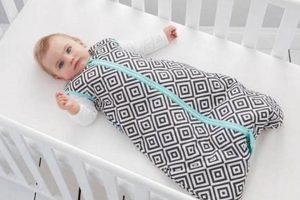
Tip 5: Consider a Sleep Sack or Wearable Blanket: These items provide warmth without the risk of loose bedding covering the infant’s face.
Tip 6: Maintain a Cool Room Temperature: Overheating has been linked to an increased risk of SIDS. Keep the room at a comfortable temperature for an adult.
Tip 7: Consult with a Healthcare Professional: If the infant consistently resists sleeping on their back or exhibits other unusual sleep behaviors, seek guidance from a pediatrician or other qualified healthcare provider.
Adherence to these guidelines contributes significantly to a safer sleep environment for infants, reducing the risk of SIDS and other sleep-related dangers.
The subsequent section will address potential underlying factors that might contribute to an infant’s preference for sleeping in a prone position.
1. Suffocation Risk

The inherent danger of suffocation is significantly amplified when an infant consistently seeks to sleep face down. This position increases the potential for airway obstruction, creating a hazardous sleep environment.
- Rebreathing Exhaled Air
When an infant sleeps face down on a soft surface, exhaled carbon dioxide can become trapped, leading to rebreathing of this air. This reduces oxygen intake and can result in hypoxemia. The physiological immaturity of infants renders them particularly vulnerable to this phenomenon.
- Obstruction by Soft Bedding
Soft bedding, such as pillows, blankets, or stuffed toys, can easily conform to an infant’s face in the prone position, physically obstructing the nose and mouth. This blockage prevents adequate respiration, swiftly leading to suffocation. The infant’s limited motor skills may hinder self-extrication from this situation.
- Compromised Arousal Mechanisms
Research suggests that the prone sleep position can impair an infant’s ability to arouse from sleep. Arousal is a protective mechanism that allows an infant to respond to respiratory distress or other threats. Impaired arousal increases the risk of fatal outcomes in the event of airway compromise.
- Positional Asphyxia
Positional asphyxia occurs when an infant’s body position restricts breathing. Sleeping face down, particularly with the head turned to the side and pressed against a surface, can compromise chest wall movement and diaphragm function, leading to respiratory failure. This risk is heightened in infants with limited neck strength or neurological immaturity.
The convergence of these factors rebreathing, physical obstruction, impaired arousal, and positional asphyxia creates a critical safety concern when an infant repeatedly attempts to sleep face down. Consistent adherence to safe sleep guidelines, including supine positioning and a firm, bare sleep surface, is paramount in mitigating these potentially lethal risks.
2. SIDS Association
The correlation between prone (face-down) sleeping and Sudden Infant Death Syndrome (SIDS) represents a critical area of investigation in pediatric health. Understanding this association is paramount for developing and reinforcing safe sleep practices.
- Epidemiological Evidence
Numerous epidemiological studies have consistently demonstrated a significantly elevated risk of SIDS among infants who are routinely placed to sleep on their stomachs. These studies, conducted across diverse populations, provide compelling evidence of the association. The decline in SIDS rates following widespread adoption of supine (back) sleeping recommendations further strengthens this causal link.
- Physiological Mechanisms
Several physiological mechanisms may contribute to the increased SIDS risk associated with prone sleeping. These include compromised arousal from sleep, impaired thermoregulation, and increased rebreathing of exhaled air. Infants sleeping face down may experience reduced oxygen levels and elevated carbon dioxide levels, triggering potentially fatal events. Furthermore, this position might impede the infant’s ability to respond effectively to airway obstruction.
- Vulnerability Windows
Certain developmental stages render infants particularly vulnerable to the risks associated with prone sleeping. The period between 2 and 4 months of age, characterized by developing motor control and fluctuating arousal thresholds, is a period of heightened risk. Infants with underlying respiratory or neurological conditions may also exhibit increased susceptibility.
- Interaction with Other Risk Factors
The association between prone sleeping and SIDS is often amplified by the presence of other risk factors, such as exposure to cigarette smoke, prematurity, and overheating. The interaction of these factors creates a synergistic effect, significantly increasing the likelihood of a SIDS event. Addressing these co-occurring risks is crucial for comprehensive SIDS prevention strategies.
The multifaceted association between prone sleeping and SIDS underscores the importance of adhering to evidence-based safe sleep guidelines. Consistent supine positioning, combined with the elimination of other modifiable risk factors, remains the cornerstone of SIDS prevention efforts. Continued research is essential for further elucidating the underlying mechanisms and identifying novel strategies for reducing infant mortality.
3. Motor Development

The relationship between motor development and an infant’s preference for a prone sleep position is complex and multifaceted. While supervised “tummy time” is crucial for developing gross motor skills, the preference for sleeping face down can paradoxically hinder certain aspects of motor development if not managed appropriately.
Infants who spend excessive time in the prone position, even during sleep, may develop stronger neck and upper body muscles earlier compared to infants who primarily sleep supine. This increased strength can lead to earlier rolling. However, unsupervised prone sleeping limits opportunities to practice supine-specific motor skills such as reaching for toys suspended above the crib or engaging in reciprocal kicking. Furthermore, if an infant consistently prefers a face-down sleep position due to underlying issues like torticollis (tight neck muscles), it can lead to asymmetrical motor development, where one side of the body develops differently from the other. For example, the infant may consistently turn their head to one side, strengthening those muscles while neglecting the opposite side.
Conversely, the supine sleep position, recommended for SIDS prevention, encourages the development of different motor skills. It promotes visual tracking, reaching, and kicking, which contribute to overall motor coordination and bilateral symmetry. Therefore, managing an infant’s inclination to sleep face down requires a balanced approach. Supervised tummy time should be actively encouraged during waking hours to foster motor development, while strict adherence to supine positioning during sleep is essential for safety. Any consistent preference for the prone position should prompt evaluation for underlying musculoskeletal or neurological issues that may be impacting motor development. Prioritizing safe sleep practices while strategically incorporating developmentally beneficial activities is crucial for optimizing infant well-being.
4. Torticollis Relief

An infant’s inclination to sleep face down is sometimes associated with attempts to find relief from torticollis, a condition characterized by a tightening of the neck muscles, primarily the sternocleidomastoid. This unilateral muscular contraction causes the infant’s head to tilt towards one side and rotate in the opposite direction. The prone position, particularly with the head turned towards the unaffected side, may provide a degree of comfort by stretching the shortened muscles on the affected side. Infants with torticollis may actively seek this position to alleviate discomfort and reduce muscular tension. This is especially true when placed supine, the tension in their affected neck muscles causes the infant to rotate and tilt their head, exacerbating their discomfort.
However, using the prone position for torticollis relief without medical guidance presents significant risks. While a face-down position might temporarily alleviate discomfort, it simultaneously elevates the risk of SIDS and suffocation, as previously discussed. Moreover, prolonged or unsupervised prone positioning can exacerbate muscular imbalances and potentially lead to plagiocephaly (flat head syndrome). Instead, healthcare professionals recommend alternative strategies for torticollis management, including targeted physical therapy exercises to stretch and strengthen neck muscles, positional changes during waking hours, and, in some cases, the use of a cervical collar. These approaches provide relief without compromising infant safety.
Therefore, while the connection between torticollis relief and a preference for the prone sleep position exists, it is crucial to address torticollis through evidence-based and safe interventions. Parents should consult with a pediatrician or pediatric physical therapist to develop a comprehensive treatment plan that prioritizes both comfort and safety. The reliance on a face-down sleeping position for pain relief is neither a safe nor effective long-term solution; appropriate medical guidance is essential.
5. Colic Comfort

The inclination of some colicky infants to seek a face-down position is often attributed to perceived comfort. Colic, defined as excessive, unexplained crying in an otherwise healthy infant, is associated with gastrointestinal discomfort, gas, and abdominal distension. Pressure on the abdomen, such as that experienced in a prone position, may offer temporary relief from these symptoms.
Anecdotal evidence suggests that some infants with colic find that the prone position reduces their discomfort by decreasing pressure or gas build-up. However, this perceived benefit must be weighed against the well-established risks of prone sleeping, particularly the increased risk of Sudden Infant Death Syndrome (SIDS). There are no reliable studies that demonstrate the long-term benefits of prone sleeping for colicky infants. Moreover, healthcare professionals recommend alternative methods of soothing colic that do not involve compromising infant safety. These methods include gentle rocking, swaddling, white noise, and medications in some cases.
In summary, while a colicky infant may appear more content in a prone position due to perceived abdominal comfort, this potential benefit is significantly outweighed by the associated safety risks. Prioritizing safe sleep practices, such as supine positioning, is essential. Healthcare providers can offer guidance on alternative, evidence-based strategies for managing colic symptoms without endangering the infant’s well-being.
6. Reflux alleviation

Infants experiencing gastroesophageal reflux (GER) may exhibit a preference for sleeping in a face-down position. This inclination is hypothesized to be a self-soothing mechanism aimed at alleviating discomfort associated with reflux episodes. However, this practice conflicts with established safe sleep guidelines.
- Esophageal Compression
The prone position places direct pressure on the infant’s abdomen. This compression may, in some instances, exert counter-pressure on the lower esophageal sphincter (LES), potentially reducing the frequency of reflux events. A weakened or immature LES is a primary contributor to GER in infants, allowing stomach contents to flow back into the esophagus.
- Reduced Aspiration Risk (Theoretical)
Proponents of prone sleeping for infants with reflux have historically suggested that it minimizes the risk of aspiration should vomiting or regurgitation occur during sleep. The assumption is that gravity facilitates the drainage of fluids away from the airway. However, this theoretical benefit is outweighed by the increased risk of SIDS, making supine positioning the recommended practice, even for infants with reflux.
- Altered Gastric Emptying
The prone position may influence the rate of gastric emptying, potentially affecting the frequency and severity of reflux episodes. However, the precise mechanism and the consistency of this effect remain subjects of ongoing research. Any alteration in gastric emptying due to positional changes must be considered in the context of overall infant health and safety.
- Sensory Feedback and Comfort
The pressure against the abdomen while face-down may offer sensory feedback to the infant, providing a sense of comfort and potentially distracting from the discomfort of reflux. However, this perceived comfort can be dangerous and should be addressed with safe alternative methods. Consulting with a healthcare provider to manage reflux symptoms safely is crucial.
While the prone position might offer temporary, perceived relief from reflux symptoms, the associated risks of SIDS and suffocation necessitate adherence to supine sleeping recommendations. Safer strategies for managing infant reflux, such as elevating the head of the crib (under medical supervision), frequent burping, and medication (if prescribed), should be prioritized. Parental education regarding safe sleep practices and effective reflux management is essential.
7. Temperature Regulation

An infant’s capacity for thermoregulation is still developing. Placing an infant in a prone position can impede efficient heat dissipation, leading to overheating, a known risk factor for Sudden Infant Death Syndrome (SIDS). Conversely, the prone position, particularly on certain surfaces, could lead to excessive heat loss if the ambient temperature is low.
The prone position, compared to supine, alters an infant’s exposure to airflow and the surface area available for heat exchange. When an infant is face down, a greater proportion of their body is in direct contact with the mattress, reducing the potential for convective heat loss. If the mattress is made of a material that retains heat, this effect is amplified. Overheating can disrupt an infant’s sleep patterns and impair arousal mechanisms, diminishing their ability to respond to respiratory challenges. Conversely, if the sleeping surface is cold or the ambient temperature is low, an infant in the prone position may lose heat more rapidly, potentially leading to hypothermia, which is equally dangerous. Practical significance lies in parents and caregivers consistently observing room temperature and appropriate clothing levels, regardless of sleep position. A room temperature comfortable for a lightly clothed adult is generally appropriate. This also serves to emphasize, the risks associated with using excessive bedding.
Therefore, the relationship between sleeping position and temperature regulation underscores the significance of maintaining a thermally neutral environment for infants. While infants seeking the prone position might reflect an attempt to regulate their temperature, this choice elevates the risk of SIDS and is not a safe or recommended practice. Maintaining an appropriate room temperature and using appropriate clothing, such as a lightweight sleep sack, are safer methods for ensuring optimal thermoregulation during infant sleep. Close monitoring of the infant’s thermal comfort is paramount.
Frequently Asked Questions
The following addresses common inquiries regarding infants demonstrating a preference for the face-down sleep position. The information aims to clarify risks and promote adherence to safe sleep practices.
Question 1: Is it ever safe for an infant to sleep on their stomach?
No. Pediatric health organizations universally recommend placing infants on their backs for all sleep periods, including naps and nighttime sleep, until the infant’s first birthday. This recommendation is based on substantial evidence linking prone sleeping to an increased risk of Sudden Infant Death Syndrome (SIDS).
Question 2: If an infant rolls onto their stomach during sleep, should the infant be turned back?
Once an infant can consistently roll from back to stomach and from stomach to back independently, constant repositioning is no longer necessary. However, consistently placing the infant on their back to initiate sleep remains the recommended practice.
Question 3: Why do some infants seem to prefer sleeping on their stomachs?
Possible reasons for an infant’s preference for stomach sleeping include attempts to alleviate discomfort from colic or reflux, address muscular imbalances from torticollis, or find a more comfortable position due to individual preferences. Regardless, safety outweighs comfort, and the back sleeping position should always be encouraged.
Question 4: What are the risks associated with an infant sleeping on their stomach?
The primary risks associated with prone sleeping are an increased risk of SIDS, suffocation due to airway obstruction, and potential for overheating. Additionally, rebreathing exhaled air trapped against the mattress can lead to decreased oxygen intake.
Question 5: What can be done to discourage an infant from sleeping on their stomach?
Consistently place the infant on their back for sleep. Ensure a firm sleep surface free of loose bedding, pillows, and soft toys. Supervised tummy time during waking hours promotes motor development safely. If the infant consistently resists back sleeping, consult a healthcare professional.
Question 6: Does elevating the head of the crib help prevent reflux and allow for stomach-down sleeping?
Elevating the head of the crib might assist in alleviating reflux symptoms. However, this should be done under medical supervision. It does not negate the risks of prone sleeping. Elevating the crib alone is not sufficient, and infants should still be placed on their back for sleep.
These FAQs emphasize the importance of adhering to established safe sleep guidelines for infant safety. Consistent supine positioning is paramount.
The following section will address strategies for creating a safe sleep environment for infants, reinforcing the principles discussed above.
“Baby Wants to Sleep Face Down”
This article has comprehensively explored the scenario in which an infant exhibits a preference for sleeping face down, underscoring the significant risks associated with this position. The elevated dangers of SIDS, suffocation, and potential thermoregulation issues demand a vigilant approach from caregivers. While potential comfort for conditions like torticollis, colic, or reflux may be perceived, evidence-based safe sleep practices must take precedence.
The persistent adherence to supine positioning for infant sleep remains paramount. Continued education for parents and caregivers, coupled with proactive consultations with healthcare professionals, is essential for fostering a culture of safe sleep. Prioritizing infant well-being through informed decision-making will contribute to the reduction of preventable sleep-related deaths and promote optimal health outcomes.