A designated period focusing on infant rest and related parental education can be a valuable resource. Such a day often involves organized events, workshops, and the dissemination of information concerning healthy sleep habits for newborns and young children. For example, a community might host a series of lectures by pediatricians and sleep consultants, coupled with demonstrations of soothing techniques and safe sleep practices.
Prioritizing infant sleep is crucial for optimal cognitive and physical development. Adequate rest contributes significantly to improved mood, enhanced learning capabilities, and a strengthened immune system in babies. Historically, awareness campaigns targeting infant sleep have played a role in reducing the risk of Sudden Infant Death Syndrome (SIDS) by promoting adherence to established safety guidelines and best practices.
The subsequent sections will delve into specific aspects of infant sleep, including age-appropriate sleep schedules, strategies for establishing consistent sleep routines, and common sleep challenges faced by parents, offering evidence-based solutions and practical advice to foster healthy sleep patterns from an early age.
Infant Sleep Enhancement Strategies
The following evidence-based strategies are designed to promote healthy sleep patterns in infants and support parents in establishing effective sleep routines.
Tip 1: Establish a Consistent Bedtime Routine: A predictable sequence of calming activities, such as a warm bath, gentle massage, and quiet reading, can signal to the infant that it is time to sleep. Consistency is paramount; maintain the routine even when traveling or during periods of disruption.
Tip 2: Create a Conducive Sleep Environment: Ensure the infant’s sleep space is dark, quiet, and cool. Consider using blackout curtains, a white noise machine, or a fan to minimize external stimuli and maintain a comfortable temperature.
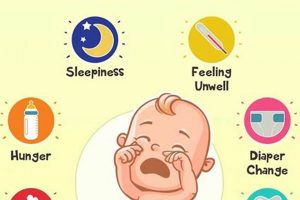
Tip 3: Implement Age-Appropriate Wake Windows: Observe the infant’s cues for tiredness, such as yawning, eye rubbing, and fussiness, and adjust the time spent awake accordingly. Over-tiredness can hinder the ability to fall asleep and stay asleep.
Tip 4: Promote Independent Sleep Skills: Encourage the infant to fall asleep independently by placing them in the crib while drowsy but awake. This allows the infant to develop self-soothing techniques and reduces reliance on external assistance.
Tip 5: Optimize Daytime Feeding Patterns: Ensure the infant receives adequate nutrition throughout the day to minimize nighttime hunger disruptions. Adjust feeding times and amounts based on the infant’s individual needs and growth patterns.
Tip 6: Maintain a Consistent Sleep Schedule: Strive for consistent wake-up and bedtimes, even on weekends. This helps regulate the infant’s circadian rhythm and promotes more predictable sleep patterns.
Implementing these strategies can lead to improved sleep duration, reduced nighttime awakenings, and enhanced overall well-being for both the infant and the caregivers.
The subsequent section will address common misconceptions surrounding infant sleep and provide clarification based on current research and expert recommendations.
1. Awareness Campaigns

Awareness campaigns form a crucial pillar of any successful initiative focusing on infant sleep health, including a hypothetical “baby sleep day.” These campaigns serve as the primary conduit for disseminating vital information regarding safe sleep practices, optimal sleep environments, and the significance of consistent sleep routines. Effective campaigns leverage diverse platforms, including public service announcements, educational brochures, and community workshops, to reach a broad audience of parents, caregivers, and healthcare professionals. For instance, the “Safe to Sleep” campaign in the United States, a national effort to reduce the risk of Sudden Infant Death Syndrome (SIDS), exemplifies a successful awareness campaign utilizing various channels to promote back sleeping and other safe sleep recommendations. A “baby sleep day” relies heavily on such pre-existing and targeted campaigns to amplify its message and impact.
The effectiveness of awareness campaigns directly impacts the practical outcomes associated with improved infant sleep. By educating parents on the risks of unsafe sleep practices, such as co-sleeping in hazardous environments or the use of soft bedding, these campaigns contribute to a reduction in sleep-related infant mortality. Furthermore, they empower parents to make informed decisions regarding sleep schedules, feeding practices, and environmental adjustments that foster healthy sleep habits from an early age. Consider the impact of campaigns promoting the benefits of establishing a consistent bedtime routine; the subsequent adherence to such routines has been demonstrably linked to improved sleep duration and quality in infants. The absence of robust awareness initiatives undermines any programmatic effort to improve infant sleep.
In conclusion, awareness campaigns are not merely supplementary to a “baby sleep day,” but rather constitute an essential and integral component. Their role in disseminating information, promoting safe practices, and empowering parents to make informed decisions directly influences the success of any initiative aimed at improving infant sleep health. Challenges remain in ensuring that these campaigns reach diverse populations and effectively address cultural variations in parenting practices. However, ongoing efforts to refine communication strategies and tailor messaging to specific communities will further enhance the impact of awareness campaigns and contribute to the broader goal of promoting healthy infant sleep globally.
2. Parental Education

Parental education serves as a cornerstone of any successful initiative designed to improve infant sleep, including a designated “baby sleep day.” A direct correlation exists between informed parental knowledge and the implementation of safe and effective sleep practices. Insufficient understanding of infant sleep physiology, safe sleep environments, and age-appropriate sleep routines can lead to inconsistent or even detrimental practices. “Baby sleep day,” therefore, relies heavily on providing parents with accurate, evidence-based information to enable them to make informed decisions regarding their child’s sleep. For instance, parents educated on the importance of placing infants on their backs to sleep, a key tenet of SIDS prevention, are more likely to adhere to this practice, directly reducing the risk of sleep-related infant mortality. The cause-and-effect relationship is clear: increased parental knowledge leads to safer sleep environments and improved infant outcomes.
The practical significance of parental education extends beyond simply disseminating information; it involves equipping parents with the skills to identify and respond to their infant’s sleep cues, establish consistent routines, and troubleshoot common sleep challenges. Workshops, online resources, and consultations with sleep specialists can provide parents with the tools to manage sleep regressions, navigate feeding schedules, and create a sleep-conducive environment. Furthermore, parental education initiatives can address common misconceptions surrounding infant sleep, such as the belief that infants should “sleep through the night” from a very young age. By debunking these myths and providing realistic expectations, parental education programs can alleviate parental anxiety and promote a more relaxed and responsive approach to infant care. The inclusion of lactation consultants and postpartum doulas within these educational structures is essential. This allows for a more holistic approach.
In conclusion, parental education is not merely a component of a “baby sleep day” but is, in fact, its foundation. By providing parents with the knowledge, skills, and support they need to promote healthy infant sleep, these educational initiatives contribute to improved infant well-being, reduced parental stress, and a more positive family dynamic. The challenge lies in ensuring that parental education programs are accessible, culturally sensitive, and tailored to the individual needs of families. Ongoing efforts to expand access to these resources and address disparities in healthcare will further enhance the effectiveness of parental education and contribute to the broader goal of promoting healthy infant sleep globally, and strengthening what a “baby sleep day” can be and accomplish.
3. Community Support

Community support forms an indispensable element of a successful “baby sleep day” initiative. The isolated nature of new parenthood can exacerbate sleep deprivation and associated stress. Community support networks provide a crucial buffer, mitigating these negative effects through various avenues. These avenues include the provision of practical assistance, emotional validation, and access to shared knowledge and resources. The existence of such support systems allows families to more effectively navigate the challenges associated with establishing healthy infant sleep habits. For instance, a local parent support group offering peer-to-peer mentoring can provide new parents with a safe space to share experiences, receive encouragement, and learn practical tips from those who have faced similar challenges. The provision of respite care, even for short periods, can offer exhausted parents much-needed opportunities for rest and rejuvenation, directly impacting their capacity to implement consistent sleep routines.
Furthermore, community support extends beyond informal networks. Formal programs, such as those offered by hospitals or community centers, can provide structured educational workshops, lactation support, and access to pediatric sleep specialists. These programs ensure that parents receive evidence-based information and professional guidance, promoting the implementation of safe and effective sleep practices. The availability of affordable childcare options also plays a critical role in enabling parents to prioritize their own well-being and address sleep deprivation. Consider the impact of a community-based initiative that offers subsidized childcare to low-income families; this assistance directly reduces parental stress and fatigue, creating a more conducive environment for establishing healthy infant sleep patterns. Access to such programs effectively reduces the strain on both parent and child.
In conclusion, community support is not merely an ancillary benefit of “baby sleep day” but a fundamental prerequisite for its success. By providing practical assistance, emotional validation, and access to essential resources, community networks empower parents to navigate the challenges of infant sleep and establish healthy routines. The continued development and strengthening of these support systems, alongside targeted efforts to address disparities in access, are essential for improving infant well-being and promoting a more supportive and sustainable environment for new families. The challenges of isolation and lack of resources must be addressed to cultivate strong parent-baby relationships.
4. Safe Sleep Practices

Safe sleep practices form the bedrock upon which the conceptual framework of “baby sleep day” rests. These practices, rooted in evidence-based research and public health recommendations, aim to minimize the risk of sleep-related infant deaths, primarily Sudden Infant Death Syndrome (SIDS) and accidental suffocation. A “baby sleep day” without a comprehensive focus on safe sleep would be inherently incomplete and potentially counterproductive, as it could inadvertently promote unsafe behaviors. For instance, promoting co-sleeping without emphasizing the specific conditions under which it is considered relatively safe (e.g., a firm sleep surface, no loose bedding) could have detrimental consequences. The cause-and-effect relationship is direct: adherence to safe sleep practices reduces the risk of infant mortality, while deviation from these practices increases the risk. Therefore, “baby sleep day” events should prioritize the dissemination of clear and consistent messaging regarding the American Academy of Pediatrics (AAP) recommendations for safe sleep.
The practical significance of integrating safe sleep practices into “baby sleep day” extends beyond simply preventing immediate harm. Educating parents about these practices fosters a culture of awareness and responsibility that extends throughout the infant’s first year and beyond. For example, teaching parents about the importance of placing infants on their backs to sleep, using a firm sleep surface, and avoiding soft bedding not only reduces the risk of SIDS but also promotes the development of healthy sleep habits. These habits can contribute to improved sleep duration and quality, benefiting both the infant and the caregivers. Furthermore, “baby sleep day” can serve as a platform for addressing common misconceptions surrounding infant sleep and debunking harmful myths, such as the belief that infants should sleep on their stomachs to prevent choking (a demonstrably false and dangerous claim). By providing accurate information and addressing parental concerns, “baby sleep day” can empower parents to make informed decisions that prioritize their infant’s safety and well-being.
In conclusion, safe sleep practices are not merely a component of “baby sleep day” but its very foundation. The success of any initiative aimed at promoting healthy infant sleep hinges on the prioritization and effective communication of these life-saving practices. Challenges remain in ensuring that all parents, regardless of socioeconomic status or cultural background, have access to the resources and information they need to implement safe sleep practices consistently. Ongoing efforts to address these disparities and tailor messaging to specific communities are essential for maximizing the impact of “baby sleep day” and achieving the overarching goal of reducing sleep-related infant deaths.
5. Infant Well-being

Infant well-being constitutes a central tenet intrinsically linked to the principles underpinning “baby sleep day.” Optimal physical, cognitive, and emotional development during infancy are heavily reliant on adequate and restorative sleep. Consequently, efforts to promote infant well-being must necessarily prioritize the establishment of healthy sleep patterns and safe sleep environments. “Baby sleep day” can serve as a critical platform for disseminating information and resources aimed at achieving this objective.
- Cognitive Development
Adequate sleep is essential for cognitive functions such as memory consolidation, learning, and attention span. During sleep, the infant brain processes and integrates new information, strengthening neural connections that support cognitive development. A sleep-deprived infant may exhibit impaired learning abilities, reduced attention span, and difficulties with problem-solving. “Baby sleep day” can educate parents on the importance of age-appropriate sleep schedules and the impact of sleep deprivation on cognitive outcomes, enabling them to create sleep-promoting environments that support healthy brain development.
- Physical Growth and Development
Sleep plays a vital role in physical growth and development. During sleep, the body releases growth hormone, which is essential for tissue repair, bone growth, and muscle development. Sleep deprivation can disrupt growth hormone production, potentially impacting physical growth and development. Additionally, adequate sleep supports a healthy immune system, reducing the infant’s susceptibility to illness. “Baby sleep day” can emphasize the connection between sleep and physical well-being, encouraging parents to prioritize sleep as a fundamental aspect of infant care.
- Emotional Regulation
Sleep is intimately linked to emotional regulation. Sleep-deprived infants are more prone to irritability, fussiness, and difficulty regulating their emotions. Conversely, well-rested infants tend to be more content, adaptable, and better able to manage their emotions. “Baby sleep day” can educate parents on the importance of establishing consistent sleep routines to promote emotional stability and reduce the likelihood of behavioral problems. Furthermore, it can provide parents with strategies for soothing and comforting infants who are struggling to fall asleep or stay asleep, fostering a secure and responsive parent-infant relationship.
- Parent-Infant Bonding
Sufficient sleep for both the infant and the parents significantly contributes to a more positive and responsive parent-infant relationship. Exhausted parents are often less patient, more irritable, and less able to effectively respond to their infant’s needs. Conversely, well-rested parents are more attuned to their infant’s cues, more engaged in interactions, and better able to provide sensitive and responsive care. “Baby sleep day” should emphasize that ensuring sufficient sleep for infants also benefits parents, creating a more harmonious and supportive family environment conducive to healthy bonding and attachment.
The interconnectedness of cognitive, physical, and emotional development, coupled with the reinforcement of parent-infant bonding, underscores the fundamental link between sleep and overall infant well-being. “Baby sleep day” initiatives should holistically address these facets, empowering parents with the knowledge and resources necessary to prioritize sleep as a cornerstone of infant care, fostering optimal development and a nurturing family environment. The implications for a healthy developmental trajectory of infant years are significant and far-reaching.
6. Sleep Research

The efficacy and relevance of “baby sleep day” initiatives are inextricably linked to the body of sleep research. Findings from rigorous scientific investigations directly inform best practices for infant sleep, which, in turn, form the core educational content disseminated during such events. Without this evidence base, “baby sleep day” risks promoting outdated or even harmful advice. For instance, research demonstrating the increased risk of Sudden Infant Death Syndrome (SIDS) associated with prone sleeping has led to widespread recommendations for supine positioning. Similarly, studies elucidating the developmental benefits of consistent sleep routines have underscored the importance of establishing predictable bedtimes and wake-up times. These are but two examples of how research directly influences the practical guidance provided during these focused periods.
Sleep research further informs the design and implementation of targeted interventions aimed at addressing specific sleep challenges faced by infants and their caregivers. Studies examining the efficacy of various behavioral techniques, such as graduated extinction or positive bedtime routines, provide valuable insights into effective strategies for promoting independent sleep skills. Additionally, research exploring the impact of environmental factors, such as room temperature, noise levels, and light exposure, helps to optimize sleep environments. For example, a study demonstrating the effectiveness of white noise machines in masking disruptive sounds can inform recommendations for creating sleep-conducive settings. The translation of research findings into practical, evidence-based advice is paramount to the success of any initiative designed to improve infant sleep.
In conclusion, sleep research serves as the scientific foundation upon which “baby sleep day” is built. The validity and effectiveness of the information disseminated during these events are directly dependent on the quality and rigor of the underlying research. Continued investment in sleep research is crucial for refining our understanding of infant sleep, identifying effective interventions, and ensuring that “baby sleep day” remains a valuable and evidence-based resource for parents and caregivers. The ongoing cycle of research, translation, and dissemination is essential for promoting optimal infant sleep health and well-being.
7. Resource Accessibility
The effectiveness of any “baby sleep day” initiative is inextricably linked to resource accessibility. While information and support may exist concerning infant sleep, their impact is limited if they remain inaccessible to the intended audience. This accessibility encompasses several dimensions, including financial affordability, geographic proximity, linguistic relevance, and technological usability. The simple availability of workshops or online materials does not guarantee their utilization. For instance, a free workshop held during weekday working hours will be inaccessible to parents with inflexible employment schedules or limited childcare options. Similarly, online resources available only in English will fail to reach non-English speaking families, regardless of their need for sleep guidance. The absence of accessible resources effectively negates the potential benefits of a “baby sleep day”, widening disparities in infant health outcomes.
The practical significance of prioritizing resource accessibility lies in its direct impact on parental behaviors and infant well-being. When resources are readily available and tailored to meet the specific needs of diverse communities, parents are more likely to adopt safe sleep practices, establish consistent sleep routines, and seek professional help when facing sleep challenges. Consider the example of a community health clinic offering free in-home consultations with sleep specialists. This service removes barriers related to transportation, cost, and time constraints, enabling vulnerable families to receive personalized support in their own environment. Similarly, the provision of culturally sensitive materials, translated into multiple languages and incorporating culturally relevant parenting practices, can significantly enhance engagement and understanding. These targeted interventions increase the likelihood that parents will implement evidence-based recommendations, resulting in improved infant sleep outcomes and reduced parental stress. Ensuring equitable access is the cornerstone of positive change.
In conclusion, resource accessibility is not merely a desirable addendum to “baby sleep day” but a foundational requirement for its success. Overcoming barriers related to cost, location, language, and technology is crucial for ensuring that all families, regardless of their circumstances, can benefit from the knowledge and support offered. Ongoing efforts to expand resource accessibility, coupled with community-based outreach and culturally sensitive programming, are essential for maximizing the impact of “baby sleep day” and promoting healthy sleep for all infants. Addressing these practical realities is crucial to bridging the gap between information and application and furthering the goals of better infant health and well-being across all communities.
Frequently Asked Questions
The following section addresses common inquiries and concerns related to the topic of infant rest, providing evidence-based information for caregivers.
Question 1: What constitutes a designated period for the focus on infant rest, and what activities typically occur?
Such a period serves to highlight the importance of infant sleep and educate caregivers on best practices. Activities often include workshops, seminars, and the distribution of informational materials covering topics such as safe sleep environments, age-appropriate sleep schedules, and strategies for addressing common sleep challenges.
Question 2: Why is prioritizing infant rest considered crucial for development?
Adequate rest is fundamental for optimal cognitive, physical, and emotional development in infants. It supports memory consolidation, immune function, and emotional regulation. Deficiencies in rest can lead to impaired cognitive function, weakened immune responses, and increased irritability.
Question 3: What are the recommended guidelines for creating a safe sleep environment for infants?
Safe sleep environments adhere to specific guidelines aimed at reducing the risk of Sudden Infant Death Syndrome (SIDS) and other sleep-related incidents. These guidelines include placing infants on their backs to sleep, using a firm sleep surface, avoiding soft bedding, and ensuring the sleep environment is free from hazards such as loose blankets or pillows.
Question 4: What are some common sleep challenges faced by parents of infants, and what strategies can be employed to address them?
Common sleep challenges include frequent nighttime awakenings, difficulty falling asleep, and sleep regressions. Strategies for addressing these challenges include establishing consistent bedtime routines, optimizing the sleep environment, and implementing age-appropriate sleep schedules. Consulting with a pediatrician or sleep specialist is recommended for persistent or severe sleep problems.
Question 5: How can parents establish a consistent and effective bedtime routine for their infants?
A consistent bedtime routine should involve a series of calming activities that signal to the infant that it is time to sleep. These activities may include a warm bath, gentle massage, quiet reading, or singing lullabies. Consistency is key; the routine should be implemented at the same time each night and in the same order.
Question 6: What role does community support play in promoting healthy infant sleep?
Community support networks provide valuable resources and emotional support for parents navigating the challenges of infant sleep. These networks may include parent support groups, online forums, and access to healthcare professionals specializing in infant sleep. Sharing experiences and receiving guidance from others can alleviate parental stress and promote the adoption of evidence-based sleep practices.
Prioritizing rest and adhering to safe sleep guidelines are paramount for ensuring infant safety and optimal development. Caregivers are encouraged to seek additional information and support from healthcare professionals and community resources.
The following section will delve into practical tips for creating ideal conditions for sleep during this period.
Conclusion
This exploration has underscored the multifaceted significance of dedicating a period to focus on infant sleep. “Baby sleep day,” as a concept, embodies a commitment to promoting the well-being of infants and supporting their caregivers through education, resource provision, and community engagement. The various aspects discussed, from awareness campaigns to safe sleep practices and the fundamental role of research, collectively illustrate the potential of such an initiative to improve infant health outcomes and parental quality of life.
The success of “baby sleep day” ultimately hinges on sustained effort and a commitment to evidence-based practices. A future where all families have access to the information and support they need to foster healthy infant sleep remains a critical goal. A conscientious implementation of the principles outlined herein represents a significant step towards realizing that vision, contributing to a healthier and more rested start for future generations.