Infant unwillingness to maintain a supine sleep position presents a common challenge for caregivers. This behavior manifests as resistance to being placed on the back for sleep, frequent attempts to roll over to the stomach or side, or increased fussiness when positioned in this manner. Such reluctance can stem from a variety of factors, including discomfort, a preference for alternative positions, or learned associations.
Adherence to recommended sleep guidelines is critical for infant safety and well-being. The supine position has been demonstrated to significantly reduce the risk of Sudden Infant Death Syndrome (SIDS). Historically, changes in sleep position recommendations have been directly correlated with substantial decreases in SIDS rates. Therefore, addressing infant aversion to back sleeping is paramount to upholding these vital safety measures.
The following sections will explore the potential causes contributing to this behavior, effective strategies for encouraging supine sleep, and when professional medical advice should be sought. Understanding these aspects is crucial for fostering safe sleep habits and promoting infant health.
Strategies for Encouraging Supine Sleep
Addressing infant resistance to back sleeping requires patience and a multi-faceted approach. The following strategies aim to promote acceptance of the supine position while prioritizing infant safety and comfort.
Tip 1: Evaluate Potential Discomfort. Assess the infant’s environment for factors contributing to discomfort. Ensure the sleep surface is firm and flat, free from loose bedding, pillows, or soft toys. Check the room temperature to prevent overheating or chilling. Consider the possibility of reflux or colic, which may be exacerbated in certain positions. Consultation with a pediatrician is recommended if discomfort persists.
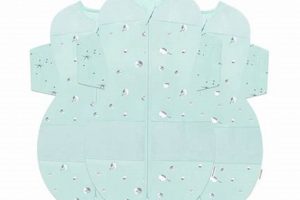
Tip 2: Swaddling Techniques. Proper swaddling can provide a sense of security and limit the startle reflex, which may disturb sleep. Use a lightweight, breathable swaddle blanket and ensure it is not too tight around the hips. Discontinue swaddling once the infant shows signs of attempting to roll over.
Tip 3: Gradual Transitioning. If the infant consistently falls asleep in a different position (e.g., in arms), gently transition them to the back after they are deeply asleep. This may minimize resistance and allow the infant to adjust gradually.
Tip 4: Pre-Sleep Routine. Establish a consistent and calming pre-sleep routine. This could include a warm bath, gentle massage, and quiet singing. A predictable routine signals to the infant that it is time to sleep, potentially easing the transition to the crib in the supine position.
Tip 5: Daytime Practice. Encourage supervised tummy time during waking hours. This helps strengthen neck and shoulder muscles, which is beneficial for overall development and may reduce discomfort when placed on the back for sleep.
Tip 6: Consistency. Maintain consistency with the chosen strategies. Switching between different approaches can confuse the infant and hinder adaptation to the supine position. Patience and persistence are key to success.
Tip 7: Monitor for Developmental Milestones. As the infant develops and gains motor skills, such as rolling over, the ability to independently change positions becomes relevant. Once an infant can consistently roll from back to stomach and stomach to back, parental intervention to maintain the supine position is no longer necessary, provided the sleep environment is safe.
Adopting these strategies can facilitate acceptance of the recommended sleep position and promote safe, restful sleep for the infant. Observing the infant’s cues and consulting with healthcare professionals are crucial for addressing individual needs and concerns.
The following section will address when professional medical consultation is recommended for infants who consistently resist back sleeping.
1. Discomfort Identification

Infant resistance to the supine sleep position is frequently associated with underlying discomfort. The inability of a preverbal infant to articulate specific sources of distress necessitates a systematic process of discomfort identification. Various physical ailments or environmental factors can contribute to an aversion to lying on the back, directly impacting the infant’s willingness to maintain the recommended sleep position.
Examples of discomfort leading to refusal of the supine position include gastroesophageal reflux, musculoskeletal pain, and sensitivity to environmental stimuli. Infants experiencing reflux may find that lying flat exacerbates their symptoms, leading them to arch their back and resist being placed in a horizontal position. Similarly, musculoskeletal issues, such as torticollis, can cause discomfort when the infant’s head is positioned in certain ways, making back sleeping problematic. Furthermore, factors such as excessive room temperature, scratchy clothing, or a lumpy mattress can contribute to general unease, further influencing the infant’s unwillingness to sleep on the back. Accurate identification of these potential sources of discomfort is the initial step towards addressing the sleep aversion and promoting safe sleep practices.
In conclusion, discomfort identification forms a cornerstone in addressing an infant’s resistance to supine sleep. Failure to recognize and mitigate these underlying causes can perpetuate the problem, potentially leading to unsafe sleep practices as caregivers seek alternative solutions to soothe the infant. Addressing these issues not only promotes more restful sleep but also contributes to the infant’s overall well-being and reduces the risk of SIDS.
2. Positional Preference

The development of a positional preference in infancy significantly influences an infant’s acceptance of the recommended supine sleep position. This preference, often established early in life, can manifest as a distinct aversion to lying on the back, creating challenges for caregivers striving to adhere to safe sleep guidelines.
- Early Development of Preference
Positional preferences can emerge in utero or shortly after birth, shaped by factors such as fetal positioning and habitual carrying practices. Infants may develop a perceived comfort or security in certain positions, making the supine position feel unfamiliar or unsettling. This early establishment of preference can create significant resistance to back sleeping.
- Impact of Torticollis
Congenital muscular torticollis, characterized by a tightening of the neck muscles, frequently leads to a pronounced positional preference. Infants with torticollis often favor turning their head to one side, making it uncomfortable or even painful to lie supine with the head facing straight up. This physical limitation exacerbates the aversion to back sleeping.
- Influence of Daytime Activities
The amount of time spent in various positions during waking hours can influence positional preferences. Infants who spend limited time in the prone position (tummy time) may develop weaker neck muscles and a greater discomfort with being placed on their backs. Conversely, adequate tummy time can strengthen neck muscles and improve tolerance for the supine position.
- Sensory and Vestibular Input
An infant’s sensory and vestibular systems play a role in positional preferences. Some infants may find the sensation of lying flat on their back to be overwhelming or disorienting. Alternative positions, such as being held upright, may provide more comforting sensory input and a greater sense of security. This sensory preference can contribute to a reluctance to be placed in the supine position for sleep.
These facets underscore the complex relationship between positional preference and an infant’s refusal to sleep on the back. Understanding the factors contributing to positional preferences is crucial for developing targeted strategies to promote acceptance of the supine position while ensuring safe and restful sleep for the infant.
3. Reflex Influence

Infant reflexes exert a significant influence on sleep patterns, and their impact can manifest as reluctance to sleep in the supine position. Certain primitive reflexes, particularly the Moro reflex (startle reflex) and the Tonic Neck Reflex (fencing reflex), can disrupt an infant’s sleep cycle and contribute to an aversion to back sleeping. The Moro reflex, triggered by sudden changes in head position or loud noises, causes the infant to extend their arms and legs outward before bringing them back towards the body. This involuntary movement can awaken the infant or create a sensation of instability, leading to fussiness and resistance when placed on the back. Similarly, the Tonic Neck Reflex, which involves the infant extending one arm and leg to the side while turning the head in that direction, can cause discomfort or impede the ability to relax fully in the supine position. The frequent elicitation of these reflexes can result in the infant associating the back-sleeping position with discomfort and disrupted sleep.
Understanding the influence of these reflexes is crucial for caregivers attempting to promote supine sleep. For instance, swaddling can effectively mitigate the Moro reflex by restricting arm movements, providing a sense of security, and preventing the startle reflex from disrupting sleep. Additionally, ensuring a calm and quiet sleep environment minimizes external stimuli that could trigger the Moro reflex. In cases where the Tonic Neck Reflex seems to be a contributing factor, gently repositioning the infant’s head may alleviate discomfort and promote relaxation. Strategies that minimize the impact of these reflexes can significantly enhance an infant’s acceptance of the back-sleeping position, reducing the likelihood of resistance and promoting safer sleep practices.
In summary, the connection between reflex influence and an infant’s reluctance to sleep on the back is substantial. The Moro and Tonic Neck reflexes can disrupt sleep, create discomfort, and lead to positional aversion. By recognizing and addressing the impact of these reflexes through appropriate interventions like swaddling and environmental modifications, caregivers can promote safer and more restful sleep for infants, contributing to a reduced risk of SIDS and fostering overall well-being. Further research into the interaction between infant reflexes and sleep patterns is warranted to refine strategies for promoting safe sleep practices.
4. Medical Conditions
Certain medical conditions can significantly influence an infant’s willingness to sleep in the supine position. These conditions often manifest as discomfort or breathing difficulties, creating an aversion to lying on the back and subsequently increasing parental concern regarding safe sleep practices.
- Gastroesophageal Reflux (GERD)
GERD, a common condition in infants, involves the backward flow of stomach contents into the esophagus. When supine, this reflux can be exacerbated, leading to discomfort, regurgitation, and potential respiratory complications. Infants with GERD may arch their backs, cry, and resist being placed on their backs for sleep due to the increased discomfort. Management strategies often include elevating the head of the crib, but these must be implemented with caution to maintain a firm, flat sleep surface.
- Respiratory Issues
Conditions such as bronchiolitis, asthma, or even a simple upper respiratory infection can make breathing more difficult when lying supine. Nasal congestion, increased mucus production, and airway inflammation can be aggravated by the supine position, leading to increased work of breathing and discomfort. Infants may instinctively prefer to sleep in more upright positions to ease their breathing, which can conflict with safe sleep recommendations.
- Torticollis and Musculoskeletal Pain
Torticollis, a condition characterized by tightening of the neck muscles, can result in a limited range of motion and a preference for turning the head to one side. This can make lying supine uncomfortable or painful, leading infants to resist this position. Similarly, other musculoskeletal issues or birth-related trauma can cause discomfort when lying flat, prompting infants to seek alternative positions that provide relief.
- Congenital Heart Defects
While less common, certain congenital heart defects can affect an infant’s ability to comfortably sleep supine. Depending on the specific defect, lying flat may increase the workload on the heart or compromise respiratory function. These infants often require careful positioning and medical management, potentially necessitating deviation from standard safe sleep recommendations under the guidance of a physician.
The presence of underlying medical conditions presents a complex challenge in promoting safe sleep practices. Recognizing and addressing these conditions is crucial for ensuring the infant’s comfort and well-being while minimizing the risk of SIDS. Collaboration between caregivers and healthcare professionals is essential to develop individualized sleep plans that prioritize both safety and symptom management. It is imperative that deviations from standard safe sleep recommendations are made only under medical supervision.
5. Developmental Stage

The developmental stage of an infant is intrinsically linked to the phenomenon of refusing to sleep on the back. As infants progress through various developmental milestones, their physical capabilities, awareness of their surroundings, and comfort preferences evolve, directly influencing their acceptance of the supine sleep position. For example, an infant beginning to roll over may actively resist being placed on the back, demonstrating a newfound desire for mobility and a preference for the stomach or side position, even if unable to return to the back independently. This resistance is not necessarily indicative of discomfort but rather a manifestation of emerging motor skills and a changing perception of body positioning.
Furthermore, the appearance and eventual integration of primitive reflexes play a crucial role. While reflexes such as the Moro reflex can initially disrupt sleep in the supine position, leading to aversion, the gradual disappearance of these reflexes typically correlates with improved tolerance for back sleeping. However, if the Moro reflex remains excessively sensitive beyond the typical timeframe, it can continue to contribute to resistance. Cognitively, as infants become more aware of their environment, they may develop preferences for visual stimulation or specific sensory input that are not easily obtained while lying on their back. The ability to see more of the room from a prone or side position can be more appealing, leading to active attempts to avoid the supine position.
In summary, an infant’s developmental stage significantly shapes their willingness to sleep on the back. Emerging motor skills, evolving reflex integration, and increasing environmental awareness all contribute to the infant’s perception of comfort and preference, ultimately influencing their acceptance of the supine position. Understanding these developmental factors allows caregivers to implement tailored strategies, such as adapting the sleep environment to provide more visual stimulation or adjusting swaddling techniques to minimize reflex interference, to promote safer and more restful sleep.
6. Environmental Factors
The infant’s sleep environment exerts a considerable influence on their acceptance of the supine sleep position. Environmental factors encompass a range of elements within the infant’s immediate surroundings that can either promote or inhibit restful sleep on the back. Deviation from recommended conditions can directly contribute to an infant’s resistance to being placed in, or remaining in, the supine position. A room that is excessively warm, for instance, can lead to overheating and discomfort, prompting the infant to become restless and resist being placed on the back. Conversely, a room that is too cold can cause the infant to feel chilled and insecure, leading to similar resistance. The presence of excessive noise or bright lights can overstimulate the infant, disrupting their ability to fall asleep or stay asleep on their back. These sensory overloads can create an association between the supine position and a disruptive, uncomfortable environment.
Moreover, the composition of the sleep surface itself is a critical environmental factor. A mattress that is too soft, uneven, or contains loose bedding poses a safety hazard and can also cause discomfort. In such scenarios, infants may intuitively resist being placed on their back due to a perceived lack of support or stability. The presence of strong odors, such as perfumes or cleaning products, can be irritating and disruptive, further contributing to the infant’s aversion to the sleep environment. Real-life examples include parents reporting improved sleep when switching to a firmer mattress or adjusting the room temperature. Understanding the practical significance of these environmental factors allows caregivers to create a sleep space that is conducive to safe and restful sleep, thereby increasing the likelihood of the infant accepting the supine position.
In summary, environmental factors are integral to an infant’s comfort and acceptance of the supine sleep position. By carefully controlling temperature, noise levels, lighting, and the composition of the sleep surface, caregivers can significantly reduce the likelihood of resistance. Addressing these elements proactively creates a safer and more inviting sleep environment, which supports adherence to safe sleep guidelines and reduces the risk of SIDS. The challenge lies in identifying the specific environmental factors that are contributing to the infant’s resistance and implementing appropriate modifications to promote a more conducive sleep environment.
7. Consistent Strategies

Infant resistance to the supine sleep position frequently necessitates the implementation of carefully considered strategies. The effectiveness of these approaches, however, relies heavily on consistency. Inconsistent application of techniques designed to encourage back sleeping can exacerbate the behavior and create further challenges for caregivers. For example, alternating between swaddling and not swaddling, or varying the pre-sleep routine, introduces unpredictability that can increase anxiety and disrupt the infant’s sleep patterns. This inconsistency may reinforce the aversion to back sleeping as the infant struggles to adapt to changing conditions.
The importance of consistent strategies as a component of addressing this resistance stems from the principle of behavioral conditioning. Repeated exposure to a predictable sleep environment, coupled with consistent responses to the infant’s cues, fosters a sense of security and predictability. When an infant learns to associate the supine position with a calming routine and a comfortable environment, the resistance is likely to diminish over time. Consider the example of a caregiver who consistently employs a specific sequence of events before bedtime: a warm bath, followed by a gentle massage, and then a quiet song, all while the infant is swaddled and placed on their back. This routine, when consistently applied, can become a powerful cue that signals to the infant that it is time to sleep, thereby facilitating the transition to the supine position.
Conversely, inconsistent approaches can inadvertently reinforce negative associations with back sleeping. If the infant is sometimes allowed to sleep in a different position to alleviate fussiness, this can inadvertently teach them that resisting the supine position will result in being moved to a preferred alternative. The practical significance of understanding the connection between consistent strategies and infant resistance to back sleeping lies in the potential for creating a safer and more restful sleep environment. By establishing and maintaining a consistent and predictable routine, caregivers can minimize the infant’s anxiety, promote a sense of security, and gradually encourage acceptance of the recommended sleep position. Consistency should be the cornerstone of any approach to address infant sleep aversions, always prioritizing safety and well-being.
Frequently Asked Questions
The following questions address common concerns and misconceptions surrounding infant unwillingness to sleep on their back, providing guidance based on current medical understanding.
Question 1: Why is back sleeping recommended for infants?
The supine position for infant sleep is recommended due to its demonstrated association with a reduced risk of Sudden Infant Death Syndrome (SIDS). Extensive research has consistently shown a correlation between back sleeping and a decrease in SIDS incidence.
Question 2: Is it safe to let an infant sleep on their side if they refuse to sleep on their back?
Side sleeping is not recommended as a safe alternative to back sleeping. The side position is inherently unstable and increases the risk of the infant rolling onto their stomach, which elevates the risk of SIDS.
Question 3: What if an infant rolls onto their stomach during sleep? Should they be turned back?
Once an infant can consistently roll from back to stomach and stomach to back independently, parental intervention to reposition them is no longer necessary. However, the sleep environment must remain free of hazards such as loose bedding or soft toys.
Question 4: Are there any medical conditions that might cause an infant to refuse to sleep on their back?
Certain medical conditions, such as gastroesophageal reflux (GERD), torticollis, or respiratory issues, can cause discomfort when lying supine. Consultation with a pediatrician is recommended to address these underlying conditions.
Question 5: Does swaddling help an infant sleep on their back?
Proper swaddling can provide a sense of security and limit the startle reflex, potentially facilitating back sleeping. However, swaddling must be done correctly to avoid hip dysplasia, and it should be discontinued once the infant shows signs of attempting to roll over.
Question 6: When should professional medical advice be sought for an infant who refuses to sleep on their back?
Professional medical advice is recommended if the infant’s resistance to back sleeping is accompanied by other symptoms, such as excessive crying, feeding difficulties, or signs of developmental delay. A healthcare provider can assess the infant for underlying medical conditions and provide tailored recommendations.
Addressing infant resistance to supine sleep requires careful consideration of individual circumstances and adherence to safe sleep guidelines. Maintaining a safe sleep environment and consulting with healthcare professionals are crucial for promoting infant well-being.
The following section will delve into resources available to caregivers seeking guidance on addressing this common concern.
Conclusion
The persistent refusal to sleep supine in infancy necessitates a comprehensive understanding of contributing factors, ranging from medical conditions and developmental stages to environmental influences and the consistent application of behavioral strategies. A nuanced approach, informed by current research and professional medical guidance, is crucial for ensuring infant safety and well-being.
Addressing this multifaceted challenge demands a commitment to evidence-based practices and ongoing monitoring of infant development and comfort. The prioritization of safe sleep guidelines and proactive engagement with healthcare providers remain paramount in mitigating risks and promoting optimal outcomes for both infant and caregiver.