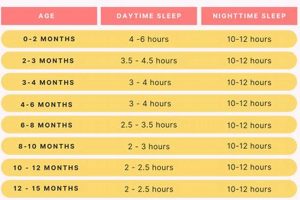
The practice of infants and very young children resting in open-air environments is a child-rearing approach gaining renewed interest. This involves placing a child, appropriately dressed and secured, in a pram, cot, or designated sleep space located outdoors, exposed to fresh air and natural light during nap times or for longer periods. Proponents suggest several advantages associated with this method.
Historically, this approach was more commonplace in certain cultures, particularly in Nordic countries, where beliefs surrounding the benefits of fresh air for immune system development and overall well-being prevailed. Modern proponents cite potential benefits such as improved sleep duration and quality, enhanced oxygen intake, and increased exposure to natural daylight, which aids in regulating circadian rhythms. Furthermore, some studies suggest a possible correlation with reduced susceptibility to certain common childhood illnesses, although more research is required to substantiate these claims definitively. The practice requires careful consideration of environmental factors, including temperature, air quality, and potential hazards.
Subsequent discussion will delve into the specific benefits and considerations concerning open-air infant rest, outlining best practices for implementation, addressing potential risks, and examining relevant safety guidelines to ensure the well-being of the child. This includes the role of appropriate clothing, monitoring techniques, and environmental awareness.
Essential Guidance for Open-Air Infant Rest
The following provides a structured set of recommendations for facilitating periods of open-air rest for infants. Adherence to these guidelines is crucial to ensure the child’s safety and well-being.
Tip 1: Monitor Environmental Conditions: Prior to each instance, evaluate the ambient temperature, wind chill, and air quality. If the temperature is excessively low or high, or if air quality is poor due to pollution or allergens, the practice should be avoided.
Tip 2: Dress Appropriately: Ensure the child is dressed in layers suitable for the outdoor temperature. Consider using breathable, natural fabrics to regulate body temperature and prevent overheating or chilling. A general guideline is to dress the infant in one more layer than what an adult would wear in the same conditions.
Tip 3: Provide Adequate Shelter: Use a pram, bassinet, or cot specifically designed for outdoor use. Ensure the structure provides adequate shade from direct sunlight and protection from wind and precipitation. A mesh covering can offer protection from insects.
Tip 4: Maintain Constant Supervision: Never leave a child unattended. Continuous visual and auditory monitoring is mandatory to detect any signs of distress or discomfort, such as crying, shivering, or excessive sweating.
Tip 5: Limit Exposure Duration: Start with shorter durations, gradually increasing the time spent outdoors as the child acclimates to the practice. Observe the child’s response and adjust the duration accordingly. As a general guideline, limit initial exposures to 30-60 minutes.
Tip 6: Ensure Secure Positioning: Place the child on their back to reduce the risk of Sudden Infant Death Syndrome (SIDS). Secure the child with appropriate swaddling or a sleep sack to prevent them from rolling over or becoming entangled in loose bedding.
Tip 7: Establish a Consistent Routine: Integrating the rest period into a regular schedule can promote better sleep patterns. Consistent timing can help regulate the child’s circadian rhythm.
Safe open-air rest necessitates a combination of careful planning, vigilant monitoring, and adaptation to individual infant needs. By adhering to these guidelines, caregivers can potentially mitigate risks and maximize the benefits associated with this practice.
The subsequent section will address potential challenges and frequently asked questions relating to open-air infant care.
1. Temperature Regulation

Temperature regulation is paramount when infants are resting in open-air environments. Infants possess limited thermoregulatory capabilities, making them susceptible to rapid changes in body temperature. Precise management of the thermal environment is crucial to prevent hypothermia (excessive cooling) or hyperthermia (overheating), both of which pose significant health risks.
- Clothing Layers
The layering of clothing allows for dynamic adjustments to the infant’s thermal comfort. Multiple thin layers trap air, providing insulation. Adjustments involve adding or removing layers as environmental temperatures fluctuate. For example, on a cool day, an infant might wear a base layer of breathable cotton, a fleece sweater, and a lightweight jacket. If the infant appears flushed or is sweating, a layer can be removed. Conversely, if the infant feels cool to the touch, additional layers can be added. Improper layering can lead to either overheating, increasing the risk of SIDS, or hypothermia, compromising immune function.
- Ambient Temperature Monitoring
Consistent monitoring of the surrounding air temperature is essential. Caregivers should utilize thermometers to track temperature variations throughout the open-air rest period. A sudden drop in temperature, even on a seemingly mild day, necessitates immediate intervention. Similarly, a rapid increase in temperature due to direct sunlight exposure requires repositioning the infant to a shaded area or adjusting clothing layers. Failure to monitor and respond to temperature changes can have immediate and potentially long-term health consequences for the infant.
- Air Circulation and Ventilation
Adequate air circulation is crucial for preventing overheating, especially in enclosed spaces such as prams or bassinets. Proper ventilation dissipates heat and moisture, maintaining a comfortable and safe thermal environment. If the air is stagnant, a small fan can be used to promote airflow. Conversely, in windy conditions, windbreaks or pram covers should be deployed to prevent excessive cooling. Insufficient ventilation can cause heat buildup and dehydration, while excessive wind exposure can lead to hypothermia and respiratory distress.
- Material Selection
The selection of appropriate bedding and clothing materials significantly impacts temperature regulation. Breathable, natural fibers such as cotton and merino wool facilitate moisture wicking and allow for better airflow. Synthetic materials, while sometimes water-resistant, can trap heat and moisture, increasing the risk of overheating. Similarly, heavy, non-breathable blankets can hinder heat dissipation. Choosing materials that support natural thermoregulation is a critical component of safe open-air infant rest.
The interplay of these facets clothing layers, ambient temperature monitoring, air circulation, and material selection is critical for maintaining a stable and safe thermal environment for infants in open-air settings. Neglecting any of these aspects can compromise the infant’s well-being, underscoring the importance of meticulous attention to temperature regulation in this practice.
2. Air Quality

Exposure to ambient air quality is a crucial consideration when facilitating open-air rest periods for infants. Due to their developing respiratory systems and higher breathing rates, infants are particularly vulnerable to the adverse effects of air pollution. Assessing and mitigating potential risks associated with air quality is paramount to ensure the safety and well-being of the child.
- Particulate Matter (PM2.5 and PM10)
Particulate matter refers to microscopic solid or liquid particles suspended in the air. PM2.5, particles with a diameter of 2.5 micrometers or less, pose a significant threat due to their ability to penetrate deep into the lungs and even enter the bloodstream. PM10, particles with a diameter of 10 micrometers or less, can irritate the airways and cause respiratory symptoms. Elevated levels of particulate matter, often resulting from combustion sources such as traffic, industrial emissions, and wood burning, can trigger asthma attacks, respiratory infections, and other adverse health effects in infants. Monitoring local air quality indices for PM2.5 and PM10 levels is essential before allowing infants to rest outdoors.
- Gaseous Pollutants (Ozone, Nitrogen Dioxide, Sulfur Dioxide)
Gaseous pollutants, including ozone (O3), nitrogen dioxide (NO2), and sulfur dioxide (SO2), are commonly found in urban environments and near industrial areas. Ozone, formed through photochemical reactions involving sunlight and pollutants from vehicle exhaust and industrial emissions, can irritate the respiratory system, causing coughing, wheezing, and reduced lung function. NO2 and SO2, primarily emitted from combustion processes, can also irritate the airways and exacerbate respiratory conditions. Exposure to high concentrations of these gaseous pollutants can have long-term effects on infant respiratory health. Real-time monitoring data from environmental agencies should be consulted to assess the levels of these pollutants.
- Allergens (Pollen, Mold Spores)
Airborne allergens, such as pollen from trees, grasses, and weeds, and mold spores, can trigger allergic reactions in susceptible infants. Exposure to these allergens can lead to symptoms such as sneezing, runny nose, itchy eyes, and even asthma exacerbations. Pollen counts typically peak during specific seasons, varying by geographic location. Mold spores can thrive in damp or humid environments. Awareness of local pollen forecasts and mold spore counts is important when considering open-air rest periods. Avoiding outdoor rest during peak allergen seasons or in areas with high mold concentrations is advisable.
- Proximity to Pollution Sources
The proximity of the rest area to potential pollution sources significantly impacts the air quality. Areas near busy roads, industrial facilities, construction sites, or agricultural operations are likely to have higher concentrations of pollutants. Infants should not be placed in close proximity to idling vehicles, which emit significant amounts of exhaust fumes. If possible, select a location for open-air rest that is relatively far from known pollution sources and shielded from direct exposure to pollutants. Indoor air quality can also affect outdoor air quality through ventilation systems; therefore, awareness of indoor pollution sources is also important.
The multifaceted nature of air quality necessitates a comprehensive assessment prior to engaging in open-air rest for infants. Continuous monitoring of pollution levels, awareness of local allergen patterns, and strategic selection of rest areas are essential to minimize potential health risks. By prioritizing air quality considerations, caregivers can contribute to the overall well-being of infants during outdoor rest periods.
3. Sunlight Exposure

Sunlight exposure, while offering potential benefits, presents a critical consideration when infants are resting outdoors. The synthesis of Vitamin D, essential for bone development and immune function, is stimulated by UVB radiation from sunlight. However, an infant’s skin is highly sensitive, rendering them susceptible to sunburn and long-term skin damage from excessive or unprotected exposure. The duration and intensity of sunlight must be carefully managed to maximize the advantages while minimizing the risks. For instance, brief periods of exposure during morning hours, before the sun’s rays are at their peak intensity, can facilitate Vitamin D production with a reduced risk of sunburn. The amount of sunlight needed depends on skin pigmentation; infants with darker skin require longer exposure times to produce the same amount of Vitamin D as those with lighter skin.
Protective measures are indispensable. Direct sunlight should be avoided, particularly during peak hours. Shaded areas, created by pram canopies or natural foliage, offer a protective barrier. Sunscreen application, using products specifically formulated for infants and containing zinc oxide or titanium dioxide, is recommended for exposed skin, such as the hands and face, even in shaded areas, as reflected UV radiation can still pose a risk. Protective clothing, including wide-brimmed hats and lightweight, long-sleeved shirts and pants made from tightly woven fabrics, further reduces exposure. Real-world implications include the need for constant vigilance and adaptive strategies based on environmental conditions and individual infant characteristics.
In summary, the interaction between sunlight exposure and infant well-being during outdoor rest necessitates a balance between harnessing beneficial UVB radiation and mitigating the potential harms of overexposure. Challenges include variations in sunlight intensity throughout the day and year, as well as differing skin sensitivities among infants. Effective strategies involve careful timing, appropriate protective measures, and continuous monitoring, aligning with the overarching goal of promoting infant health and safety in outdoor environments. Understanding these dynamics is crucial for any caregiver considering this practice.
4. Supervision

The practice of infants resting in open-air environments necessitates constant and vigilant supervision. The direct cause-and-effect relationship between adequate supervision and infant safety is paramount. Without continuous monitoring, infants are vulnerable to a range of potential hazards, negating any purported benefits of open-air rest. Supervision is not merely an adjunct to this practice; it is a fundamental component, without which the activity becomes unacceptably dangerous.
Real-life examples highlight the critical importance of supervision. Instances of unattended infants experiencing rapid declines in body temperature due to unexpected weather changes underscore the need for immediate intervention. Similarly, the presence of insects or animals poses risks that can only be mitigated through constant observation. A scenario involving an infant left unsupervised for a brief period, subsequently found with breathing difficulties due to a face covering obstructing their airway, illustrates the potential consequences of inadequate vigilance. Practical significance arises from the understanding that even momentary lapses in supervision can have severe, irreversible outcomes. This understanding should inform protocols and guidelines for open-air infant rest, emphasizing the absolute necessity of continuous monitoring.
In summary, supervision is the cornerstone of safe open-air rest for infants. The practice’s potential benefits are contingent upon unwavering vigilance and immediate responsiveness to any signs of distress or hazard. Challenges include maintaining consistent supervision amidst caregiver fatigue or distractions. Linking back to the broader theme, the ultimate aim is to prioritize infant well-being, and effective supervision is the linchpin achieving this outcome. Any deviation from this principle renders the practice fundamentally unsafe and unacceptable. The ethical and practical responsibility for ensuring infant safety rests squarely on the caregiver’s shoulders.
5. Safe positioning
When infants are placed in open-air environments for rest, adherence to safe sleep positioning guidelines is paramount. The prone (stomach-down) or side sleeping positions significantly elevate the risk of Sudden Infant Death Syndrome (SIDS), a risk that remains irrespective of the setting. Therefore, placing infants supine (on their backs) is crucial, mitigating the potential for airway obstruction or re-breathing exhaled carbon dioxide, both factors implicated in SIDS. Safe positioning is not merely a recommendation but a necessary safeguard against a potentially fatal outcome, directly linking to the overall safety and well-being of the infant.
The practical application of this principle requires careful consideration of the sleep environment. A firm, flat sleep surface, free from soft bedding, toys, or loose items, is essential to prevent accidental suffocation. Swaddling, if practiced, must be done correctly, ensuring the infant’s hips can move freely to avoid hip dysplasia. Continuous monitoring is necessary to ensure the infant remains in the supine position throughout the rest period, as some infants may inadvertently roll over. If an infant does roll onto their stomach, they should be gently repositioned onto their back immediately. The impact of these practices directly influences infant safety, as any deviation from safe sleep guidelines increases the vulnerability to SIDS and other sleep-related incidents.
Challenges in maintaining safe positioning may arise from caregiver misconceptions or external pressures to deviate from recommended practices. Addressing these challenges necessitates comprehensive education and consistent reinforcement of safe sleep guidelines from healthcare professionals. Ultimately, prioritizing safe positioning during open-air rest aligns with the broader objective of minimizing preventable infant deaths and maximizing the benefits of outdoor exposure while safeguarding infant health. Failure to adhere to these principles undermines the potential advantages, rendering the practice unnecessarily risky.
6. Duration

The duration of time infants spend resting outdoors is a critical determinant of both the potential benefits and risks associated with this practice. An insufficient duration may fail to elicit the purported advantages, such as improved sleep patterns or enhanced Vitamin D synthesis. Conversely, excessive duration can increase the risk of adverse effects, including overexposure to sunlight, temperature fluctuations, or environmental pollutants. Therefore, careful consideration and precise management of duration are essential for optimizing infant well-being.
Practical examples illustrate the impact of duration. An infant exposed to direct sunlight for an extended period, without adequate protection, may experience sunburn and an increased risk of long-term skin damage. Conversely, an infant spending only a brief period outdoors on a cloudy day may not receive sufficient UVB radiation to stimulate adequate Vitamin D production. Furthermore, prolonged exposure to cold temperatures can lead to hypothermia, while extended periods in polluted air can exacerbate respiratory issues. Adaptive strategies involve adjusting the duration based on environmental conditions, the infant’s age and individual needs, and continuous monitoring for any signs of distress or discomfort. The practical significance of this understanding underscores the need for individualized protocols and informed decision-making.
In summary, the duration of open-air infant rest is a pivotal factor influencing the balance between potential benefits and risks. The challenge lies in determining the optimal duration that maximizes positive outcomes while minimizing potential harm. Linking back to the broader theme, effective management of duration, informed by an understanding of individual infant needs and environmental conditions, is critical for promoting safe and beneficial open-air rest. Prioritizing individualized care and informed decision-making ensures that the practice aligns with the overarching goal of optimizing infant health and well-being.
7. Equipment Safety

The use of appropriate and meticulously maintained equipment is inextricably linked to the safety of infants resting in open-air environments. The equipment serves as a protective barrier between the infant and potential hazards, making its integrity and suitability a non-negotiable aspect of the practice. Improper or poorly maintained equipment can directly cause harm, negating any potential benefits derived from open-air exposure. The causal relationship between equipment safety and infant well-being is, therefore, direct and substantial. An example of poorly chosen gear might be the use of a bassinet not designed for outside use, whose mesh could tear, creating a strangulation hazard.
Practical application of equipment safety principles necessitates a thorough assessment and adherence to safety standards. This includes selecting prams, bassinets, or cots specifically designed for outdoor use, featuring stable bases, secure harnesses, and effective sun and insect protection. Regular inspection of equipment for damage, wear, or malfunctions is essential. Harnesses should be properly adjusted to prevent the infant from slipping or becoming entangled. Brakes should be engaged when the equipment is stationary to prevent unintended movement. The materials used in the equipment should be non-toxic and breathable to minimize the risk of allergic reactions or overheating. Furthermore, any modifications or alterations to the equipment should be strictly avoided, as these can compromise its safety features.
In summary, equipment safety is a cornerstone of responsible open-air infant care. The challenge lies in ensuring that caregivers are fully aware of the potential risks associated with inadequate or malfunctioning equipment and that they prioritize safety over convenience or cost. Linking back to the broader theme, the selection, maintenance, and proper use of safe equipment are integral to promoting infant well-being during open-air rest periods. By prioritizing equipment safety, caregivers can significantly reduce the risk of accidents and ensure that the practice aligns with the overarching goal of promoting infant health and development. The ethical responsibility to provide a safe environment for the infant must be upheld through meticulous attention to equipment standards and maintenance.
Frequently Asked Questions Regarding Open-Air Infant Rest
The following addresses common inquiries and concerns surrounding the practice of infants sleeping outdoors, providing evidence-based information and practical guidance.
Question 1: At what age is open-air rest considered safe for infants?
While there is no specific age threshold, it is generally recommended to wait until the infant has established stable thermoregulation, typically around 2-3 weeks of age. Premature infants or those with underlying health conditions may require a longer period of acclimatization. Consulting with a pediatrician is essential to determine individual suitability.
Question 2: What are the optimal temperature ranges for open-air rest?
The ideal temperature range typically falls between 15C (59F) and 21C (70F). Temperatures below 10C (50F) or above 24C (75F) are generally not recommended. Wind chill and humidity should also be factored into the assessment. Clothing should be adjusted accordingly to maintain a comfortable core temperature.
Question 3: How can parents protect infants from insects while resting outdoors?
The use of fine-mesh netting specifically designed for prams or bassinets is recommended. The netting should be securely attached to prevent insects from entering the sleep space. Insect repellents containing DEET are generally not recommended for infants under 2 months of age. Alternative insect-repelling methods, such as citronella candles placed at a safe distance, may be considered.
Question 4: Is open-air rest suitable for infants with allergies or respiratory conditions?
Infants with allergies or respiratory conditions may be more susceptible to the adverse effects of airborne allergens or pollutants. Careful monitoring of air quality and pollen counts is essential. If symptoms such as wheezing, coughing, or difficulty breathing develop, open-air rest should be discontinued immediately, and medical advice should be sought.
Question 5: What measures should be taken to protect infants from UV radiation?
Direct sunlight exposure should be avoided, particularly during peak hours (10 AM to 4 PM). Shaded areas, pram canopies, and protective clothing, including wide-brimmed hats and lightweight long-sleeved shirts, are recommended. Sunscreen specifically formulated for infants, containing zinc oxide or titanium dioxide, should be applied to exposed skin, even on cloudy days.
Question 6: How can caregivers ensure constant supervision during open-air rest?
Constant visual and auditory monitoring is essential. The infant should be within sight and earshot of a caregiver at all times. Electronic monitors can supplement, but not replace, direct supervision. Caregivers should be vigilant for any signs of distress, discomfort, or changes in the infant’s breathing patterns or skin color.
Prioritizing safety through meticulous attention to environmental conditions, protective measures, and constant supervision is crucial for responsible implementation. The answers provided herein are intended as general guidance and should not substitute professional medical advice.
The subsequent section will present a conclusion to this discussion of open-air rest for infants.
babies sleeping outside
This exposition has explored the practice of infants resting outdoors, examining its potential benefits and inherent risks. Careful consideration of environmental factors, meticulous attention to safety protocols, and consistent parental vigilance emerge as indispensable elements. The discussion has encompassed critical areas such as temperature regulation, air quality monitoring, sunlight exposure management, and the imperative of uninterrupted supervision. Adherence to safe sleep guidelines, appropriate duration of exposure, and the utilization of well-maintained equipment are likewise deemed essential for responsible implementation.
The decision to engage in the practice remains a matter of individual choice, contingent upon a thorough assessment of risk factors and a commitment to upholding the highest standards of infant care. Future research may further illuminate the long-term effects and optimal protocols. Regardless, prioritizing infant well-being through informed decision-making and unwavering vigilance remains paramount. This practice must not supersede established pediatric recommendations regarding safe sleep and infant care.