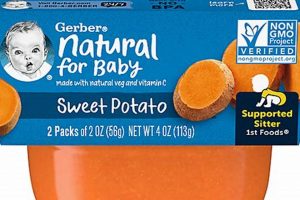
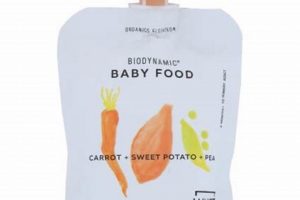
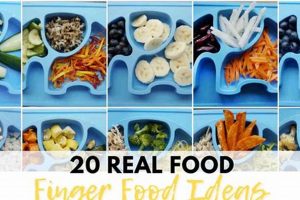
Prepared meals for infants, often involving the steaming of fruits, vegetables, and sometimes meats, provide easily digestible and nutritious options. An example includes steamed carrots, pured for a six-month-old, or steamed apple slices, softened for a toddler transitioning to solid foods. The soft consistency and retained nutrients make this method particularly suitable for early childhood nutrition.
This method of food preparation plays a crucial role in introducing solid foods to infants. Steaming helps preserve vitamins and minerals often lost during boiling, while also creating a texture that is gentle on developing digestive systems. Historically, methods of softening food for infants have evolved, with steaming representing a modern approach to retain nutritional value and minimize the risk of choking. Benefits include easier digestion and a palatable taste that encourages acceptance of new flavors.
The following sections will delve into the specific types of ingredients suitable for this cooking process, explore optimal steaming techniques for maximum nutrient retention, and address common questions regarding portion sizes, storage, and safety considerations when implementing this food preparation strategy for infant diets.
Baby Steamer Food
Optimizing the nutritional value and safety of meals created via steam-based cooking methods requires careful consideration of ingredient selection, processing techniques, and storage practices.
Tip 1: Select Appropriate Ingredients: Prioritize fresh, high-quality produce. Opt for organic options whenever feasible to minimize exposure to pesticides. Ensure all ingredients are thoroughly washed and prepared before steaming.
Tip 2: Utilize a Dedicated Steamer: While steaming can be achieved using a pot and a steamer basket, a dedicated appliance designed for this purpose offers greater control over temperature and timing, crucial for retaining nutrients.
Tip 3: Cut Ingredients into Uniform Sizes: Consistent sizing ensures even cooking, minimizing the risk of undercooked or overcooked portions. Smaller, uniform pieces also present a reduced choking hazard.
Tip 4: Monitor Steaming Time Closely: Over-steaming can result in nutrient loss and a mushy texture, while under-steaming can leave food difficult to digest. Refer to specific guidelines for each type of fruit or vegetable.
Tip 5: Puree to an Appropriate Consistency: The texture should be smooth and lump-free, especially when introducing solids for the first time. Adjust consistency by adding small amounts of water or breast milk as needed.
Tip 6: Practice Safe Food Handling: Always wash hands thoroughly before preparation. Utilize clean utensils and storage containers. Store prepared meals in the refrigerator immediately after cooling and consume within 24-48 hours.
Tip 7: Introduce New Foods Gradually: Offer one new ingredient at a time and wait several days before introducing another to monitor for potential allergic reactions or digestive sensitivities.
Employing these methods promotes the delivery of digestible, nutrient-dense meals, facilitating healthy growth and development during infancy.
The concluding section will synthesize the key concepts presented and offer practical advice for incorporating steam-based meal preparation into a comprehensive infant feeding plan.
1. Nutrient Retention

Steaming, as a method of food preparation, directly impacts the nutrient profile of ingredients used to create meals for infants. Water-soluble vitamins, such as Vitamin C and B vitamins, are particularly susceptible to loss during boiling, where they leach into the water. Steaming, by minimizing direct contact with water, reduces this leaching effect. This preservation is crucial for infant diets, where nutrient density is paramount for supporting rapid growth and development. For example, steamed broccoli retains a significantly higher percentage of its folate content compared to boiled broccoli, making it a more nutritious option for infants. The method employed directly influences the availability of key micronutrients necessary for healthy development.
Furthermore, the shorter cooking times associated with steaming also contribute to increased nutrient retention. Prolonged exposure to heat can degrade heat-sensitive vitamins and enzymes. Steaming’s ability to cook food quickly and evenly minimizes this degradation. Consider carrots: lightly steamed carrots will retain more beta-carotene, a precursor to Vitamin A, than those that are overcooked. This is particularly important for visual development and immune function in infants. Understanding these principles allows caregivers to maximize the nutritional value of meals prepared for their children. This impacts long-term health outcomes.
In summary, the connection between nutrient retention and steam-based food preparation for infants is undeniable. While no cooking method can completely eliminate nutrient loss, steaming offers a superior alternative to boiling by minimizing water contact and reducing cooking times. Recognizing and implementing these strategies is essential for optimizing the nutritional content of infant meals and supporting healthy growth trajectories. Challenges remain in educating caregivers about proper steaming techniques, however, emphasizing the tangible benefits of nutrient retention can facilitate greater adoption of this method, enhancing overall infant well-being.
2. Texture Consistency
Texture consistency is a critical attribute of steamed food intended for infants. The steaming process, when properly executed, yields a product that is uniformly soft and easily manipulated in the oral cavity. This characteristic is particularly important as infants transition from liquid diets to solid foods. Improperly steamed or pureed food can present a choking hazard or cause digestive distress due to large, unyielding particles. For example, fibrous vegetables like green beans must be steamed until completely tender and then thoroughly pureed to eliminate any stringy textures that could pose a risk. Consistent texture minimizes these potential complications, promoting safer and more comfortable feeding experiences.
The attainment of appropriate texture consistency in meals also contributes to improved acceptance rates among infants. If food is perceived as being too lumpy, grainy, or difficult to swallow, infants may refuse to consume it. Steaming, followed by a thorough pureeing or mashing process, addresses this issue by creating a smooth and uniform product. The consistency should be similar to that of yogurt or applesauce, ensuring effortless swallowing. This encourages infants to explore new flavors and textures, expanding their palate without encountering aversion or distress. Parents and caregivers can adjust the consistency by adding small amounts of breast milk, formula, or water, tailoring the product to the individual infant’s developmental stage and preferences.
In summation, texture consistency stands as a fundamental element of successful steam-based food preparation for infants. Its direct impact on safety, acceptance, and digestive comfort underscores its significance. While challenges may arise in consistently achieving the correct texture, particularly when preparing meals at home, the benefits of prioritizing this attribute far outweigh the effort required. Continued education regarding proper steaming and pureeing techniques remains essential for ensuring that infants receive meals that are both nutritious and safe to consume.
3. Ingredient Safety

The security of food components is a paramount aspect when preparing steamed meals for infants. The undeveloped immune systems of infants render them particularly susceptible to adverse reactions from contaminants and allergens present in food. Therefore, the selection of ingredients free from harmful substances is crucial in mitigating potential health risks. Organic produce, for example, minimizes exposure to synthetic pesticides, which can have detrimental effects on infant development. Similarly, the choice of ethically sourced and processed meats reduces the risk of bacterial contamination, such as E. coli or Salmonella, ensuring a safer dietary intake. The consequence of neglecting ingredient safety can range from mild allergic reactions to severe illnesses, emphasizing the importance of careful sourcing and handling.
Implementation of stringent food safety practices, such as thorough washing and appropriate storage, further minimizes the potential for contamination. Fruits and vegetables should be scrubbed under running water to remove surface residues, and meats should be stored at appropriate temperatures to inhibit bacterial growth. Cross-contamination, the transfer of harmful microorganisms from raw to cooked foods, must also be prevented by utilizing separate cutting boards and utensils. Real-world incidents of foodborne illnesses in infants underscore the significance of these measures. Recalls of baby food products due to bacterial contamination highlight the potential for widespread harm and emphasize the need for continuous vigilance in food preparation.
In summation, the selection of safe ingredients and the adherence to rigorous food handling procedures are integral to the safe and nutritious preparation of steamed meals for infants. Challenges remain in ensuring consistent quality and traceability of food products, but proactive measures, such as sourcing from reputable suppliers and employing best practices in food preparation, can significantly reduce the risks associated with infant feeding. By prioritizing ingredient safety, caregivers can foster a foundation for healthy growth and development, safeguarding the well-being of the most vulnerable population.
4. Digestion Ease
The inherent digestibility of steam-prepared foods constitutes a primary benefit for infants transitioning to solid nourishment. The relatively simple process of steaming alters the cellular structure of foods, rendering them more accessible to the developing digestive system. This is particularly relevant given the limitations in enzymatic function and gastrointestinal maturity characteristic of early infancy.
- Cellulose Softening
Steaming softens cellulose, a complex carbohydrate abundant in plant-based foods. Cellulose, while beneficial for older individuals, can be challenging for infants to process. The softening effect reduces the burden on the digestive tract, minimizing gas production and abdominal discomfort. For example, steaming apples or pears breaks down cellulose, facilitating easier digestion compared to raw preparations.
- Protein Denaturation
Steaming can also facilitate protein denaturation, a process where proteins unfold and become more susceptible to enzymatic breakdown. While complete protein denaturation may not always be the primary goal, the partial unfolding achieved through steaming improves accessibility for digestive enzymes. Steamed chicken or fish, for example, presents a more digestible protein source than preparations involving high heat or prolonged cooking times.
- Reduced Irritants
The steaming process minimizes the formation of potentially irritating compounds that can arise from other cooking methods. High-heat techniques, such as frying or grilling, can generate acrylamide and other byproducts that may negatively impact the delicate gastrointestinal lining of infants. By contrast, steaming promotes gentler transformation, reducing the likelihood of digestive upset.
- Preservation of Natural Enzymes
Many raw fruits and vegetables contain naturally occurring enzymes that aid in their own digestion. While steaming does involve heat, shorter steaming times compared to boiling, baking, or roasting can help preserve some of these enzymes, providing an added digestive advantage. For example, lightly steamed papaya retains some of its papain, an enzyme known to assist in protein digestion.
The aggregated effects of these facets underscore the digestive benefits associated with steam-prepared meals for infants. While individual tolerance may vary, the inherent characteristics of steaming support easier assimilation of nutrients and minimize the potential for adverse gastrointestinal responses. This makes steam-based cooking a valuable strategy for introducing solid foods and promoting healthy digestive function during infancy.
5. Flavor Introduction
The introduction of diverse flavors during infancy is a crucial component of developing healthy eating habits and acceptance of a wide range of foods later in life. Steamed meals designed for infants offer a particularly effective method for achieving this goal. The process of steaming preserves the natural flavors of fruits and vegetables, preventing the dilution or masking that can occur with boiling. Consequently, infants are exposed to the true taste profiles of individual ingredients, facilitating the development of discerning palates. For example, a steamed sweet potato retains its distinct sweetness, allowing the infant to learn and appreciate this particular flavor nuance. This contrasts with heavily processed baby foods that often contain added sugars or artificial flavorings, which can skew flavor preferences and limit exposure to authentic tastes.
Furthermore, the sequential introduction of single-ingredient steamed preparations allows for precise flavor profiling. By offering one new food at a time, caregivers can observe an infant’s reaction to a specific flavor without the confounding variables of mixed dishes. This facilitates the identification of potential allergies or intolerances and enables the gradual expansion of the infant’s flavor repertoire in a controlled and deliberate manner. For instance, introducing steamed and pureed green beans as a single ingredient allows for the assessment of the infants acceptance of the slightly bitter taste. Success with this flavor can then pave the way for the introduction of other green vegetables with similar taste profiles. This systematic approach to flavor introduction promotes adaptability and reduces the likelihood of picky eating habits later in childhood. The avoidance of flavor masking is paramount.
In summary, the connection between flavor introduction and steam-based meal preparation for infants is significant. The preservation of natural flavors, coupled with the controlled introduction of single-ingredient foods, fosters the development of healthy flavor preferences and acceptance of a varied diet. While challenges may persist in encouraging infants to accept novel flavors, the advantages of steaming in retaining natural tastes and facilitating controlled introductions outweigh the difficulties. Prioritizing flavor exploration during infancy lays a crucial foundation for lifelong healthy eating habits and optimal nutrition.
Frequently Asked Questions
The following section addresses common inquiries concerning the utilization of steamed food in infant diets. These questions aim to provide clarity on best practices and address potential concerns related to safety and nutritional value.
Question 1: Is steaming the optimal cooking method for infant food preparation?
Steaming offers advantages over boiling, as it minimizes nutrient leaching into the water. However, other gentle methods, such as baking or roasting at low temperatures, can also be suitable. The choice depends on the specific food and the caregiver’s preference.
Question 2: What are the primary safety considerations when using a baby steamer for food preparation?
Ensuring proper cleaning and sanitation of the steamer is essential to prevent bacterial contamination. Also, it is imperative to use appropriate steaming times for different foods to ensure complete cooking and eliminate potential risks from undercooked ingredients.
Question 3: Can all fruits and vegetables be safely prepared using a baby food steamer?
Most fruits and vegetables are suitable. However, caregivers should exercise caution with foods known to cause allergic reactions or digestive sensitivities, such as certain nightshades or cruciferous vegetables, introducing them gradually and observing for adverse effects.
Question 4: How should steamed baby food be stored to maintain safety and nutritional value?
Steamed food should be cooled rapidly and stored in airtight containers in the refrigerator. It should be consumed within 24-48 hours. Freezing is also an option for longer storage, but may affect the texture upon thawing.
Question 5: Does steaming affect the allergenic potential of foods introduced to infants?
Steaming generally does not eliminate the allergenic potential of foods. Caregivers should still introduce potentially allergenic foods, such as peanuts or eggs, one at a time and monitor for any signs of an allergic reaction.
Question 6: How can the nutritional content of steamed baby food be maximized?
Employing minimal steaming times and avoiding overcooking is crucial to preserve vitamins and minerals. Also, selecting fresh, high-quality ingredients and minimizing the addition of salt, sugar, or unhealthy fats will enhance the nutritional value.
These responses provide a foundation for understanding the safe and effective utilization of steamed food in infant nutrition. Consistent application of these principles will support optimal growth and development.
The next section will summarize the key insights discussed in this article and provide actionable guidance for incorporating steamed food preparation into a comprehensive infant feeding plan.
Concluding Remarks on “Baby Steamer Food”
This discourse has thoroughly explored the multifaceted aspects of “baby steamer food,” underscoring its significance in infant nutrition. From the preservation of essential nutrients to the provision of appropriate textures and safe ingredients, the utilization of steam-based cooking methods for preparing meals for infants presents demonstrable advantages. The strategic introduction of flavors, coupled with the inherent digestibility of steamed foods, further solidifies its place as a valuable component of early childhood feeding practices. The core tenets elucidated herein nutrient retention, texture consistency, ingredient safety, digestion ease, and flavor introduction serve as pillars for informed decision-making in infant meal preparation.
The information conveyed serves as a critical resource for caregivers seeking to optimize infant health through informed dietary choices. The consistent application of these principles, coupled with ongoing research and advancements in nutritional science, holds the potential to positively influence the long-term health and well-being of future generations. A continued commitment to evidence-based practices in infant feeding will pave the way for improved developmental outcomes and a healthier populace.