The choice between bottle materials for infant feeding often centers on two primary options: those constructed from a synthetic polymer containing silicon and oxygen, and those derived from organic polymers. These materials present distinct characteristics relating to durability, heat resistance, chemical leaching potential, and overall impact on infant health and parental convenience. The discussion surrounding these options highlights differing priorities regarding safety, practicality, and environmental considerations.
Material selection for feeding equipment is a key consideration for caregivers. The decision impacts the potential exposure of infants to chemical compounds, the ease of sterilization, and the lifespan of the product. Historically, various materials have been used, each with associated benefits and drawbacks. Modern concerns revolve around minimizing exposure to potentially harmful substances and maximizing the safety and hygiene of feeding practices, thereby influencing the development and manufacturing of baby bottles.
This article will explore the attributes of each material type, including their respective strengths, weaknesses, and potential implications for infant health and parental preferences. This comparative analysis aims to equip caregivers with the information necessary to make informed choices regarding the selection of appropriate feeding equipment for their children.
Considerations for Selecting Infant Feeding Bottles
Selecting the appropriate feeding bottle material necessitates careful consideration of factors impacting infant health, hygiene, and parental convenience. The following points offer guidance in navigating the decision-making process.
Tip 1: Understand Material Composition: Examine the precise composition of both silicone and plastic bottles. Different types of plastic exist, with varying levels of chemical stability and potential leaching. Similarly, the grade of silicone impacts its durability and heat resistance. Request detailed material specifications from the manufacturer when possible.
Tip 2: Evaluate Heat Resistance: Assess the bottle’s ability to withstand high temperatures associated with sterilization. Repeated exposure to high heat can degrade certain plastics, potentially releasing chemicals. Silicone generally exhibits greater heat resistance, but the manufacturer’s instructions should always be followed.
Tip 3: Assess Chemical Leaching Potential: Research the potential for chemical leaching from the bottle material. Bisphenol A (BPA) is a known concern in some plastics. Confirm that plastic bottles are BPA-free and consider independent testing certifications. While silicone is generally considered chemically inert, inquire about potential additives used during manufacturing.
Tip 4: Consider Durability and Lifespan: Evaluate the expected lifespan of each bottle type. Plastic bottles may be more prone to scratching and clouding over time, potentially creating harborage points for bacteria. Silicone bottles are typically more durable but may be susceptible to tearing. Inspect bottles regularly for signs of wear and replace as needed.
Tip 5: Factor in Ease of Cleaning: Assess the ease with which each bottle type can be cleaned and sterilized. Bottles with intricate designs or small openings may be more difficult to clean thoroughly. Silicone bottles are generally less prone to staining and odor retention compared to some plastics.
Tip 6: Consider Infant Acceptance: Some infants may exhibit preferences for one material over another. Bottle nipples are also available in both silicone and plastic (typically latex or a softer plastic). If possible, introduce different bottle types to the infant to determine preference.
Tip 7: Understand Environmental Impact: Consider the environmental impact of each material. Plastic bottles contribute to plastic waste, although some are recyclable. Silicone is generally considered more durable and may have a longer lifespan, potentially reducing the overall waste generated. Explore recycling options for both materials in the local area.
By carefully evaluating these factors, caregivers can make informed decisions aligning with their individual priorities regarding safety, convenience, and environmental responsibility.
The following sections will delve deeper into the specific characteristics of silicone and plastic bottles, providing a comprehensive basis for informed decision-making.
1. Material Safety

The safety profile of materials used in infant feeding bottles constitutes a primary concern for caregivers. The discussion concerning silicone and plastic bottles often centers on the potential for chemical leaching into the contents, impacting infant health. Historically, concerns regarding bisphenol A (BPA) in polycarbonate plastics prompted widespread adoption of BPA-free alternatives, demonstrating the impact of perceived material safety on product choices. Understanding the chemical composition and stability of each material is essential for mitigating potential risks associated with chemical exposure during feeding.
Silicone, a synthetic polymer, is often favored for its inherent stability and resistance to chemical leaching under normal usage conditions. However, the grade and purity of silicone can influence its safety profile. Conversely, various types of plastics are employed in bottle manufacturing, each with distinct chemical properties. While BPA-free plastics address a specific concern, it’s crucial to consider other potential additives or compounds that might migrate from the plastic into the liquid contents, especially during heating or sterilization. Regulatory standards and independent testing certifications provide valuable assurance regarding the safety of both silicone and plastic materials used in infant feeding bottles.
In conclusion, material safety forms a cornerstone of the “silicone vs plastic baby bottles” debate. While both materials present potential risks and benefits, a comprehensive understanding of their chemical properties, adherence to safety standards, and diligent product selection practices are paramount to safeguarding infant health. The ongoing research and evolving regulatory landscape underscores the importance of continuous vigilance in assessing and mitigating potential risks associated with bottle material selection.
2. Heat Resistance

Heat resistance represents a crucial factor in the context of feeding equipment. The ability of bottle materials to withstand elevated temperatures directly influences sterilization efficacy and potential chemical migration. In comparing silicone and plastic for baby bottles, heat resistance dictates suitability for various cleaning and sanitization methods, including boiling, steaming, and microwaving. Insufficient heat resistance can lead to structural degradation, compromising the bottle’s integrity and potentially releasing harmful substances into the infant’s feed. For instance, certain plastics, if exposed to temperatures exceeding their tolerance, may warp, crack, or leach chemicals, rendering the bottle unusable and potentially hazardous.
Silicone generally exhibits superior heat resistance compared to many plastics commonly used in baby bottles. This property allows silicone bottles to endure repeated sterilization cycles without significant degradation. Conversely, while some plastics are engineered to withstand high temperatures, others require careful monitoring to prevent damage. Consider the instance of sterilizing bottles using a steam sterilizer; silicone bottles are less prone to deformation or chemical release under these conditions compared to lower-grade plastics. Therefore, material selection must align with the intended sterilization method to ensure both hygiene and safety. Reputable manufacturers typically provide explicit temperature guidelines for their products, which must be strictly adhered to.
In conclusion, the relationship between heat resistance and the selection of baby bottle material significantly impacts safety and functionality. Silicone, due to its greater heat tolerance, often provides a wider margin of safety during sterilization. The understanding of heat resistance limitations for different plastics, combined with adherence to manufacturer guidelines, is essential for preserving bottle integrity and minimizing the risk of chemical contamination. Caregivers should prioritize heat resistance considerations when selecting between the two materials, factoring in their preferred sterilization methods to ensure a safe and hygienic feeding environment for the infant.
3. Durability
Durability, defined as the ability to withstand wear, pressure, or damage, constitutes a significant factor in evaluating feeding bottle materials. The longevity of a bottle, its resistance to degradation from repeated use, sterilization, and handling directly influences its cost-effectiveness and safety profile. A durable bottle maintains structural integrity, reducing the risk of leaks, cracks, and the potential for bacterial contamination, which are critical considerations when comparing silicone and plastic options.
- Resistance to Impact
Impact resistance refers to a bottle’s capacity to withstand accidental drops or impacts without fracturing. Plastic bottles, particularly those made from polypropylene (PP), are generally more resistant to shattering upon impact compared to silicone bottles. While silicone is flexible, a sharp impact can cause tearing or splitting. The frequency with which bottles are handled and transported necessitates careful consideration of impact resistance to ensure safety and prevent wastage.
- Resistance to Scratching and Abrasion
Scratching and abrasion can compromise the surface of a bottle, creating microscopic crevices that harbor bacteria. Plastic bottles, especially those made from polycarbonate (though less common now due to BPA concerns), are prone to scratching over time with repeated cleaning. Silicone, being more flexible, exhibits greater resistance to scratching, maintaining a smoother surface for longer. This difference in scratch resistance can impact the long-term hygiene of the bottle.
- Resistance to Degradation from Sterilization
Frequent sterilization, whether through boiling, steaming, or chemical methods, subjects bottle materials to significant stress. Silicone demonstrates greater resistance to degradation from repeated sterilization cycles compared to many plastics. Some plastics may become brittle, discolored, or even leach chemicals with prolonged exposure to high temperatures. The ability to withstand repeated sterilization without compromising structural integrity is paramount for maintaining sanitary feeding practices.
- Resistance to Staining and Odor Retention
Over time, bottles can absorb pigments and odors from formula or food, leading to staining and unpleasant smells. Silicone is less porous than many plastics, exhibiting greater resistance to staining and odor retention. Plastic bottles, especially those with scratches or surface imperfections, are more susceptible to absorbing and retaining odors, which can impact the palatability of the contents and necessitate more frequent replacement.
In summary, the durability characteristics of both materials present a nuanced picture in the “silicone vs plastic baby bottles” debate. While plastic offers better impact resistance, silicone excels in scratch resistance, sterilization endurance, and resistance to staining and odor retention. Ultimately, the choice depends on the caregiver’s priorities and usage patterns, emphasizing the need for careful consideration of these factors to ensure both safety and longevity of the selected feeding equipment.
4. Cleanliness

Cleanliness is a critical factor in infant feeding, directly influencing the health and well-being of the child. The inherent properties of silicone and plastic baby bottles dictate the ease and effectiveness with which they can be sanitized, mitigating the risk of bacterial contamination and subsequent illness. The surface characteristics of the bottle material affect the adhesion of milk residue and the persistence of odors, both of which contribute to bacterial growth. Inadequate cleaning practices can lead to the proliferation of harmful microorganisms, potentially causing gastrointestinal distress, infections, or other health complications in infants. Therefore, the ease of cleaning and sterilization is a paramount consideration when evaluating bottle material options.
Silicone and plastic exhibit distinct characteristics regarding cleanliness. Silicone, being less porous than many plastics, resists the absorption of odors and staining from formula or breast milk. This non-porous surface also reduces the adherence of milk residue, facilitating easier cleaning and minimizing the risk of bacterial colonization. Conversely, plastic bottles, especially those with scratches or abrasions, can harbor bacteria more readily. The textured surface created by scratches provides an environment conducive to microbial growth, necessitating more rigorous cleaning protocols. The choice between silicone and plastic, therefore, impacts the level of effort and resources required to maintain adequate hygiene. Proper cleaning protocols, including thorough washing with hot, soapy water and sterilization, are essential for both materials, irrespective of their inherent cleanliness properties. Steam sterilization, boiling, and chemical sterilization methods are commonly employed to eliminate harmful microorganisms from feeding bottles.
In conclusion, cleanliness is inextricably linked to the “silicone vs plastic baby bottles” debate. The inherent properties of each material influence the ease and effectiveness of maintaining a sanitary feeding environment. While silicone offers certain advantages regarding resistance to odor retention and bacterial adhesion, both materials necessitate diligent cleaning and sterilization practices to safeguard infant health. The selection of bottle material should align with the caregiver’s ability and willingness to adhere to rigorous hygiene protocols, ensuring the provision of a safe and healthy feeding experience. The ongoing research and development of improved cleaning solutions and sterilization techniques further emphasize the importance of prioritizing cleanliness in infant feeding practices.
5. Cost-Effectiveness

The assessment of cost-effectiveness in the context of “silicone vs plastic baby bottles” extends beyond the initial purchase price. It necessitates a holistic evaluation encompassing longevity, replacement frequency, sterilization costs, and potential healthcare expenditures related to material-induced health issues. While plastic bottles may initially present a lower cost outlay, their susceptibility to scratching, staining, and degradation from sterilization procedures often mandates more frequent replacements, incrementally increasing the overall expenditure. Conversely, silicone bottles, despite a higher upfront cost, typically exhibit greater durability and resistance to degradation, potentially offsetting the initial price difference over their lifespan. The financial implications are also influenced by the types of cleaning and sterilization equipment employed, as specific materials may require specialized cleaning agents or sterilization methods, incurring additional costs. An example would be the cost of replacing cloudy and scratched plastic bottles every few months versus maintaining silicone bottles for a year or more with the same cleaning supplies.
Further compounding the cost-effectiveness evaluation are potential health-related expenses. While both silicone and BPA-free plastic bottles are considered safe, instances of allergic reactions or sensitivities to specific plastic components could lead to medical consultations and treatments, representing unforeseen financial burdens. Furthermore, the environmental impact of disposable plastic bottles contributes to societal costs associated with waste management and resource depletion. Though difficult to quantify precisely, the cumulative effect of these factors significantly impacts the long-term economic burden associated with each material choice. The increasing availability of recyclable plastic options offers a potential avenue for mitigating some of these environmental costs. Finally, the resale value of used bottles, though limited, can contribute to offsetting the initial investment; silicone bottles, due to their durability, may retain more value than their plastic counterparts in secondhand markets or charitable donations.
In conclusion, determining the cost-effectiveness of silicone versus plastic baby bottles requires a comprehensive analysis that transcends the initial purchase price. Longevity, replacement frequency, sterilization practices, potential health-related expenditures, and environmental implications all contribute to the overall economic assessment. While plastic bottles offer a lower initial investment, their durability and potential health impacts may lead to increased long-term costs. Silicone bottles, with a higher upfront price, can potentially prove more cost-effective over time due to their durability and resistance to degradation. A thorough assessment of these factors enables informed decision-making, aligning material selection with both financial and health priorities. The ongoing evolution of material science and manufacturing processes necessitates continuous reevaluation of cost-effectiveness to ensure optimal resource allocation and minimize long-term financial burdens.
6. Environmental Impact
The environmental impact of infant feeding practices warrants careful consideration, particularly when assessing the sustainability of silicone and plastic baby bottles. Production processes for both materials contribute to greenhouse gas emissions and resource depletion, though the specific impacts differ. Plastic bottle manufacturing relies heavily on petroleum, a non-renewable resource, and the process involves energy-intensive refining and polymerization steps. Silicone production, while not petroleum-based, requires specialized chemical processes and high temperatures, similarly contributing to energy consumption and potential emissions. The disposal phase presents further challenges, as plastic bottles often end up in landfills, where they can persist for centuries, slowly degrading into microplastics that contaminate ecosystems. Silicone, though considered more durable, is not readily biodegradable and can also contribute to landfill waste. Recycling efforts offer a partial solution, but the infrastructure and consumer participation rates vary significantly across regions, limiting the effectiveness of recycling programs for both materials. The transportation of raw materials and finished products further adds to the carbon footprint associated with each bottle type. These environmental consequences underscore the importance of evaluating the full life cycle of baby bottles when making purchasing decisions.
The importance of environmental impact as a component in the “silicone vs plastic baby bottles” comparison lies in its potential to inform sustainable consumption patterns and promote responsible manufacturing practices. For example, some manufacturers are exploring bio-based plastics derived from renewable resources, offering a potentially lower carbon footprint compared to conventional petroleum-based plastics. Likewise, advancements in silicone recycling technologies could mitigate the environmental burden associated with end-of-life disposal. Consumer choices also play a significant role, with reusable bottles, regardless of material, reducing overall waste compared to single-use options. Furthermore, advocating for extended producer responsibility programs can incentivize manufacturers to design products for durability and recyclability, shifting the focus from disposal to resource recovery. The practical significance of understanding the environmental impact extends to policy development, informing regulations that promote sustainable manufacturing and waste management practices in the infant feeding industry. Life Cycle Assessments (LCAs) that quantify the environmental burdens associated with each bottle type can provide valuable data for guiding policy decisions and informing consumer choices.
In conclusion, the environmental impact constitutes a critical dimension in the evaluation of silicone versus plastic baby bottles. While both materials present environmental challenges related to resource depletion, energy consumption, and waste disposal, informed choices and proactive measures can mitigate these impacts. Promoting sustainable manufacturing practices, supporting recycling initiatives, and adopting reusable bottle options can collectively contribute to reducing the environmental footprint of infant feeding. The key insights highlight the need for a holistic approach that considers the entire life cycle of baby bottles, from raw material extraction to end-of-life management. Addressing these challenges requires collaborative efforts from manufacturers, consumers, and policymakers to ensure a more sustainable and environmentally responsible future for infant feeding practices. The long-term well-being of both human populations and ecosystems depends on the adoption of environmentally conscious consumption patterns and the promotion of sustainable manufacturing practices across all industries, including the production of infant feeding equipment.
7. Infant Acceptance

Infant acceptance plays a pivotal role in the selection of feeding equipment. The inherent characteristics of bottle materials, specifically silicone and plastic, can directly impact an infant’s willingness to feed effectively. This variable often overrides parental preferences or perceived material benefits, necessitating careful observation and adaptation to individual infant needs.
- Nipple Texture and Flow Rate
The tactile sensation and fluid delivery rate of the nipple, often made from either silicone or latex (a type of plastic), profoundly influence infant acceptance. Some infants exhibit a preference for the softer texture of silicone nipples, mimicking the feel of the breast, while others adapt more readily to the firmer texture of latex. Furthermore, the flow rate, determined by the nipple’s design, must align with the infant’s sucking strength and coordination. A flow rate that is too fast can lead to gagging or choking, resulting in feeding aversion. Conversely, a flow rate that is too slow can frustrate the infant, leading to fussiness and refusal to feed. Matching the nipple texture and flow rate to the infant’s individual preferences is crucial for successful feeding.
- Bottle Shape and Handling
The ergonomic design of the bottle, including its shape and weight distribution, can impact an infant’s ability to grasp and control the feeding process. Bottles designed with a contoured shape may be easier for infants to hold independently, promoting self-feeding skills. The weight of the bottle, influenced by the material and volume of liquid, can also affect an infant’s ability to manage the feeding process. Bottles that are too heavy or cumbersome may be difficult for infants to handle, leading to fatigue and reduced feeding efficiency. The ease with which the bottle can be tilted and angled during feeding is also a factor, ensuring a consistent flow of liquid and minimizing air ingestion.
- Odor and Taste Transfer
The potential for odor or taste transfer from the bottle material to the contents can influence an infant’s acceptance. While silicone is generally considered inert and resistant to odor absorption, some plastics may retain odors from previous feedings or cleaning agents. These residual odors can alter the taste of the milk or formula, potentially leading to feeding refusal. Thorough cleaning and sterilization practices are essential to minimize odor and taste transfer, regardless of the bottle material. Caregivers should also avoid using strongly scented soaps or detergents when cleaning bottles, as these fragrances can linger and affect the infant’s acceptance.
- Visual Appeal
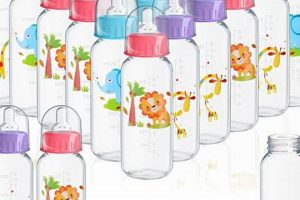
While not the primary factor, the visual appearance of the bottle can indirectly influence infant acceptance. Bright colors, playful designs, or familiar characters may capture the infant’s attention and create a more positive feeding experience. However, it’s crucial to ensure that any decorative elements are non-toxic and securely attached to the bottle to prevent choking hazards. The clarity of the bottle material can also be a factor, allowing caregivers to monitor the volume of liquid consumed and assess the infant’s feeding progress. Bottles that are heavily scratched or discolored may appear less appealing to the infant, potentially impacting their willingness to feed.
In conclusion, infant acceptance represents a complex interplay of sensory and ergonomic factors that must be carefully considered when selecting feeding equipment. While the inherent properties of silicone and plastic bottles contribute to these factors, individual infant preferences and sensitivities ultimately dictate the success of the feeding process. Caregivers should prioritize observation and adaptation, tailoring their bottle selection and feeding techniques to meet the unique needs of their infant, ensuring a positive and nourishing feeding experience.
Frequently Asked Questions
This section addresses common inquiries and misconceptions surrounding the selection of baby bottle materials, providing evidence-based information to aid in informed decision-making.
Question 1: Are plastic baby bottles inherently unsafe due to chemical leaching?
Plastic bottles manufactured with bisphenol A (BPA) have raised concerns regarding potential endocrine-disrupting effects. However, most modern plastic bottles are produced using BPA-free plastics, mitigating this specific risk. It is crucial to verify that plastic bottles are explicitly labeled as BPA-free. While BPA-free, the possibility of other chemicals leaching from plastics still exists, although typically in trace amounts and deemed within acceptable safety limits by regulatory bodies.
Question 2: Is silicone a completely inert material when used in baby bottles?
Silicone is generally considered chemically inert and exhibits high stability at elevated temperatures, minimizing the risk of chemical leaching. However, the quality and purity of silicone vary depending on the manufacturer and production processes. Inquiries regarding the specific grade of silicone and any additives used in the manufacturing process are recommended to ensure optimal safety.
Question 3: How does heat resistance differ between silicone and plastic baby bottles?
Silicone typically exhibits superior heat resistance compared to most plastics used in baby bottles. Silicone bottles can withstand repeated sterilization cycles through boiling, steaming, or microwaving without significant degradation. Certain plastics, however, may warp, crack, or leach chemicals when exposed to high temperatures, necessitating adherence to manufacturer-specified temperature limits.
Question 4: Which material is more durable for baby bottles: silicone or plastic?
The durability of each material presents distinct advantages and disadvantages. Plastic bottles, particularly those made from polypropylene (PP), are generally more resistant to shattering upon impact. Silicone bottles, however, are more resistant to scratching and abrasion, which can create harborage points for bacteria. The choice depends on the caregiver’s priorities regarding impact resistance versus scratch resistance.
Question 5: How do cleaning and sterilization protocols differ for silicone and plastic baby bottles?
Both silicone and plastic bottles require thorough cleaning and sterilization to maintain hygiene. Silicone bottles, due to their non-porous surface, tend to resist odor retention and bacterial adhesion, simplifying cleaning procedures. Plastic bottles, especially those with scratches, may require more rigorous cleaning to remove milk residue and prevent bacterial growth. Sterilization methods, such as boiling, steaming, or chemical sterilization, are equally applicable to both materials.
Question 6: What are the environmental considerations when choosing between silicone and plastic baby bottles?
Both materials present environmental challenges. Plastic bottle manufacturing relies on petroleum, a non-renewable resource, and contributes to plastic waste accumulation. Silicone production, while not petroleum-based, involves energy-intensive chemical processes. While recycling options exist for some plastics, silicone recycling is less prevalent. Selecting durable, reusable bottles and supporting recycling initiatives can mitigate the environmental impact of either material.
In summary, the selection between silicone and plastic baby bottles necessitates a thorough understanding of their respective properties, including safety, heat resistance, durability, cleanliness, and environmental impact. Careful consideration of these factors enables informed decision-making aligned with individual priorities and preferences.
The next section will offer a conclusion summarizing the key considerations and providing guidance for selecting the optimal bottle material.
Conclusion
The preceding exploration of silicone versus plastic baby bottles reveals a complex interplay of factors influencing material selection. Considerations extend beyond initial cost and encompass safety, durability, heat resistance, ease of cleaning, environmental impact, and infant acceptance. Both materials present advantages and disadvantages, necessitating careful evaluation based on individual priorities and circumstances. While silicone offers enhanced heat resistance and resistance to odor retention, plastic exhibits greater impact resistance and, potentially, a lower initial cost. The overriding concern remains the mitigation of potential risks associated with chemical leaching and the maintenance of optimal hygiene to safeguard infant health.
The informed selection of baby bottle materials represents a commitment to infant well-being. Continued advancements in material science and manufacturing processes necessitate ongoing vigilance in evaluating the safety and sustainability of feeding equipment. Prioritizing evidence-based information and adhering to recommended cleaning and sterilization protocols are crucial steps in ensuring a safe and nourishing feeding experience. Responsible consumption patterns, including the selection of durable, reusable options and support for recycling initiatives, further contribute to minimizing the environmental impact of infant feeding practices. The ultimate goal remains the provision of optimal nutrition and a healthy start for every infant.