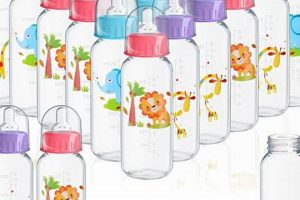
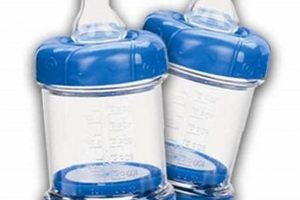
The act of sanitizing infant feeding equipment alongside general household tableware and cookware within an automated dishwashing appliance is a common practice for many caregivers. This involves placing bottles, nipples, and associated components into the dishwasher along with plates, cutlery, and other items used for food consumption and preparation.
This approach offers significant time savings and convenience for parents and guardians. Dishwashers, particularly those with a sanitizing cycle, can effectively eliminate bacteria and other harmful microorganisms from baby bottles, providing a higher level of hygiene compared to manual washing methods. Historically, sterilization involved boiling bottles, a more labor-intensive and time-consuming process. Modern dishwashers offer a streamlined alternative.
Consequently, understanding the correct procedures, potential drawbacks, and appropriate dishwasher settings for this practice is crucial. This exploration will delve into the guidelines for safe and effective use, addressing factors such as bottle material compatibility, proper loading techniques, and the role of detergents and rinse aids.
Tips for Effective Cleaning of Baby Bottles in a Dishwasher
Optimizing the dishwashing process for infant feeding equipment requires careful consideration of several factors to ensure both cleanliness and the longevity of the items. The following guidelines provide practical advice for integrating baby bottles into a standard dishwasher cycle.
Tip 1: Bottle Material Assessment: Before placing bottles in the dishwasher, verify that the material is dishwasher-safe. Certain plastics may degrade or warp under high temperatures. Refer to the manufacturer’s guidelines to confirm suitability.
Tip 2: Pre-Rinsing Protocol: Remove any residual milk or formula from the bottles and components before loading them into the dishwasher. A thorough pre-rinse minimizes the risk of food particles becoming baked onto the surfaces during the wash cycle.
Tip 3: Strategic Loading Arrangement: Position bottles and nipples securely on the top rack, away from the heating element, to prevent melting or distortion. Use bottle baskets or holders to keep smaller items stable and prevent them from falling through the racks.
Tip 4: Detergent Selection Criteria: Choose a mild, fragrance-free detergent specifically designed for baby items, if available. Harsh chemicals and strong scents can leave residue that may be harmful to infants.
Tip 5: Sanitizing Cycle Activation: Utilize the dishwasher’s sanitizing cycle, if equipped. This feature subjects the items to higher temperatures, effectively eliminating a greater percentage of bacteria and germs.
Tip 6: Drying Considerations: After the wash cycle, allow the bottles and components to air dry completely. Use a clean drying rack specifically designated for baby items to prevent contamination. Avoid using a dish towel, as it may harbor bacteria.
Tip 7: Regular Inspection and Replacement: Routinely inspect bottles and nipples for any signs of damage, such as cracks, tears, or discoloration. Damaged items should be discarded and replaced to prevent potential hazards.
Consistent adherence to these recommendations promotes effective sanitation, minimizes potential risks, and extends the lifespan of baby bottles and related components. By implementing these best practices, caregivers can confidently integrate infant feeding equipment into their regular dishwashing routine.
Implementing these tips will aid in a smooth transition to the conclusion.
1. Material Compatibility

Dishwasher temperatures and detergents can have varying effects on different materials commonly used in the construction of baby bottles and their components. Polypropylene, a common plastic, is generally dishwasher-safe and can withstand the heat of most cycles. However, repeated exposure to high temperatures can accelerate its degradation, potentially leading to leaching of chemicals or structural weakening. Silicone nipples and bottle components are also typically dishwasher-safe, but their elasticity may be compromised by harsh detergents, causing them to become brittle or tear more easily. Glass bottles, while inert and resistant to chemical leaching, are susceptible to breakage if subjected to rapid temperature changes or impact during the dishwashing process. Therefore, failure to verify material compatibility can result in damage to the equipment, compromising its integrity and posing potential health risks to the infant.
Real-world examples illustrate the importance of material compatibility. A parent unknowingly placing a polycarbonate bottle (now largely phased out due to BPA concerns) in a high-temperature dishwasher setting could experience the release of bisphenol A (BPA), a chemical linked to hormonal disruption. Similarly, repeatedly washing a polypropylene bottle at high temperatures might cause it to become cloudy, brittle, and more prone to cracking, necessitating premature replacement. Conversely, understanding material properties allows for informed decisions, such as selecting bottles made of borosilicate glass, which is more resistant to thermal shock and less prone to breaking in the dishwasher. It allows parents and caregivers to prolong the lifespan of their feeding equipment and minimize potential hazards.
In conclusion, ensuring material compatibility is a crucial prerequisite for successfully integrating baby bottles into a standard dishwasher cycle. Ignoring this aspect can lead to equipment damage, chemical leaching, and potential health risks. Therefore, thoroughly examining manufacturer guidelines regarding dishwasher safety for each bottle and component material is essential. This careful approach promotes both effective sanitization and the long-term safety and durability of infant feeding equipment, thereby safeguarding infant health.
2. Pre-Washing Necessity

The necessity of pre-washing infant feeding equipment prior to placing it within a dishwasher, particularly when combined with other household items, stems from several critical factors related to hygiene and the effectiveness of the cleaning process. The presence of residual milk or formula within bottles and on nipples creates a breeding ground for bacteria. A dishwasher, while effective, relies on a combination of heat, water, and detergent to sanitize. Heavy soiling can impede the ability of these elements to reach all surfaces, thereby reducing the efficacy of the cleaning cycle. Moreover, food particles can redeposit onto other items within the dishwasher, compromising the overall cleanliness. Pre-washing, therefore, serves as a crucial initial step to remove gross contamination, enabling the dishwasher to perform its sanitizing function more effectively.
Consider the scenario where a bottle containing dried formula is placed directly into the dishwasher alongside plates and cutlery. The caked-on formula may not be fully dislodged by the dishwasher cycle, potentially leading to the spread of bacteria to other items. In contrast, rinsing the bottle under running water to remove the bulk of the formula ensures that the dishwasher can effectively target any remaining microorganisms. Similarly, nipples with dried milk residue can be difficult to fully clean in the dishwasher alone. Pre-washing with a dedicated bottle brush ensures that all surfaces are free from visible debris, maximizing the sanitizing effect. Some evidence indicates that dishwashers can effectively sanitize, but only if items are reasonably clean to begin with. For example, a study by the National Sanitation Foundation found that pre-scraping food from plates significantly improved dishwasher performance, suggesting the same principle applies to infant feeding equipment.
In conclusion, the implementation of a pre-washing protocol for infant feeding equipment, when utilized in conjunction with a dishwasher, is not merely an optional step but a fundamental requirement for ensuring adequate hygiene. The absence of pre-washing can compromise the sanitizing efficacy of the dishwasher and potentially expose the infant to harmful bacteria. Therefore, a thorough pre-rinse or wash, coupled with appropriate dishwasher settings and detergents, represents a best practice for maintaining the health and safety of infants.
3. Loading Technique

The method of loading infant feeding equipment into a dishwasher alongside other household items significantly impacts cleaning efficacy and the potential for damage. Proper loading optimizes water and detergent circulation, prevents damage to delicate items, and minimizes the risk of cross-contamination.
- Positioning and Securing Bottles
The orientation of bottles within the dishwasher is critical. Placing bottles upside down on the top rack allows for optimal water drainage and prevents detergent accumulation. Securing bottles prevents them from shifting during the wash cycle, which could lead to breakage or impede thorough cleaning. Bottle baskets or specialized holders are useful for maintaining stability.
- Nipple and Small Component Placement
Nipples, valves, and other small components require careful placement to avoid being lost or damaged. These items are best placed in a closed utensil basket or a dedicated small parts container. This prevents them from falling to the bottom of the dishwasher or lodging in the spray arms, ensuring they are properly cleaned and do not obstruct the dishwasher’s operation.
- Avoiding Overcrowding
Overcrowding the dishwasher reduces water and detergent circulation, leading to inadequate cleaning. It is essential to leave sufficient space between items, ensuring that water can reach all surfaces. Overlapping bottles or placing them too close together can create shadowed areas where debris and bacteria can persist.
- Separation from Heavily Soiled Items
Baby bottles should be separated from heavily soiled items, such as pots and pans with baked-on food. This prevents the transfer of food particles and grease to the bottles, ensuring a more hygienic outcome. Placing bottles on a separate rack or in a designated area minimizes the risk of cross-contamination.
Implementing a strategic loading technique is essential for achieving optimal cleaning results when sanitizing infant feeding equipment within a dishwasher. By correctly positioning and securing bottles and components, avoiding overcrowding, and separating them from heavily soiled items, caregivers can maximize the effectiveness of the cleaning cycle and reduce the risk of contamination. These considerations are critical for ensuring the safety and hygiene of infant feeding equipment, ultimately protecting the health of the infant.
4. Detergent Selection
The selection of an appropriate detergent is a critical determinant in the effectiveness and safety of cleaning infant feeding equipment within a dishwasher. Detergent composition directly influences the removal of milk and formula residues, the elimination of harmful microorganisms, and the potential for chemical contamination. Therefore, careful consideration of detergent characteristics is paramount.
- Formulation and Composition
The ideal detergent for this purpose should be free from fragrances, dyes, and harsh chemicals that can irritate an infant’s sensitive system. Look for detergents specifically labeled as “baby-safe” or “fragrance-free.” These formulations typically exclude potential allergens and irritants, reducing the risk of adverse reactions. Standard household detergents may contain additives that leave residues on bottles and nipples, even after rinsing.
- Enzyme Activity
Enzymatic detergents contain enzymes that break down proteins and starches commonly found in milk and formula. These enzymes enhance the cleaning process by targeting and dissolving stubborn residues that might otherwise persist. However, it is essential to ensure that the detergent is thoroughly rinsed to prevent enzyme residue from irritating the infant. Some enzymes can cause allergic reactions in sensitive individuals.
- Rinsing Efficacy
The ability of a detergent to rinse cleanly from surfaces is a critical consideration. Detergents that leave behind a residue, even after a rinse cycle, can potentially expose the infant to harmful chemicals. Opt for detergents that are known for their high rinsing efficacy. A clear indication of poor rinsing is a soapy taste or smell on the cleaned items. A dishwasher with a rinse-aid dispenser may assist in complete removal of detergent residues.
- Concentration and Dosage
Using the correct detergent concentration is essential for effective cleaning and minimizing residue. Overuse can lead to excessive residue, while underuse may result in inadequate cleaning. Adhere strictly to the detergent manufacturer’s recommended dosage. Modern dishwashers often have automatic detergent dispensers that regulate the amount used per cycle.
The selection of detergent is a vital aspect of sanitizing infant feeding equipment in the dishwasher. The properties of the detergentits composition, enzyme activity, rinsing ability, and correct dosageall influence how effectively and safely items are cleaned. To ensure infant health and safety, select detergents formulated for baby products and follow their guidelines.
5. Sanitization Cycle
The integration of a sanitization cycle within a dishwasher represents a critical component when sanitizing infant feeding equipment alongside other household items. The elevated temperatures and extended wash times characteristic of sanitization cycles serve to eliminate a broader spectrum of bacteria, viruses, and other microorganisms compared to standard wash cycles. This is particularly significant for baby bottles and nipples, which can harbor pathogens that pose a risk to infant health. Without the sanitization cycle, the dishwasher may not achieve the level of disinfection necessary to adequately protect the infant from potential infections.
For example, a standard dishwasher cycle might reach temperatures of 130-140F (54-60C), sufficient for removing food debris but potentially inadequate for killing heat-resistant bacteria like E. coli or Salmonella. In contrast, a sanitization cycle often elevates temperatures to 150F (66C) or higher, maintained for an extended duration, which is proven to significantly reduce microbial load. Moreover, dishwashers certified by NSF International (a public health and safety organization) must meet stringent sanitization standards, guaranteeing a minimum 99.999% reduction of specific bacteria. Therefore, selecting a dishwasher with NSF certification and utilizing the sanitization cycle provides a measurable and verifiable level of protection.
In summary, the sanitization cycle is not merely an optional feature but an essential element when the practice of washing baby bottles with other dishes is employed. The elevated temperatures and extended wash times ensure a higher degree of microbial elimination, mitigating the risk of infant illness. Careful attention to dishwasher settings, combined with pre-washing and proper loading techniques, further enhances the effectiveness of the sanitization process, thus safeguarding the infant’s health.
6. Post-Wash Drying
The process of post-wash drying is a critical, often overlooked, stage in the overall hygiene of infant feeding equipment sanitized in a dishwasher. Its importance stems from the potential for microbial proliferation on damp surfaces and the risk of recontamination during handling. Effective post-wash drying procedures are essential to maintaining the sanitation achieved by the dishwashing cycle.
- Air Drying vs. Towel Drying
Air drying is generally preferred over towel drying. Towels, even freshly laundered ones, can harbor bacteria. The act of wiping introduces these microorganisms to the sanitized surfaces of the bottles and nipples. Air drying minimizes this risk by allowing the items to dry without direct contact. Real-world observation shows that bottles left to air dry in a clean environment are less likely to develop a musty odor, indicating a lower bacterial load.
- Orientation for Optimal Drainage
The orientation of the bottles and nipples during air drying significantly affects the speed and completeness of the drying process. Inverting bottles allows water to drain more effectively, preventing stagnant pools that can promote microbial growth. Similarly, positioning nipples with the opening facing downward facilitates drainage. This simple adjustment reduces the drying time and minimizes the potential for bacterial colonization.
- Environmental Conditions
The environment in which the bottles are air-dried plays a crucial role in preventing recontamination. A well-ventilated area with low humidity promotes faster drying and inhibits microbial growth. Avoid drying bottles in enclosed or damp spaces, as these conditions can foster the proliferation of bacteria and mold. Ensuring that the drying rack itself is clean and free from dust is also essential.
- Storage Considerations
Once the bottles and nipples are completely dry, proper storage is essential to maintain their cleanliness. Storing the equipment in a clean, dry, and covered container protects them from dust, insects, and other potential contaminants. Avoid storing damp bottles, as this can lead to mold growth. Ideally, the storage container should be sanitized periodically to further reduce the risk of recontamination.
These elements of post-wash drying are interconnected, affecting overall sanitation of baby bottles washed in dishwashers with other dishes. A comprehensive strategy to post-wash drying must include the use of air drying, proper orientation, a clean drying environment, and the storage of dry bottles in clean, dry containers. Failing to manage these details can render the dishwashing cycle ineffective, which could pose a significant health risk to the infant.
Frequently Asked Questions
The following questions address common concerns and misconceptions regarding the safe and effective sanitization of baby bottles and related components within a dishwasher.
Question 1: Is it safe to combine baby bottles with other dishes in the dishwasher?
The practice is generally considered safe, provided that appropriate precautions are taken. This includes pre-rinsing bottles to remove residual milk, loading items strategically to ensure proper water circulation, and utilizing a sanitizing cycle when available. Selecting a mild, fragrance-free detergent is also recommended to minimize the risk of chemical residue.
Question 2: What dishwasher settings are most suitable for cleaning baby bottles?
The sanitizing cycle, if available, is the preferred option due to its higher temperatures and extended wash times, which effectively eliminate bacteria and other microorganisms. A high-temperature wash cycle can also be used if a sanitizing cycle is not available. Avoid using economy or energy-saving cycles, as these typically operate at lower temperatures.
Question 3: Can all types of baby bottles be safely cleaned in the dishwasher?
Not all bottle materials are dishwasher-safe. Always check the manufacturer’s instructions to confirm compatibility. Polypropylene bottles are generally dishwasher-safe, but repeated exposure to high temperatures can accelerate degradation. Glass bottles are susceptible to breakage if subjected to rapid temperature changes. Certain plastics may leach chemicals if exposed to high heat.
Question 4: How often should baby bottles be sanitized?
For infants younger than three months, premature infants, or those with compromised immune systems, sanitizing bottles after each use is advisable. For older, healthy infants, sanitizing once a day is generally sufficient. However, if the bottles are visibly soiled or have been left at room temperature for an extended period, sanitizing after each use is recommended.
Question 5: Is it necessary to sterilize nipples separately from bottles?
Nipples can be cleaned and sanitized alongside the bottles in the dishwasher, provided that they are placed in a secure basket or container to prevent them from falling through the racks. However, nipples may degrade more quickly than bottles due to their more delicate material, so regular inspection and replacement are essential.
Question 6: What steps should be taken if the dishwasher does not have a sanitizing cycle?
If a sanitizing cycle is unavailable, a high-temperature wash cycle can be used. After the wash cycle, bottles and nipples can be further sanitized by boiling them in water for five minutes or using a dedicated steam sterilizer. Ensuring items are thoroughly dry before storage will also help prevent bacterial growth.
In summary, by adhering to these guidelines, parents and caregivers can confidently incorporate the sanitization of infant feeding equipment into their regular dishwashing routine, ensuring the health and safety of their infants.
The following section will focus on additional resources and relevant studies related to dishwasher sanitation and infant health.
Conclusion
The preceding discussion has explored various facets of washing baby bottles in dishwasher with other dishes, from material compatibility and pre-washing necessities to detergent selection, sanitization cycles, and post-wash drying protocols. Each element contributes to the overall effectiveness of this practice in maintaining infant health and safety. The consistent application of these guidelines ensures the proper sanitization of feeding equipment.
Ultimately, adhering to evidence-based practices and manufacturer recommendations is paramount. Continuous vigilance in monitoring equipment condition and staying informed on evolving best practices will further enhance the safety and efficacy of integrating infant feeding equipment into routine dishwashing procedures. This dedication to knowledge and careful execution offers the best protection for infant well-being.