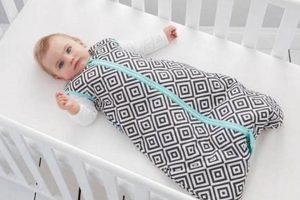
The introduction of soft toys into a baby’s sleep environment is a common consideration for parents. This practice involves placing plush objects, such as teddy bears or similar items, within a crib or sleep area for the infant. The primary concern surrounding this decision centers on the potential risks associated with infant suffocation and Sudden Infant Death Syndrome (SIDS).
The prevailing recommendation from pediatricians and child safety organizations emphasizes delaying the introduction of any loose objects, including soft toys, into a baby’s crib. This precaution aims to minimize the risks of suffocation, entanglement, and potential obstruction of the infant’s airway. Historically, awareness campaigns have highlighted the correlation between cluttered sleep environments and increased SIDS incidence, leading to stricter guidelines for safe sleep practices. The potential comfort a soft toy might offer is weighed against the paramount importance of ensuring a safe sleeping environment.
Therefore, understanding the age-appropriate timeline for introducing such items, identifying safer alternatives for comfort, and recognizing the specific guidelines from experts is crucial for promoting infant safety and well-being. Determining when it is acceptable to place a stuffed animal in an infant’s sleep space necessitates a thorough understanding of developmental milestones and associated safety considerations.
Guidance on Introducing Stuffed Animals to Infants
The following guidance addresses the safe introduction of soft toys into an infant’s sleep environment. It emphasizes minimizing risk and prioritizing infant safety based on established pediatric recommendations.
Tip 1: Adhere to Age Recommendations: Wait until the infant is at least 12 months old before introducing soft toys into the crib. This recommendation aligns with guidelines from pediatric organizations aimed at reducing SIDS risk.
Tip 2: Assess Developmental Milestones: Ensure the infant exhibits sufficient motor skills to move away from a potential obstruction. The ability to roll over and push up are indicators of increased mobility and reduced risk.
Tip 3: Select Appropriate Toys: Choose small, lightweight soft toys without loose parts such as buttons, ribbons, or beads. These components present choking hazards and should be avoided.
Tip 4: Maintain a Clear Sleep Environment: Prioritize a firm mattress with a fitted sheet. Avoid using crib bumpers, blankets, pillows, or other loose items in the crib.
Tip 5: Monitor Initial Interactions: Observe the infant closely during initial interactions with the soft toy. This monitoring allows for immediate intervention if the toy poses a hazard.
Tip 6: Ensure Toy Cleanliness: Regularly wash the soft toy to minimize allergen and germ exposure. Follow the manufacturer’s instructions for cleaning and maintenance.
Tip 7: Introduce as Comfort Item Gradually: Do not force the introduction of a stuffed animal. If the infant shows no interest, it is acceptable to delay the introduction until a later time.
Adhering to these recommendations minimizes potential hazards and promotes a safer sleep environment. The introduction of stuffed animals should be considered carefully and aligned with established safety guidelines.
The conclusion will further summarize and reinforce the key safety considerations surrounding the decision to introduce a soft toy into an infant’s sleep environment.
1. Minimum Age

The recommendation to wait until a minimum age of twelve months before introducing a soft toy into an infant’s sleep environment is a cornerstone of safe sleep practices. This guideline directly addresses the risks associated with infant suffocation and Sudden Infant Death Syndrome (SIDS) by aligning the introduction of these items with specific developmental milestones.
- Reduced Suffocation Risk
The primary rationale behind the twelve-month minimum is to reduce the risk of suffocation. Infants younger than this age possess limited motor skills and may not be able to move away from a soft toy that obstructs their airway. Waiting until the infant is older ensures a greater capacity to reposition themselves, mitigating this hazard.
- Gross Motor Development
By twelve months, most infants have developed significant gross motor skills, including the ability to roll over, sit up, and often crawl or pull themselves up to a standing position. These abilities are crucial for independently navigating their sleep environment and removing any potential obstructions. The development of these skills directly impacts the infant’s capacity to manage potential risks posed by soft toys.
- SIDS Risk Mitigation
Research has demonstrated a correlation between the presence of soft objects in a crib and an increased risk of SIDS, particularly in younger infants. Delaying the introduction of stuffed animals until after the first year significantly lowers this risk. This recommendation aligns with broader safe sleep guidelines, such as placing the infant on their back to sleep and avoiding loose bedding.
- Airway Control and Reflexes
Infants develop stronger airway control and more refined reflexes as they approach their first birthday. These physiological advancements enhance their ability to clear their airway if it becomes obstructed. While not fully mature, these developments provide an added layer of protection, making the introduction of soft toys less hazardous compared to earlier months.
In summary, the recommendation of waiting until an infant is at least twelve months old before introducing a soft toy is not arbitrary. It is directly tied to the infant’s developmental progression, including gross motor skills, airway control, and a decreased vulnerability to SIDS. Adhering to this guideline significantly contributes to creating a safer sleep environment and minimizing potential harm.
2. Gross Motor Development

Gross motor development plays a pivotal role in determining the safety and appropriateness of introducing soft toys into an infant’s sleep environment. The capacity of an infant to control body movements significantly impacts their ability to respond to potential hazards within their crib. A direct correlation exists between specific milestones in gross motor skills and the reduced risk associated with allowing a child to sleep with a stuffed animal. For instance, an infant who can consistently roll from their stomach to their back demonstrates an enhanced ability to reposition themselves if a soft toy obstructs their breathing. Conversely, an infant lacking this skill is at a heightened risk of suffocation.
The ability to sit upright independently represents another key indicator of sufficient gross motor development. An infant capable of sitting can often push away from or remove an object obstructing their face or airway. Similarly, the development of crawling or creeping skills signifies an increased capacity to navigate the sleep environment and move away from potential hazards. The absence of these developmental milestones necessitates a more cautious approach, emphasizing the importance of delaying the introduction of soft toys until the infant exhibits these capabilities. Practical application of this understanding involves observing an infant’s motor skills during playtime and daily activities to assess their readiness for a sleep environment that includes soft toys.
In summary, gross motor development acts as a crucial determinant in assessing the safety of placing soft toys in an infant’s crib. Specific skills, such as rolling, sitting, and crawling, provide a level of self-reliance and hazard mitigation, directly reducing the risk of suffocation. Monitoring these milestones allows caregivers to make informed decisions, prioritizing the infant’s safety and well-being. The challenge lies in recognizing the individual variations in developmental timelines and adjusting the introduction of soft toys accordingly, always erring on the side of caution. This understanding connects directly to the broader theme of safe sleep practices and minimizing the risk of SIDS.
3. Suffocation and SIDS Risks

The introduction of soft objects, such as stuffed animals, into an infant’s sleep environment is directly linked to potential risks of suffocation and Sudden Infant Death Syndrome (SIDS). Understanding the nature of these risks is paramount when considering when it is safe for an infant to sleep with a stuffed animal. Minimizing these hazards requires adherence to established guidelines and a thorough comprehension of the underlying factors.
- Airway Obstruction
Soft toys can pose a suffocation hazard by obstructing an infant’s airway. An infant lacking sufficient motor control may be unable to remove a stuffed animal that covers their nose or mouth. This risk is particularly acute in younger infants who have not yet developed the strength or coordination to reposition themselves independently. The texture and size of the toy also play a role; larger, fluffier toys are more likely to cause obstruction than smaller, firmer ones.
- Re-Breathing of Expired Air
Some soft toys can create a pocket around an infant’s face, leading to the re-breathing of expired air. This expired air contains higher concentrations of carbon dioxide and lower levels of oxygen than fresh air. Over time, re-breathing can lead to hypoxia (oxygen deprivation), potentially contributing to SIDS. The risk is amplified if the toy is tightly packed or dense, limiting airflow.
- Entrapment and Positional Asphyxia
An infant can become entrapped by a larger stuffed animal, leading to positional asphyxia. This occurs when the infant’s position restricts their breathing, often due to the toy pressing against their chest or neck. The risk is increased if the toy is bulky or placed in a way that limits the infant’s ability to move freely. Furthermore, if an infant’s face is pressed against the toy for a prolonged period, positional asphyxia can occur even without complete airway obstruction.
- Increased Risk Factors for SIDS
Research has established a correlation between the presence of soft objects in the crib and an elevated risk of SIDS, particularly in infants under twelve months of age. While the precise mechanisms are not fully understood, it is believed that these objects can contribute to overheating, restricted breathing, or changes in sleep arousal patterns, all of which are potential risk factors for SIDS. The recommendation to delay the introduction of soft toys until after the first year is based on this evidence, aiming to reduce the overall risk of SIDS during this vulnerable period.
The interconnectedness of these risks underscores the importance of adhering to safe sleep guidelines. Waiting until an infant is at least twelve months old, when motor skills are more developed and the risk of SIDS is lower, represents a critical step in mitigating these hazards. Choosing appropriate toys (small, lightweight, and free of loose parts) and maintaining a clear sleep environment further minimizes potential dangers. Ultimately, prioritizing infant safety requires a comprehensive understanding of these risks and a commitment to implementing evidence-based practices.
4. Toy Material and Size

The material composition and dimensions of a soft toy directly influence its safety profile within an infant’s sleep environment. An inappropriately sized or textured toy can significantly elevate the risk of suffocation and other sleep-related hazards. Therefore, an understanding of these factors is essential when determining if and when a baby can safely sleep with a stuffed animal. For example, a large, plush toy made of loosely woven material presents a greater risk of airway obstruction compared to a small, firmly constructed toy made of breathable fabric. The former can more easily cover the infant’s face and restrict airflow, while the latter minimizes this potential.
The selection of appropriate toy materials is also crucial. Toys containing small, detachable parts, such as buttons, ribbons, or plastic eyes, present a choking hazard and should be avoided. Materials that shed fibers easily can also pose a risk if inhaled. Ideally, soft toys should be made of hypoallergenic, breathable fabrics that are tightly woven and securely stitched. Size is another critical consideration. Smaller toys, generally those less than 12 inches in height, are preferable, as they are less likely to cause airway obstruction or restrict the infant’s movement within the crib. Real-world examples include incidents where infants have become entangled in oversized stuffed animals or have suffocated after inhaling fibers from poorly constructed toys. These instances underscore the importance of diligent selection and quality control.
In summary, toy material and size are critical components in assessing the safety of introducing soft toys to an infant’s sleep environment. Selecting toys made of safe, breathable materials and ensuring they are of an appropriate size significantly reduces the risk of suffocation and other sleep-related hazards. Parents and caregivers should prioritize these factors when making decisions about the introduction of stuffed animals, recognizing that a careful assessment of toy characteristics is essential for promoting infant safety. The challenge lies in navigating the vast array of products available and discerning those that meet the stringent safety standards necessary for minimizing risk. This underscores the need for ongoing education and awareness regarding safe sleep practices.
5. Sleep Environment Safety

The safety of an infant’s sleep environment is inextricably linked to the question of when a baby can sleep with a stuffed animal. The introduction of any extraneous item, including soft toys, into the crib has the potential to compromise safety, particularly for infants under one year of age. A safe sleep environment, as defined by pediatric organizations, consists of a firm mattress covered by a fitted sheet, with no other loose bedding, pillows, blankets, or toys. This recommendation is based on extensive research demonstrating a correlation between cluttered sleep environments and an increased risk of Sudden Infant Death Syndrome (SIDS) and accidental suffocation. The decision to introduce a stuffed animal, therefore, necessitates a careful evaluation of the potential risks and benefits within the context of overall sleep environment safety. For instance, an infant placed in a crib with multiple soft toys, loose blankets, and crib bumpers faces a significantly higher risk of airway obstruction than an infant sleeping in a bare crib on their back.
The influence of sleep environment safety extends beyond the mere presence or absence of soft toys. Factors such as room temperature, air quality, and the infant’s sleep position all contribute to the overall safety profile. Overheating, for example, has been identified as a risk factor for SIDS, and the presence of a stuffed animal can exacerbate this risk by trapping heat around the infant. Similarly, poor air quality, whether due to allergens or pollutants, can increase the likelihood of respiratory distress, which can be further complicated by the presence of a soft toy obstructing the airway. Practical application of this understanding involves actively monitoring and controlling these environmental factors, in addition to adhering to guidelines regarding the introduction of soft toys. Caregivers can use room thermometers, air purifiers, and consistent sleep positioning to create a safer environment. This holistic approach acknowledges that the question of stuffed animals is just one component of a larger, interconnected system of sleep safety.
In conclusion, the introduction of a stuffed animal into an infant’s sleep environment is a decision that must be made with a comprehensive understanding of sleep environment safety. The potential risks associated with soft toys, including suffocation and SIDS, can be mitigated by adhering to established guidelines and actively managing other environmental factors. The challenge lies in balancing the desire to provide comfort and security to the infant with the imperative to minimize potential hazards. Delaying the introduction of soft toys until after the first year, maintaining a clear sleep environment, and carefully monitoring environmental conditions are all essential steps in promoting infant safety and well-being. This approach links directly to the broader goal of reducing infant mortality and ensuring that all infants have the opportunity to thrive.
Frequently Asked Questions
The following section addresses common inquiries regarding the appropriate and safe introduction of soft toys, such as stuffed animals, into an infant’s sleep environment. These responses are intended to provide clarity based on current pediatric recommendations and safety guidelines.
Question 1: What is the earliest age at which a stuffed animal can be safely introduced into a baby’s crib?
The recommended minimum age is twelve months. This guideline aligns with pediatric advice aimed at reducing the risk of Sudden Infant Death Syndrome (SIDS) and suffocation, which are higher in infants younger than one year.
Question 2: How does an infant’s motor skill development influence the decision to introduce a stuffed animal?
Infants should exhibit sufficient gross motor skills, such as the ability to roll over, sit up, and push themselves up, before soft toys are introduced. These skills enable the infant to move away from potential obstructions, reducing the risk of airway obstruction.
Question 3: What type of stuffed animal is considered safest for a baby?
Small, lightweight stuffed animals without loose parts, such as buttons, ribbons, or beads, are the safest options. The toy should be made of tightly woven, breathable materials to minimize the risk of fiber inhalation or entrapment.
Question 4: What constitutes a safe sleep environment for an infant, and how does a stuffed animal impact it?
A safe sleep environment consists of a firm mattress with a fitted sheet and no other loose items, such as blankets, pillows, or crib bumpers. The introduction of a stuffed animal adds a potential hazard that must be carefully considered within this context.
Question 5: Can a stuffed animal contribute to Sudden Infant Death Syndrome (SIDS)?
Research indicates a correlation between the presence of soft objects in the crib and an increased risk of SIDS, particularly in infants under twelve months. The precise mechanisms are not fully understood, but airway obstruction, re-breathing of expired air, and overheating are potential contributing factors.
Question 6: What alternatives exist for providing comfort to an infant without introducing a stuffed animal to the crib?
Alternatives include establishing a consistent bedtime routine, swaddling (for younger infants), using a pacifier, or playing white noise. These methods provide comfort and security without introducing potential hazards into the sleep environment.
In summary, the decision to introduce a soft toy into an infant’s sleep environment should be made with careful consideration of the infant’s age, motor skill development, the characteristics of the toy, and the overall safety of the sleep environment. Adherence to established guidelines and a thorough understanding of the risks are essential for promoting infant safety and well-being.
The following section will provide a comprehensive checklist to ensure adherence to key considerations when introducing soft toys.
When Can a Baby Sleep with a Stuffed Animal
The preceding exploration has underscored the critical factors surrounding when can a baby sleep with a stuffed animal. It has established a clear link between infant age, developmental milestones, and the potential hazards associated with soft objects in a sleep environment. The generally accepted recommendation of waiting until at least twelve months of age has been presented as a primary risk mitigation strategy, aligning with the understanding that suffocation and SIDS risks decrease as infants gain motor control and airway stability.
The ultimate decision regarding the introduction of soft toys into an infant’s sleep space rests with caregivers, but it must be an informed decision. The information presented serves as a framework for prioritizing infant safety. Diligence in adhering to recommended guidelines, vigilance in monitoring infant development, and a commitment to maintaining a safe sleep environment are crucial for minimizing potential harm. The future of infant safety relies on ongoing research, continued education, and a steadfast dedication to evidence-based practices.