



Determining whether an infant experiences thermal discomfort during sleep involves recognizing specific physiological and behavioral cues. Observing these indicators is crucial for maintaining a safe and comfortable sleep environment for the child. Examples include assessing the infant’s skin temperature, observing their physical posture, and monitoring their overall activity level.
Maintaining a stable and appropriate body temperature in infants is essential for their overall health and well-being. Hypothermia in newborns can lead to various complications, including respiratory distress, hypoglycemia, and increased risk of infection. Historically, caregivers relied primarily on tactile assessment and observation to gauge an infant’s thermal status. Modern recommendations emphasize creating a consistent and comfortable sleep environment to mitigate the risk of the baby getting cold.
The subsequent sections will delve into specific methods for assessing an infant’s thermal comfort during sleep, including techniques for monitoring skin temperature, identifying behavioral signs of coldness, and establishing a safe and optimal sleep environment.
Identifying Infant Coldness During Sleep
Effective identification of an infant’s thermal state during sleep necessitates careful observation and assessment of various indicators. The following guidelines provide practical methods for determining if an infant is experiencing coldness.
Tip 1: Assess Skin Temperature. Palpate the infant’s chest or back to determine their core temperature. Extremities, such as hands and feet, may feel cool even when the infant’s core temperature is within the normal range. A cold chest or back suggests the infant may be too cold.
Tip 2: Observe Behavioral Cues. Increased fussiness, restlessness, or reluctance to settle may indicate discomfort due to coldness. Note any changes in the infant’s usual sleep patterns or activity levels.
Tip 3: Monitor Breathing Patterns. While not always indicative of coldness alone, changes in breathing rate or the presence of shallow, rapid breaths warrant further investigation. Combine this observation with other signs of potential coldness.
Tip 4: Check for Skin Mottling. Mottled skin, characterized by a patchy discoloration, can indicate that the infant’s body is attempting to conserve heat. This symptom, coupled with other signs, suggests the infant requires additional warmth.
Tip 5: Evaluate the Sleep Environment. Ensure the room temperature is appropriate for an infant, generally recommended to be between 68-72F (20-22C). Consider the type and thickness of the infant’s sleepwear and bedding.
Tip 6: Consider Pre-existing Conditions. Premature infants or those with underlying medical conditions may be more susceptible to temperature fluctuations. Implement vigilant monitoring in these cases.
Tip 7: Avoid Over-Bundling. While ensuring the infant is warm, avoid excessive layers of clothing or blankets, as overheating poses its own risks. Aim for a balance to maintain a comfortable temperature.
Consistent monitoring and careful assessment of these indicators allow caregivers to proactively address potential coldness, thereby promoting a safe and comfortable sleep environment for the infant.
The next section will provide guidance on strategies for adjusting the sleep environment to ensure the infant’s thermal comfort and prevent potential health risks associated with coldness during sleep.
1. Skin temperature

Skin temperature serves as a crucial indicator of an infant’s thermal state, directly informing the assessment of whether the infant is experiencing coldness during sleep. Reduced skin temperature, particularly in the core areas of the body such as the chest and back, often signals that the infant’s body is losing heat faster than it can produce it. This imbalance leads to a state of hypothermia, the initial stages of which manifest as a palpable coolness of the skin. For instance, if a caregiver touches an infant’s chest and finds it to be noticeably cool, despite the infant being clothed, it suggests the infant may be too cold. Therefore, Skin temperature monitoring is integral of how to tell if baby is cold while sleeping.
The practical application of skin temperature assessment involves a combination of tactile examination and awareness of environmental factors. Caregivers should regularly check the infant’s skin temperature, especially in the early hours of the morning when body temperature tends to be at its lowest. Consider the ambient room temperature, the type of clothing the infant is wearing, and the presence of any drafts or cooling elements. For example, if the room temperature is low and the infant is dressed in light clothing, the likelihood of a cold skin temperature increases. Furthermore, the infant’s age and health status also play a role. Premature infants, with less subcutaneous fat, are more susceptible to heat loss and thus require more frequent skin temperature checks. The significance of skin temperature assessment lies in its ability to provide early warning signs, allowing for timely intervention to prevent further heat loss and potential complications.
In summary, skin temperature is a direct and readily accessible metric for determining an infant’s thermal comfort during sleep. Consistent monitoring and proper interpretation of skin temperature, considering both internal and external factors, are essential for maintaining a safe and healthy sleep environment for the infant. The challenge lies in differentiating between normal variations in skin temperature and genuine signs of coldness. Combining skin temperature assessment with other indicators, such as behavioral cues and environmental factors, provides a more comprehensive and reliable method for ensuring the infant’s thermal well-being. This comprehensive approach is fundamental to the overarching objective of keeping the baby warm and safe during sleep.
2. Behavioral cues

Behavioral cues represent a critical component in determining if an infant is experiencing coldness while sleeping. An infant’s physiological response to a drop in body temperature often manifests in observable behavioral changes. These alterations in behavior serve as communicative signals, providing caregivers with valuable insights into the infant’s thermal comfort. Understanding these cues enables timely intervention, mitigating the potential risks associated with hypothermia. For instance, an infant experiencing coldness might exhibit increased fussiness or restlessness, struggling to find a comfortable position as their body attempts to generate heat. Conversely, a lethargic or unusually quiet demeanor could also indicate coldness, particularly if the infant is conserving energy to maintain core temperature. Behavioral cues therefore are essential for how to tell if baby is cold while sleeping.
The practical application of observing behavioral cues necessitates a familiarity with the infant’s typical sleep patterns and temperament. A sudden deviation from the infant’s norm warrants closer examination. Examples include an infant who typically sleeps soundly suddenly waking frequently or an infant who is generally content becoming unusually irritable. These behavioral changes should be considered in conjunction with other indicators, such as skin temperature and environmental factors, to form a comprehensive assessment. For example, if an infant exhibits restlessness and cool skin, combined with a low room temperature, it reinforces the likelihood of coldness. Moreover, feeding patterns can also offer clues; an infant who is cold may exhibit a decreased appetite or reluctance to feed, as their body prioritizes maintaining core temperature over energy intake.
In summary, behavioral cues are informative indicators of an infant’s thermal state during sleep. Recognizing and interpreting these signals, in conjunction with other assessment methods, allows caregivers to proactively address potential coldness and ensure a safe and comfortable sleep environment. The challenge lies in accurately differentiating between normal variations in behavior and genuine signs of thermal discomfort. By combining astute observation skills with an understanding of infant physiology, caregivers can effectively use behavioral cues as a vital tool in safeguarding the infant’s well-being during sleep. This holistic approach ensures the accurate assessment of how to tell if baby is cold while sleeping, facilitating appropriate and timely interventions.
3. Breathing patterns

Changes in breathing patterns can provide supplementary information when assessing an infant’s thermal status during sleep, though they are not definitive indicators of coldness alone. Hypothermia in infants can, in some instances, lead to alterations in respiratory rate or depth. An infant attempting to conserve heat might exhibit shallow, rapid breathing as the body works to maintain core temperature. Alternatively, severely cold infants may display slowed or irregular breathing. It is important to note that these respiratory changes can also be indicative of other medical conditions, necessitating a comprehensive assessment rather than relying solely on breathing patterns to determine if the infant is cold.
The practical significance of observing breathing patterns lies in their potential to raise suspicion and prompt further investigation. For instance, if an infant presents with both cool skin and rapid, shallow breathing, the likelihood of hypothermia is increased, warranting immediate intervention. However, if the infant’s breathing is irregular, it is crucial to rule out other potential causes, such as respiratory infections or underlying medical conditions. Caregivers should be educated on the infant’s baseline breathing patterns to facilitate the early detection of any deviations from the norm. Monitoring breathing patterns is therefore a component of how to tell if baby is cold while sleeping.
In summary, while alterations in breathing patterns can be associated with hypothermia, they should not be considered definitive indicators. They serve as supplementary information that must be interpreted in conjunction with other signs, such as skin temperature, behavioral cues, and environmental factors. A thorough assessment is essential to differentiate between cold-related respiratory changes and those resulting from other medical conditions. The challenge lies in the fact that an infant’s breathing can be affected by a variety of factors. A holistic approach is necessary to provide appropriate care.
4. Skin mottling

Skin mottling, characterized by a patchy discoloration of the skin resembling a marbled pattern, serves as a potential indicator of an infant’s physiological response to cold exposure. Its presence suggests compromised peripheral circulation as the body prioritizes blood flow to vital organs, impacting thermoregulation. This phenomenon, while not exclusive to cold exposure, warrants consideration within the broader context of assessing an infant’s thermal comfort during sleep.
- Physiological Mechanism
Skin mottling arises from vasoconstriction, a process where blood vessels narrow in response to cold, reducing heat loss from the skin surface. This constriction results in an uneven distribution of blood flow, leading to the characteristic blotchy appearance. The mottled pattern signifies an attempt by the infant’s body to conserve heat and maintain core temperature. In this way, skin mottling may be a sign of how to tell if baby is cold while sleeping.
- Clinical Significance
While occasional, transient mottling may occur in healthy infants, persistent or pronounced skin mottling, particularly when accompanied by other signs of coldness (e.g., cool skin to the touch, lethargy), raises concern for hypothermia. In premature or ill infants, skin mottling can be a sign of more serious underlying conditions, such as sepsis or circulatory compromise, highlighting the importance of a comprehensive evaluation. Recognizing skin mottling enables more precise assessment of how to tell if baby is cold while sleeping.
- Differential Diagnosis
It is crucial to differentiate cold-induced skin mottling from other conditions that can cause similar skin changes. These include cutis marmorata (a benign vascular pattern often seen in newborns), congenital heart disease, and certain infections. A thorough clinical examination and consideration of the infant’s medical history are necessary to establish the correct diagnosis. The ruling out of alternative issues are critical for using skin mottling as an indicator for how to tell if baby is cold while sleeping.
- Assessment and Intervention
The presence of skin mottling necessitates assessment of other vital signs, including temperature, heart rate, and respiratory rate. If hypothermia is suspected, immediate interventions include warming the infant with blankets or skin-to-skin contact, ensuring a thermally neutral environment, and monitoring core temperature closely. Further medical evaluation may be required to rule out underlying causes of the mottling. A proper response to skin mottling may resolve the question of how to tell if baby is cold while sleeping.
In conclusion, skin mottling serves as a potentially valuable, though non-specific, indicator when evaluating an infant for cold stress during sleep. Its interpretation requires careful consideration of the clinical context, including other presenting signs and the infant’s overall health status. Integration of this observation with other assessment methods allows for a more accurate determination of the infant’s thermal comfort and guides appropriate intervention strategies.
5. Room temperature

Room temperature is a critical environmental factor directly impacting an infant’s ability to maintain thermal stability during sleep. A room that is excessively cold can lead to heat loss exceeding the infant’s capacity for heat generation, resulting in hypothermia. Conversely, an excessively warm room can contribute to overheating, which is also detrimental. Therefore, maintaining an appropriate room temperature is a foundational element in preventing thermal stress and is essential for how to tell if baby is cold while sleeping. For example, if an infant is sleeping in a room maintained at 65F (18C) with inadequate clothing, the likelihood of the infant experiencing coldness significantly increases, potentially leading to restlessness, difficulty settling, and, in severe cases, physiological complications. In contrast, a room temperature of 80F (27C) with excessive blankets can lead to hyperthermia. Recognizing the impact of room temperature, and therefore controlling it, is a vital parameter in how to tell if baby is cold while sleeping.
The determination of an appropriate room temperature requires consideration of factors beyond a single numerical value. Infant age, clothing, bedding, and individual metabolic rate all contribute to the infant’s thermal needs. Current recommendations generally suggest maintaining a room temperature between 68F and 72F (20C and 22C) for infants. Utilizing a reliable room thermometer is a practical measure to ensure consistent monitoring. Adjustments to clothing and bedding should be made in conjunction with room temperature to achieve optimal thermal comfort. For instance, if the room temperature is on the lower end of the recommended range, a slightly thicker sleep sack or additional layer of clothing may be appropriate. Conversely, if the room temperature is warmer, lighter clothing and minimal bedding are advisable. Constant adjusting of temperature settings in the room, in response to changes in the external environment, is therefore, a critical part of how to tell if baby is cold while sleeping.
In summary, room temperature exerts a direct influence on an infant’s thermal regulation and must be carefully managed to prevent both hypothermia and hyperthermia. While adherence to recommended temperature ranges provides a general guideline, individual factors and careful observation of the infant’s responses are crucial for achieving optimal thermal comfort. The challenge lies in maintaining a consistent and appropriate room temperature despite fluctuations in external weather conditions or home heating/cooling systems. Understanding the role of room temperature in how to tell if baby is cold while sleeping is a foundational element in promoting a safe and healthy sleep environment for infants, therefore.
6. Pre-existing conditions

An infant’s pre-existing medical conditions can significantly influence their ability to regulate body temperature and, consequently, alter the presentation of indicators used to assess thermal comfort during sleep. Certain conditions compromise the infant’s thermoregulatory mechanisms, necessitating heightened vigilance and modified approaches to determining coldness. For example, premature infants often possess diminished subcutaneous fat and immature thermoregulatory systems, rendering them more susceptible to hypothermia. Similarly, infants with cardiac conditions may experience impaired circulation, affecting their ability to distribute heat effectively. Therefore, awareness of pre-existing conditions becomes a critical component of how to tell if baby is cold while sleeping. A healthy, full-term infant might exhibit robust shivering as a response to cold, whereas a premature infant might display more subtle cues, such as lethargy or increased apnea, making accurate assessment contingent on considering their medical history.
The practical application of this knowledge involves tailoring monitoring protocols based on the infant’s specific condition. Infants with hypothyroidism, for example, may have a lower metabolic rate and reduced heat production, requiring more frequent temperature checks and adjustments to the sleep environment. Infants with infections may experience fever, which can mask underlying coldness, necessitating careful differentiation between fever-induced vasodilation and cold-induced vasoconstriction. In such instances, relying solely on skin temperature can be misleading, underscoring the importance of evaluating behavioral cues and considering the overall clinical picture. The presence of pre-existing conditions alters baseline expectations for how an infant should respond to temperature changes. It is critical for caregivers to understand that how to tell if baby is cold while sleeping has many influences including medical state.
In summary, pre-existing medical conditions represent a crucial modifying factor in assessing an infant’s thermal comfort during sleep. These conditions can alter both the infant’s ability to regulate temperature and the presentation of typical indicators of coldness. The challenge lies in accurately interpreting these signs in the context of the infant’s medical history and adapting monitoring strategies accordingly. Failure to account for pre-existing conditions can lead to inaccurate assessments and delayed interventions, potentially compromising the infant’s health and safety. This highlights the need for collaborative care involving healthcare professionals and informed caregivers who are equipped to identify and respond to the unique thermal needs of vulnerable infants.
7. Clothing/bedding

Clothing and bedding constitute the primary interface between an infant and their thermal environment, directly influencing heat retention and dissipation. The appropriate selection and use of these items are fundamental to maintaining thermal comfort and are integral to assessing if an infant experiences coldness during sleep.
- Type of Material
The thermal properties of fabrics vary considerably. Natural fibers like cotton and merino wool offer breathability and moderate insulation, while synthetic materials may trap moisture and hinder effective temperature regulation. For example, an infant swaddled in a thick polyester blanket may overheat, even in a cool room, whereas one dressed in cotton pajamas may remain comfortably warm. Selection of appropriate materials influences the reliability of behavioral and physiological cues used to determine an infant’s thermal state.
- Layering Techniques
Employing multiple thin layers of clothing allows for dynamic adjustment based on environmental conditions. This approach is preferable to a single, heavy garment. For instance, adding or removing a light cotton blanket accommodates fluctuations in room temperature throughout the night. Effective layering also enables easier assessment of skin temperature; a caregiver can readily access the infant’s chest without completely exposing them.
- Fit and Restriction
Clothing should be appropriately sized to avoid restricting movement or impeding circulation. Tight-fitting garments can compromise blood flow, leading to localized areas of coldness. Conversely, excessively loose clothing poses a suffocation hazard. Safe sleep practices mandate that bedding remain minimal, typically limited to a fitted sheet. Pillows, quilts, and bumper pads should be avoided due to the risk of airway obstruction. Inappropriate fitting undermines the reliability of observational assessments, potentially masking or mimicking genuine signs of coldness.
- Sleep Sacks and Swaddling
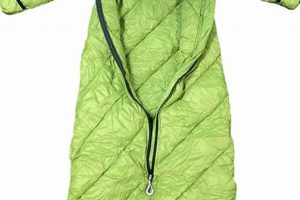
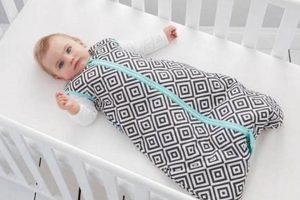
Sleep sacks offer a secure and thermally consistent alternative to loose blankets, minimizing the risk of entanglement. Swaddling, when performed correctly, can promote comfort and reduce startle reflexes. However, improper swaddling can restrict hip movement and contribute to overheating if excessively tight or layered with heavy fabrics. The appropriate use of sleep sacks and swaddling techniques impacts both thermal safety and the interpretability of indicators used to gauge an infant’s thermal state during sleep.
Clothing and bedding directly affect heat exchange and influence the accuracy of assessment methods for determining if an infant is cold during sleep. Careful selection, appropriate layering, and adherence to safe sleep practices are essential for promoting thermal comfort and minimizing risks. A thorough understanding of these factors enables more informed interpretation of skin temperature, behavioral cues, and other physiological indicators used to gauge an infant’s thermal state.
Frequently Asked Questions
The following questions address common concerns regarding the assessment of an infant’s thermal comfort during sleep. These answers aim to provide clarity and guidance for ensuring a safe and appropriate sleep environment.
Question 1: Is touching an infant’s hands or feet a reliable way to determine if the infant is cold?
Cold hands and feet are not necessarily indicative of overall coldness. Peripheral circulation in infants is often variable, and extremities may feel cool even when the core body temperature is within a normal range. Assessment should focus on the temperature of the infant’s chest or back.
Question 2: What is the recommended room temperature for an infant’s sleep environment?
The generally recommended room temperature range is between 68F (20C) and 72F (22C). A reliable room thermometer should be used to monitor and maintain this temperature range.
Question 3: How many layers of clothing are appropriate for an infant during sleep?
Overheating is a risk factor for Sudden Infant Death Syndrome (SIDS). Typically, one more layer than what an adult would wear to feel comfortable is appropriate for an infant. Avoid excessive bundling.
Question 4: Are blankets safe for infants during sleep?
Loose blankets pose a suffocation risk. Sleep sacks or wearable blankets are safer alternatives to traditional blankets. The infant’s arms should remain free, not swaddled, to help regulate temperature.
Question 5: What behavioral cues might indicate that an infant is cold?
Increased fussiness, restlessness, or a reluctance to settle may indicate coldness. Lethargy, though also a sign of other issues, can sometimes indicate an infant who is conserving energy to keep warm. Deviation from normal sleep patterns warrants attention.
Question 6: Should an infant’s temperature be routinely checked during the night?
Routine temperature checks are generally unnecessary unless there is a specific concern, such as a pre-existing medical condition or a noticeable change in the infant’s behavior or environment. Over-monitoring can disrupt sleep. Observe and adjust the environment if you suspect a problem.
These FAQs provide a foundational understanding of infant thermal regulation during sleep. Consistent monitoring and proactive adjustments to the sleep environment are key to maintaining the infant’s well-being.
The subsequent section will outline actionable steps for creating a safe and thermally comfortable sleep environment for infants.
Ensuring Infant Thermal Comfort During Sleep
This discussion has comprehensively explored “how to tell if baby is cold while sleeping,” emphasizing the importance of multi-faceted assessment techniques. Skin temperature evaluation, observation of behavioral cues, and consideration of environmental factors, pre-existing conditions, clothing/bedding choices are all vital indicators when determining an infant’s thermal comfort. Correct interpretation of such signs will lead to appropriate measures for maintaining thermal stability.
Prioritizing infant safety and well-being necessitates vigilance and proactive management of the sleep environment. Diligent monitoring, combined with an understanding of individual infant needs, minimizes the risk of hypothermia and promotes optimal health. Caregivers must remain informed and responsive to ensure a secure and thermally appropriate sleep setting for the infant.


![No Nap? Secrets of Babies Who Sleep All Night [Tips] | Baby Care 101: Essential Tips for Happy, Healthy Babies](https://singlebabies.com/wp-content/uploads/2026/05/th-55-300x200.jpg "No Nap? Secrets of Babies Who Sleep All Night [Tips] Baby Care 101: Essential Tips for Happy, Healthy Babies")