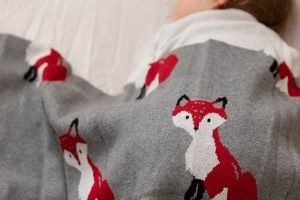
The process detailed herein involves crafting soft, comforting coverings designed for infants. These items typically feature gentle materials and construction techniques suitable for delicate skin, prioritizing safety and ease of care. Examples include knitted, crocheted, sewn, or quilted textiles, all customized to provide warmth and security for a baby.
The creation of such items offers several advantages. They provide a tangible expression of care and affection. Furthermore, these soft coverings offer a portable and familiar source of comfort for infants, aiding in soothing and sleep. Historically, hand-made coverings have been integral to childcare traditions, passed down through generations as practical and sentimental objects.
Subsequent sections will elaborate on various methods for their creation, encompassing material selection, necessary tools, step-by-step instructions for different techniques, and essential safety considerations to ensure optimal outcomes.
Essential Considerations for Baby Blanket Construction
This section outlines critical aspects to consider when producing textiles intended for infant use, prioritizing safety, durability, and comfort.
Tip 1: Fabric Selection: Opt for materials certified free from harmful substances. Organic cotton, bamboo, and fleece are suitable choices due to their softness and hypoallergenic properties. Thoroughly wash new fabric prior to use to remove any residual chemicals.
Tip 2: Stitch Security: Regardless of the construction methodknitting, crochet, or sewingensure stitches are tightly secured to prevent unraveling. Loose threads or gaps pose a potential entanglement hazard.
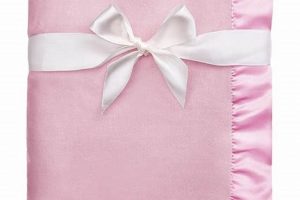
Tip 3: Edge Finishing: Employ a durable edge finish to prevent fraying. Binding, serging, or a tightly crocheted border are effective methods. Avoid embellishments, such as tassels or ribbons, that could detach and present a choking hazard.
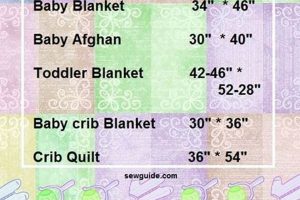
Tip 4: Size Considerations: Adhere to appropriate size guidelines. Overly large textiles may pose a suffocation risk. A receiving blanket size (approximately 30×30 inches) or a slightly larger size (up to 45×45 inches) are generally recommended.
Tip 5: Weight and Warmth: Select a weight appropriate for the climate and intended use. Avoid overly thick or heavy textiles, which could lead to overheating. Layering thinner coverings offers greater flexibility and control over warmth.
Tip 6: Care Instructions: Ensure the finished item is easily washable and dryable. Attach a care label with clear instructions to maintain hygiene and prolong the item’s lifespan. High-temperature washing and tumble drying can help sanitize the textile.
These guidelines emphasize the importance of prioritizing infant safety and well-being when creating these items. Careful attention to material selection, construction techniques, and care considerations will contribute to a comforting and secure experience.
The subsequent section will provide guidance on additional resources and troubleshooting commonly encountered challenges.
1. Planning the Design

The initial phase of crafting infant coverings, “Planning the Design,” directly influences the final product’s safety, functionality, and aesthetic appeal. A well-considered design minimizes potential hazards, optimizes ease of use, and enhances visual appeal. For instance, neglecting to account for fabric shrinkage during this phase could result in an item that is undersized post-washing, rendering it less useful. Similarly, failing to consider the infant’s developmental stage could lead to the inclusion of design elements, such as loose attachments, that pose a safety risk.
Effective design planning involves several critical considerations. These include selecting appropriate dimensions to prevent suffocation hazards, choosing a stitch or weave pattern that minimizes gaps and loose threads, and incorporating colors and textures that are visually stimulating yet calming for the infant. Furthermore, a detailed design plan aids in accurate material estimation, minimizing waste and reducing the overall project cost. An example would be charting out a complex quilt pattern beforehand to calculate the precise yardage of each fabric type required, preventing overbuying and potential financial loss. Similarly, pre-planning a knitted blanket design allows for accurate stitch calculations, ensuring the finished item is the desired size and shape.
In conclusion, “Planning the Design” is an indispensable component of creating safe, functional, and aesthetically pleasing infant coverings. Careful consideration of dimensions, materials, and construction techniques during this initial phase significantly reduces the risk of potential hazards, optimizes material usage, and enhances the overall quality of the finished product. Overlooking this crucial step can lead to safety compromises, increased project costs, and a final product that fails to meet intended needs. The connection ensures a successful creation.
2. Selecting Suitable Materials
The selection of appropriate materials represents a cornerstone in the process of crafting coverings for infants. The material’s inherent properties directly impact the item’s safety, comfort, durability, and ease of care, thereby influencing its suitability for use with delicate infant skin and frequent laundering. Neglecting to prioritize material selection can compromise the final product’s integrity and potentially pose risks to the infant.
- Fiber Content and Hypoallergenic Properties
The type of fiber employed dictates the textile’s breathability, softness, and potential for allergic reactions. Natural fibers such as organic cotton and bamboo offer excellent breathability and are less likely to cause irritation compared to synthetic options like acrylic. For instance, a covering made from tightly woven, non-organic cotton may retain moisture, potentially leading to skin irritation, while a covering crafted from loosely woven organic cotton promotes airflow and reduces the risk of discomfort. Proper fiber selection is crucial for minimizing the potential for adverse reactions.
- Dye Composition and Chemical Residue
The dyes and finishes applied to fabrics can contain harmful chemicals that may leach onto the infant’s skin. Opting for low-impact or natural dyes minimizes the risk of exposure to toxins. Fabrics certified by organizations like OEKO-TEX Standard 100 guarantee that the material has been tested for harmful substances. For example, a brightly colored covering manufactured with azo dyes could potentially release carcinogenic compounds, while a covering dyed with natural plant-based pigments presents a significantly lower risk. Verifying dye safety is a vital step in safeguarding the infant’s health.
- Fabric Weight and Texture
The weight and texture of the fabric influence the item’s warmth, drape, and overall comfort. Lightweight fabrics are suitable for warmer climates, while heavier fabrics provide greater insulation in cooler temperatures. Additionally, the texture should be smooth and free from rough patches that could irritate the infant’s skin. A rough, heavily textured wool covering might be uncomfortable and cause skin abrasion, while a smooth, lightweight cotton flannel covering provides a gentle and comfortable surface. Selecting a fabric with an appropriate weight and texture enhances the item’s usability and comfort.
- Washability and Durability
Given the frequency with which infant items require laundering, selecting materials that withstand repeated washing and drying is essential. Fabrics that shrink excessively, fade, or pill easily will quickly lose their functionality and aesthetic appeal. For example, a delicate silk covering might require specialized cleaning and prove impractical for daily use, while a durable cotton or bamboo blend covering can be machine-washed and dried with ease. Prioritizing washability and durability ensures the item remains hygienic and serviceable over an extended period.
The preceding facets highlight the critical connection between “Selecting Suitable Materials” and successful creation of infant coverings. Careful consideration of fiber content, dye composition, fabric weight, and washability leads to a final product that is safe, comfortable, durable, and easily maintained. Conversely, overlooking these material properties can result in an item that compromises infant safety and fails to meet its intended purpose. Examples of common materials include Organic cotton, Fleece and Muslin.
3. Executing the Technique

The phrase “Executing the Technique” represents the active implementation of a chosen method for producing textiles intended for infant use, directly influencing the quality, safety, and durability of the resulting item. This phase translates the initial design and material selection into a tangible product, where the skill and precision employed dictate the finished item’s performance. An incorrectly executed seam in a sewn covering, for instance, can lead to unraveling and create a potential hazard for the infant. Similarly, uneven tension during knitting or crocheting can result in a misshapen and uncomfortable final product. Thus, competent execution directly affects the overall success of the “how to make baby blankets” objective.
Different techniques, such as knitting, crochet, sewing, or quilting, each present unique challenges and require specific skill sets. Knitting necessitates consistent tension and accurate stitch counts to achieve a uniform fabric. Crochet demands precise hook manipulation to create intricate patterns and secure joins. Sewing requires accurate cutting and stitching to ensure seams are strong and aligned. Quilting involves layering and securing multiple fabric pieces to create a warm and visually appealing design. Mastering the selected technique is crucial for avoiding common pitfalls such as dropped stitches, puckered seams, or uneven quilting. Proper execution ensures that design considerations, such as dimensions and material properties, are accurately translated into the final product.
In conclusion, “Executing the Technique” serves as a critical bridge between planning and realization in the creation of textiles for infants. Competent execution ensures that the selected materials are transformed into a safe, durable, and aesthetically pleasing item. Deficiencies in technical skill or attention to detail can compromise the integrity and functionality of the finished product. Therefore, diligent practice and mastery of the chosen technique are essential components of achieving a successful outcome, ensuring that the final covering meets the intended purpose of providing comfort and security for the infant.
4. Ensuring Proper Finishing
The phrase “Ensuring Proper Finishing” represents a crucial component within the overarching process of textiles for infants. This phase focuses on securing edges, concealing raw seams, and removing loose threads to enhance the item’s safety, durability, and aesthetic appeal. A lack of attention to finishing details can result in frayed edges that pose a choking hazard or unraveling seams that compromise the item’s structural integrity. Therefore, proper finishing is inextricably linked to the overall success and suitability of the finished product for its intended purpose. Examples include implementing a rolled hem to prevent fraying or binding the edges to secure the edges.
Different finishing techniques cater to various fabric types and construction methods. For knitted or crocheted coverings, a secure bind-off or edging stitch is essential to prevent unraveling. For sewn items, serging, binding, or zigzag stitching along the raw edges effectively encapsulates the fabric and prevents fraying. Loose threads should be trimmed meticulously to eliminate potential entanglement hazards. Moreover, embellishments, if included, must be securely attached to minimize the risk of detachment. An example is adding a crocheted border around the edge of a knitted blanket or to hem a baby quilt. These techniques are practical applications to a successful and durable baby blanket.
In summary, “Ensuring Proper Finishing” serves as a fundamental step in producing safe, durable, and visually appealing textiles for infants. Neglecting this phase compromises the item’s integrity, potentially creating hazards and diminishing its overall value. The examples, such as secured bound-off edging and secured trimmings, highlight how the various techniques are beneficial. Therefore, meticulous attention to finishing details is essential for ensuring that the final product meets the intended purpose of providing comfort and security for the infant, while also withstanding the rigors of frequent use and laundering.
5. Maintaining Hygiene Standards
“Maintaining Hygiene Standards” represents a critical, ongoing aspect of creating items intended for infant use, with direct implications for safety and well-being. The process transcends initial creation, extending throughout the textile’s lifespan. Failure to uphold rigorous hygiene protocols can negate the benefits of carefully selected materials and meticulous construction techniques.
- Pre-Use Washing Procedures
Laundering all fabrics before construction removes residual chemicals, dyes, and manufacturing debris that could irritate delicate infant skin. Unwashed materials may harbor substances that trigger allergic reactions or cause discomfort. Implementing a thorough pre-wash cycle, employing a fragrance-free, hypoallergenic detergent, mitigates these risks. For example, new cotton fabrics can contain sizing agents that stiffen the material, but also can cause irritation. Pre-washing removes these agents, creating a softer, safer material for the infant.
- Selecting Appropriate Cleaning Agents
The cleaning agents used for subsequent washing must be carefully chosen to avoid introducing harmful substances. Harsh detergents, fabric softeners, and bleaching agents can leave residues that irritate the skin or cause respiratory problems. Selecting mild, fragrance-free, and dye-free detergents specifically formulated for infant clothing minimizes the risk of adverse reactions. For instance, residue from scented fabric softeners can cling to the fibers, causing skin rashes. Prioritizing hypoallergenic and gentle cleaning agents protects the infant’s health.
- Implementing Effective Washing Protocols
The washing process itself must be conducted effectively to eliminate bacteria, allergens, and stains. Using appropriate water temperatures, cycle durations, and drying methods ensures thorough cleaning without damaging the fabric. High water temperatures can effectively kill bacteria, while tumble drying on a low setting minimizes shrinkage and fabric damage. For example, allowing a soiled textile to sit for an extended period before washing can allow bacteria to proliferate, necessitating a more rigorous washing protocol. Consistent and effective washing practices are paramount for maintaining hygiene.
- Storage and Handling Practices
Proper storage and handling procedures prevent contamination between washings. Storing clean textiles in a clean, dry environment protects them from dust, mold, and pests. Avoiding contact with potentially contaminated surfaces and washing hands thoroughly before handling clean textiles minimizes the risk of recontamination. For example, storing clean textiles in a damp basement can promote mold growth, rendering them unsafe for infant use. Adhering to stringent storage and handling protocols safeguards the cleanliness and safety of the textiles.
These facets are inextricably linked to the primary goal of creating items intended for infant use. Diligent adherence to these protocols transforms meticulously crafted items into safe and comforting objects. Conversely, neglecting “Maintaining Hygiene Standards” can negate all prior efforts, rendering even the most carefully constructed textile a potential source of harm.
Frequently Asked Questions
This section addresses common inquiries concerning the creation process, aiming to provide clarification and guidance for optimal results.
Question 1: What constitutes a safe fabric choice for a baby blanket?
Ideal fabrics are hypoallergenic, breathable, and free from harmful chemicals. Organic cotton, bamboo, and muslin are frequently recommended due to their inherent softness and reduced potential for irritation. Avoid materials treated with harsh dyes or finishes, and always pre-wash fabrics before use.
Question 2: What size should a baby blanket be to minimize potential hazards?
A standard receiving blanket size, approximately 30×30 inches, is generally considered safe. Avoid excessively large coverings that could pose a suffocation risk. A size up to 45×45 inches is acceptable but requires careful monitoring during use.
Question 3: How should the edges of a baby blanket be finished to ensure safety and durability?
Edges should be securely finished to prevent fraying and unraveling. Binding, serging, or a tightly crocheted border are suitable options. Avoid embellishments like tassels or ribbons, which could detach and present a choking hazard.
Question 4: What type of stitch is recommended to prevent entanglement hazards?
Employ tight, close-knit stitches with minimal gaps or loose threads. Cable stitches and intricate lacework should be avoided in favor of simpler, denser patterns. A tightly woven fabric is preferable to loose or open weaves.
Question 5: How frequently should a baby blanket be washed, and what cleaning agents are recommended?
Baby blankets should be washed frequently, especially after contact with bodily fluids or spills. Use a fragrance-free, hypoallergenic detergent specifically formulated for infant clothing. Avoid fabric softeners and bleaching agents, which can leave irritating residues.
Question 6: What storage practices are recommended for baby blankets to maintain hygiene?
Clean baby blankets should be stored in a dry, dust-free environment. Avoid storing them in damp or musty locations, which can promote mold growth. Wash hands thoroughly before handling clean textiles.
Adhering to these guidelines promotes the creation of safe, comfortable, and hygienic textiles for infant use.
The concluding section will offer a summary of key considerations for ensuring successful and safe outcomes in the project.
How to Make Baby Blankets
The preceding analysis has explored critical facets of how to make baby blankets, emphasizing material selection, construction techniques, finishing processes, and hygiene maintenance. Prioritization of infant safety remains paramount throughout all stages. The process demands rigorous attention to detail, adherence to established guidelines, and a commitment to utilizing appropriate materials and methods. Deviation from these principles introduces potential risks, compromising the item’s suitability for its intended purpose.
Continued diligence in research and application of best practices is essential for advancing the field. A commitment to ongoing evaluation and refinement of techniques ensures that textiles intended for infant use consistently meet the highest standards of safety, comfort, and durability. This dedication directly impacts the well-being of the most vulnerable members of society, underscoring the importance of responsible and informed creation.