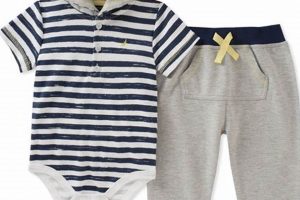
The removal of discolorations and blemishes from infants’ and toddlers’ garments is a common concern for caregivers. Successful stain remediation involves understanding the composition of the stain, the fabric type, and appropriate cleaning methods. Effective techniques restore the original appearance of the clothing and prolong its lifespan. For instance, a mixture of baking soda and water can often lift minor food stains from cotton onesies.
Addressing blemishes on delicate apparel is essential for maintaining hygiene and extending the usability of baby clothing. Clean garments reduce the risk of skin irritation and infection in infants. Historically, mothers relied on natural remedies like sunlight and vinegar for stain removal; modern detergents offer enhanced efficacy but necessitate careful selection to avoid harsh chemicals. The preservation of baby clothing also represents a cost-saving measure for families.
The subsequent sections will detail specific methodologies for addressing various types of stains commonly encountered on baby clothes, including enzymatic pre-treatments, appropriate washing machine settings, and safe drying practices. These guidelines aim to provide a comprehensive resource for maintaining the cleanliness and longevity of a baby’s wardrobe.
Effective Stain Removal Strategies for Infant Apparel
The following guidelines present established methods for addressing common stains on baby clothing, optimizing both cleanliness and fabric integrity.
Tip 1: Immediate Action: Prompt treatment is crucial. Stains are easier to remove when addressed immediately. Rinse the affected area with cold water as soon as possible to prevent the stain from setting.
Tip 2: Stain Identification: Determine the nature of the stain. Different stains require different treatment methods. Milk-based stains respond well to enzymatic cleaners, while fruit-based stains may require acidic treatments like vinegar.
Tip 3: Pre-Treatment Application: Apply a stain remover specifically formulated for baby clothing. These are typically hypoallergenic and free of harsh chemicals. Allow the pre-treatment to sit for the recommended duration before washing.
Tip 4: Cold Water Washing: Wash stained items in cold water. Hot water can set some stains, making them more difficult to remove. Ensure the detergent used is effective in cold water.
Tip 5: Gentle Detergent Selection: Choose a mild, fragrance-free detergent formulated for sensitive skin. Harsh chemicals can irritate a baby’s delicate skin. Look for detergents labeled specifically for baby clothes.
Tip 6: Sun Drying Advantage: Utilize sunlight for its natural bleaching properties. Direct sunlight can help fade remaining stains. However, be mindful of prolonged exposure, which may fade colors in some fabrics.
Tip 7: Avoid Harsh Chemicals: Refrain from using bleach on colored fabrics. Bleach can damage the fibers and fade the colors. Consider color-safe alternatives for whitening and stain removal.
Tip 8: Double Check Before Drying: Inspect garments after washing but before drying. If the stain persists, repeat the pre-treatment and washing process. Drying a stained garment can set the stain permanently.
Implementing these strategies will contribute to the effective management of stains on baby clothes, preserving both the garments’ appearance and the baby’s comfort.
The concluding section will provide insights into fabric care and preventive measures to minimize the occurrence of stains on baby clothing.
1. Immediate Stain Treatment

The timeliness of stain treatment significantly impacts the efficacy of stain removal from baby clothing. Prompt action often determines whether a stain can be fully eradicated or becomes permanently embedded within the fabric.
- Minimizing Stain Setting
Immediate rinsing with cold water prevents stains from bonding strongly with the fabric fibers. For instance, spilling formula on a cotton onesie necessitates immediate rinsing to prevent the proteins from coagulating and adhering to the material. Delayed action allows the stain to set, requiring more aggressive and potentially damaging cleaning methods.
- Simplified Cleaning Procedures
Addressing a stain while it is still fresh streamlines the cleaning process. Fresh stains typically respond well to gentle detergents and minimal agitation. Consider a scenario where a baby dribbles pureed carrots on a bib; immediate wiping and rinsing significantly reduces the need for harsh stain removers and prolonged soaking, preserving the bib’s color and texture.
- Prevention of Bacterial Growth
Prompt stain removal minimizes the risk of bacterial proliferation, especially with organic stains like milk or food. Lingering stains can create a breeding ground for bacteria, leading to unpleasant odors and potential skin irritation for the baby. Cleaning up spilled milk immediately prevents the development of sour odors and maintains a hygienic environment.
- Reduced Need for Harsh Chemicals
The urgency of stain treatment can limit the reliance on aggressive chemicals. Fresh stains often respond effectively to natural remedies or mild detergents. Addressing a blueberry stain immediately with a baking soda paste can often eliminate the need for bleach or other harsh stain removers, which can degrade fabric and pose a health risk.
These facets underscore the critical role of prompt action in achieving successful stain removal from baby clothes. By addressing stains immediately, caregivers can minimize the severity of the stain, simplify the cleaning process, and reduce the need for harsh chemicals, thereby preserving the integrity and safety of the garments.
2. Appropriate Stain Identification

Successful stain removal from infant garments hinges upon accurate identification of the staining agent. The composition of the stain dictates the most effective cleaning method. Misidentification can lead to the application of inappropriate treatments, potentially setting the stain further or damaging the fabric. For instance, attempting to remove a protein-based stain like milk with a general-purpose cleaner may fail to break down the protein molecules, resulting in a persistent discoloration. Conversely, applying an acidic solution to a dye-based stain could cause irreversible color damage.
The correlation between identifying the stain and choosing the right treatment is demonstrably causal. A knowledge of stain categoriesprotein, tannin, dye, oilguides the selection of detergents, enzymes, or solvents specifically designed to target those compounds. The presence of bilirubin in stool stains, for example, necessitates a different approach than removing iron-based stains from formula spills. Employing enzymatic cleaners for organic stains and oxygen-based bleaches for color-safe whitening exemplifies the practical application of stain identification in successful laundry practices for baby clothes.
In summary, accurate stain identification is a critical prerequisite for effective stain removal from baby clothing. This understanding enables caregivers to select targeted cleaning methods, minimizing the risk of fabric damage and maximizing the likelihood of complete stain removal. The ability to differentiate between stain types is a foundational skill in maintaining the cleanliness and extending the lifespan of infant garments.
3. Gentle Detergent Selection

The choice of detergent is paramount in effectively removing stains from baby clothes while safeguarding the infant’s sensitive skin. Abrasive chemicals present in conventional detergents can trigger allergic reactions, eczema flare-ups, or general skin irritation. Gentle detergent selection directly impacts the success of stain removal by providing a cleaning agent capable of lifting stains without leaving behind harmful residues or causing fabric damage. For instance, a detergent formulated without dyes, fragrances, or harsh surfactants minimizes the risk of adverse reactions, facilitating repeated washing necessary for complete stain removal without compromising the baby’s health.
The compatibility of the detergent with the stain composition is also crucial. Enzymatic detergents, containing enzymes like protease and amylase, effectively break down protein and carbohydrate-based stains commonly found on baby clothes, such as formula, milk, and food residue. Simultaneously, their mild formulations minimize the risk of irritating the infant’s skin. Conversely, detergents with high pH levels or strong bleaching agents, while potent stain removers, often leave behind residues that can cause significant skin problems. Therefore, choosing a detergent that balances effective stain removal with gentleness is key. Consider a soiled garment with a combination of fruit and formula stains. A gentle detergent with both enzymatic and mild surfactant properties can lift both types of stains while remaining safe for delicate skin.
In conclusion, gentle detergent selection constitutes an integral component of successfully removing stains from baby clothes. The correct choice maximizes stain removal efficacy while minimizing the risk of skin irritation and fabric damage. Caregivers should prioritize detergents specifically formulated for baby clothes, scrutinizing ingredient lists to avoid harsh chemicals, fragrances, and dyes. This careful selection process ensures that garments are not only clean but also safe and comfortable for the infant.
4. Fabric-Specific Techniques

The effective removal of stains from baby clothing necessitates the application of techniques tailored to the specific fabric composition. Fiber types, such as cotton, synthetics, or blends, react differently to cleaning agents and mechanical actions. Improper techniques can result in fabric damage, color loss, or the permanent setting of stains. Thus, understanding the characteristics of the fabric is a critical component of successful stain removal. For example, a delicate muslin swaddling blanket requires a gentler approach compared to a durable cotton romper. Applying a harsh bleaching agent to a colored cotton item can irreversibly fade the color, whereas it might be an acceptable treatment for a white cotton garment.
Specific fabrics demand particular methods to preserve their integrity while addressing stains. Natural fibers like cotton often respond well to soaking and laundering with mild detergents, while synthetics may require lower temperatures and gentler agitation to prevent damage. Protein-based stains on wool or silk garments necessitate enzymatic cleaners designed to break down the stain without harming the fabric’s structure. Furthermore, stain removal products should be tested on an inconspicuous area of the garment to assess their effect on the fabric’s color and texture before applying them to the stain directly. Attempting to aggressively scrub a stain on a delicate knit fabric could lead to fiber distortion and weakening, whereas a blotting action with a specialized cleaning solution would be more appropriate.
In summary, fabric-specific techniques are integral to the successful removal of stains from baby clothes. A generalized approach to stain removal disregards the unique properties of different materials, increasing the risk of fabric damage or ineffective stain treatment. Caregivers should prioritize identifying the fabric composition and selecting cleaning methods compatible with its characteristics. This understanding is essential for maintaining the appearance and longevity of baby clothes.
5. Preventative Garment Protection

Effective preventative garment protection significantly reduces the frequency and intensity of staining incidents, thereby lessening the burden of stain removal procedures. Implementing proactive measures serves as a primary defense against blemishes, minimizing the need for aggressive cleaning agents and techniques that may compromise fabric integrity. The use of bibs during feeding, for instance, creates a physical barrier against spills and splatters, intercepting substances before they reach the underlying clothing. Similarly, selecting stain-resistant fabrics can diminish the absorbency of liquids, facilitating easier stain removal if an incident occurs. These preemptive strategies directly influence the ease and success of maintaining clean baby clothes.
The application of garment protection extends beyond immediate feeding scenarios. Protective outerwear, such as splash pants or smocks, can shield clothing during messy play activities or outdoor exploration. Pre-treating garments with stain-repellent sprays, while requiring careful selection to ensure infant safety, can create a less porous surface, impeding stain penetration. Regular laundering practices also contribute to preventative care by removing surface-level dirt and grime before they become deeply ingrained within the fibers. Consistent implementation of these practices promotes the longevity of baby clothes, reducing both the financial and environmental costs associated with frequent replacements.
In summary, preventative garment protection is an integral component of a comprehensive strategy for maintaining stain-free baby clothes. While complete elimination of stains may not be feasible, proactive measures significantly reduce their occurrence and severity. By incorporating protective practices into daily routines, caregivers can minimize the need for extensive stain removal efforts, prolong the lifespan of garments, and contribute to a more sustainable and cost-effective approach to baby clothing care.
Frequently Asked Questions
The following section addresses common inquiries regarding the effective removal of stains from infant and toddler clothing. These answers are based on accepted laundry practices and aim to provide clarity on optimal stain management techniques.
Question 1: Is immediate stain treatment always necessary?
While not universally mandatory, prompt action significantly increases the likelihood of complete stain removal. Fresh stains are typically easier to address before they set into the fabric fibers. Delayed treatment may necessitate more aggressive and potentially damaging cleaning methods.
Question 2: Can all baby clothes be treated with the same stain remover?
No. Different fabrics and stain types require tailored treatments. Delicate materials necessitate gentler stain removers, while certain stain compositions respond more effectively to enzymatic or acidic solutions. A general-purpose approach may prove ineffective or even damaging.
Question 3: Are natural stain removal remedies always safe for baby clothes?
While natural remedies like vinegar and baking soda can be effective, their suitability depends on the fabric and stain type. Certain natural substances can cause discoloration or damage to specific materials. A patch test on an inconspicuous area is recommended prior to widespread application.
Question 4: How does water temperature affect stain removal?
Water temperature plays a critical role. Cold water is generally recommended for treating most stains, as hot water can set certain stains, particularly those containing protein. However, specific stains may require warmer water for optimal removal, necessitating careful consideration.
Question 5: What is the purpose of pre-treating a stain?
Pre-treating involves applying a stain remover directly to the affected area before laundering. This allows the cleaning agents to penetrate the stain, loosening its bond with the fabric fibers. Pre-treatment enhances the effectiveness of the subsequent washing process.
Question 6: Can sunlight actually remove stains?
Yes. Sunlight possesses natural bleaching properties. Exposure to direct sunlight can help fade remaining stains, particularly on white or light-colored fabrics. However, prolonged exposure may also fade colors in some materials.
Effective stain management for baby clothes involves prompt action, targeted treatments, and careful consideration of fabric properties. Adhering to established practices promotes both cleanliness and garment longevity.
The next section will delve into advanced stain removal techniques and address persistent stains that may require specialized attention.
The Imperative of Effective Stain Removal from Infants’ Garments
The preceding discussion has detailed the multifaceted approach required for removing blemishes from infant and toddler attire. From immediate response and accurate stain identification to appropriate detergent selection and fabric-specific techniques, the process demands informed action. Furthermore, preventative measures play a crucial role in minimizing the occurrence and severity of stains. Mastering these techniques is essential for maintaining garment hygiene, extending clothing lifespan, and safeguarding the well-being of infants.
Effective stain management transcends mere aesthetic concerns; it contributes directly to the health and comfort of vulnerable individuals. Continued adherence to established best practices and ongoing research into innovative cleaning solutions remain paramount. Prioritizing the knowledge and implementation of methodologies on how to get stains out of baby clothes ensures a higher standard of cleanliness and care for those most susceptible to harm.