The challenge of inducing sleep in an unwell infant is a common parental concern. This issue centers on easing discomfort and fostering an environment conducive to rest when a baby experiences illness.
Addressing this difficulty is crucial for both the child’s recovery and the caregiver’s well-being. Adequate sleep supports the immune system and allows the infant’s body to recuperate. Furthermore, securing rest for the baby provides essential respite for parents or guardians. Historically, parents have employed various methods, ranging from traditional remedies to modern medical advice, to tackle this issue.
The following will address methods to assist in helping a sick baby sleep, including environmental adjustments, comfort measures, and considerations for when to seek professional medical guidance.
Strategies for Aiding a Sick Infant’s Sleep
The following strategies aim to create a more restful environment for a sick infant, promoting sleep and facilitating recovery.
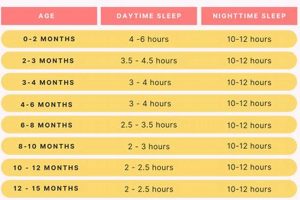
Tip 1: Maintain a Consistent Sleep Schedule: Even during illness, adhere to the baby’s regular bedtime and naptime routines as much as possible. This consistency provides a sense of familiarity and security.
Tip 2: Optimize the Sleep Environment: Ensure the room is dark, quiet, and cool. A comfortable temperature, typically between 68-72F (20-22C), can promote better sleep. Consider using a humidifier to ease congestion.
Tip 3: Elevate the Head of the Crib: Gently elevating the head of the crib mattress (using a rolled towel underneath the mattress, never placing anything inside the crib itself) can help alleviate congestion and ease breathing difficulties.
Tip 4: Offer Frequent Comfort and Reassurance: Physical closeness, such as holding or rocking the baby, can provide comfort and security. A gentle back rub may also be soothing.
Tip 5: Address Nasal Congestion: Use saline drops and a bulb syringe to clear nasal passages before attempting to put the baby to sleep. This will facilitate easier breathing.
Tip 6: Ensure Adequate Hydration: Offer small amounts of fluids frequently. Dehydration can exacerbate discomfort and disrupt sleep.
Tip 7: Monitor for Signs of Discomfort: Observe the baby for signs of pain or discomfort, such as fever, ear pulling, or excessive crying. Address these issues promptly, as appropriate, with fever-reducing medication (as directed by a pediatrician) or other comfort measures.
These strategies prioritize comfort and a stable environment, supporting the infant’s ability to rest and recover. Remember that seeking professional medical advice is always important when your baby is sick.
Ultimately, supporting the sleep of a sick infant demands patience and careful observation. Recognizing the individual needs of the child and adapting strategies accordingly is crucial for achieving a restful outcome.
1. Comfort

Establishing comfort is paramount when addressing how to facilitate sleep in a sick infant. Discomfort stemming from illness significantly disrupts sleep patterns. Therefore, interventions focused on alleviating discomfort are essential.
- Physical Contact
Holding, rocking, or gentle stroking offers reassurance and reduces anxiety. Physical contact releases endorphins, which have natural pain-relieving effects. For example, a baby with a fever may find solace in being held close while receiving fever-reducing medication. Prolonged physical contact can also promote a sense of security, counteracting the distress caused by illness.
- Temperature Regulation
Maintaining a comfortable body temperature is vital. A fever can cause shivering and discomfort, disrupting sleep. Conversely, excessive sweating can also be unsettling. Dressing the baby in lightweight, breathable clothing helps regulate temperature. Adjusting room temperature can further contribute to thermal comfort, ensuring the baby is neither too hot nor too cold.
- Pain Management
If the infant experiences pain (e.g., from an ear infection or teething), appropriate pain relief measures should be implemented. Administering pediatrician-recommended pain relievers can alleviate discomfort and promote relaxation. Addressing the source of pain directly enhances the baby’s ability to fall and stay asleep.
- Soothing Techniques
Employing techniques such as swaddling (for younger infants), white noise, or gentle singing can create a calming environment. These techniques mimic the sensations of the womb, providing a sense of familiarity and security. Consistent use of these methods can establish positive sleep associations, making it easier for the baby to settle down.
These facets of comfort demonstrate the holistic nature of sleep promotion in sick infants. By addressing physical, emotional, and environmental factors, caregivers can significantly improve the baby’s ability to rest and recover, ultimately promoting successful sleep patterns.
2. Hydration
Dehydration can significantly impede sleep, particularly in infants. During illness, infants are prone to fluid loss through fever, vomiting, diarrhea, or increased respiratory rate. This fluid loss thickens mucus membranes, exacerbating congestion, and leading to discomfort that disrupts sleep. Ensuring adequate hydration is thus a crucial component of promoting sleep in a sick infant.
Proper hydration aids in thinning mucus, easing congestion and facilitating easier breathing. For example, a baby with a cold may experience improved nasal airflow after consuming small amounts of fluids frequently. Furthermore, adequate hydration supports kidney function, which is essential for eliminating waste products and toxins from the body. These toxins can contribute to discomfort and restlessness, hindering sleep. Offering breast milk or formula to infants, or electrolyte solutions (as recommended by a pediatrician) for older babies, can help maintain adequate hydration levels. Careful monitoring of urine output, skin turgor, and mucous membrane moisture provides valuable insights into hydration status.
In summary, hydration plays a vital role in promoting sleep in sick infants by addressing congestion, supporting bodily functions, and minimizing discomfort. While maintaining adequate hydration can be challenging during illness, prioritizing frequent fluid intake contributes significantly to improved sleep quality and overall recovery. Identifying signs of dehydration and responding appropriately are crucial steps in caring for a sick infant and facilitating restorative sleep.
3. Congestion Relief

Nasal congestion is a significant impediment to infant sleep, particularly during periods of illness. The inability to breathe freely through the nose forces the infant to breathe through the mouth, leading to dryness, discomfort, and disrupted sleep patterns. Furthermore, congestion often exacerbates coughing and general restlessness, directly impacting the ability to achieve restful sleep. Effective congestion relief is therefore a crucial component of enabling sleep in a sick infant. For instance, an infant suffering from a common cold may experience significant difficulty falling asleep and staying asleep due to a blocked nasal passage. Prioritizing methods to alleviate this congestion directly addresses the underlying cause of the sleep disturbance, paving the way for improved rest.
Various techniques can effectively relieve infant nasal congestion. These include the use of saline nasal drops to loosen mucus, followed by gentle suction with a bulb syringe to clear the nasal passages. The application of a cool-mist humidifier can also prove beneficial by adding moisture to the air, further thinning mucus and easing breathing. Strategic positioning, such as elevating the head of the crib mattress, utilizes gravity to aid in drainage. Furthermore, avoiding exposure to irritants such as smoke and strong odors minimizes further nasal irritation and congestion. The practical application of these methods aims to create a clear and comfortable airway, thereby removing a primary obstacle to sleep.
In conclusion, the relationship between congestion relief and facilitating sleep in sick infants is direct and substantial. Addressing congestion through appropriate interventions is not merely a supportive measure; it represents a fundamental step in promoting restful sleep and supporting the infant’s recovery process. The effectiveness of these techniques depends on consistent and careful application, underscoring the importance of parental awareness and proactive management of congestion during illness. This careful management will enhance the chances of achieving more restful nights.
4. Fever Management

Effective fever management is intrinsically linked to facilitating sleep in sick infants. Elevated body temperature can cause significant discomfort, disrupting sleep patterns and hindering recovery. Consequently, addressing fever through appropriate interventions becomes essential for creating an environment conducive to rest.
- Accurate Temperature Monitoring
Precise measurement of the infant’s temperature is crucial for determining the appropriate course of action. Using a reliable thermometer and understanding the different methods of temperature measurement (rectal, axillary, temporal artery) ensures that interventions are based on accurate data. For instance, a slight elevation may only require supportive care, whereas a high fever necessitates prompt intervention with antipyretic medications. Accurate monitoring prevents both under-treatment and over-treatment of the fever, both of which can negatively impact the infant’s comfort and sleep.
- Appropriate Antipyretic Administration
Administering fever-reducing medication, such as acetaminophen or ibuprofen (as directed by a pediatrician), can effectively lower body temperature and alleviate discomfort. However, adherence to correct dosages and timing is paramount to avoid potential side effects. Furthermore, understanding the limitations of antipyretics is essential; they primarily address the symptom of fever and not the underlying cause of the illness. The judicious use of these medications promotes comfort, facilitating sleep without masking potentially serious underlying conditions.
- Non-Pharmacological Cooling Methods
Complementary methods, such as tepid sponge baths or applying cool compresses, can further assist in reducing fever and promoting comfort. However, these methods must be employed cautiously to avoid causing shivering, which can paradoxically increase body temperature. Maintaining a cool room temperature and dressing the infant in lightweight clothing also contribute to thermal regulation. Integrating these non-pharmacological approaches with medication ensures a multi-faceted approach to fever management, maximizing comfort and promoting restful sleep.
- Observation for Associated Symptoms
Fever rarely occurs in isolation; it is typically accompanied by other symptoms such as irritability, lethargy, poor feeding, or rash. Observing and documenting these associated symptoms provides valuable information for diagnosis and treatment. The presence of specific symptoms may indicate the need for medical evaluation or alternative treatment strategies. Comprehensive observation guides decision-making, ensuring that interventions are tailored to the infant’s specific needs and contributing to effective fever management and improved sleep.
These interconnected components of fever management highlight its pivotal role in creating an environment conducive to sleep for sick infants. By combining accurate temperature monitoring, judicious use of antipyretic medications, complementary cooling methods, and thorough observation of associated symptoms, caregivers can effectively alleviate discomfort and promote restful sleep, thereby supporting the infant’s recovery process. Ignoring any of these facets could result in less effective sleep promotion.
5. Environment

The surrounding environment profoundly impacts an infant’s ability to sleep, especially when experiencing illness. A carefully curated environment can minimize disruptions and promote rest, whereas an unsuitable environment can exacerbate discomfort and hinder sleep, regardless of other interventions.
- Darkness and Light
Exposure to light inhibits the production of melatonin, a hormone crucial for regulating sleep. A darkened room signals the body to prepare for rest. Blackout curtains or dim lighting can create an optimal sleep environment. Conversely, exposure to bright light, particularly blue light emitted from screens, can disrupt sleep patterns. The absence of excessive light stimulation promotes deeper and more restorative sleep, aiding the infant’s recovery process during illness.
- Temperature Regulation
Maintaining a comfortable temperature is essential for sleep. An environment that is too hot or too cold can cause restlessness and discomfort. A room temperature between 68-72F (20-22C) is generally considered optimal for infant sleep. Overdressing or underdressing the infant can also disrupt thermal comfort. Proper temperature regulation minimizes physiological stress and promotes a more restful sleep experience, supporting the infant’s ability to recover from illness.
- Noise Control
Excessive noise, whether from external sources or internal household activities, can disrupt sleep. A quiet environment minimizes auditory stimulation and allows the infant to enter deeper sleep stages. White noise or a sound machine can mask disruptive sounds and create a consistent auditory backdrop. Conversely, sudden loud noises can startle the infant and interrupt sleep. Noise control strategies foster a sense of calm and security, contributing to a more conducive sleep environment during illness.
- Air Quality
Air quality significantly impacts respiratory function and sleep. Irritants such as smoke, dust, or allergens can exacerbate congestion and breathing difficulties, disrupting sleep. A clean and well-ventilated environment minimizes exposure to these irritants. Air purifiers can remove airborne particles and improve air quality. Maintaining optimal humidity levels, particularly during winter months, can also prevent dryness and ease congestion. Improving air quality enhances respiratory comfort and promotes more restful sleep, especially in infants with respiratory illnesses.
These environmental factors collectively influence an infant’s capacity to sleep, particularly when sick. A proactive approach to optimizing these elements can significantly improve sleep quality, supporting the infant’s recovery process and promoting overall well-being. Failing to address these environmental components can render other sleep interventions less effective, highlighting the importance of a holistic approach.
Frequently Asked Questions
The following addresses common inquiries regarding the process of facilitating sleep in infants experiencing illness.
Question 1: Is it advisable to deviate significantly from an infant’s established sleep schedule during illness?
Maintaining consistency with the infant’s regular sleep schedule offers familiarity and security, even when ill. While flexibility may be necessary, drastic alterations to the routine can be disruptive. Prioritizing established sleep cues can aid in promoting rest.
Question 2: What constitutes an appropriate room temperature to promote sleep in a sick infant?
A room temperature between 68-72F (20-22C) is generally considered optimal. This range prevents both overheating and excessive cooling, promoting a comfortable sleep environment. Adjusting the infant’s clothing layers based on the temperature is also recommended.
Question 3: How frequently should fluids be offered to a sick infant to prevent dehydration?
Offering small amounts of fluids frequently, such as breast milk, formula, or electrolyte solutions (as advised by a pediatrician), is crucial. Monitor for signs of dehydration, including decreased urine output, dry mucous membranes, and lethargy. Adjust fluid offerings based on the infant’s individual needs and tolerance.
Question 4: Are over-the-counter cough and cold medications safe for infants?
Consult a pediatrician before administering any over-the-counter medications to infants, particularly those younger than six months. Many cough and cold medications are not recommended for young children due to potential side effects. Pediatric guidance ensures safe and effective symptom management.
Question 5: When is medical intervention necessary if an infant is having difficulty sleeping due to illness?
Medical consultation is warranted if the infant exhibits signs of respiratory distress (e.g., rapid breathing, nasal flaring, retractions), high fever, persistent vomiting, lethargy, or dehydration. These symptoms may indicate a more serious underlying condition requiring professional medical attention.
Question 6: How can parental anxiety impact an infant’s ability to sleep?
Parental anxiety can be transmitted to the infant, increasing restlessness and hindering sleep. Caregivers should prioritize self-care and seek support when needed. A calm and reassuring presence can positively influence the infant’s ability to relax and fall asleep.
Prioritizing comfort, hydration, and appropriate medical guidance remains paramount when addressing sleep difficulties in sick infants. A proactive approach to symptom management and environmental optimization can promote restful sleep and support the recovery process.
The following section will address considerations for long-term sleep strategies post-illness.
How to Get Sick Baby to Sleep
This exploration of how to get sick baby to sleep has emphasized the critical interplay of comfort, hydration, congestion relief, fever management, and environmental control. Attending to these factors creates a foundation for improved rest during periods of infant illness. Successfully managing these aspects directly influences an infant’s capacity for restorative sleep and facilitates the body’s natural healing processes.
Consistent application of these strategies represents a commitment to the well-being of the infant. While challenges may arise, persistence in providing a supportive and conducive sleep environment remains essential. The ability to effectively address sleep disturbances during illness can contribute to improved long-term health outcomes and strengthen the caregiver-infant bond. Prioritizing infant sleep, particularly during periods of vulnerability, is a fundamental aspect of responsible and effective caregiving.