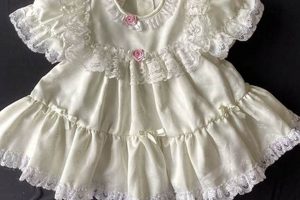
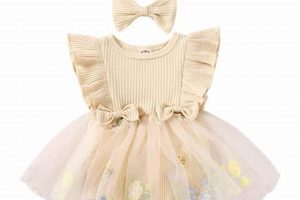
Finely crafted garments, designed to be passed down through generations, often evoke a sense of timeless elegance and sentimental value. These special items are typically made with high-quality materials and intricate detailing, intended to be cherished keepsakes. One might envision a delicate, christening gown meticulously preserved, later worn by subsequent family members during significant ceremonies.
The enduring nature of these items provides a tangible link to the past, connecting families across time. Beyond their aesthetic appeal, they represent a commitment to quality and tradition. Historically, such garments were seen as symbols of familial pride and continuity, embodying the values and heritage that families wished to preserve.
The following sections will delve into the construction, care, and selection of these treasured items, providing guidance on how to choose pieces that will truly stand the test of time and become lasting family legacies.
Essential Considerations for Heirloom Garment Selection
Selecting garments intended to become family heirlooms requires careful consideration of several factors to ensure their longevity and enduring appeal. Prioritizing quality and timeless design is paramount.
Tip 1: Fabric Selection: Opt for natural, durable fibers such as linen, cotton, or silk. These materials withstand the test of time and can be carefully cleaned and preserved. Avoid synthetic blends which may degrade over time.
Tip 2: Construction Quality: Examine seams, stitching, and detailing for meticulous craftsmanship. Reinforce stress points like armholes and closures. A well-constructed garment is more likely to endure generations of use and preservation.
Tip 3: Timeless Design: Choose classic silhouettes and understated embellishments that transcend fleeting trends. Avoid overly ornate or trendy designs that may appear dated in subsequent years.
Tip 4: Size Considerations: While specifically intended for infants initially, consider selecting sizes that allow for potential alterations or adaptations as the garment is passed down. Sufficient seam allowance is crucial.
Tip 5: Proper Storage: Garments should be stored in acid-free tissue paper within a breathable, garment bag. Avoid direct sunlight and humidity to prevent discoloration and degradation of the fabric.
Tip 6: Cleaning Protocols: Establish gentle cleaning methods, ideally hand-washing or professional cleaning by specialists experienced in handling delicate fabrics. Harsh detergents and improper washing techniques can irreparably damage the garment.
Tip 7: Documentation and Provenance: Maintain detailed records of the garment’s history, including significant dates, events where it was worn, and any alterations made. This adds to its sentimental value and historical significance.
By meticulously considering these factors, one can ensure that selected garments become cherished heirlooms, embodying enduring elegance and lasting family legacy.
The following concluding section will summarize the crucial aspects of selecting and preserving such items.
1. Timeless fabric choice

The selection of appropriate materials is paramount when creating garments designed to endure as family heirlooms. Certain fabrics possess inherent qualities that contribute to their longevity and suitability for preservation, while others are inherently prone to degradation. When constructing garments intended as lasting legacies, therefore, the choice of fabric directly influences its potential to become a cherished heirloom.
Natural fibers such as linen, cotton, and silk are historically favored for their durability, breathability, and ability to withstand repeated cleaning. Linen, for example, strengthens when wet, making it particularly resilient. High-quality cotton, like Sea Island or Pima cotton, offers similar durability with a softer texture. Silk, renowned for its luxurious drape and strength, requires careful handling but can last for generations when properly cared for. Conversely, synthetic fabrics or blends with a high synthetic content are often less stable over time. These materials may yellow, become brittle, or degrade under conditions that natural fibers can tolerate. For example, nylon can break down when exposed to UV light, a common occurrence even with indoor storage. The inherent properties of these materials dictate their suitability for heirloom-quality garments.
Ultimately, the selection of timeless fabric significantly determines the long-term viability of garments intended to become family heirlooms. Prudent fabric selection acts as a foundational step, ensuring that the finished product can withstand the test of time and serve as a tangible link to the past. While design and construction play critical roles, the fundamental material chosen directly determines the potential lifespan and enduring appeal of the garment.
2. Meticulous construction quality

Meticulous construction quality forms the cornerstone of any garment intended to become a family heirloom. The inherent value of garments passed down through generations stems not solely from their aesthetic appeal, but significantly from their ability to withstand the passage of time and repeated use. This durability is directly correlated with the level of precision and care invested in their construction. Seams that are reinforced, stitching that is consistently even and secure, and the careful selection of durable closures are all crucial components of a well-made garment destined for long-term preservation. For instance, a christening gown with hand-stitched seams and reinforced buttonholes is far more likely to survive multiple wearings and cleanings than one with machine-made, loosely secured seams. The choice of high-quality thread, resistant to fraying and breakage, also contributes significantly to the garment’s overall resilience.
The practical significance of meticulous construction extends beyond mere longevity. A garment constructed with attention to detail is more likely to retain its shape and structural integrity over time. This is particularly important for delicate materials often used in heirloom-quality garments. For example, fine lace or embroidery can easily become distorted or damaged if not securely attached to a stable foundation fabric. Precisely aligned pattern pieces, carefully eased curves, and accurately placed embellishments not only enhance the garment’s aesthetic appeal but also contribute to its overall strength and resistance to wear and tear. Furthermore, proper lining and interfacing techniques provide internal support, preventing stretching or sagging of the outer fabric, thus maintaining the garment’s original form.
In conclusion, meticulous construction quality is not merely a desirable attribute but an essential prerequisite for creating heirloom garments. The investment in skilled craftsmanship and high-quality materials directly translates into a garment capable of withstanding the rigors of time and becoming a cherished symbol of family history. The challenges associated with achieving this level of quality lie in the cost of labor and materials, but the long-term value of a well-constructed heirloom piece far outweighs the initial investment. These garments serve as tangible links to the past, embodying the values of craftsmanship, durability, and enduring family connections.
3. Classic, simple design

The enduring appeal of garments intended as family heirlooms lies not only in the quality of their materials and construction but also significantly in the timelessness of their design. A classic, simple design aesthetic transcends fleeting trends, ensuring that the garment remains aesthetically pleasing and relevant across generations. This understated elegance is paramount in establishing an item’s enduring status as a cherished keepsake.
- Minimizing Embellishments for Enduring Appeal
Excessive ornamentation or trendy embellishments can quickly date a garment, diminishing its potential as an heirloom. By contrast, simple designs with minimal detailing, such as delicate lace trims or subtle embroidery, maintain a timeless quality. A simple A-line silhouette in a soft, neutral color allows the garment to be appreciated for its craftsmanship and the quality of its materials rather than being defined by ephemeral fashion trends. Garments adorned with elaborate ruffles or bold, geometric patterns are far more likely to appear dated and less appealing to subsequent generations.
- Neutral Palette Facilitating Versatility
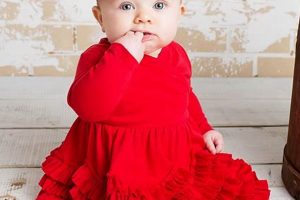
A neutral color palette, consisting of whites, creams, and soft pastels, enhances the versatility and longevity of a garment’s design. Neutral colors are inherently timeless and adaptable, allowing the garment to seamlessly integrate into various contexts and styles across different eras. These colors also provide a blank canvas for showcasing intricate details and delicate fabrics. Conversely, vibrant or highly saturated colors often reflect specific fashion trends, limiting the garment’s enduring appeal. Moreover, certain dyes used in brightly colored fabrics may be more prone to fading or discoloration over time, further diminishing their suitability for heirloom purposes.
- Focus on Silhouette and Proportion
Prioritizing a well-proportioned silhouette contributes significantly to the timelessness of a garment’s design. A classic A-line dress, for example, is universally flattering and remains stylistically relevant across generations. Emphasis on clean lines and simple shapes allows the garment’s construction and materials to take center stage. By avoiding overly complicated or unconventional silhouettes, the garment retains a sense of understated elegance that transcends fleeting fashion trends. This focus on fundamental design principles ensures that the garment remains aesthetically pleasing and adaptable to changing styles.
- Durability and Repair Considerations
Simple designs often lend themselves to easier repair and maintenance, contributing to the garment’s overall longevity. Garments with intricate embellishments or complex construction techniques can be difficult and costly to repair, potentially limiting their lifespan. By contrast, simple designs with minimal detailing are easier to mend or alter, ensuring that the garment can be preserved and enjoyed for generations to come. Reinforcing seams and using durable closures, such as buttons or snaps, further enhances the garment’s ability to withstand wear and tear, contributing to its potential as a lasting family heirloom.
The selection of garments intended as family heirlooms should prioritize a classic, simple design aesthetic that transcends fleeting trends. By minimizing embellishments, utilizing a neutral color palette, focusing on silhouette and proportion, and considering durability and repair considerations, one can ensure that the garment remains aesthetically pleasing and relevant across generations, becoming a cherished symbol of family history. These design principles serve as a framework for creating garments that embody enduring elegance and sentimental value, capable of connecting families across time.
4. Proper preservation methods

The long-term viability of delicate garments designated as family heirlooms hinges significantly on the implementation of appropriate preservation protocols. The inherent properties of textiles, particularly natural fibers commonly used in such garments, render them susceptible to degradation from environmental factors, improper handling, and inadequate storage. Therefore, a meticulous preservation strategy is indispensable to ensure the garment’s survival across generations.
- Controlled Environment
Exposure to fluctuating temperatures and humidity levels accelerates fabric deterioration. Storing garments in a stable environment with consistent temperature and relative humidity minimizes the risk of damage. Ideal conditions typically involve a temperature range of 65-70F (18-21C) and relative humidity between 45-55%. Basements and attics are generally unsuitable due to their inherent environmental instability. For example, a delicate silk christening gown stored in a humid attic is prone to mold growth and fabric weakening, significantly shortening its lifespan. Climate-controlled storage units or dedicated closets within a temperature-regulated home offer more suitable alternatives.
- Acid-Free Materials
Contact with acidic materials, such as untreated cardboard or certain types of tissue paper, can cause irreversible damage to textiles. Acid migration leads to fabric yellowing, embrittlement, and eventual disintegration. Garments should be stored in acid-free boxes, wrapped in acid-free tissue paper, and hung on padded hangers made from inert materials. Acid-free storage ensures that the delicate fibers of heirloom garments are protected from chemical degradation. An example would be storing a linen dress in a cardboard box, leading to noticeable yellowing and weakening of the fabric over time.
- Protection from Light
Exposure to both natural and artificial light causes fading and weakening of textile fibers. Ultraviolet (UV) radiation is particularly damaging. Garments should be stored in dark, opaque containers or garment bags to minimize light exposure. Direct sunlight should be avoided at all costs. Museum collections often employ specialized UV-filtering films on windows and display cases to protect delicate textiles from light damage. Similarly, heirloom garments should be kept in darkened closets or storage areas to prevent fading and fiber degradation. Leaving a valuable lace dress exposed to sunlight near a window will inevitably cause fading and weakening of the delicate lace.
- Gentle Handling and Cleaning
Improper handling and cleaning techniques can cause irreversible damage to delicate fabrics and embellishments. Garments should be handled with clean hands and supported appropriately to prevent stretching or tearing. Harsh chemicals, aggressive washing techniques, and abrasive cleaning agents should be avoided. Professional textile conservators specialize in the gentle cleaning and restoration of delicate garments. For example, attempting to wash a vintage silk dress in a standard washing machine is likely to cause irreparable damage. Consulting with a professional conservator ensures that the garment is cleaned and treated using appropriate methods, preserving its integrity for future generations.
The application of these preservation methods is paramount in safeguarding garments intended as enduring family legacies. Implementing a proactive preservation strategy significantly extends the lifespan of delicate textiles, ensuring that they remain cherished symbols of family history for generations to come. The alternative is to witness the slow, but inevitable, deterioration of these irreplaceable items, losing not only the physical garment but also the sentimental value and historical connection it represents.
5. Detailed provenance record

The establishment and maintenance of a comprehensive provenance record is a critical, often overlooked, component of preserving and enhancing the significance of “heirloom dresses for babies.” A detailed provenance record serves as a formal, documented history of the garment, tracing its ownership, use, and any significant alterations or repairs. The absence of such a record diminishes the sentimental and historical value of the item, reducing it to a mere piece of fabric. Conversely, a well-maintained record elevates the garment to a tangible link connecting generations. For example, a simple christening gown, when accompanied by a documented history detailing the names of each child who wore it, the dates of those christenings, and perhaps even anecdotes about those occasions, transforms into a powerful symbol of family heritage.
The practical applications of a detailed provenance record extend beyond mere sentimental value. Such documentation provides valuable context for future preservation efforts. Knowing the types of stains the garment has been exposed to, the cleaning methods previously employed, and any past repairs facilitates informed decisions regarding future care and restoration. Furthermore, in instances of inheritance disputes or estate settlements, a clear provenance record can provide irrefutable evidence of ownership and historical significance, thereby mitigating potential conflicts. Consider a scenario where two family members claim ownership of a “heirloom dress for babies.” A well-documented provenance, complete with photographs, letters, and notarized statements, can definitively establish the rightful heir, preventing potential legal challenges and preserving familial harmony.
While the creation and maintenance of a detailed provenance record may seem a daunting task, the long-term benefits far outweigh the initial effort. Challenges may arise in gathering historical information or authenticating existing documentation. However, resources such as genealogical societies, historical archives, and professional appraisers can provide valuable assistance in this process. Ultimately, a comprehensive provenance record transforms an “heirloom dress for babies” from a simple garment into a cherished artifact, imbued with historical and sentimental significance, thereby ensuring its preservation and appreciation for generations to come. The lack of such a record significantly undermines the garment’s enduring value and potential as a tangible link to the past.
Frequently Asked Questions
The following addresses common inquiries regarding the selection, preservation, and significance of garments intended to become enduring family heirlooms.
Question 1: What distinguishes a garment intended as an heirloom from standard infant apparel?
Heirloom garments are characterized by superior materials, meticulous construction, and timeless design, prioritizing longevity and sentimental value over fleeting trends. Standard infant apparel typically focuses on affordability and contemporary styling.
Question 2: Which fabrics are most suitable for heirloom garments, and why?
Natural fibers such as linen, silk, and high-quality cotton are preferred due to their durability, breathability, and ability to withstand repeated cleaning and preservation efforts. Synthetic fabrics are generally less stable over time.
Question 3: How should heirloom garments be properly stored to prevent damage?
Garments should be stored in a cool, dry, and dark environment within acid-free boxes or garment bags. Avoid direct sunlight, fluctuating temperatures, and high humidity. Acid-free tissue paper should be used for wrapping.
Question 4: What cleaning methods are recommended for delicate heirloom fabrics?
Gentle hand-washing with pH-neutral detergents or professional cleaning by specialists experienced in handling delicate fabrics is recommended. Harsh chemicals and aggressive cleaning techniques should be avoided.
Question 5: How can a detailed provenance record enhance the value of an heirloom garment?
A provenance record documenting the garment’s history, ownership, and significant events associated with it increases its sentimental and historical value, transforming it from a mere object into a tangible link to the past.
Question 6: What are the key considerations when selecting a design for a garment intended as an heirloom?
Prioritize classic, simple designs that transcend fleeting trends. Avoid overly ornate or trendy embellishments. Focus on timeless silhouettes and understated elegance.
Proper selection and preservation techniques are crucial for ensuring the longevity and enduring significance of garments intended to become family heirlooms.
The subsequent section will provide a comprehensive overview of resources available for locating and acquiring heirloom-quality garments.
Concluding Remarks on Heirloom Dresses for Babies
This exploration has underscored the multifaceted nature of selecting, preserving, and appreciating heirloom dresses for babies. Key considerations include the utilization of durable, natural fabrics, meticulous construction techniques, timeless design principles, appropriate preservation methods, and comprehensive provenance documentation. Each of these elements contributes significantly to the garment’s longevity, aesthetic appeal, and sentimental value, transforming it from a mere article of clothing into a cherished artifact embodying family history.
The enduring significance of heirloom dresses for babies lies in their capacity to connect generations, serving as tangible reminders of shared heritage and cherished memories. Careful consideration and diligent application of the principles outlined herein will ensure that these garments continue to serve as potent symbols of familial continuity for years to come. Invest in quality, preserve with care, and document with precision; the legacy will endure.