A prepaid card designated for purchases related to newborns and infants, often presented to expectant or new parents. These cards can be used at various retailers, both physical and online, offering a flexible payment method for baby-related necessities such as clothing, diapers, toys, and furniture.
This present is a practical option for gift-givers seeking to avoid duplicates or providing items that may not align with the parents’ preferences. The flexibility afforded to the recipients allows them to acquire precisely what is needed when it is needed, addressing the ever-changing requirements of early parenthood. Historically, gifting specific items was the norm, but the modern preference for individual choice and reduced clutter has increased the popularity of these cards.
The subsequent sections will delve into strategies for effectively incorporating this form of gifting into a baby shower, appropriate etiquette considerations, and guidance on selecting suitable amounts to load onto the card.
Effective Strategies When Considering a Monetary Gift for a Baby Shower
The following recommendations offer guidance for individuals contemplating this type of present. Adherence to these suggestions can enhance the recipient’s experience and ensure that the gift is well-received and utilized effectively.
Tip 1: Prioritize Recipient Registry. Before opting for a monetary present, consult the parents’ registry. If the registry is extensive, indicating a preference for specific items, consider purchasing directly from it. This demonstrates attentiveness to their explicit needs.
Tip 2: Determine Appropriate Denomination. Research typical pricing for baby-related items within the recipient’s region and preferred stores. Select an amount that reasonably contributes to a significant purchase, such as a stroller or crib, or fully covers smaller necessities like diapers or formula.
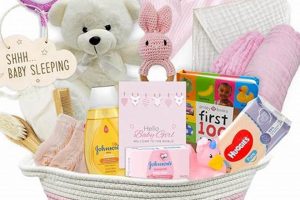
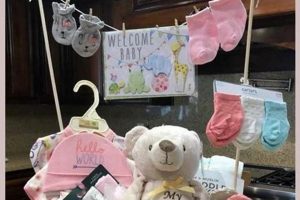
Tip 3: Consider Presentation. Instead of simply handing over the card, augment the presentation. Include a small, thematically appropriate item, such as a board book or a pacifier, to add a personal touch and visual appeal.
Tip 4: Specify Retailer Appropriateness. Opt for cards from stores known to carry a comprehensive range of baby products. Large retailers with both online and physical locations offer the greatest flexibility to the recipients.
Tip 5: Retain Gift Receipt. Include the original purchase receipt for the card. This enables the recipient to address any potential issues with activation or balance verification.
Tip 6: Clearly Indicate Intended Purpose. Attach a note explicitly stating that the offering is intended for baby-related expenses. This helps avoid any ambiguity regarding its use.
Tip 7: Coordinate With Other Guests. Communicate with other attendees to avoid multiple offerings of identical cards from the same retailer. This collaborative approach ensures a broader range of purchasing options for the expectant parents.
Implementing these suggestions can ensure the contribution is a valuable and appreciated resource for the new family, contributing positively to their preparedness for the arrival of the child.
The subsequent section will address the advantages and disadvantages associated with monetary baby shower contributions, enabling a well-informed decision-making process.
1. Convenience

The aspect of convenience is a primary driver in the increasing prevalence of monetary gifting at baby showers. Its advantages relate to both the giver and the recipient, streamlining the process of selecting and acquiring a suitable present.
- Simplified Selection Process
Choosing a specific item requires knowledge of the parents’ preferences, nursery theme, and existing inventory, all of which demand time and effort to ascertain. A pre-loaded card eliminates this need, allowing the giver to select a predetermined value rather than engaging in product research.
- Elimination of Redundancy
Duplicate items are a common occurrence with traditional gifts. These cards circumvent this issue by providing purchasing power, enabling the parents to acquire only what they require and avoiding surplus items.
- Ease of Acquisition
These are widely available at various retail outlets, grocery stores, and online platforms. Their ubiquity renders the purchase process straightforward and accessible, regardless of the giver’s location or time constraints.
- Reduced Transportation Burden
Compared to larger, bulkier presents, a card is easily transportable. This is particularly beneficial for guests traveling long distances or attending multiple showers.
These convenience factors collectively contribute to the appeal of monetary contributions. Their ease of selection, acquisition, and transport, coupled with the assurance of avoiding duplicates, underscores their practicality in the context of baby showers.
2. Flexibility

In the context of neonatal gifting, flexibility represents a critical advantage, enhancing the utility and perceived value of contributions. Prepaid cards designated for baby-related expenses offer recipients control over resource allocation and purchasing decisions, mitigating the limitations associated with fixed or preselected items.
- Adaptable Purchasing Power
These instruments permit acquisition of goods and services spanning diverse categories. Parents can procure necessities like diapers and formula, invest in durable items such as strollers and cribs, or allocate funds towards childcare services. This adaptability contrasts sharply with item-specific gifts, which may not align with immediate requirements or parental preferences.
- Temporal Agility in Spending
The ability to defer expenditure constitutes a significant advantage. Funds remain accessible until required, allowing recipients to address evolving needs as the child develops. This is particularly pertinent given the dynamic nature of infancy, wherein developmental milestones and associated requirements shift rapidly.
- Geographic Purchasing Latitude
Cards issued by major retailers afford purchasing options across physical and online platforms. This geographic freedom is advantageous for recipients residing in areas with limited access to specialized baby stores or for those preferring the convenience of online shopping. This feature expands accessibility beyond localized inventory constraints.
- Accommodation of Parental Preferences
This method empowers parents to select brands and product types that align with their personal philosophies and values. Those favoring organic products, specific material compositions, or ethically sourced goods can utilize the funds accordingly, ensuring consistency with their established principles and minimizing the potential for dissatisfaction.
The intrinsic flexibility associated with monetary offerings contributes significantly to their appeal as a thoughtful and practical form of support for new parents. By affording control over purchasing decisions, timing, and location, these instruments maximize the likelihood of aligning with the recipient’s specific needs and preferences, thereby enhancing their perceived value and utility.
3. Retailer Choice

The selection of a specific retailer for a monetary baby shower contribution is a pivotal consideration, directly influencing the gift’s practicality and perceived value. This decision dictates the range of products accessible to the recipient, thereby shaping the utility of the contribution. A card from a large, diversified retailer offers a broader selection of baby-related goods, spanning categories such as clothing, feeding supplies, nursery furniture, and personal care items. In contrast, a card restricted to a niche boutique may limit purchasing options, potentially excluding essential items or aligning poorly with the parents’ needs. For instance, selecting a card from a major retailer like Target or Amazon provides access to a vast inventory, while a card from a specialized organic baby clothing store limits purchases to a specific product category.
Furthermore, the retailer’s accessibility impacts ease of use. A store with numerous physical locations and a robust online presence offers greater convenience to the recipient, facilitating both in-person and remote shopping. This is particularly pertinent for individuals with limited mobility or those residing in areas with limited retail options. Consider the difference between a widely available store like Walmart, offering convenient locations across the country, and a regional chain with a limited footprint. The latter may present logistical challenges for recipients residing outside of the chain’s service area. Therefore, careful consideration of the retailer’s breadth of selection and geographic accessibility is essential to maximizing the practical benefit of the offered card.
In conclusion, retailer choice significantly impacts the utility and perceived value of a monetary baby shower contribution. Opting for a large, diversified, and geographically accessible retailer ensures a broader range of purchasing options and greater convenience for the recipient. Failure to consider this aspect may inadvertently diminish the gift’s practical benefit, potentially limiting its ability to effectively support the needs of the expectant or new parents. Therefore, careful assessment of retailer characteristics is paramount in maximizing the effectiveness of this form of gifting.
4. Personalization

The integration of personalization techniques within the framework of monetary gifting for neonatal celebrations addresses the perceived impersonal nature of such offerings. While practicality remains a core benefit, incorporating individualized elements enhances the emotional resonance of the gift and demonstrates considerate selection.
- Customized Card Design
Selecting a card design that reflects the recipient’s tastes, the baby’s gender (if known), or the shower’s theme adds a layer of thoughtfulness. Many retailers offer customizable cards, allowing the inclusion of a photograph, a personal message, or specific color schemes. This elevates the presentation beyond a standard, generic card.
- Themed Gift Presentation
Accompanying the card with a small, thematically relevant item elevates the presentation. For example, pairing a card with a high-quality board book, a set of organic baby socks, or a handcrafted toy adds a tangible element and reinforces the thoughtfulness of the gift. The supplementary item should complement the card’s value and purpose without overshadowing it.
- Handwritten Message Inclusion
A heartfelt, handwritten note expressing sincere well-wishes transcends the transactional nature of monetary gifting. The message should acknowledge the significance of the occasion, offer support to the parents, and convey genuine excitement for the arrival of the child. Avoid generic platitudes and instead, personalize the message with specific anecdotes or expressions of shared joy.
- Choice of Retailer Alignment
Selecting a retailer whose values align with the parents’ preferences demonstrates a level of attentiveness. If the parents prioritize organic and sustainable products, opting for a card from a retailer specializing in such items indicates thoughtful consideration. This conscious selection transcends mere convenience and reflects an understanding of the parents’ ethical or lifestyle choices.
These strategies serve to imbue a practical present with a sense of personal connection, transforming it from a generic offering into a considerate expression of support and celebration. The integration of individualized elements mitigates the perception of detachment often associated with monetary gifting, resulting in a more meaningful and appreciated contribution.
5. Amount Value

The determination of a suitable denomination for a monetary offering towards neonatal-related expenses significantly impacts its utility and perceived consideration. Insufficient funding renders the contribution inconsequential, failing to meaningfully offset the considerable costs associated with early childhood. Conversely, an excessive amount, while generous, may exceed immediate needs and potentially contribute to financial imbalances for the recipients.
An appropriately valued instrument allows parents to acquire essential items, such as a supply of diapers, a starter set of infant clothing, or a necessary piece of equipment like a car seat or a portion of a crib. Consider, for example, the cost of a month’s supply of diapers, which can easily exceed $100. A prepaid card valued at $25 would only cover a fraction of this expense, while a card valued at $200 might fully address this need and alleviate a significant financial burden. Furthermore, understanding the average cost of larger purchases, such as a stroller ($200-$500), allows gift-givers to contribute proportionally, either individually or as part of a group, towards more substantial investments.
Therefore, the amount loaded onto a gift card presented at a baby shower directly influences its practical application and the degree to which it effectively supports the new family. Careful consideration of typical expenses associated with infancy ensures that the contribution is both thoughtful and impactful, aligning with the intended purpose of providing tangible assistance during a financially demanding period. A balanced assessment, informed by research into the cost of common baby necessities, enables gift-givers to select an amount that maximizes the utility and perceived value of their offering.
6. Presentation

The manner in which a prepaid monetary instrument is presented at a baby shower significantly influences its perceived value and the thoughtfulness attributed to the giver. Beyond the inherent practicality of such an offering, the aesthetic and contextual elements of presentation contribute substantially to the overall impact and reception.
- Thematic Enclosure
The utilization of an enclosure aligned with the baby shower’s theme or the anticipated child’s gender enhances the perceived intentionality of the gift. A custom-designed card holder, a decorative box, or a gift bag adorned with baby-related motifs signals attention to detail and elevates the presentation beyond a simple transaction. Such enclosures provide an immediate visual cue, indicating the nature and purpose of the offering.
- Accompanying Token Gift
Pairing the card with a small, complementary item adds a tangible element to the presentation and mitigates the perceived impersonality of a purely monetary contribution. A carefully selected board book, a set of organic cotton socks, or a small plush toy serves as a physical representation of the giver’s thoughtfulness and provides a tangible reminder of the occasion. The supplementary item should be proportionate to the card’s value and relevant to the context of a baby shower.
- Handwritten Note Inclusion
The inclusion of a handwritten note expressing sincere well-wishes adds a personal touch that transcends the purely transactional nature of the present. A thoughtfully composed message conveying congratulations, offering support, and expressing excitement for the arrival of the child conveys genuine sentiment. Avoidance of generic phrases and the inclusion of specific, personal anecdotes or expressions of shared joy further enhances the impact of the note.
- Retailer-Specific Packaging Enhancement
Opting for gift packaging or presentation options offered by the retailer issuing the instrument demonstrates a commitment to quality and attention to detail. Many retailers offer specialized packaging services, including gift boxes, tissue paper, and decorative ribbons. Utilizing these services streamlines the presentation process and ensures a professional and polished appearance. This approach communicates respect for the recipient and elevates the perceived value of the present.
These elements of presentation, when carefully considered and executed, transform a purely functional present into a more meaningful and memorable contribution to the neonatal celebration. The integration of thematic elements, tangible complements, personal expressions, and professional packaging enhances the perceived value of the instrument and communicates the giver’s thoughtfulness and consideration for the recipient.
7. Registry Alternative
The option to present a monetary instrument in lieu of selecting items from a curated wish list represents a significant consideration within the context of neonatal gifting. Circumstances arise where adherence to a registry proves impractical or undesirable, prompting alternative approaches such as offering prepaid cards designated for baby-related expenses. The effectiveness of this substitution depends on various factors, which necessitate careful evaluation.
- Absence of Registry
The absence of a formal registry, whether due to parental choice or oversight, directly necessitates alternative gifting strategies. In such scenarios, cards become a practical solution, providing unrestricted purchasing power to the recipients. For example, some parents may prefer to acquire items based on evolving needs rather than adhering to a predetermined list, rendering cards a more adaptable option.
- Registry Depletion
The phenomenon of a substantially depleted registry, particularly close to the event date, presents challenges for prospective gift-givers. Remaining items may be either undesirable or outside the giver’s budgetary constraints. In these instances, monetary contributions offer a means to fulfill needs that have yet to be addressed by other attendees. A card allows the parents to acquire remaining registry items or address unforeseen requirements not originally included on the list.
- Desire for Flexibility
Recipients may express a preference for unrestricted purchasing power, valuing the ability to acquire items from diverse retailers or to defer purchases until specific needs arise. A registry inherently limits choices to the items listed and the vendors selected. Cards circumvent these limitations, providing access to a broader range of products and vendors. For example, parents may wish to compare prices across different stores or wait for sales before making purchases, a flexibility afforded by prepaid instruments.
- Addressing Unlisted Needs
Registries often focus on tangible items, neglecting ancillary expenses such as childcare, medical co-pays, or postpartum support services. Cards can be designated for these less conventional yet equally important needs. Parents may utilize funds to cover unforeseen medical bills or to engage professional assistance during the initial weeks following childbirth, needs that are not typically addressed through traditional registries.
The suitability of these cards as a registry substitution hinges on the specific circumstances and preferences of the recipients. While they offer flexibility and convenience, their effectiveness depends on clear communication of intent and thoughtful consideration of the parents’ needs. In situations where registries are absent, depleted, or ill-suited to the recipients’ desires, monetary contributions serve as a valuable and adaptable alternative, allowing parents to address diverse and evolving requirements during the early stages of parenthood.
Frequently Asked Questions Regarding Monetary Contributions for Baby Showers
The following questions address common inquiries and concerns pertaining to the selection and utilization of prepaid instruments designated for neonatal-related expenses.
Question 1: Is a monetary gift considered impersonal for a baby shower?
The perception of impersonality can be mitigated through thoughtful presentation and personalization. Accompanying the card with a handwritten note or a small, thematically relevant item adds a personal touch. Selecting a card design that reflects the recipient’s tastes or the shower’s theme further enhances its perceived value.
Question 2: What is an appropriate amount to load onto a gift card for this purpose?
The amount should reflect the typical costs associated with baby-related necessities. Researching the average prices of diapers, formula, clothing, and essential equipment informs the selection of a suitable denomination. An amount that contributes meaningfully towards a significant purchase demonstrates greater consideration.
Question 3: From which retailers should one consider purchasing a gift card?
Retailers with a broad selection of baby products, both online and in physical stores, offer the greatest flexibility. Major retailers, such as Target, Amazon, or Walmart, provide access to a wide range of goods, ensuring the recipient can acquire necessary items regardless of their specific needs or preferences.
Question 4: How can a gift card be presented in a creative and thoughtful manner?
Beyond the card itself, the presentation is crucial. Enclosing the card in a decorative box, attaching a small gift, or writing a heartfelt message elevates the overall impact. Consider the theme of the shower or the recipient’s personal style when selecting presentation elements.
Question 5: What should one do if the parents already have an extensive registry?
Consult the registry before opting for a monetary contribution. If the registry is comprehensive and reflects the parents’ specific needs, purchasing directly from it may be more appropriate. If the registry is depleted or lacks essential items, a card can supplement the existing gifts.
Question 6: Are there any potential drawbacks to giving a prepaid card as a baby shower present?
Potential drawbacks include the perception of impersonality, the possibility of the card being lost or misplaced, and the risk of the recipient not utilizing it for baby-related expenses. Addressing these concerns through thoughtful presentation, secure delivery, and clear communication of intent can mitigate these risks.
Consideration of these points ensures that monetary offerings are both practical and well-received, contributing positively to the celebration of new life.
The subsequent section will provide a summary of the key considerations outlined in this article.
Gift Card for Baby Shower
This exposition has elucidated the multifaceted aspects surrounding the presentation of a “gift card for baby shower.” The analysis encompassed strategic considerations, including recipient registry review, appropriate denomination determination, and presentation techniques. Furthermore, the discussion extended to evaluating the intrinsic convenience, flexibility, and retailer choice implications associated with this form of gifting. Personalization strategies and amount value considerations were also addressed, alongside an examination of these prepaid instruments as registry alternatives.
The informed selection and judicious presentation of a “gift card for baby shower” can provide substantial support to expectant or new parents. Prudent application of the insights outlined herein will maximize the utility and perceived value of this contribution, ensuring that it serves as a meaningful gesture during a pivotal life transition.