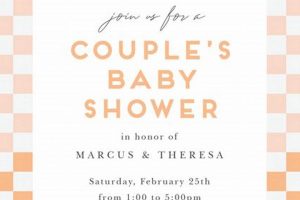
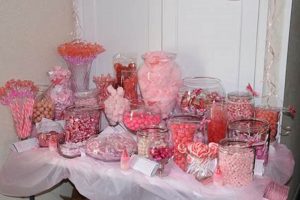
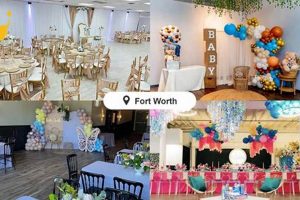
Decorations suitable for a baby shower that do not specifically align with traditional gender stereotypes represent a growing trend in celebratory events. These decorations often incorporate a broad spectrum of colors, themes, and imagery, moving away from the exclusive use of pink and blue. Examples include decorations featuring animals, nature scenes, or abstract designs in a variety of hues like green, yellow, orange, and neutral tones such as beige or gray.
The increasing popularity of this approach stems from several factors. Primarily, it reflects a broader cultural shift towards inclusivity and a rejection of rigid gender norms. It also allows expectant parents to maintain an element of surprise regarding the baby’s sex, or to simply celebrate the arrival of a new life without imposing pre-conceived gendered expectations. Historically, baby showers were often heavily steeped in traditional gender roles, but modern celebrations increasingly prioritize personalization and individual expression.
The subsequent sections will explore various themes, color palettes, and specific decorative elements that effectively create a celebratory and welcoming atmosphere without relying on gendered cues. These will include discussions on selecting appropriate centerpieces, crafting thematic decorations, and choosing versatile party favors that appeal to all guests.
Tips for Gender-Neutral Baby Shower Decorations
Effective implementation of decorations suitable for a non-gendered baby shower requires careful consideration of color schemes, themes, and individual elements. The following tips offer guidance for creating a visually appealing and inclusive celebration.
Tip 1: Embrace Neutral Color Palettes: Opt for color combinations beyond traditional pink and blue. Greens, yellows, oranges, grays, and whites provide a versatile and sophisticated backdrop. Consider a monochromatic scheme with varying shades of a single color for an elegant effect.
Tip 2: Select Nature-Inspired Themes: Incorporate elements from the natural world, such as woodland creatures, forests, or under-the-sea motifs. These themes are inherently non-gendered and offer a wide range of decorative possibilities, including foliage, animal figurines, and ocean-themed accents.
Tip 3: Utilize Patterns and Textures: Instead of relying on color alone, introduce visual interest through patterns like stripes, polka dots, or geometric designs. Textural elements, such as burlap, lace, or natural wood, can add depth and sophistication to the overall aesthetic.
Tip 4: Personalize with Monograms or Names: If the baby’s name has been chosen, incorporate monograms or the full name into the decorations. This adds a personal touch without specifying gender. Consider using wooden letters, banners, or cake toppers displaying the name.
Tip 5: Employ Versatile Centerpieces: Centerpieces should be visually appealing and conversation-starting, but avoid explicitly gendered imagery. Arrangements of flowers in neutral colors, potted plants, or themed displays that tie into the overall aesthetic are suitable options. Books can also be integrated creatively.
Tip 6: Consider Themed Food and Drinks: Extend the chosen theme to the food and beverage offerings. For example, a “Twinkle Twinkle Little Star” theme could feature star-shaped cookies and glittery drinks. Ensure that the food items are visually appealing and cater to a variety of dietary needs.
Tip 7: Incorporate DIY Elements: Handmade decorations add a personal touch and allow for greater control over the aesthetic. Create banners, garlands, or table runners using neutral-colored fabrics and craft supplies. This also provides an opportunity for pre-shower activities with friends and family.
These tips highlight the importance of thoughtful planning and creative execution in achieving a celebration that avoids gender stereotypes, fostering inclusivity and focusing on welcoming the new child.
The following section will delve into specific examples of popular themes and decoration ideas suitable for baby showers, emphasizing how to implement these concepts effectively.
1. Color palette

The selection of a color palette is a foundational element in designing decorations suitable for a non-gendered baby shower. The chosen colors establish the overall aesthetic and contribute significantly to the creation of an inclusive and welcoming atmosphere, avoiding the reliance on traditional gender stereotypes.
- Neutral Base, Accentuated Details
The use of a neutral base color, such as white, gray, or beige, provides a versatile backdrop for other decorative elements. Accent colors, strategically incorporated, can add visual interest without implying gender. For example, a primarily gray palette can be enlivened with pops of yellow or green, creating a sophisticated and balanced aesthetic.
- Nature-Inspired Hues
Colors derived from natural elements, such as greens, browns, and blues, offer a universally appealing option. A woodland theme, for example, can utilize various shades of green and brown to create a serene and organic ambiance. This approach effectively avoids gendered connotations while maintaining visual interest.
- Monochromatic Variations
A monochromatic color scheme involves the use of varying shades of a single color. This creates a cohesive and elegant look without requiring a diverse range of hues. For instance, a palette featuring different tones of teal or coral can be visually striking while remaining decidedly non-gendered.
- Avoidance of Gendered Exclusivity
It is crucial to avoid solely relying on traditional “boy” or “girl” colors. While pink and blue can be incorporated subtly, they should not dominate the overall color scheme. A balanced approach that incorporates a wider range of colors fosters a more inclusive environment and avoids potential assumptions about the baby’s sex.
The deliberate selection of a color palette is thus instrumental in conveying the intended message of inclusivity and celebration at a non-gendered baby shower. Thoughtful consideration of these facets enables the creation of a visually appealing and welcoming environment for all attendees.
2. Theme versatility
Theme versatility is paramount when planning celebrations that aim to avoid gender-specific connotations. In the context of non-gendered baby showers, the chosen theme must lend itself to broad interpretation and application, ensuring inclusivity and avoiding reliance on traditional gender stereotypes.
- Adaptability to Various Color Palettes
A versatile theme should accommodate a range of color schemes beyond the conventional pink and blue. Themes centered around nature, such as forests or oceans, allow for the incorporation of greens, blues, browns, and other neutral tones. The flexibility in color selection ensures that the theme does not inadvertently lean towards a specific gender.
- Suitability for Diverse Decorative Elements
A themes adaptability to various decorative items is crucial. For example, a “Twinkle Twinkle Little Star” theme can incorporate stars, moons, and clouds, which can be rendered in diverse materials and colors. A theme that readily integrates various decorative elements allows for customization and personalization without reinforcing gendered expectations.
- Engagement Across Age Groups and Interests
Themes should be engaging for a diverse group of attendees, irrespective of their age or personal interests. A theme centered around animals or books tends to resonate with a wider audience than one based on niche hobbies or specific characters. Broad appeal ensures that all guests feel included and comfortable participating in the celebration.
- Flexibility in Activity and Game Design
A versatile theme enables the creation of activities and games that are not inherently gendered. For instance, a theme centered on building blocks can facilitate activities involving construction and creativity, which are universally appealing. The theme’s adaptability ensures that activities promote inclusivity and avoid reinforcing stereotypical gender roles.
The effective implementation of a versatile theme necessitates careful consideration of these facets. By selecting themes that accommodate diverse colors, decorative elements, and activities, celebrations can foster inclusivity and avoid perpetuating traditional gender stereotypes. This approach allows for a more personal and meaningful event focused on welcoming a new life without predetermined gender expectations.
3. Decorative elements
Decorative elements play a critical role in establishing the aesthetic and ambiance of baby showers, particularly in events aiming for gender neutrality. The selection and application of these elements directly influence the overall impression and contribute to an inclusive environment free from gendered preconceptions.
- Balloons and Streamers
Balloons and streamers are foundational decorative elements. Opting for colors outside traditional pinks and bluessuch as greens, yellows, oranges, or metallic tonesis essential. Arrangements can incorporate a variety of shapes and sizes, including organic balloon arches, to create visually appealing displays that are not gender-specific. Examples include ombre color schemes using multiple shades of a single hue or incorporating patterns like polka dots or stripes.
- Centerpieces
Centerpieces serve as focal points and should align with the overall theme. Natural elements such as floral arrangements with neutral-colored blooms, potted plants, or terrariums provide aesthetically pleasing and non-gendered options. Thematic centerpieces can also be created around animals, books, or abstract art, avoiding items or imagery with strong gender associations.
- Banners and Garlands
Banners and garlands offer opportunities to personalize the event without specifying gender. Messages such as “Welcome Baby,” “Oh Baby,” or the baby’s name (if known) can be displayed. Materials like burlap, felt, or paper in neutral colors allow for versatile designs. Garlands can incorporate elements such as leaves, stars, or abstract shapes to enhance the decorative scheme.
- Tableware and Linens
The choice of tableware and linens contributes to the cohesive look of the event. Opting for neutral-colored tablecloths, napkins, and plates provides a versatile base. Patterns can be incorporated through placemats or runners, again avoiding gendered motifs. Consider using reusable or eco-friendly materials to align with broader values of sustainability and responsible consumption.
The conscious selection of decorative elements enables the creation of a celebratory atmosphere that is both visually appealing and free from gender stereotypes. By focusing on color neutrality, thematic versatility, and thoughtful material choices, these elements contribute significantly to the overall success of non-gendered baby showers.
4. Venue selection

Venue selection directly impacts the effectiveness of decorations intended for a non-gendered baby shower. The venue’s inherent characteristics, including its size, layout, and existing decor, can either complement or hinder the successful implementation of a gender-neutral aesthetic.
- Existing Dcor Neutrality
The venue’s pre-existing decorations should ideally be neutral, avoiding overtly gendered elements. Spaces with predominantly neutral color schemes, natural lighting, and minimal permanent fixtures offer a blank canvas that facilitates the integration of decorations that consciously avoid gender stereotypes. Conversely, venues with strong existing themes or color palettes may require more effort to achieve a truly non-gendered appearance.
- Space Adaptability
The selected space must be adaptable to accommodate diverse decorative elements and arrangements. Open-concept venues or spaces with flexible layouts allow for greater customization and creativity in terms of centerpiece placement, balloon arrangements, and overall thematic presentation. Spaces with limited flexibility may restrict the types of decorations that can be effectively implemented, potentially hindering the creation of a non-gendered ambiance.
- Lighting Considerations
Lighting plays a crucial role in accentuating decorations and creating the desired atmosphere. Venues with ample natural light often enhance the vibrancy of colors and decorative elements, contributing to a welcoming and inclusive environment. The availability of adjustable artificial lighting allows for greater control over the ambiance, enabling the creation of a visually appealing space regardless of the time of day.
- Accessibility and Inclusivity
A truly non-gendered celebration extends beyond visual aesthetics to encompass inclusivity in all aspects. Venue selection should prioritize accessibility for all guests, including those with mobility impairments or other special needs. Ensuring that the venue is easily accessible and provides adequate accommodations for all attendees contributes to an atmosphere of inclusivity and respect, aligning with the broader goals of a non-gendered celebration.
Careful consideration of these factors ensures that the venue selection complements the decorative strategy, fostering an environment that is both visually appealing and consciously avoids reinforcing gender stereotypes. This holistic approach to venue selection and decoration is essential for creating a truly inclusive and celebratory event.
5. Budget allocation
Budget allocation constitutes a critical factor in the successful execution of baby shower decorations, particularly when adhering to a gender-neutral theme. Effective financial planning ensures that resources are distributed strategically to achieve the desired aesthetic without overspending or compromising on key elements.
- Prioritization of Core Elements
Budget allocation necessitates a clear understanding of the most impactful decorative elements. Core elements, such as centerpieces, backdrops, and thematic banners, should receive a larger portion of the budget. For instance, investing in a professionally designed backdrop featuring a nature-inspired scene can establish the overall tone, while less expensive, DIY elements can supplement this focal point. This approach ensures that the primary decorations align with the desired gender-neutral aesthetic without exceeding financial constraints.
- Strategic Material Sourcing
The source of materials significantly affects budget adherence. Exploring cost-effective alternatives, such as DIY decorations crafted from repurposed materials or purchasing items in bulk, can yield substantial savings. Comparing prices from various vendors and utilizing coupons or promotional discounts further optimizes resource allocation. For example, sourcing fabric remnants for creating banners or garlands can reduce costs compared to purchasing new materials.
- Balancing DIY and Professional Services
Budget allocation requires a strategic blend of DIY projects and professional services. While DIY decorations offer cost savings and personalization, certain elements, such as floral arrangements or custom backdrops, may benefit from professional expertise. Evaluating the complexity and skill level required for each element allows for informed decisions on whether to undertake a DIY approach or engage professional assistance. This balanced approach maximizes both budgetary efficiency and aesthetic quality.
- Contingency Planning
A well-structured budget allocation includes a contingency fund to address unforeseen expenses or unexpected price increases. Setting aside a percentage of the total budget for contingencies provides a financial buffer to accommodate last-minute adjustments or unexpected costs without disrupting the overall plan. This proactive approach ensures that the event remains within budget, even in the face of unforeseen circumstances, and prevents compromising the quality of the decorations.
The strategic allocation of funds is thus paramount to realizing a visually appealing and thematically coherent baby shower that consciously avoids gender stereotypes. Through careful planning, strategic sourcing, and a balanced approach to DIY and professional services, the event can achieve its decorative goals without exceeding budgetary limitations, ensuring a successful and memorable celebration.
6. Guest inclusion

Guest inclusion represents a critical consideration when planning celebrations, particularly baby showers intended to be devoid of specific gender connotations. The decorations chosen, when deliberately gender neutral, significantly contribute to the creation of an environment where all guests feel welcomed, respected, and equally valued, irrespective of their personal beliefs or identities.
- Minimizing Potential Offense
Intentional avoidance of stereotypical themes and color schemes reduces the likelihood of unintentionally offending or alienating guests who may hold differing views on gender roles or identities. Decorations that celebrate the impending arrival of a new life without imposing pre-conceived gender expectations foster a sense of inclusivity and respect for diverse perspectives. This proactive approach enhances the overall experience for all attendees.
- Promoting a Welcoming Atmosphere
Gender-neutral decorations contribute to a more welcoming and comfortable atmosphere for all guests, regardless of their gender, age, or background. Environments devoid of overt gendered cues encourage open communication and interaction, fostering a sense of belonging. Decorations that incorporate universally appealing themes and colors signal inclusivity and consideration for all attendees, thereby enhancing the overall celebratory atmosphere.
- Facilitating Inclusive Activities
Thoughtfully selected decorations support the design of activities and games that are inherently inclusive and enjoyable for all participants. Gender-neutral themes and decorative elements allow for the creation of activities that focus on shared interests and common experiences, avoiding activities that may inadvertently exclude or marginalize certain guests. This approach ensures that all attendees feel comfortable participating and contributing to the celebration.
- Encouraging Open-Mindedness
The use of gender-neutral decorations subtly encourages open-mindedness and acceptance among guests, particularly those who may hold more traditional views on gender roles. Exposure to decorations that challenge conventional norms can subtly promote reflection and dialogue, fostering a greater understanding and appreciation for diversity. This can contribute to a more positive and enriching experience for all attendees, broadening perspectives and fostering a sense of shared humanity.
In conclusion, the deliberate selection of decorations is integral to fostering a genuinely inclusive celebration. By prioritizing gender-neutral themes and colors, event organizers can create an environment that welcomes and respects all guests, irrespective of their individual beliefs or identities. This approach aligns with the broader goal of celebrating new life without imposing limiting or potentially exclusionary gender expectations.
Frequently Asked Questions
This section addresses common inquiries concerning the selection and implementation of decorations suitable for baby showers that consciously avoid gendered themes.
Question 1: What constitutes “gender neutral baby shower decorations”?
The term refers to decorative elements suitable for a baby shower that do not specifically align with traditional gender stereotypes, such as the exclusive use of pink and blue. These decorations often incorporate a broad spectrum of colors, themes, and imagery designed to celebrate the arrival of a new life without imposing preconceived gender expectations.
Question 2: Why opt for decorations that do not specify gender?
The rationale stems from several factors, including a broader cultural shift towards inclusivity, a rejection of rigid gender norms, and a desire to maintain an element of surprise regarding the baby’s sex. Furthermore, expectant parents may simply wish to celebrate the arrival of a new life without imposing gendered expectations from the outset.
Question 3: What color palettes are most effective for non-gendered decorations?
Color palettes that avoid exclusive reliance on pink and blue are recommended. Greens, yellows, oranges, grays, whites, and combinations thereof provide versatile and sophisticated backdrops. Monochromatic schemes utilizing varying shades of a single color can also achieve an elegant and non-gendered effect.
Question 4: What are some suitable theme options for a celebration that does not specify gender?
Themes centered around nature, animals, books, or abstract concepts offer versatile options. Woodland creatures, under-the-sea motifs, and celestial themes readily lend themselves to non-gendered interpretations. The selected theme should be adaptable to various color palettes and decorative elements without reinforcing gendered expectations.
Question 5: How can personalization be incorporated into non-gendered decorations?
Personalization can be achieved through the use of monograms or the baby’s name (if known), displayed on banners, cake toppers, or other decorative elements. Incorporating the parents’ interests or hobbies into the theme also provides a personal touch without specifying gender. Avoiding imagery or symbols with strong gender associations is crucial.
Question 6: How does budget allocation impact the selection of non-gendered decorations?
Strategic budget allocation ensures that core decorative elements receive adequate funding. Prioritizing impactful items, such as backdrops and centerpieces, and exploring cost-effective alternatives, such as DIY decorations crafted from repurposed materials, maximizes resource utilization. A balanced approach to DIY projects and professional services further optimizes budgetary efficiency and aesthetic quality.
Thoughtful planning and execution are essential for creating a celebratory atmosphere that avoids gender stereotypes, fostering inclusivity and focusing on welcoming the new child.
The following section summarizes key takeaways and provides final thoughts on the importance of creating inclusive celebrations.
Conclusion
This article has explored the concept of decorations suitable for baby showers that do not specifically align with traditional gender stereotypes. The analysis emphasized the importance of color palette selection, theme versatility, decorative element choices, appropriate venue selection, strategic budget allocation, and guest inclusion in creating an inclusive and celebratory atmosphere. The deliberate application of these principles facilitates events that celebrate new life without imposing preconceived gender expectations.
The ongoing evolution of societal norms necessitates continued critical evaluation of celebratory practices. A commitment to inclusivity and thoughtful planning in baby shower decoration choices will contribute to fostering environments that value diversity and respect individual perspectives, laying the foundation for a more equitable and accepting future.