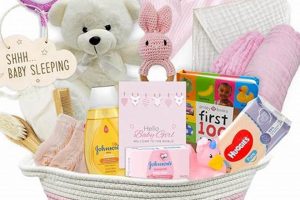
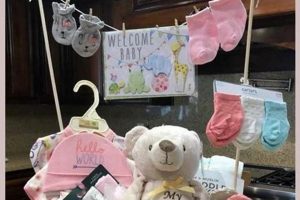
The practice of unwrapping presents at a baby shower is a common tradition, but its obligatory nature is a subject of varying viewpoints. While customary, engaging in this activity is not universally mandated. The expectant parent, or the event’s host, holds the discretion to tailor the celebration to personal preferences and comfort levels. Factors such as time constraints, guest count, and the desire for a specific atmosphere influence the decision.
Opening presents publicly allows guests to witness the recipient’s reaction to their gifts, fostering a sense of connection and gratitude. Historically, this provided a practical function: publicly acknowledging each item ensured proper tracking of contributions, especially within close-knit communities. Furthermore, viewing the received items offered practical information and support to the parents-to-be as they prepared for the child’s arrival. This tradition can solidify relationships and celebrate the upcoming life event in a tangible manner.
Alternative approaches exist for those who prefer not to open gifts during the event. These range from discreetly unwrapping presents later to requesting alternative forms of support. Consider various options for managing gifts and acknowledging guests, as well as communicating expectations clearly beforehand to ensure a comfortable and enjoyable experience for all involved.
Tips Regarding Gift Unwrapping Etiquette at Baby Showers
Navigating the gift-related aspects of a baby shower requires consideration of various factors. The following suggestions offer guidance for expectant parents and hosts.
Tip 1: Pre-Shower Communication: Clearly indicate gift preferences or any alternatives to traditional presents on the invitation. This ensures guests are informed and can align their contributions accordingly. Specify if unwrapping during the shower is anticipated or if gifts should be sent directly to the home.
Tip 2: Opt for a Display Shower: Request that gifts be brought unwrapped, presented with a decorative ribbon instead. This eliminates the time-consuming task of opening each present and allows for a visually appealing display. This approach saves time while allowing guests to see the items contributed.
Tip 3: Consider a Charitable Donation: Suggest that guests make a donation to a designated charity in lieu of traditional gifts. This option resonates with those who prefer to support a cause and reduces the accumulation of material items. Communicate this preference explicitly on the invitation.
Tip 4: Streamline the Unwrapping Process: If unwrapping is desired, designate a helper to record gifts and givers for thank-you notes. Pre-sort gifts by size to expedite the process. Have trash receptacles readily available for wrapping paper disposal.
Tip 5: Prepare for a Hybrid Approach: Be prepared to open a few gifts and then transition to other activities if time becomes a constraint or the guest of honor becomes fatigued. Acknowledge this potential shift to guests beforehand to manage expectations.
Tip 6: Acknowledge Gifts Regardless of Unwrapping Method: Regardless of when or how gifts are opened, ensure that each giver receives a prompt and personalized thank-you note. Express sincere appreciation for their thoughtfulness and generosity.
Tip 7: Be Mindful of Cultural Sensitivities: Be aware that gift-giving customs can vary significantly across cultures. Accommodate diverse traditions to ensure that all guests feel respected and included. Seek advice from individuals familiar with the cultural backgrounds of those attending.
Adhering to these suggestions will help foster a positive and enjoyable experience for the expectant parents and guests. Thoughtful planning and open communication are essential for a successful event.
These tips offer practical guidance for handling the gift aspect of baby showers, promoting a considerate and organized celebration.
1. Host's Preference

The host’s preference constitutes a primary factor in deciding whether gifts are opened during a baby shower. As the individual responsible for planning and executing the event, the host sets the tone and agenda, influencing various aspects, including gift handling. This preference can reflect the expectant parent’s wishes, the host’s personal style, or a combination of both, shaping the overall experience for attendees.
- Event Timeline and Structure
The host dictates the event’s timeline and structure, determining whether sufficient time is allocated for opening presents. If the host envisions a schedule filled with games, activities, or social interaction, they may opt to forgo the traditional unwrapping session. Conversely, a host who prioritizes expressing gratitude and showcasing gifts might dedicate a significant portion of the shower to this activity. This decision profoundly impacts the flow and feel of the celebration.
- Intimacy and Formality
The host’s preference reflects the desired level of intimacy and formality. A small, close-knit gathering might naturally lend itself to opening gifts in front of everyone, fostering a sense of shared excitement and appreciation. In contrast, a larger, more formal event might warrant a more streamlined approach, where gifts are opened privately later to avoid overwhelming the guest of honor or prolonging the event unnecessarily. This preference shapes the event’s overall atmosphere.
- Adherence to Tradition
The host’s inclination toward adhering to traditional baby shower customs influences the decision. Some hosts feel strongly about upholding time-honored practices, including the public unwrapping of presents as a gesture of appreciation. Others may prioritize modern alternatives or personalized touches that deviate from conventional norms. This perspective guides the host in crafting an event that aligns with their values and expectations.
- Communication and Guest Guidance
The host communicates their preference regarding gifts to guests, either explicitly on the invitation or through word-of-mouth. This clarity allows guests to prepare accordingly, ensuring they are not caught off guard or uncertain about the event’s protocol. The host may specify alternatives to traditional gifts, such as charitable donations or unwrapped display gifts, effectively steering the event in a specific direction. Transparency minimizes confusion and fosters a comfortable environment for attendees.
In summary, the host’s preference serves as a foundational element in determining whether the opening of gifts is incorporated into the baby shower agenda. This influence extends to the event’s timeline, atmosphere, adherence to tradition, and communication with guests, underscoring the host’s pivotal role in shaping the overall celebration and managing gift-related expectations.
2. Time constraints

Time constraints exert a significant influence on the decision to open gifts during a baby shower. The duration of the event, the number of attendees, and the planned activities all contribute to the available timeframe. A limited schedule necessitates careful prioritization, and the act of unwrapping each gift can consume a substantial amount of time. For instance, a shower scheduled for two hours with thirty guests may find dedicating an hour to gift opening impractical. The correlation between time available and the number of gifts directly impacts the feasibility of this activity. Choosing to forgo opening gifts, or employing strategies to expedite the process, becomes a practical consideration when time is limited. Real-world examples often show organizers opting for alternative activities to ensure guest engagement within the allocated timeframe.
Effective management of time involves various strategies. Hosts may choose to open only a selection of gifts, focusing on those from close family or friends. Alternatively, a “display shower,” where gifts are brought unwrapped, eliminates the need for individual opening entirely, allowing guests to view the presents without consuming excessive time. Requesting that gifts be sent directly to the recipient’s home prior to the event represents another approach to mitigate the impact of gift opening on the shower’s schedule. The practical significance of recognizing these constraints lies in the ability to create a more relaxed and enjoyable experience for both the expectant parents and the guests. Prioritization enables the host to tailor the shower to the specific circumstances, maximizing engagement and minimizing potential stress.
In conclusion, time constraints serve as a critical factor in determining whether gifts are opened during a baby shower. Understanding the limitations imposed by event duration, guest count, and planned activities allows for informed decision-making. Strategies to streamline the process or forgo it entirely offer practical solutions for managing time effectively. Recognizing the importance of time constraints contributes to a more successful and enjoyable event, underscoring the need for careful planning and prioritization.
3. Guest Expectations

Guest expectations wield considerable influence over the perceived necessity of opening presents during a baby shower. The custom of presenting gifts carries an implicit assumption: the recipient will acknowledge the offering in some fashion. For many guests, witnessing the expectant parent’s reaction to their specific gift constitutes an integral part of the shower experience. This expectation stems from a desire to feel appreciated and to observe the tangible impact of their contribution to the new baby’s arrival. Should the gift remain unopened, certain guests may feel their effort went unacknowledged, potentially leading to feelings of disappointment or undervaluation. Cultural backgrounds and regional customs further shape these expectations, with some communities placing greater emphasis on public displays of gratitude than others.
However, not all guests share identical expectations. Some attendees may prioritize the expectant parent’s comfort and well-being above all else, understanding that opening numerous gifts can be a physically taxing and time-consuming endeavor. These guests may be satisfied knowing their gift was received, regardless of whether it’s opened during the shower. Furthermore, the nature of the gift itself can influence expectations. A handmade or particularly personal gift might carry a stronger expectation of public acknowledgment than a more generic item purchased from a registry. A pragmatic approach involves gauging guest expectations prior to the event, perhaps through informal conversations or by including a subtle indication on the invitation regarding the gift-opening format. This proactive measure allows the host to manage expectations and tailor the shower accordingly.
In conclusion, guest expectations represent a crucial element in determining whether gifts are opened at a baby shower. While some guests anticipate witnessing the expectant parent’s reaction to their gift, others prioritize the recipient’s comfort. Understanding the spectrum of potential expectations and proactively addressing them through clear communication contributes to a positive and enjoyable experience for all attendees. Balancing tradition with practicality, while remaining sensitive to diverse perspectives, enables the host to navigate this aspect of the shower with grace and consideration.
4. Cultural norms
Cultural norms exert a significant influence on the practice of opening gifts at a baby shower. The customs surrounding gift-giving and acceptance vary across different cultures, impacting whether opening gifts publicly is considered obligatory, optional, or even inappropriate. Certain cultures place a high value on expressing immediate and overt gratitude for gifts, viewing the public opening as a necessary demonstration of appreciation. Failure to do so could be perceived as impolite or disrespectful. Conversely, other cultures prioritize humility and may consider opening gifts publicly as ostentatious or self-serving. In such contexts, gifts are more appropriately opened in private, with a separate expression of thanks conveyed later. The cultural background of the expectant parent, the host, and the guests all contribute to shaping expectations and determining acceptable behavior.
For example, in some Western cultures, particularly in North America, opening gifts at a baby shower is a common and expected practice. Guests often anticipate witnessing the recipient’s reaction and consider it a part of the celebratory experience. However, in some Asian cultures, such as certain regions in China or Japan, gifts are typically opened in private to avoid singling out individuals or creating a sense of obligation. Furthermore, the type of gift may also be culturally relevant. Elaborate or expensive gifts might be considered inappropriate in some cultures, while handmade or symbolic gifts are highly valued. The host must be sensitive to these nuances when planning the shower, potentially seeking guidance from individuals familiar with the cultural backgrounds of the attendees. Misunderstanding these norms can lead to unintentional offense or discomfort among guests.
In conclusion, cultural norms play a critical role in determining whether gifts are opened at a baby shower. The varying customs surrounding gift-giving and expressions of gratitude necessitate careful consideration to ensure a comfortable and respectful environment for all participants. Awareness of cultural differences, proactive communication, and a willingness to adapt to diverse traditions are essential for navigating this aspect of the shower successfully. Failure to acknowledge these factors can lead to unintended offense, highlighting the practical significance of cultural sensitivity in event planning. The host should strive to create an inclusive celebration that respects the cultural backgrounds of all those involved, aligning the gift-opening practice with the prevailing norms of the group.
5. Alternative celebrations

Alternative celebrations represent a departure from traditional baby shower formats, impacting the conventional expectation of gift opening. These variations offer options for expectant parents who prefer a different atmosphere or have specific concerns, such as time constraints or environmental considerations, influencing the need to publicly unveil presents.
- Display Showers
Display showers encourage guests to bring gifts unwrapped, showcasing them on a table. This approach eliminates the time-consuming task of opening each present individually during the event. The expectant parents can still express gratitude to each guest, but the focus shifts from the act of unwrapping to the visual presentation of support. This style directly addresses concerns about the time required for traditional gift opening, making it a practical alternative.
- Sprinkle Showers
Sprinkle showers, often held for subsequent children, are typically smaller and less elaborate than traditional baby showers. Given the smaller scale, the expectation for extravagant gifts may be reduced, and the pressure to open every item publicly diminishes. The emphasis often lies on celebrating the new baby with close friends and family, prioritizing quality time over extensive gift-giving rituals. Consequently, the format can allow for foregoing present opening.
- Virtual Showers
Virtual baby showers present a unique situation. Gifts are often sent directly to the expectant parents’ home, and opening them on camera can be awkward or logistically challenging. While some virtual showers incorporate a brief segment where a few gifts are opened, the practice is not universally expected. The focus tends to shift towards online games, virtual tours of the nursery, and connecting with loved ones remotely, reducing the emphasis on tangible presents and associated rituals. It can be awkward and take up a lot of virtual time.
- “No Gifts” Showers
“No gifts” baby showers explicitly request that guests refrain from bringing presents. This choice might stem from a desire to reduce material possessions, support a charitable cause, or avoid creating a sense of obligation. In these instances, the central focus is on celebrating the upcoming arrival with the expectant parents, emphasizing companionship and well wishes over tangible contributions. Clearly, since no gifts are given at a no gifts shower, gift opening is irrelevant.
The adoption of alternative celebrations provides expectant parents with flexibility in shaping their baby shower experience. By diverging from traditional formats, these options offer practical solutions for addressing time constraints, managing guest expectations, and reflecting personal values, thereby altering or eliminating the expectation to open presents at the event. Communication regarding celebration format is key.
Frequently Asked Questions
This section addresses common inquiries regarding the practice of opening gifts during baby showers, providing clarity on prevailing customs and etiquette.
Question 1: Is the practice of opening presents at a baby shower mandatory?
The act of opening gifts is not strictly mandatory. While a common tradition, the expectant parents or the host possess the discretion to determine if this activity aligns with the event’s objectives and time constraints.
Question 2: What factors should influence the decision to open or forgo opening gifts?
Key factors include the time available for the shower, the number of guests attending, the preferences of the expectant parents, and any cultural considerations that may be relevant.
Question 3: If a decision is made not to open presents, how should guests be informed?
Communication regarding this preference is optimally conveyed through the invitation. Clear wording indicating “no gifts, please” or suggesting an alternative, such as a charitable donation, mitigates potential confusion.
Question 4: Are there alternative approaches to the traditional gift-opening format?
Alternative formats include display showers, where gifts are brought unwrapped and showcased, and virtual showers, where gifts are often sent directly to the recipient’s home and opened privately.
Question 5: Is there a proper way to acknowledge gifts that are not opened during the shower?
Personalized thank-you notes remain essential. Expressing sincere gratitude for each gift, regardless of when it is opened, demonstrates consideration and appreciation.
Question 6: What if some guests expect gifts to be opened, while others do not?
A balanced approach involves clear communication and potential compromise. Consider opening a few gifts to acknowledge the tradition, then transitioning to other activities to respect time constraints and varying expectations.
Understanding these facets surrounding gift handling fosters a positive and considerate environment for all participants. Prioritizing clear communication and sensitivity to individual preferences ensures a successful event.
The subsequent section will explore specific strategies for managing the gift-related aspects of baby showers, promoting organized and thoughtful celebrations.
Do You Have to Open Gifts at a Baby Shower
This exploration of the topic demonstrates that engaging in present unwrapping at a baby shower is not a strict obligation. Rather, factors such as time constraints, guest expectations, cultural norms, and the host’s preference collectively influence the decision. Alternative celebration formats, such as display showers or “no gifts” showers, further challenge the conventional expectation of immediate gift opening. These elements necessitate a thoughtful and informed approach.
Ultimately, a successful baby shower prioritizes the comfort and well-being of the expectant parent and guests. Consideration should be given to communicate effectively regarding gift preferences and chosen celebration style. Whether opting to maintain tradition or embrace an alternative approach, planning the experience requires consideration.