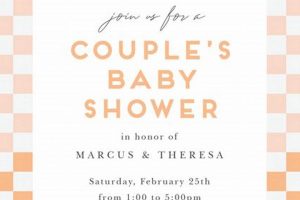
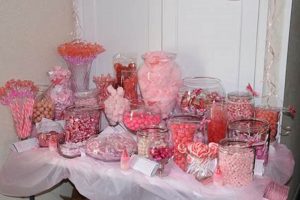
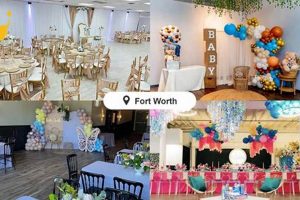
Events celebrating impending parenthood increasingly include both expectant parents. These celebrations often incorporate shared activities and decorations, moving away from exclusively mother-focused gatherings. The design and planning of these events are driven by a desire for inclusivity and reflect the modern family dynamic. An example includes a backyard barbecue with games geared towards adults, rather than traditional baby shower games.
Such shared celebrations foster a sense of co-responsibility and shared excitement between the parents. They acknowledge the father’s integral role from the outset and create a supportive environment for both individuals embarking on this journey. The evolution of these events mirrors societal changes and a shift toward more egalitarian parenting roles. Historically, baby showers centered solely on the mother-to-be and her female support network, emphasizing gifts and advice primarily related to infant care for the mother.
Subsequent discussion will address popular decorative motifs, activity ideas suitable for both genders, and gift registry recommendations that cater to the needs of both parents and the arriving child. These topics provide practical guidance for planning a successful and enjoyable event.
Planning Considerations for Joint Pre-Natal Celebrations
Effective planning ensures a successful and enjoyable pre-natal celebration for both expectant parents. The following tips offer guidance for organizing an inclusive and memorable event.
Tip 1: Define a Shared Theme: Select a unifying concept that reflects the parents’ shared interests and aesthetic preferences. Examples include a travel theme, a literary theme, or a nature-inspired theme. The theme should be broad enough to accommodate both masculine and feminine elements.
Tip 2: Curate Inclusive Activities: Design activities that engage all attendees, regardless of gender or relationship to the parents. Consider activities such as team trivia, collaborative art projects, or a diaper-changing competition with a focus on humor and skill.
Tip 3: Establish a Joint Registry: Create a gift registry that includes items for both the mother and the father, as well as essential baby supplies. Consider including practical items for postpartum recovery for the mother and supportive items for the father as he navigates his new role.
Tip 4: Diversify the Food and Beverage Selection: Offer a variety of food and beverage options that cater to different tastes and dietary needs. Include both savory and sweet dishes, as well as alcoholic and non-alcoholic beverages. Consider incorporating signature cocktails or mocktails that reflect the chosen theme.
Tip 5: Design Gender-Neutral Decorations: Opt for decorations that are aesthetically pleasing and avoid relying heavily on traditional gender stereotypes. Use neutral colors, natural materials, and personalized touches to create a welcoming and inclusive atmosphere.
Tip 6: Emphasize Shared Planning Responsibilities: Encourage both parents to actively participate in the planning process. Delegate tasks and responsibilities equitably to ensure that both individuals feel invested in the event.
Tip 7: Consider a ‘Sip and See’ Alternative: If a traditional pre-natal celebration isn’t desired, a ‘Sip and See’ held after the baby’s arrival provides an opportunity for a less structured, more casual gathering to introduce the newborn to friends and family. This option may appeal to those seeking a more relaxed format.
By implementing these suggestions, organizers can create a pre-natal celebration that is inclusive, engaging, and reflective of the parents’ shared excitement and anticipation.
The subsequent section will explore specific theme ideas in greater detail, providing inspiration for a variety of preferences and styles.

The integration of shared interests into celebratory pre-natal events significantly enhances the experience for both expectant parents and their guests. This approach moves beyond traditional, gender-specific celebrations, fostering a more inclusive and meaningful atmosphere.
- Personalization and Connection
Incorporating shared hobbies or passions allows for a personalized event that resonates deeply with the couple. For instance, a couple who enjoys hiking could opt for a nature-themed celebration with decorations and activities reflecting the outdoors. This personalization creates a stronger sense of connection and shared excitement among the attendees.
- Thematic Cohesion and Visual Harmony
Shared interests can serve as a unifying design element, creating a cohesive and visually appealing event. If the expectant parents are avid readers, a literary motif, incorporating elements from their favorite books, can be implemented. This allows for aesthetically pleasing decorations and creates a more sophisticated and harmonious environment.
- Engagement and Participation
Activities designed around shared interests encourage greater participation from all guests. If the couple enjoys games, a custom trivia game based on their shared history and hobbies can be created. This promotes interaction and ensures that guests feel more involved in the celebration.
- Authenticity and Reflection
Centering the celebration on shared interests allows for a more authentic reflection of the couple’s identity. Choosing a theme that aligns with their values and lifestyle demonstrates a genuine understanding and celebration of their relationship. This resonates with guests and creates a more meaningful and memorable experience.
By leveraging shared interests, a pre-natal celebration transcends the conventional, becoming a personalized and engaging event that truly reflects the couple’s unique bond and shared anticipation of parenthood. This approach leads to a more authentic and memorable experience for all involved.
2. Inclusive Activities
The selection of inclusive activities is paramount to the success of celebratory pre-natal events intended for both expectant parents. These activities directly influence the level of engagement and enjoyment experienced by all attendees, irrespective of gender or relationship to the parents. A pre-natal event designed around a particular theme will prove unsuccessful if the activities do not cater to the interests and abilities of all participants. Therefore, careful consideration must be given to the design and execution of these activities to ensure an inclusive and welcoming atmosphere. For example, a “construction zone” theme could incorporate a diaper-changing relay race, while a “book-themed” event might involve a collaborative story-writing exercise. The absence of such inclusive considerations can result in certain guests feeling excluded, leading to a diminished sense of celebration and shared joy.
Practical application of this principle necessitates a thorough understanding of the guest list and their respective interests. Instead of relying solely on traditional pre-natal games, event planners should explore alternative activities that promote collaboration and friendly competition. This might involve creating a team-based trivia game with questions covering a wide range of topics, or organizing a collaborative art project where guests contribute to a mural or baby-themed decoration. The key is to select activities that encourage participation from everyone, regardless of their prior experience or knowledge. The benefit of strategically selecting activities, is not limited to entertaining and engaging the guests but provides emotional support for the parents-to-be.
In summary, the connection between inclusive activities and pre-natal celebration events is one of direct cause and effect. Inclusive activities promote engagement and enjoyment, leading to a successful event. The inverse is also true. To achieve a celebratory event that truly reflects the shared joy of both expectant parents, careful attention must be paid to selecting activities that cater to the diverse interests and abilities of all guests. The primary challenge lies in balancing tradition with innovation to ensure an event that is both enjoyable and meaningful for all who attend.
3. Joint Gift Registry

The implementation of a joint gift registry is a critical component of modern pre-natal celebrations designed for both parents. The connection stems from the shift away from exclusively maternal-focused events, acknowledging the father’s active role in preparing for parenthood. The registry serves as a curated list of items deemed essential by both expectant parents, reflecting their shared needs and preferences. Without a jointly established registry, guests may default to traditional, gender-biased gifts or items primarily benefiting the mother and child, thus undermining the inclusive intent of the celebration. For instance, a registry might include items for postpartum care for the mother alongside tools and resources for the father to support her recovery, or books and toys that reflect shared interests and values for the baby.
Practical applications of this understanding are manifold. Event organizers can actively encourage the creation and sharing of joint registries, providing templates and suggestions to expectant parents. Gift registries provide a transparent and efficient means of communicating specific needs to guests. It streamlines the gift-giving process and minimizes the duplication of items, leading to more effective resource allocation. If a couple is preparing a nursery with a specific color palette or theme, items on the registry can reinforce this aesthetic, ensuring that gifts align with their planned environment. Failure to create a joint gift registry can often results in a collection of well-intentioned but disparate gifts that may not align with the couple’s specific needs, leaving them with unwanted items and a sense of disconnectedness from the celebration’s intended spirit of shared preparation.
In summary, the integration of a joint gift registry directly supports the goal of inclusive pre-natal celebrations. It facilitates equitable resource allocation, promotes a sense of shared responsibility, and reinforces the collaborative nature of modern parenting. However, ensuring the registry reflects the true needs and preferences of both parents remains a key challenge. By encouraging open communication and providing tailored support, organizers can help couples create registries that contribute meaningfully to their transition into parenthood.
4. Neutral Decorations
Neutral decorations play a pivotal role in celebratory events focused on expectant parents. This approach moves away from gender-specific ornamentation, establishing an inclusive environment reflective of both parents and all guests. The following details outline key considerations for employing neutral decorative strategies.
- Color Palette Selection
The deliberate choice of color is a foundational element. Colors such as gray, beige, cream, green, yellow, and pastel combinations offer versatility. These selections avoid association with traditionally gendered colors, promoting inclusivity. For example, a celebration featuring a primarily green and white palette with natural wood accents creates a serene and welcoming atmosphere suitable for all attendees.
- Thematic Objectivity
Decorative themes should abstain from reinforcing gender stereotypes. Rather than depicting stereotypical imagery (e.g., construction vehicles or princesses), motifs should focus on broader, shared interests. A celebration themed around nature, incorporating elements like leaves, animals, and natural textures, provides a universally appealing aesthetic.
- Material Composition
The selection of materials should also reflect neutrality. Natural fibers, such as linen, cotton, and wood, offer tactile and visual warmth without prescribing to gendered expectations. Incorporating these materials into tablecloths, banners, and decorative accents fosters an inviting and unbiased atmosphere.
- Personalization through Shared Interests
Neutrality does not necessitate a lack of personalization. Decorations should subtly reflect the shared interests and personalities of both expectant parents. For example, incorporating elements related to their favorite travel destinations or hobbies adds a personalized touch while remaining inclusive.
Consideration of these facets underscores the importance of deliberate planning to achieve neutral ornamentation. Such careful consideration is essential for crafting an inclusive environment for the parents-to-be.
5. Co-planning

Successful execution of celebratory events designed for expectant parents hinges on effective co-planning. The integration of both parents into the planning process directly impacts the event’s atmosphere and overall reflection of their shared anticipation. When both parents actively participate in decision-making, the resulting event better represents their shared interests and preferences, moving away from traditional, mother-centric celebrations. For instance, in a nature-themed pre-natal event, one parent might manage the catering and beverage selection while the other focuses on decorations and entertainment, ensuring both perspectives are represented. Co-planning is not merely a logistical arrangement but a symbolic representation of shared responsibility in the impending arrival of their child. A failure to foster co-planning can result in one parent feeling excluded from an event ostensibly celebrating their shared journey, thus diminishing the intended atmosphere of shared joy and anticipation.
Practical application necessitates clear communication and equitable task allocation. Before initiating the planning process, the parents should engage in a thorough discussion, identifying their respective strengths, interests, and available time commitments. The division of responsibilities should reflect these factors, with each parent taking ownership of specific aspects of the event. Regular communication and collaborative problem-solving are essential to ensure that the planning process remains harmonious and productive. If one parent expresses a strong preference for a particular theme or activity, the other should be willing to compromise and accommodate that preference, fostering a spirit of collaboration and mutual respect. For example, a couple with differing aesthetic preferences might collaborate on a theme blending elements of both styles, creating a unique and personalized celebration. This ensures both parents feel valued and represented during this important event.
In summary, co-planning is a fundamental component, critical for ensuring an inclusive pre-natal event reflecting the shared joy and anticipation of both parents. The active participation of both parents in the planning process fosters a sense of shared responsibility, enhances the event’s personalization, and contributes to a more harmonious and meaningful celebration. However, effective co-planning requires clear communication, equitable task allocation, and a willingness to compromise, presenting potential challenges for couples with conflicting schedules or preferences. Overcoming these challenges is crucial for creating a pre-natal event that truly embodies the spirit of shared parenthood.
This section addresses common inquiries surrounding design choices for celebrations involving both expectant parents, emphasizing clarity and accuracy.
Question 1: What distinguishes a shared pre-natal celebration design from a traditional baby shower?
A shared pre-natal event design encompasses decorative and activity elements appealing to both expectant parents and their diverse guest list, rather than focusing solely on the mother-to-be. Traditional baby showers are typically centered on the mother and her female social network.
Question 2: Is it necessary to select a highly specialized theme for a shared event?
The selection of a highly specialized theme is not mandatory. However, themes that reflect shared interests of the parents and can resonate with the attendees enhance the level of engagement and personalization.
Question 3: How can one avoid reinforcing gender stereotypes through decoration choices?
Stereotypes can be mitigated by focusing on neutral color palettes, nature-inspired motifs, and personalized elements reflecting the parents’ shared values, as opposed to relying on traditionally gendered imagery.
Question 4: Are shared pre-natal events exclusively for first-time parents?
No. Shared events are suitable for any expectant parents, irrespective of whether it is their first child or subsequent addition to their family. The emphasis is on celebrating the family unit as a whole.
Question 5: What is the ideal timeline for planning a pre-natal event with a shared motif?
The optimal timeline involves commencing planning approximately two to three months prior to the desired event date, allowing sufficient time for theme selection, vendor coordination, and guest communication.
Question 6: Is it appropriate to request specific items reflecting the father’s needs on a joint gift registry?
Including items relevant to the father’s support role in the postpartum period is entirely appropriate. It underscores the shared responsibility and acknowledges his active participation in childcare.
These inquiries and their responses aim to provide comprehensive guidance on the planning and execution of pre-natal events reflecting shared interests and values, ensuring an inclusive and enjoyable celebration for all.
The subsequent section will explore emerging trends and future directions in pre-natal celebration practices.
Conclusion
“couples baby shower themes” represent a significant shift in pre-natal celebrations, moving away from exclusively maternal-focused events to acknowledge the shared responsibility and excitement of both parents. This exploration has highlighted key elements necessary for successful implementation, including the importance of incorporating shared interests, planning inclusive activities, establishing joint gift registries, utilizing neutral decorations, and fostering co-planning. These elements, when carefully considered, contribute to a more engaging and equitable celebration.
The ongoing evolution of societal norms and parenting roles suggests that joint celebrations will continue to gain prominence. Event planners and expectant parents are encouraged to embrace these inclusive practices, fostering a more supportive environment for families as they embark on the journey of parenthood. Future research and innovation in this area will undoubtedly further refine best practices and contribute to even more meaningful and personalized celebrations.