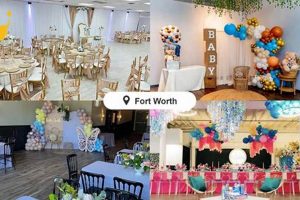
A casual and flexible variation of the traditional baby shower allows guests to attend at their convenience during a specified window of time. This approach eliminates the need for attendees to commit to a lengthy, structured event. For example, instead of a shower lasting from 2:00 PM to 5:00 PM with scheduled games and gift opening, guests might be invited anytime between those hours for light refreshments and socializing.
The appeal of this format lies in its adaptability and consideration for busy schedules. It is particularly beneficial when the guest list includes individuals with demanding work commitments, young children, or those who live some distance away. Historically, traditional showers could be time-consuming and challenging to arrange, but this modified version offers a more relaxed and accessible way to celebrate the expectant parents, resulting in increased participation and reduced stress for both the hosts and guests.
The following sections will delve into the practical considerations for planning this type of event, including invitation wording, venue selection, activity options, and appropriate etiquette.
Planning a Streamlined Celebration
Organizing this type of event requires careful consideration to ensure a seamless and enjoyable experience for all involved. The following guidelines offer practical advice for successful execution.
Tip 1: Set a Clearly Defined Time Window: Specify a start and end time, allowing guests to plan their visit accordingly. For example, “Join us anytime between 1:00 PM and 4:00 PM.” This avoids the ambiguity of open-ended invitations.
Tip 2: Optimize the Invitation Wording: Clearly communicate the informal nature of the gathering in the invitation. Use phrases such as “Drop by anytime” or “Casual celebration.” This sets expectations and reassures guests they are not required to stay for the entire duration.
Tip 3: Streamline Refreshments: Opt for easy-to-manage food and beverage options that can be readily replenished. Finger foods, a self-serve drink station, and individually portioned desserts are ideal choices. Avoid elaborate dishes that require constant attention.
Tip 4: Consider Minimal Activities: While games are a staple of traditional baby showers, they are not essential for this variation. Focus on creating a relaxed atmosphere conducive to conversation. If activities are desired, opt for low-key options that guests can participate in at their leisure, such as a wishes-for-baby station.
Tip 5: Designate a Gift Receiving Area: Establish a designated area for guests to place their gifts. This helps maintain order and allows the expectant parents to easily manage the presents. Clearly label the space if needed.
Tip 6: Manage Guest Flow: Anticipate the ebb and flow of guests. Having adequate seating and standing room is crucial to prevent overcrowding. Adjustments to the layout may be necessary based on RSVPs and anticipated attendance.
Tip 7: Acknowledge All Attendees: Ensure that the expectant parents have the opportunity to personally greet and thank each guest for their attendance and gift. This is particularly important given the staggered arrival times.
These tips provide a framework for a relaxed and successful event, allowing the expectant parents to celebrate with loved ones in a comfortable and manageable format.
The subsequent section will address the etiquette considerations associated with attending this alternative style of shower.
1. Flexible Attendance

Flexible attendance is a cornerstone of the baby shower format, representing a significant departure from the structure of traditional showers. Its implementation directly influences the overall event design and guest experience.
- Accommodating Varied Schedules
The primary role of flexible attendance is to accommodate the diverse schedules of potential guests. Individuals with inflexible work commitments, childcare responsibilities, or geographic limitations may find it challenging to dedicate several hours to a traditional baby shower. This format allows them to participate within a timeframe that aligns with their availability, increasing inclusivity. For example, a guest working a shift ending at 3:00 PM could attend a shower scheduled from 2:00 PM to 4:00 PM, whereas they might be entirely excluded from a traditional, longer event.
- Reducing Time Commitment Pressure
Flexible attendance alleviates the pressure to dedicate an entire afternoon or evening to a single event. Guests can choose to stay for a brief period, offering their congratulations and well wishes without feeling obligated to participate in extended activities or socializing. This is particularly beneficial for introverted individuals or those who may find large group settings overwhelming. The shortened engagement also allows guests to attend multiple events on the same day if necessary.
- Impact on Event Duration and Structure
The flexible attendance model necessitates adjustments to the event’s duration and structure. Traditional showers often involve structured activities such as games and gift opening. With guests arriving and departing at different times, these activities become less practical. The focus shifts toward creating a relaxed, open atmosphere conducive to casual conversation and individual interactions. The event may be extended over a longer period to accommodate the staggered attendance, but the overall time commitment for each guest is reduced.
- Implications for Host Planning
Hosting this type of shower requires a different planning approach compared to a traditional event. The host must ensure a continuous supply of refreshments and be prepared to greet guests throughout the specified time window. Seating arrangements and activity options should be flexible and adaptable to varying numbers of attendees. Communication with guests regarding the format and expectations is crucial to ensure a smooth and enjoyable experience for everyone involved.
In summary, flexible attendance fundamentally alters the dynamics of a baby shower. By prioritizing guest convenience and reducing time commitment pressures, it fosters a more inclusive and accessible celebration. However, this approach requires careful consideration of event structure, refreshment management, and communication strategies to ensure a successful outcome.
2. Time Window

The defined “Time Window” is a fundamental element that distinguishes the baby shower from its traditional counterpart. It establishes the period during which guests are welcome to attend, shaping the event’s structure and influencing the guest experience.
- Defining Attendance Flexibility
The time window dictates the level of flexibility afforded to guests. A wider window provides greater opportunity for attendance, accommodating varied schedules and commitments. Conversely, a shorter window, while potentially simplifying logistics for the host, may limit participation. For example, a three-hour window allows guests to drop by at their convenience within that timeframe, while a one-hour window offers less leeway.
- Impact on Event Atmosphere
The chosen timeframe directly affects the event’s atmosphere. A longer window may result in a more continuous flow of guests, potentially creating a less intimate environment. A shorter window might concentrate attendance, leading to a more crowded but potentially livelier gathering. This consideration should be factored in based on the expectant parent’s preferences and the overall desired ambiance.
- Influence on Refreshment Planning
The time window significantly impacts refreshment planning. A longer duration necessitates a larger quantity of food and beverages, requiring more frequent replenishment. Simpler, self-serve options become more practical than elaborate meals. The host must anticipate the likely attendance pattern and adjust quantities accordingly to avoid shortages or excessive waste. For instance, a midday, four-hour time window would require more substantive offerings than a late afternoon, two-hour window.
- Relationship to Activity Level
The length of the designated period influences the feasibility of planned activities. Shorter timeframes require minimal structured events, focusing instead on casual conversation. Longer windows allow for optional activities that guests can engage in at their leisure, but the expectation should not be for all attendees to participate simultaneously. Any planned activities must be easily adaptable to a constantly fluctuating guest count.
In conclusion, the carefully considered time window is pivotal. Its selection must balance guest convenience with host manageability. The duration influences numerous facets of the event, from attendance patterns to refreshment requirements and activity options. Understanding and strategically defining this element are essential for successful execution.
3. Casual Atmosphere

The casual atmosphere is intrinsic to the baby shower format, acting as a guiding principle in shaping the event’s tone and execution. It directly influences guest expectations, activity selection, and overall ambiance, contributing significantly to its distinct character.
- Reduced Formality
The defining characteristic of a casual atmosphere is its reduced emphasis on formal protocols. Stiff seating arrangements, rigid timelines, and elaborate dress codes are replaced with more relaxed alternatives. For instance, guests might be encouraged to wear comfortable clothing, and seating may consist of a mix of chairs and informal floor cushions. This lessened formality aims to create an environment where guests feel at ease and can freely socialize without adhering to strict conventions.
- Emphasis on Social Interaction
A casual atmosphere prioritizes spontaneous social interaction over structured entertainment. While games or planned activities may be present, they are not the central focus. Instead, the emphasis is on facilitating conversation and connection among guests. This can be achieved through open seating arrangements, background music, and providing conversation starters. In the event of a casual baby shower, the expectant parents might simply mingle with guests, sharing anecdotes and answering questions informally.
- Simplified Refreshments and Dcor
The casual atmosphere extends to the selection of refreshments and dcor. Elaborate menus and formal place settings are replaced with simpler, more accessible options. Finger foods, a self-serve beverage station, and minimal decorations are characteristic of this approach. The goal is to create an environment that is comfortable and inviting without requiring excessive effort or expense. For example, decorations may consist of balloons and streamers, rather than professionally designed floral arrangements.
- Flexible Participation
In a casual setting, guest participation is entirely voluntary. Individuals are free to engage in activities or conversations as they see fit, without feeling pressured to conform to expectations. This is particularly important given the flexible attendance nature. Guests arriving and departing at various times should feel comfortable joining or leaving activities without disrupting the flow of the event. A wishes-for-baby station, for example, allows individuals to contribute at their leisure.
The multifaceted nature of the casual atmosphere profoundly shapes the . By prioritizing comfort, accessibility, and spontaneous interaction, it fosters a welcoming and relaxed environment for both the expectant parents and their guests. This approach distinguishes it from more traditional, formal baby showers, appealing to those seeking a more laid-back and intimate celebration.
4. Minimized Activities

Minimized activities are a direct consequence of the “come and go baby shower” format. The traditional baby shower often includes structured games, gift opening sessions, and lengthy presentations. However, the fluctuating attendance inherent in the “come and go” approach renders such activities impractical. The absence of a fixed audience makes it challenging to maintain consistent engagement or ensure fair participation. For example, a game requiring a specific number of players cannot be effectively executed if guests are continuously arriving and departing.
The reduction of scheduled activities is not a detriment, but rather a key adaptation that enables the flexibility of the “come and go baby shower”. It shifts the focus from structured entertainment to organic social interaction. Guests are encouraged to mingle, converse, and offer their well wishes at their own pace. This approach caters to individuals with time constraints or social preferences that may not align with the demands of a traditional, activity-driven event. For instance, a guest with limited time can still attend, offer their congratulations, and depart without feeling obligated to participate in a game they might not have time for.
In essence, the minimized activities are crucial for creating a relaxed and accessible atmosphere. They remove potential barriers to attendance and promote a more inclusive celebration. While some hosts may choose to incorporate optional, low-key activities that guests can participate in at their leisure, the emphasis remains on fostering a comfortable and conversational environment. This understanding is practically significant for hosts planning this type of event, as it informs decisions regarding event structure, guest expectations, and overall event flow, ensuring a successful and enjoyable occasion for all.
5. Simplified Refreshments

Simplified refreshments are a necessary adaptation to the dynamic nature of a “come and go baby shower.” The constant flow of guests necessitates culinary offerings that are easily managed, readily accessible, and require minimal supervision. This element directly influences the host’s planning and significantly impacts the overall guest experience.
- Ease of Consumption
Refreshments should be designed for ease of consumption, allowing guests to partake while standing or mingling. Finger foods, such as mini sandwiches, fruit skewers, and bite-sized desserts, are ideal choices. These options eliminate the need for formal seating arrangements or complex cutlery, promoting a relaxed and mobile atmosphere. The inherent simplicity enables guests to enjoy the refreshments without disrupting conversations or requiring significant attention.
- Self-Service Accessibility
A self-service approach to refreshments is crucial for managing a fluctuating guest count. A designated refreshment station, stocked with readily available food and beverages, empowers guests to serve themselves at their convenience. This minimizes the host’s involvement and ensures a continuous supply of offerings for both early and late attendees. Drinks should be pre-poured or easily dispensed, and disposable plates and utensils further streamline the process.
- Reduced Waste and Spoilage
Simplified refreshments contribute to reduced waste and spoilage, particularly when attendance is uncertain. Individually portioned items or smaller serving sizes minimize the risk of excess food remaining uneaten. Choices that are shelf-stable or can be easily refrigerated further reduce the likelihood of spoilage. This approach is both economically and environmentally responsible, aligning with the practical considerations of a “come and go baby shower”.
- Minimized Host Involvement
The selection of simplified refreshments directly reduces the host’s workload, allowing them to focus on greeting guests and managing the overall event. Pre-prepared items or options that require minimal assembly free the host from constant culinary tasks. This is particularly important given the continuous flow of attendees, enabling the host to dedicate their attention to social interaction and guest engagement.
The careful consideration of simplified refreshments is thus critical to the success of a “come and go baby shower”. It ensures that guests are adequately catered for without placing undue burden on the host, contributing to a relaxed, accessible, and enjoyable event for all involved. The emphasis on convenience and practicality aligns perfectly with the core principles of this flexible celebration format.
6. Gift Management
Effective gift management is paramount in the context of a “come and go baby shower” due to the fluctuating attendance and staggered arrival times. The traditional, linear gift-opening process is often impractical, necessitating alternative strategies to ensure organization and acknowledgment.
- Designated Gift Receiving Area
Establishing a designated gift receiving area is crucial for maintaining order and preventing clutter. This area should be clearly marked and easily accessible to guests upon arrival. It provides a centralized location for presents, facilitating efficient collection and organization. The area should be spacious enough to accommodate a potentially large number of gifts, and may include decorative elements to enhance its presentation. For example, a table draped with themed fabric or a decorative basket can serve as a visually appealing collection point. The use of signage directing guests to the area further streamlines the process.
- Gift Log or Tracking System
Implementing a gift log or tracking system aids in recording gifts received and associating them with the respective givers. This can be a simple handwritten list or a more sophisticated digital spreadsheet. The system should include the name of the giver, a description of the gift, and any notes regarding preferences or instructions. This log serves as a valuable reference when writing thank-you notes, ensuring personalized and accurate acknowledgments. In practice, the expectant parents or a designated helper would update the log as gifts are received throughout the event.
- Staggered Gift Opening (Optional)
While a formal gift-opening session is often impractical, a staggered approach allows the expectant parents to open gifts periodically throughout the event, as time permits. This approach provides guests with the opportunity to witness the opening of their gift, fostering a sense of connection and appreciation. However, it should be conducted with flexibility, prioritizing guest interaction and minimizing disruptions. For example, the parents might open a few gifts during a lull in conversation, involving any nearby guests in the process. It is imperative to avoid prolonged gift-opening sessions that detract from the casual atmosphere.
- Efficient Thank-You Note Process
An efficient thank-you note process is essential for expressing gratitude to all gift-givers. The gift log serves as a crucial resource for personalizing these notes, ensuring that each recipient feels valued. Thank-you notes should be sent promptly after the event, ideally within two weeks. Pre-printed thank-you cards can expedite the process, but should always include a handwritten personal message acknowledging the specific gift and expressing sincere appreciation. The parents may choose to delegate the task of addressing and mailing the notes to a close friend or family member to alleviate their workload.
These strategies, implemented in conjunction, ensure effective gift management within the context of a “come and go baby shower.” By prioritizing organization, acknowledgment, and efficiency, the expectant parents can navigate the gift-receiving process with ease, expressing their gratitude to all attendees while maintaining the relaxed and flexible atmosphere of the event.
7. Guest Interaction

Guest interaction assumes a modified role within a “come and go baby shower” compared to traditional formats. The defining characteristic of staggered attendance necessitates that interactions are often briefer and more spontaneous. This fundamental shift directly affects the nature of conversations, the types of activities that are feasible, and the overall atmosphere of the event. The success of a “come and go baby shower” hinges on the hosts’ ability to foster meaningful connections despite these constraints. For example, rather than facilitating group games that require sustained attention, hosts might focus on creating comfortable conversation clusters or offering personalized greetings upon each guest’s arrival.
Effective guest interaction in this context requires proactive engagement by the expectant parents and any designated helpers. Given the limited time each guest may spend at the event, it is crucial to seize opportunities for genuine connection. This may involve actively circulating among attendees, initiating conversations, and expressing sincere appreciation for their presence. For instance, the parents might take a few moments to share a personal anecdote about the pregnancy or discuss their hopes for the baby’s future. Thoughtful gestures, such as providing personalized welcome notes or small favors, can also enhance the guest experience and foster a sense of belonging, despite the brevity of the interaction. Furthermore, the hosts should be attentive to individual needs and preferences, ensuring that all guests feel comfortable and included.
In summary, guest interaction is a critical component of a “come and go baby shower”, albeit one that requires adaptation to the unique dynamics of the format. The key lies in prioritizing quality over quantity, creating opportunities for meaningful exchanges within a limited timeframe. By actively engaging with guests, offering personalized attention, and fostering a welcoming atmosphere, hosts can ensure that all attendees feel valued and appreciated, even if their visit is brief. The ability to facilitate these positive interactions ultimately determines the success of the event, transforming it from a simple gathering into a memorable celebration of the impending arrival.
Frequently Asked Questions About Come and Go Baby Showers
This section addresses common inquiries and misconceptions regarding the come and go baby shower format. The information provided aims to clarify the nuances of this event style and offer guidance for both hosts and attendees.
Question 1: What distinguishes a come and go baby shower from a traditional baby shower?
A come and go baby shower features a defined time window during which guests may attend at their convenience, rather than requiring commitment to a fixed, multi-hour event. This structure allows for greater flexibility and accommodates varying schedules.
Question 2: Are games and activities typically included in a come and go baby shower?
While not mandatory, games and activities can be included, but they are generally minimized or adapted to suit the fluctuating attendance. Optional, low-key activities that guests can engage in at their leisure are often favored.
Question 3: How does the host manage refreshments at a come and go baby shower?
Simplified refreshments, such as finger foods and self-serve beverages, are recommended for ease of management. A continuous supply is maintained throughout the event to accommodate guests arriving and departing at different times.
Question 4: What is the appropriate duration for a come and go baby shower time window?
The optimal duration varies depending on the guest list and host preferences, but a time window of two to three hours is generally considered appropriate. This allows for sufficient flexibility without unduly extending the event.
Question 5: Is it necessary to RSVP to a come and go baby shower?
While not always strictly required, RSVPs are helpful for the host to estimate attendance and plan accordingly. Invitations often request RSVPs to aid in refreshment planning and space allocation.
Question 6: How should gifts be handled at a come and go baby shower?
A designated gift receiving area is recommended. A gift log or tracking system can aid in recording gifts and associating them with the givers for subsequent thank-you note writing.
These FAQs provide a concise overview of key considerations related to the come and go baby shower format. Understanding these points enables informed planning and participation.
The following section will offer a checklist for organizing this type of event.
Come and Go Baby Shower
The preceding exploration has detailed the various facets of the come and go baby shower. The advantages related to scheduling flexibility, simplified event management, and inclusive attendance have been established. Furthermore, the adaptations necessary in event structure, refreshment planning, and guest interaction have been outlined. The importance of understanding and implementing these modifications to ensure a successful celebration is paramount.
The continued adaptation and personalization of celebratory events are expected to reshape social gatherings. Understanding and embracing the principles of the come and go baby shower format allows for participation in this evolution, creating accessible and meaningful celebrations that reflect the changing needs and priorities of modern society. Future organizers should prioritize open communication, flexibility, and guest consideration to maximize the positive impact of this adaptable event format.