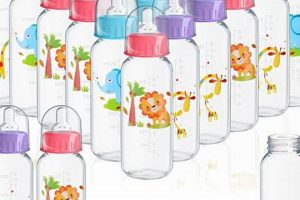
The process of cleaning infant feeding containers using automated dishwashing appliances is a common practice. This involves placing bottles, nipples, and related components within a dishwasher for sanitation and cleaning. The method leverages high-temperature water and detergent to remove milk residue and other contaminants.
Utilizing a dishwasher to clean baby bottles offers several advantages. It provides a higher level of sanitation compared to hand washing, potentially reducing the risk of bacterial contamination. The elevated water temperatures and specialized detergents effectively eliminate germs. Furthermore, it saves time and effort, particularly for parents with busy schedules. Historically, hand washing was the standard, but advancements in dishwasher technology and materials used in baby bottles have made dishwasher cleaning a viable and efficient alternative.
While dishwashing is generally acceptable, adherence to specific guidelines is crucial. The subsequent sections will address the proper preparation, dishwasher settings, and types of bottles suitable for automated cleaning, as well as precautions to ensure safety and longevity of the feeding equipment.
Dishwashing Baby Bottles
Optimizing the cleaning of infant feeding equipment in a dishwasher necessitates adherence to specific procedures. These guidelines ensure thorough sanitation and prolong the lifespan of the bottles and associated components.
Tip 1: Bottle Preparation is Paramount: Before placement in the dishwasher, thoroughly rinse all bottle parts to remove excess milk residue. Disassemble the bottle completely, separating the bottle, nipple, ring, and any other components.
Tip 2: Utilize the Top Rack: Position bottles and nipples on the top rack of the dishwasher. This area generally experiences lower temperatures and less intense water pressure, minimizing the risk of damage or deformation.
Tip 3: Secure Small Parts: Place smaller items, such as nipples and valves, in a dishwasher basket or mesh bag. This prevents them from falling through the racks and potentially melting on the heating element.
Tip 4: Select Appropriate Detergent: Employ a mild, fragrance-free detergent specifically formulated for baby items. Avoid detergents containing chlorine bleach or other harsh chemicals, as these can damage the bottles and potentially leave harmful residues.
Tip 5: High-Temperature Wash Cycle: Select a high-temperature wash cycle and a sanitizing cycle if available. These cycles ensure adequate disinfection of the bottles and components.
Tip 6: Thorough Drying is Essential: After the wash cycle, allow the bottles and components to air dry completely. Avoid using a dish towel, as it can introduce bacteria.
Tip 7: Regular Inspection is Advised: Routinely inspect bottles and nipples for any signs of damage, such as cracks, tears, or discoloration. Replace any compromised items immediately.
Following these guidelines contributes significantly to the safe and effective cleaning of baby bottles in a dishwasher, promoting infant health and well-being. The enhanced sanitation achieved through automated dishwashing surpasses manual cleaning methods, reducing the potential for harmful bacterial growth.
The succeeding sections will delve into potential issues and troubleshooting, along with concluding remarks on the overall process.
1. Material Compatibility

Material compatibility is a primary determinant in whether infant feeding bottles can be safely and effectively cleaned in a dishwasher. The materials used in the construction of bottles, nipples, and related components dictate their ability to withstand the high temperatures and detergents involved in the dishwashing process.
- Polypropylene Resilience
Polypropylene (PP) is a common plastic used in baby bottles due to its durability and heat resistance. PP bottles are generally dishwasher-safe and can withstand the high temperatures of a standard dishwasher cycle without significant degradation. This material is less prone to leaching chemicals compared to some alternatives, making it a suitable choice for dishwasher sanitation. However, repeated exposure to high heat can eventually lead to wear and tear.
- Silicone Nipple Integrity
Silicone nipples are also frequently used in baby bottles because of their flexibility and heat resistance. High-quality silicone can typically withstand dishwashing without significant damage. Lower-quality silicone, however, may degrade over time, potentially leading to tearing or changes in shape. Regular inspection of silicone nipples for signs of wear is essential, regardless of dishwasher use.
- Glass Bottle Considerations
Glass bottles are inherently dishwasher-safe due to their ability to withstand high temperatures. The primary concern with glass bottles is potential breakage during the dishwashing cycle. Ensuring proper placement to prevent collisions with other items in the dishwasher is crucial to avoid damage and maintain safety. Tempered glass offers increased resistance to thermal shock and breakage.
- BPA and Material Degradation
Older baby bottles, particularly those manufactured before the widespread adoption of BPA-free plastics, may contain materials that degrade when exposed to high temperatures. This degradation can release harmful chemicals into the bottle. It is advisable to avoid dishwashing older bottles of unknown material composition and to replace them with newer, BPA-free alternatives. Furthermore, even BPA-free plastics can degrade over time with repeated dishwashing, impacting their structural integrity.
The compatibility of materials with the dishwashing process directly affects the longevity and safety of baby bottles. Choosing bottles constructed from robust, heat-resistant materials such as polypropylene or glass, and regularly inspecting all components for signs of wear, are crucial steps in ensuring that dishwashing remains a safe and effective method for sanitizing infant feeding equipment.
2. Temperature Thresholds

The acceptable temperature range within a dishwasher is a critical factor in determining the suitability of cleaning infant feeding equipment via automated dishwashing. Exceeding the material-specific temperature threshold can lead to degradation, deformation, or the release of potentially harmful substances.
- Plastic Deformation and Melting Points
Different types of plastic used in baby bottles possess varying melting points. Polypropylene, a common material, exhibits a relatively high melting point and can generally withstand standard dishwasher temperatures. However, extended exposure to excessively high temperatures may still cause deformation. Other plastics, particularly older polycarbonate variants, have lower heat resistance and are more susceptible to melting or warping in a dishwasher.
- Silicone Nipple Degradation
Silicone nipples, while generally heat-resistant, can degrade at temperatures exceeding their specified tolerance. High dishwasher temperatures can cause the silicone to become brittle, tear, or leach chemicals. The specific temperature at which silicone degrades varies based on its quality and composition, necessitating adherence to manufacturer guidelines regarding dishwasher safety.
- Dishwasher Cycle Variations
Dishwasher cycles differ significantly in their maximum temperatures. Standard cycles typically reach temperatures sufficient for sanitization, but some high-temperature or sanitizing cycles may exceed the recommended limits for certain bottle materials. Selecting an appropriate cycle with a temperature range compatible with the bottle’s material is crucial to prevent damage.
- Thermal Shock in Glass Bottles
While glass is inherently heat-resistant, rapid temperature changes can induce thermal shock, leading to cracking or shattering. This is particularly relevant when removing hot glass bottles from a dishwasher and exposing them to cooler air. Allowing glass bottles to cool gradually within the dishwasher minimizes the risk of thermal shock.
Understanding and respecting the temperature thresholds of materials used in baby bottles is paramount when employing a dishwasher for cleaning. Careful selection of dishwasher cycles and awareness of potential thermal shock risks are essential to ensuring the safe and effective sanitation of infant feeding equipment.
3. Detergent Residue

The presence of detergent residue on infant feeding equipment following automated dishwashing is a potential concern requiring careful consideration. This residue, composed of surfactants, enzymes, and other cleaning agents, can remain adhered to bottle surfaces, especially in areas difficult to reach with water jets. The occurrence of such residue stems from incomplete rinsing during the dishwasher cycle, an overabundance of detergent used, or the physical properties of the bottle material itself, which may attract and retain detergent components.
The implications of detergent residue are primarily related to infant health. Ingestion of even trace amounts of certain detergent chemicals may cause gastrointestinal distress, allergic reactions, or other adverse health effects, especially in sensitive infants. Therefore, the selection of appropriate detergents becomes crucial. Mild, fragrance-free, and specifically formulated detergents designed for baby products can minimize the likelihood of harmful residue. An additional rinse cycle can provide further assurance of residue removal. Furthermore, specific bottle designs with fewer crevices and complex geometries are easier to clean effectively and reduce the likelihood of trapping detergent.
The connection between detergent residue and the practice of automated dishwashing for infant feeding equipment highlights a critical trade-off. While dishwashers offer effective sanitation through high temperatures, the potential for residue necessitates diligent attention to detergent selection, rinsing protocols, and bottle design. Understanding these interdependencies is essential for ensuring the safety and well-being of infants when employing dishwashers for cleaning purposes. The implementation of best practices, including the use of specialized detergents and thorough rinsing, can mitigate risks and promote hygienic feeding practices.
4. Disassembly Required
The necessity of disassembling infant feeding bottles prior to automated dishwashing is a crucial procedural step directly affecting sanitation efficacy and the prevention of equipment damage. Proper disassembly ensures comprehensive cleaning of all components, mitigating the risk of residual contamination and prolonging the lifespan of bottle parts.
- Eliminating Trapped Residue
Complete disassembly allows for the removal of trapped milk residue from areas inaccessible during assembled washing. The junctions between the bottle, nipple, ring, and valve components are prone to accumulating milk solids, which can foster bacterial growth if not thoroughly cleaned. Failure to disassemble leads to inadequate cleaning and potential contamination.
- Accessing Internal Components
Certain bottle designs incorporate internal components, such as venting systems or anti-colic valves. These components require separate cleaning to ensure the removal of milk and prevent blockages. Disassembly provides direct access for thorough cleaning, promoting optimal functionality and hygiene.
- Preventing Material Degradation
Dishwasher detergents and high temperatures can accelerate the degradation of certain materials, particularly when components are tightly joined. Disassembly reduces stress on individual parts, minimizing the risk of warping, cracking, or material breakdown. Separating components allows for even exposure to cleaning agents and heat, preventing localized damage.
- Ensuring Adequate Drying
Proper drying is essential to prevent bacterial growth after dishwashing. Disassembled components dry more quickly and thoroughly than assembled bottles, reducing the opportunity for moisture retention and subsequent microbial proliferation. Complete separation of parts promotes optimal airflow and evaporation.
The prerequisite of complete disassembly underscores the importance of meticulous preparation when utilizing dishwashers for cleaning infant feeding bottles. Adherence to this procedure directly impacts the effectiveness of the cleaning process and contributes significantly to maintaining a safe and hygienic feeding environment for infants.
5. Top Rack Placement

Top rack placement is a crucial consideration when utilizing a dishwasher to clean infant feeding equipment. The positioning of bottles and related components within the dishwasher significantly impacts the effectiveness and safety of the cleaning process.
- Temperature Mitigation
The upper rack of a dishwasher generally experiences lower temperatures than the lower rack, which is closer to the heating element. Lower temperatures reduce the risk of deformation or degradation of plastic bottles and silicone nipples, extending their lifespan. Exposing delicate components to excessive heat can compromise their structural integrity and potentially leach harmful chemicals.
- Reduced Water Pressure
Water pressure is often less intense on the top rack compared to the bottom. This reduces the likelihood of smaller items, such as nipples and valves, being dislodged or damaged by forceful water jets. Excessive water pressure can also force residue into crevices, hindering effective cleaning.
- Prevention of Melting
Placement on the top rack minimizes the risk of bottles and nipples falling onto the heating element located at the bottom of the dishwasher. Direct contact with the heating element can cause melting or severe damage, rendering the items unusable and potentially releasing hazardous fumes.
- Accessibility for Spray Arms
Proper placement on the top rack ensures adequate exposure to the spray arms, which distribute water and detergent. Overcrowding or improper arrangement can obstruct the spray arms, resulting in incomplete cleaning and sanitation. Ensuring unobstructed water flow is essential for removing milk residue and contaminants.
Therefore, adherence to top rack placement guidelines is essential for safeguarding the structural integrity of infant feeding equipment and optimizing the effectiveness of automated dishwashing. This practice minimizes the risks associated with high temperatures, water pressure, and direct contact with heating elements, contributing to a more hygienic feeding environment.
6. Sanitization Cycle
The sanitization cycle on a dishwasher represents a critical component of ensuring the hygienic cleaning of infant feeding bottles. This cycle employs elevated water temperatures, typically exceeding 150F (66C), for an extended period. The elevated temperature serves to eliminate a substantial portion of bacteria, viruses, and other microorganisms that may be present on the bottle surfaces after the initial washing phase. Failure to adequately sanitize feeding equipment can expose infants to harmful pathogens, potentially leading to gastrointestinal illnesses and other health complications. Many modern dishwashers include a dedicated sanitization cycle that meets specific NSF standards, ensuring a defined level of microbial reduction. The utilization of this cycle, when available, significantly enhances the effectiveness of automated dishwashing for infant feeding bottles. For instance, studies have demonstrated that sanitization cycles can reduce bacterial loads by several orders of magnitude compared to standard wash cycles.
Beyond the elevated temperature, sanitization cycles often incorporate adjustments to the rinsing process. This may involve extended rinsing times or the use of pulsed water jets to ensure thorough removal of detergent residue, which, if left on bottle surfaces, could pose a potential health risk to infants. The effectiveness of the sanitization cycle is contingent on several factors, including the initial cleanliness of the bottles, the type and concentration of detergent used, and the proper loading of the dishwasher. Overcrowding the dishwasher or using excessive detergent can impede the cycle’s ability to adequately sanitize the bottles. Therefore, adherence to manufacturer guidelines for both the dishwasher and the bottles is essential for optimal results. It’s also important to note that while a sanitization cycle significantly reduces the risk of contamination, it does not guarantee complete sterilization. For situations requiring sterilization-level cleanliness, such as for premature infants or those with compromised immune systems, alternative methods like boiling or steam sterilization may be necessary.
In conclusion, the sanitization cycle provides a valuable safeguard in the automated dishwashing of infant feeding bottles. By utilizing elevated temperatures and optimized rinsing protocols, this cycle significantly reduces the risk of microbial contamination. However, its effectiveness depends on proper usage, appropriate detergent selection, and adherence to manufacturer guidelines. While sanitization cycles offer a considerable improvement over standard wash cycles, it is essential to acknowledge that they do not provide sterilization-level cleanliness and that alternative methods may be necessary in specific circumstances. Integrating the sanitization cycle into a comprehensive cleaning regimen contributes significantly to maintaining a safe and hygienic feeding environment for infants.
Frequently Asked Questions
The following section addresses common inquiries regarding the practice of cleaning infant feeding bottles in a dishwasher, providing clarification and guidance to ensure safe and effective sanitation.
Question 1: Is it permissible to clean all types of baby bottles in a dishwasher?
The suitability of dishwashing depends primarily on the bottle material. Polypropylene and glass bottles are generally dishwasher-safe. However, certain older polycarbonate bottles may degrade with heat. Always consult the manufacturer’s instructions for specific guidance.
Question 2: What dishwasher settings are most appropriate for cleaning baby bottles?
A high-temperature wash cycle, combined with a sanitizing cycle if available, is recommended. This ensures adequate disinfection. Bottles should be placed on the top rack to avoid direct contact with the heating element and to mitigate excessive heat exposure.
Question 3: Is it necessary to pre-rinse baby bottles before placing them in the dishwasher?
Pre-rinsing is essential to remove excess milk residue. This prevents clogging of the dishwasher and ensures that all bottle surfaces are exposed to the cleaning agents.
Question 4: What type of detergent is recommended for dishwashing baby bottles?
A mild, fragrance-free detergent specifically formulated for baby items is recommended. Avoid detergents containing chlorine bleach or other harsh chemicals, as these can leave harmful residues.
Question 5: How can one ensure that no detergent residue remains on the bottles after dishwashing?
Utilizing an extra rinse cycle can help eliminate detergent residue. Additionally, thoroughly inspect bottles after washing to ensure no visible residue remains. Air-drying is preferable to using a towel, which may introduce contaminants.
Question 6: Are there any specific bottle components that should not be dishwashed?
While most bottle components are dishwasher-safe, some may require special attention. Small items, such as nipples and valves, should be placed in a dishwasher basket to prevent them from falling through the racks and melting. Always inspect all components for damage after washing.
Following these guidelines contributes significantly to the safe and effective cleaning of baby bottles in a dishwasher. Careful attention to material compatibility, appropriate settings, and proper detergent usage ensures optimal sanitation and minimizes potential risks.
The subsequent section will offer a concluding summary of the key considerations.
Dishwasher Use for Infant Feeding Equipment
The preceding analysis addressed the viability of using dishwashers for cleaning infant feeding bottles, emphasizing critical factors that impact safety and sanitation. Considerations include material compatibility, temperature thresholds, detergent residue, the necessity of bottle disassembly, appropriate rack placement, and the utilization of sanitization cycles. Adherence to these guidelines is paramount for effective cleaning and minimizing potential risks associated with bacterial contamination and material degradation.
The responsibility for ensuring the safe preparation of infant feeding equipment rests with caregivers. While dishwashers offer a convenient and potentially effective method for cleaning bottles, rigorous attention to detail and consistent application of recommended practices are indispensable. Ongoing research and evolving product standards necessitate continued vigilance and adaptation to best practices in infant feeding hygiene.