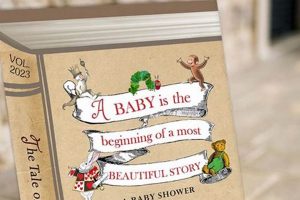
A literary celebration of new life, this event centers around children’s literature. The core concept involves incorporating books, characters, and stories into the party’s decorations, activities, and overall ambiance. For example, invitations might be designed as library cards, while centerpieces could consist of stacked books topped with baby-themed embellishments.
The significance of this thematic celebration extends beyond mere aesthetics. It cultivates an early appreciation for reading and learning, subtly introducing the concept of literacy to both the parents-to-be and their guests. Historically, using literature as a basis for celebrations has roots in valuing knowledge and sharing cultural narratives across generations, making this celebration a modern manifestation of that tradition.
The following sections will detail key aspects in planning such an event, including suitable decoration ideas, engaging activity suggestions, and thoughtful favor options, all while maintaining the core literary focus.
Planning a Literary Baby Celebration
Careful planning is essential to execute a successful event centered around literature. The following tips provide valuable insights for creating a memorable and cohesive celebration.
Tip 1: Select a Central Literary Theme: Instead of a general approach, focus on a specific book or author. This creates a more unified and impactful decorative and activity framework. For instance, choose “The Very Hungry Caterpillar” or the works of Beatrix Potter.
Tip 2: Curate a Meaningful Book Collection: Encourage guests to bring a copy of their favorite childhood book in lieu of a card. This builds a personalized library for the child and introduces a variety of literary styles and themes.
Tip 3: Integrate Literary-Inspired Decorations: Utilize pages from old books to create decorative elements such as banners, garlands, or table confetti. Consider using classic children’s book illustrations as wall art or signage.
Tip 4: Design Engaging Activities: Implement activities that align with the literary theme. A “guess the character” game, a book-themed mad libs, or a reading aloud session of a favorite story can engage guests of all ages.
Tip 5: Offer Thoughtful Favors: Extend the theme to the party favors. Small, literary-themed gifts such as miniature books, bookmarks, or customized pencils can serve as lasting reminders of the occasion.
Tip 6: Construct a Book-Themed Menu: Name food and drinks after characters or events in children’s books. This adds a playful element to the refreshment options. Examples include “Green Eggs and Ham” deviled eggs or “Madeline” macarons.
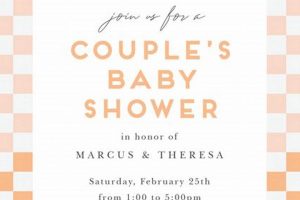
Tip 7: Customize Invitations: Design invitations to resemble classic book covers, library cards, or open books. Include details that subtly hint at the chosen literary theme.
These tips enable the seamless integration of literature into the celebratory event, creating a sophisticated and enriching experience for all attendees.
The concluding section will summarize the key elements of a successful literary baby celebration and provide final recommendations.
1. Literary Invitations
Literary invitations serve as the foundational element, establishing the thematic framework for this celebratory event. They function as the initial point of contact with potential attendees, signaling the intent and scope of the gathering. The design and wording of these invitations directly influence the recipient’s perception and expectations regarding the celebration’s atmosphere and planned activities. For example, an invitation designed to resemble a classic children’s book cover, such as “Where the Wild Things Are,” immediately conveys the event’s literary nature and inspires corresponding expectations for decorations and games. The absence of a well-executed literary invitation diminishes the overall impact of the thematic celebration, potentially leading to attendee confusion or a diluted sense of the overarching concept.
The effectiveness of literary invitations can be further enhanced through thoughtful customization. Incorporating specific quotes from relevant children’s literature, utilizing vintage library card aesthetics, or employing fonts and color palettes reminiscent of classic book illustrations are all effective methods. Furthermore, the inclusion of a request for guests to bring their favorite childhood book, instead of a traditional card, reinforces the event’s literary focus and contributes to the creation of a personalized library for the child. A real-world example involves a “Corduroy” themed event, where invitations were crafted to resemble the book’s cover, complete with a missing button detail; guests were then asked to bring a new button to sew onto a large, interactive Corduroy illustration at the party.
In summary, literary invitations are not merely functional communication tools; they are integral components of the entire celebration. Their design directly impacts the initial perception and overall success of the event. The challenge lies in creating invitations that are both visually appealing and thematically appropriate, thereby ensuring a cohesive and engaging experience for all participants. By meticulously crafting these initial touchpoints, event planners can establish a strong literary foundation, setting the stage for a memorable and meaningful celebration.
2. Character Decorations

Character decorations form a crucial visual element within a celebration centered around literature for a new baby. Their effective implementation directly correlates with the success of reinforcing the chosen thematic concept. The selection and accurate representation of characters from children’s literature contribute significantly to establishing an immersive and engaging environment. For example, displaying life-sized cutouts of characters from “Winnie the Pooh” immediately transports attendees into the Hundred Acre Wood, fostering a sense of nostalgia and creating a visually appealing backdrop for photographs. Conversely, poorly executed or inaccurate character representations can detract from the overall thematic coherence, leading to a diluted or confusing experience.
The impact of character decorations extends beyond mere aesthetics. These visual cues serve as conversation starters, prompting discussions about favorite books and characters, thus encouraging interaction among guests. Furthermore, strategically placed character decorations can guide the flow of the party, directing attendees to specific activity stations or refreshment areas. A real-world scenario involves using characters from “The Very Hungry Caterpillar” to delineate different food stations, with each station featuring food corresponding to the caterpillar’s consumption throughout the book. This not only enhances the visual appeal but also adds an interactive and educational element to the event. The choice of materials and construction methods is equally important. Using durable, child-safe materials ensures the decorations can withstand handling and potential interaction from young children, further enhancing the practicality and safety of the event.
In conclusion, character decorations are not simply ornamental additions; they are fundamental components that contribute significantly to the overall success of the event. Careful consideration of character selection, accurate representation, and appropriate materials is essential to create a visually appealing, engaging, and safe environment. Addressing the challenge of balancing thematic accuracy with practical considerations ensures a memorable and enriching experience for all attendees, solidifying the connection between the visual elements and the core literary theme.
3. Story-Driven Games

Story-driven games are integral to a successful literary-themed celebration for a forthcoming child. These activities, designed around narratives from childrens books, amplify the thematic resonance and engage attendees on a deeper level. The cause-and-effect relationship is direct: the integration of such games enhances participant engagement and strengthens the connection to the literary theme. Their absence risks a diluted thematic experience, reducing the event to a mere visual representation devoid of interactive elements. For instance, a “Guess the Character” game, using clues drawn directly from the book, tests guests’ familiarity with the literature and encourages collaborative problem-solving.
The practical significance of story-driven games lies in their ability to transcend generational gaps and involve individuals with varying degrees of familiarity with children’s literature. A “Book-Themed Pictionary” challenges artistic skills and literary knowledge, creating shared laughter and camaraderie. A scavenger hunt, where clues are lines from famous childrens books, encourages exploration and interaction with the venue. The implementation of a “Mad Libs” activity utilizing templates based on classic stories provides an opportunity for creative expression and generates humorous results. These examples illustrate how story-driven games contribute to a more dynamic and inclusive event.
In summary, story-driven games are not merely supplementary additions, but essential components that enrich the thematic experience of a literary baby celebration. Their careful selection and execution are crucial to achieving a dynamic and engaging atmosphere. The challenge lies in designing activities that are both entertaining and intellectually stimulating, ensuring they align seamlessly with the overall literary concept of the event.
4. Bookish Favors

Bookish favors serve as tangible extensions of the literary theme, providing guests with a lasting memento of the celebration. Their selection and presentation reinforce the event’s core concept, leaving a lasting impression of the thoughtful integration of literature into the welcoming of a new child.
- Miniature Books as Mementos
Small, aesthetically pleasing miniature books can serve as elegant and thematic favors. These can be actual functioning books or decorative items. Examples include abridged classics or blank journals with decorative covers. Their presence reinforces the literary theme and provides a keepsake that can be displayed or used.
- Bookmarks Customized with Event Details
Personalized bookmarks, imprinted with the baby’s name, the date of the celebration, or a relevant quote from children’s literature, offer a practical and memorable gift. These can be crafted from various materials, such as cardstock, leather, or metal, further enhancing their perceived value and appeal.
- Seed Packets with Story-Related Themes
Seed packets, branded with a story relevant to the celebration, present a symbolic representation of growth and new beginnings. Selecting a plant mentioned in a children’s book, such as the seeds for the sunflowers in “Katie and the Sunflowers,” reinforces the theme and provides a tangible connection to nature.
- Themed Stationery Sets
Small stationery sets, including pencils, erasers, and notepads featuring characters or illustrations from children’s books, offer a functional and engaging favor option. These encourage creativity and literacy, aligning with the educational aspect often associated with the chosen theme.
The careful consideration of bookish favors elevates the celebratory event beyond a mere gathering, transforming it into a cohesive and memorable experience. Each favor serves as a subtle reminder of the value of literature and the anticipation of new beginnings, solidifying the link between the celebration and the enduring power of stories.
5. Themed Cuisine
Themed cuisine represents a deliberate alignment of food and beverage offerings with the overarching narrative concept of a literary celebration for a new child. Its successful integration serves to enhance the immersive experience and strengthen the connection to literature for attendees.
- Character-Inspired Dishes
Culinary creations that visually or conceptually embody characters from children’s literature provide a direct link to the source material. An example includes “Green Eggs and Ham” deviled eggs, referencing the Dr. Seuss classic, or “Madeline” macarons, echoing the French setting of the Ludwig Bemelmans series. Such dishes contribute to a playful atmosphere and spark conversation among guests.
- Story-Related Food Stations
Organizing food service around specific scenes or plot points from a chosen book offers an interactive dining experience. If the theme involves “The Very Hungry Caterpillar,” distinct stations can represent the foods consumed by the caterpillar, progressing from healthy fruits to indulgent sweets. This structured approach provides a narrative arc within the refreshments, engaging attendees beyond mere sustenance.
- Literary-Named Beverages
Assigning names to beverages that align with the chosen literature provides a subtle yet effective thematic element. Offering a “Winnie the Pooh Honey Lemonade” or a “Peter Rabbit Carrot Juice” integrates the theme directly into the refreshment options. This reinforces the overall concept without requiring complex culinary execution.
- Visually Themed Presentation
The presentation of food, regardless of its specific ingredients, can reinforce the literary theme through visual cues. Using book-shaped platters, serving food on pages from old books (protected by food-safe barriers), or employing character-themed cake toppers contributes to the immersive environment. This aesthetic approach enhances the visual appeal and strengthens the thematic connection.
In conclusion, themed cuisine in a literary celebration for a new child extends beyond mere refreshment; it transforms food and beverages into integral components of the immersive experience. The strategic use of character-inspired dishes, story-related food stations, literary-named beverages, and visually themed presentations all contribute to a cohesive and memorable event.
Frequently Asked Questions
This section addresses common inquiries regarding the planning and execution of a celebration centered around literature for a forthcoming child. The responses aim to provide clarity and guidance for creating a cohesive and meaningful event.
Question 1: How does one select an appropriate book theme?
Theme selection should align with the parents’ preferences and the intended tone of the celebration. Consider classic children’s literature, books with positive messages, or stories that hold personal significance for the family. A singular, well-defined theme ensures consistency across all event elements.
Question 2: What are some alternatives to traditional baby shower games within a literary theme?
Consider “Guess the Character” using excerpts from books, a literary-themed scavenger hunt with clues drawn from children’s stories, or a “Mad Libs” activity based on a popular children’s book template. These activities maintain engagement while adhering to the overarching theme.
Question 3: How can one ensure the decorations remain sophisticated rather than childish?
Employ muted color palettes, incorporate vintage book illustrations, and utilize literary quotes as decorative elements. Avoid overtly cartoonish representations and focus on creating a visually appealing and elegant ambiance that respects the literary theme.
Question 4: What are some budget-friendly options for book theme favors?
Consider personalized bookmarks with the baby’s name and a relevant quote, miniature seed packets representing a story-related theme, or DIY stationery sets featuring hand-drawn illustrations. These options provide a thoughtful and thematic gift without significant expense.
Question 5: How does one incorporate the literary theme into the food and beverage offerings?
Name food items after characters or settings from the chosen book, create food stations inspired by plot points, or use visually themed presentations with book-shaped platters. These tactics subtly reinforce the literary theme throughout the event.
Question 6: Is it necessary to adhere strictly to a single book, or can a combination of literary elements be used?
While a single, well-defined theme promotes cohesion, incorporating elements from multiple related books or authors is acceptable, provided it is done tastefully and avoids creating a disjointed experience. Focus on maintaining a consistent tone and aesthetic throughout the event.
In summary, successful execution of a literary celebration for a new child relies on thoughtful planning, attention to detail, and a commitment to maintaining a cohesive thematic experience across all aspects of the event.
The following section offers concluding remarks and recommendations.
Conclusion
This exploration has elucidated the multifaceted nature of the book theme baby shower. From the initial selection of a unifying literary work to the meticulous crafting of invitations, decorations, activities, favors, and cuisine, the success of this celebration hinges on a commitment to thematic integrity. The integration of literature serves not merely as a superficial aesthetic choice but as a means of fostering a deeper appreciation for storytelling and intellectual engagement.
As the world prepares to welcome new generations, the emphasis on early exposure to literature remains paramount. The book theme baby shower presents a valuable opportunity to instill a lifelong love of reading and learning, laying a foundation for intellectual curiosity and creative expression in the years to come. The commitment to thoughtfully planned and executed events that champion literacy will undoubtedly contribute to a more informed and imaginative future.