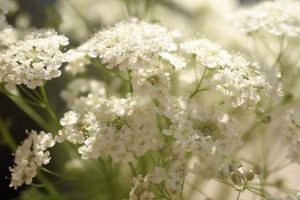
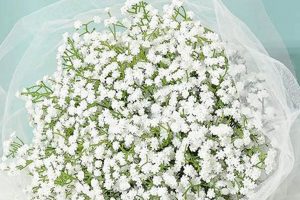
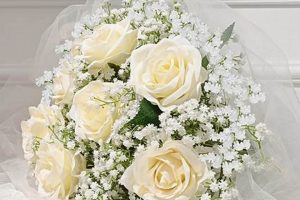
Arrangements featuring delicate, cloud-like blooms of Gypsophila paniculata displayed within a supportive vessel are a common sight in both domestic and commercial settings. These arrangements, often characterized by their simplicity and ethereal aesthetic, can range from a single stem in a bud vase to voluminous displays incorporating numerous sprigs. The contrasting elements of the fragile floral texture against the solid form of the container create a visually appealing focal point.
The enduring popularity of such floral presentations stems from their versatility and understated elegance. They offer a cost-effective way to add a touch of sophistication to any room and complement a wide range of interior design styles, from minimalist to bohemian. Historically, the inclusion of these tiny white flowers has symbolized purity and innocence, frequently utilized in weddings and other celebratory events. The neutral color palette allows seamless integration with existing dcor.
Subsequent sections will delve into various aspects related to crafting and maintaining these arrangements. Topics to be covered include selecting appropriate container styles, optimal care practices to prolong freshness, and creative approaches to augment visual impact using complementary floral elements and design techniques. Considerations for sourcing sustainable and ethically produced floral materials will also be addressed.
Arranging and Maintaining Gypsophila paniculata in Vases
The following provides practical guidance for maximizing the aesthetic appeal and longevity of floral displays featuring Gypsophila paniculata within a vase.
Tip 1: Select an Appropriately Sized Vase: The dimensions of the vase should complement the scale of the floral arrangement. A tall, slender vase is suitable for a minimalist display with a few stems, while a wider, shorter vase is better suited for a more voluminous arrangement.
Tip 2: Trim Stems Properly: Before placing stems in the vase, recut them at a 45-degree angle. This increases the surface area for water absorption, promoting hydration and extending the life of the blooms. Removal of any foliage below the waterline is also recommended to prevent bacterial growth.
Tip 3: Utilize Floral Preservative: The addition of commercially available floral preservative to the vase water provides essential nutrients and inhibits bacterial growth, contributing to improved hydration and overall freshness. Adhere to the manufacturer’s instructions regarding dosage.
Tip 4: Change Water Regularly: Refresh the vase water every one to two days. This removes bacteria and debris that can clog stem vessels and impede water uptake. Simultaneously, re-trim the stems by a small amount to further enhance hydration.
Tip 5: Avoid Direct Sunlight and Heat: Prolonged exposure to direct sunlight or heat accelerates wilting. Position the vase in a cool, shaded location to minimize water loss through transpiration and extend the vase life.
Tip 6: Remove Faded Blooms: Regularly inspect the arrangement and remove any blooms that show signs of wilting or discoloration. This prevents the spread of ethylene gas, a natural plant hormone that accelerates the aging process in remaining flowers.
Tip 7: Consider Water Quality: Using filtered water can improve the longevity of the arrangement, as tap water often contains chlorine and other chemicals that can be detrimental to floral health. Allow tap water to sit for several hours before use, enabling chlorine to dissipate.
Consistent adherence to these recommendations will result in a visually pleasing and long-lasting display, maximizing the value and enjoyment derived from arrangements featuring Gypsophila paniculata in vases.
The following section provides insights on how to choose the right stems by “baby’s breath in vase.”
1. Stem preparation

Effective stem preparation is integral to the sustained visual appeal and longevity of floral arrangements featuring Gypsophila paniculata displayed in vases. Improper preparation compromises the flower’s ability to absorb water, leading to premature wilting and diminished aesthetic quality. This process establishes a foundational element that directly influences the overall success of the arrangement.
Specifically, cutting stems at a 45-degree angle significantly increases the surface area available for water uptake. Removing foliage below the waterline prevents bacterial contamination, which can obstruct the xylem vessels responsible for transporting water to the blooms. Without these preparatory steps, the flowers become deprived of essential hydration, regardless of the quality of the water or the addition of floral preservatives. As an example, an arrangement where stems are cut straight across and submerged leaves are left intact will invariably deteriorate more rapidly than one that has undergone proper preparation, irrespective of other factors.
In summary, stem preparation is a critical, often underestimated, component of maintaining vibrant and long-lasting Gypsophila paniculata arrangements in vases. Neglecting this initial step renders subsequent efforts to prolong freshness largely ineffective. A thorough understanding of stem preparation’s impact is essential for maximizing the lifespan and visual impact of the floral display.
2. Vase Selection

Appropriate container selection is a pivotal factor determining both the aesthetic appeal and the longevity of arrangements featuring Gypsophila paniculata. The chosen vessel acts not merely as a holder but as an integral design element that either complements or detracts from the inherent qualities of the floral display. Thoughtful consideration of several variables is paramount.
- Scale and Proportion
The relative size of the vase to the floral arrangement is crucial for visual harmony. A diminutive bud vase, for instance, suits a single sprig, whereas a larger, more voluminous arrangement necessitates a sturdier, wider-mouthed container to provide adequate support and prevent toppling. Imbalance in scale can result in an unappealing and unstable display.
- Material and Style
The material and style of the vase influence the overall aesthetic. Clear glass vases offer an unobstructed view of the stems and water level, facilitating monitoring and maintenance. Ceramic or opaque vases conceal the stems, focusing attention solely on the blooms. The style, ranging from modern minimalist to ornate vintage, should complement the interior dcor and the intended mood of the arrangement.
- Neck Opening and Support
The diameter of the vase’s neck opening affects the arrangement’s form and stability. A narrow opening constrains the stems, promoting a tighter, more compact arrangement, while a wider opening allows for greater freedom and a more natural, cascading display. The vase should provide adequate support to prevent stems from splaying outward or drooping prematurely.
- Water Capacity and Stability
Sufficient water capacity is essential for maintaining hydration and extending the vase life. A vase with an inadequate water reservoir necessitates more frequent refills, potentially disrupting the arrangement. The vase’s base should be sufficiently wide and stable to prevent accidental tipping, particularly with larger, heavier arrangements.
In summation, the selection of an appropriate vase involves a nuanced evaluation of scale, style, functionality, and stability. Prioritizing these factors ensures that the chosen vessel enhances the visual appeal of the Gypsophila paniculata arrangement while simultaneously promoting its sustained freshness and structural integrity. A poorly chosen vase compromises even the most carefully arranged display.
3. Water Quality

The quality of water utilized in vases holding Gypsophila paniculata directly impacts the health, longevity, and aesthetic appeal of the floral arrangement. Water serves as the primary source of hydration and nutrients for the cut stems, and its composition significantly influences the flower’s ability to absorb and utilize these essential elements.
- Presence of Microorganisms
Tap water frequently harbors bacteria, fungi, and other microorganisms. These organisms proliferate within the vase, forming blockages in the stem’s vascular tissues, impeding water uptake. This results in wilting, discoloration, and premature decay. Using distilled or filtered water minimizes microbial contamination. Regularly changing the water and adding a floral preservative containing a bactericide further inhibits microbial growth.
- pH Level
The pH level of the water affects the flower’s ability to absorb water and nutrients. Gypsophila paniculata benefits from slightly acidic water (pH 3.5 – 4.5). Tap water often has a higher, more alkaline pH. Adding a floral preservative, which typically contains an acidifier, helps to lower the pH to an optimal level, facilitating improved hydration. Testing the water pH and adjusting accordingly is advisable.
- Mineral Content
Excessive mineral content in tap water, particularly calcium and magnesium, can contribute to the formation of deposits that clog the stem’s water-conducting tissues. Over time, these deposits reduce the flower’s capacity to absorb water, leading to dehydration. Softened water, while lower in calcium and magnesium, often contains high levels of sodium, which can also be detrimental. Filtered or distilled water offers a more balanced mineral profile, minimizing the risk of mineral-related blockages.
- Temperature
Water temperature influences the rate of water uptake and the metabolic activity of the flowers. Cold water slows down metabolic processes and reduces water loss through transpiration. Conversely, warm water accelerates these processes, potentially leading to faster wilting. Using cool, not cold, water helps maintain a balance between hydration and metabolic activity, prolonging the vase life.
In conclusion, optimizing water quality is crucial for preserving the freshness and beauty of Gypsophila paniculata in vase arrangements. Addressing factors such as microbial contamination, pH level, mineral content, and temperature ensures that the flowers receive the necessary hydration and nutrients for sustained vitality. Implementing appropriate water management practices significantly extends the lifespan and enhances the visual appeal of these delicate floral displays.
4. Floral food
Floral food plays a pivotal role in sustaining the vitality and extending the vase life of Gypsophila paniculata arrangements. Its composition addresses critical factors that limit the longevity of cut flowers, directly impacting their hydration, nutrition, and susceptibility to microbial degradation. The integration of floral food represents a scientifically grounded approach to mitigating the natural decline of cut stems, thereby preserving the aesthetic qualities of these arrangements.
Specifically, floral food typically comprises three key components: a carbohydrate source (e.g., sucrose), an acidifier (e.g., citric acid), and a bactericide (e.g., chlorine or silver compounds). The carbohydrate provides essential energy to the flower, compensating for the cessation of photosynthesis. The acidifier lowers the water’s pH, enhancing water uptake and inhibiting microbial growth. The bactericide combats the proliferation of harmful microorganisms that can block the vascular tissues, impeding water absorption. Without floral food, cut Gypsophila paniculata quickly depletes its energy reserves, becomes susceptible to bacterial contamination, and experiences reduced water uptake, resulting in wilting, discoloration, and premature decay. For example, in controlled experiments, Gypsophila paniculata stems placed in plain water exhibit a significantly shorter vase life compared to stems treated with a commercially available floral food solution.
In conclusion, the application of floral food represents a fundamental best practice for maintaining vibrant and long-lasting Gypsophila paniculata arrangements in vases. Its multifaceted action, addressing energy depletion, pH imbalance, and microbial proliferation, directly translates to improved hydration, enhanced visual appeal, and extended vase life. The use of floral food transforms the care of cut flowers from a passive act of providing water to an active intervention that promotes their well-being. Adherence to this practice maximizes the investment in floral displays, ensuring prolonged enjoyment of their aesthetic qualities.
5. Placement environment

The surrounding environment exerts a significant influence on the longevity and aesthetic presentation of Gypsophila paniculata in vase arrangements. Factors such as light exposure, temperature, humidity, and proximity to ethylene-producing sources directly impact the rate of senescence and overall visual appeal. Strategic placement is, therefore, a critical component of effective care.
- Light Exposure
Direct sunlight accelerates the wilting process in Gypsophila paniculata. Intense solar radiation increases transpiration rates, leading to rapid dehydration and diminished bloom turgidity. Conversely, insufficient light can result in etiolation, characterized by elongated stems and pale foliage. The ideal placement provides indirect, diffused light, mimicking the conditions of a partially shaded outdoor environment. Examples include locations away from south-facing windows or utilizing sheer curtains to filter harsh sunlight. This nuanced approach to light management helps preserve the delicate blooms.
- Temperature
Elevated temperatures hasten the metabolic activity of cut flowers, accelerating the depletion of stored carbohydrates and shortening vase life. High temperatures also increase the rate of water loss through transpiration. Conversely, excessively low temperatures can cause chilling injury, resulting in discoloration and tissue damage. The optimal temperature range for Gypsophila paniculata arrangements is between 18C and 22C (64F and 72F). Avoiding placement near heat sources, such as radiators or direct sunlight, and choosing cooler locations within the home or office will contribute to enhanced longevity.
- Humidity
Low humidity environments exacerbate water loss from Gypsophila paniculata blooms, leading to dehydration and premature wilting. Increasing ambient humidity levels can help mitigate this effect. Strategies for raising humidity include using a humidifier in the vicinity of the arrangement, grouping the arrangement with other plants to create a microclimate of higher humidity, or occasionally misting the foliage with water. However, excessive misting can promote fungal growth; therefore, moderation is essential.
- Ethylene Exposure
Ethylene is a natural plant hormone that promotes ripening and senescence in flowers. Certain fruits and vegetables, such as apples, bananas, and tomatoes, release significant amounts of ethylene gas. Proximity to these ethylene-producing sources accelerates the aging process in Gypsophila paniculata, leading to rapid wilting and petal drop. Therefore, avoid placing these arrangements near ripening fruits or vegetables. Additionally, damaged or decaying plant material also releases ethylene; promptly remove any wilted or discolored blooms from the arrangement to minimize ethylene exposure.
In summary, careful consideration of the surrounding environment is paramount for maximizing the vase life and aesthetic quality of Gypsophila paniculata arrangements. By mitigating the detrimental effects of excessive light, temperature fluctuations, low humidity, and ethylene exposure, the longevity and visual appeal of these delicate floral displays can be significantly enhanced. Strategic placement represents a proactive approach to preserving the beauty of these arrangements.
6. Arrangement Style

Arrangement style dictates the ultimate aesthetic impact and functional suitability of Gypsophila paniculata within a vase. The chosen style transcends mere placement, acting as a framework that guides stem selection, vase choice, and overall visual narrative.
- Minimalist Style
Characterized by spareness and simplicity, the minimalist approach emphasizes the inherent delicacy of Gypsophila. A single stem or a small cluster may be placed in a slender bud vase, accentuating the airy texture and understated elegance of the blooms. This style finds application in modern, uncluttered spaces, where it provides a subtle touch of natural beauty without overwhelming the environment. Examples include reception desks, bedside tables, or areas requiring a restrained aesthetic. It speaks to thoughtful simplicity.
- Voluminous Style
Conversely, the voluminous style utilizes a large quantity of Gypsophila to create a cloud-like effect. Multiple stems are arranged in a wider vase, forming a dense, overflowing display that commands attention. This approach suits celebratory events, such as weddings or anniversaries, where the abundance of blooms symbolizes joy and prosperity. Examples include centerpieces for tables or focal points in larger rooms. The stems add a feeling of fullness and opulence.
- Mixed Floral Style
Gypsophila paniculata frequently serves as a complementary element in mixed floral arrangements, lending texture and lightness to more substantial blooms. Its delicate structure contrasts effectively with bolder flowers, such as roses, lilies, or carnations, creating visual interest and depth. This style is versatile and adaptable, suitable for various occasions and settings. Examples include bridal bouquets, table arrangements, or sympathy displays. The mix allows Gypsophila to serve as a gentle foil.
- Cascading Style
The cascading style showcases Gypsophila‘s inherent grace and flexibility. Stems are arranged to spill gracefully over the edge of the vase, creating a flowing, naturalistic effect. This approach is particularly effective in elevated displays or arrangements designed to adorn ledges or shelves. The stems enhance visual movement, creating a sense of organic growth and natural beauty. An example involves hanging arrangements, where the baby’s breath flows downward.
These diverse arrangement styles underscore the adaptability of Gypsophila paniculata in vase displays. Whether employed as a solitary statement or a supporting element, careful consideration of the intended aesthetic and functional requirements enables the creation of visually compelling and emotionally resonant floral arrangements.
Frequently Asked Questions
The following addresses prevalent inquiries and misconceptions regarding the care, maintenance, and handling of arrangements featuring Gypsophila paniculata displayed in vases.
Question 1: What is the optimal method for preventing clouding of the water in Gypsophila vase arrangements?
Clouding typically indicates bacterial proliferation. Employing distilled or filtered water mitigates initial contamination. Regular water changes (every 1-2 days), coupled with the use of a floral preservative containing a bactericide, effectively controls microbial growth. Removal of submerged foliage is also crucial.
Question 2: Is it necessary to recut Gypsophila stems under water?
While recutting under water (underwater cutting) is beneficial for preventing air embolism, which blocks water uptake, it is not strictly necessary. Recutting at a 45-degree angle in air, followed by immediate placement in water, is a viable alternative if performed swiftly.
Question 3: How can the vase life of Gypsophila arrangements be extended beyond one week?
Extended vase life hinges on consistent adherence to optimal care practices. This includes utilizing floral preservative, regular water changes, avoiding direct sunlight and heat, and maintaining appropriate humidity levels. Selecting freshly cut stems from a reputable source is equally important.
Question 4: Is it advisable to mist Gypsophila blooms to maintain freshness?
While misting can temporarily increase humidity and refresh the blooms, excessive misting promotes fungal growth, potentially leading to botrytis blight. If misting, do so sparingly and ensure adequate ventilation.
Question 5: Can Gypsophila be rehydrated if it begins to wilt?
Rehydration efforts are often successful if initiated promptly. Recutting the stems at a sharp angle and placing them in a solution of warm water and floral preservative can facilitate water uptake. Covering the entire arrangement with a plastic bag for several hours can also help increase humidity and promote rehydration.
Question 6: What are the signs of ethylene damage in Gypsophila arrangements, and how can it be prevented?
Ethylene damage manifests as premature wilting, petal drop, and yellowing of foliage. Preventing exposure involves avoiding proximity to ripening fruits, vegetables, and decaying plant matter. Prompt removal of any wilted blooms from the arrangement is also crucial.
In summary, the successful maintenance of Gypsophila paniculata arrangements demands meticulous attention to detail and consistent application of best practices. Addressing factors such as water quality, stem preparation, environmental conditions, and ethylene exposure ensures prolonged enjoyment of these delicate floral displays.
The following provides insights on ethical considerations regarding “baby’s breath in vase.”
Ethical and Sustainability Considerations
The procurement and utilization of Gypsophila paniculata in vase arrangements warrant careful attention to ethical and environmental implications. Sourcing from responsible growers who prioritize sustainable agricultural practices minimizes the environmental footprint associated with cultivation. Supporting local floral businesses reduces transportation-related carbon emissions. Consideration should be given to avoiding the use of chemically intensive farming methods, opting instead for sources that employ integrated pest management and water conservation techniques.
The environmental impact extends beyond cultivation. The use of single-use plastics in packaging and floral foam in arrangements contributes to pollution and resource depletion. Opting for reusable vases, biodegradable floral foam alternatives, and minimal packaging reduces the overall environmental burden. Responsible disposal of floral waste through composting further minimizes the environmental footprint. Selecting Gypsophila paniculata arrangements with an awareness of their ethical and environmental implications promotes responsible consumption and supports sustainable practices within the floral industry.