Garments designed for infants and young children that offer protection from the sun’s ultraviolet (UV) radiation constitute a specialized apparel category. These items are typically manufactured using fabrics that have been tested and rated according to their Ultraviolet Protection Factor (UPF). A common example includes a long-sleeved rash guard worn during water activities to shield delicate skin from harmful sun exposure.
The significance of shielding infants and toddlers from solar radiation stems from their heightened vulnerability to sun damage. Young skin contains less melanin, the pigment that provides natural sun defense. Extended exposure can lead to sunburn, increasing the lifetime risk of skin cancer. These protective textiles provide a reliable barrier, complementing other sun safety measures, such as sunscreen application and seeking shade. Historically, parents relied solely on topical sunscreens, but the advent of specialized fabrics has provided an additional, proactive layer of defense.
This discussion will delve into the various types of protective apparel available, the factors to consider when selecting appropriate items for infants, and the guidelines for proper care and maintenance to ensure sustained effectiveness. Furthermore, regulatory standards and certifications within the textile industry concerning ultraviolet protection will be examined.
Selecting Protective Apparel for Infants
Choosing effective sun-protective attire for infants requires careful consideration of several key factors. Prioritizing appropriate fabric, fit, and care ensures optimal protection and comfort.
Tip 1: Fabric Composition is Paramount: Opt for tightly woven fabrics, as they inherently offer greater ultraviolet radiation blockage. Materials such as polyester, nylon, and blends specifically designed for sun protection are preferred.
Tip 2: Assess the Ultraviolet Protection Factor (UPF): Select items with a UPF rating of 30 or higher. A rating of 50+ provides excellent protection, blocking 98% of UV rays. Verify that the rating applies to both wet and dry conditions, if applicable.
Tip 3: Prioritize Coverage: Garments that offer comprehensive coverage, such as long sleeves, high necklines, and extended leg lengths, minimize exposed skin. Consider accessories like wide-brimmed hats and specialized swimwear with built-in protection.
Tip 4: Ensure a Comfortable and Appropriate Fit: Loose-fitting clothing provides better protection than tightly stretched fabrics. However, avoid excessively baggy garments that may pose a safety hazard. Ensure the item allows for unrestricted movement and comfort in varying weather conditions.
Tip 5: Check for Certification: Look for certifications from reputable organizations that verify UPF ratings and fabric safety. These certifications provide an assurance of the product’s efficacy and quality.
Tip 6: Consider Color: Darker colors generally absorb more UV radiation than lighter shades. While not the sole determinant, darker garments may offer slightly enhanced protection.
Tip 7: Maintain Proper Care: Adhere strictly to the manufacturer’s care instructions. Frequent washing and wear can degrade the protective properties of some fabrics. Avoid harsh detergents and bleach, which may damage the fibers.
Selecting high-quality, properly fitted, and well-maintained sun-protective attire is crucial for safeguarding infants from the detrimental effects of solar radiation. Complementing these garments with other sun safety practices maximizes protection.
The subsequent section will address the regulatory environment surrounding ultraviolet protection in textiles and provide guidance on identifying reliable product certifications.
1. Fabric Ultraviolet Protection Factor

The Fabric Ultraviolet Protection Factor (UPF) is the cornerstone of effective sun protection in infant apparel. It quantifies a fabric’s ability to block ultraviolet radiation, directly impacting the degree to which delicate skin is shielded from harmful solar rays. Understanding UPF is essential when selecting garments intended to mitigate sun exposure risks for infants.
- UPF Rating Scale and Interpretation
UPF ratings range from 15 to 50+, indicating the fraction of UV rays that penetrate the fabric. A UPF of 30 allows approximately 3.3% of UV rays to pass through, while a UPF of 50+ allows less than 2%. For infant apparel, a UPF of 50+ is generally recommended, providing the highest level of protection against both UVA and UVB radiation. Choosing apparel with this rating minimizes the risk of sunburn and long-term skin damage.
- Fabric Composition and Weave Density
The material composition and weave density significantly influence a fabric’s UPF. Tightly woven fabrics made from synthetic materials like polyester or nylon inherently offer better UV protection compared to loosely woven, lightweight cotton. Some fabrics are treated with UV-absorbing chemicals to enhance their UPF. The interplay between material type and weave construction determines the overall protective capability.
- Impact of Wetness and Stretching
The UPF of some fabrics can be reduced when wet or stretched. It’s crucial to select garments that maintain their UPF rating under these conditions, particularly for swimwear or apparel intended for use during water activities. Some manufacturers specify the UPF rating for both dry and wet states, allowing for informed decision-making. Stretching the fabric can loosen the weave and increase UV penetration, thus diminishing the protective factor.
- Certification and Testing Standards
Reputable sun-protective clothing brands adhere to established testing standards, such as those defined by ASTM International or the Australian/New Zealand Standard AS/NZS 4399. These standards ensure that the UPF ratings are accurate and reliable. Look for certifications from recognized organizations as a validation of the garment’s protective capabilities. Such certifications provide assurance that the product has undergone rigorous testing and meets specified performance criteria.
The Fabric Ultraviolet Protection Factor is a critical metric for evaluating the effectiveness of protective garments for infants. Selecting items with high UPF ratings, appropriate fabric composition, and reliable certifications ensures optimal safeguarding against the sun’s harmful rays. This, combined with other sun-safety measures, contributes to the overall well-being and long-term skin health of infants.
2. Coverage Area Maximization

Effective sun protection for infants through specialized apparel necessitates a primary focus on coverage area maximization. The extent to which a garment shields an infant’s skin directly correlates with its protective efficacy against ultraviolet radiation. Strategic design and construction are paramount in minimizing exposed areas and mitigating the risk of sun damage.
- Full Body Suits and Extended Sleeves
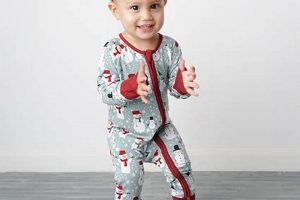
Full body suits offer comprehensive protection, encasing the torso, limbs, and often the neck. Extended sleeves, particularly those incorporating thumbholes, provide coverage down to the hands, an area frequently overlooked. Examples include zippered one-piece garments used during outdoor playtime. The implication is a reduced reliance on topical sunscreens for these covered regions, simplifying sun protection strategies.
- Neck Protection and High Collars
The nape of the neck is highly susceptible to sun exposure and is often difficult to adequately protect with sunscreen alone. Garments with high collars or integrated neck flaps provide a physical barrier. Examples include rash guards with extended collars or sun hats with fabric that drapes down the back of the neck. This facet reduces the risk of sunburn in a sensitive area, preventing discomfort and potential long-term damage.
- Leg Coverage and Foot Protection
Similarly, the legs and feet are often exposed during outdoor activities. Long pants or leggings constructed from UPF-rated fabric offer protection for the lower extremities. Some garments include integrated foot coverings or stirrups to prevent the fabric from riding up. These features safeguard against sunburn on the legs and feet, particularly during water-based activities or when wearing open-toed shoes.
- Hoods and Integrated Head Protection
The scalp and ears are vulnerable to sun exposure and require specialized protection. Garments featuring hoods or integrated head coverings provide a reliable barrier against UV radiation. Examples include sunsuits with attached hoods or swim shirts with built-in head coverings. This feature minimizes the need for sunscreen application on the scalp, which can be challenging and often leads to inadequate coverage.
The principles of coverage area maximization underscore the importance of selecting sun-protective garments that offer comprehensive shielding. By minimizing exposed skin, these items significantly reduce the risk of sunburn and long-term sun damage in infants. The thoughtful integration of features such as extended sleeves, high collars, full leg coverage, and hoods contributes to a more effective and reliable sun protection strategy.
3. Material Breathability

Material breathability is a critical consideration in the design and selection of sun-protective clothing for infants. While ultraviolet protection is paramount, the garment’s capacity to allow moisture vapor transmission directly influences comfort and reduces the risk of overheating, a significant concern for young children.
- Wicking Properties and Moisture Management
Fabrics with wicking properties actively draw moisture away from the skin, facilitating evaporation and promoting a cooling effect. Materials such as polyester microfibers and merino wool are frequently employed for their inherent wicking capabilities. In the context of garments, this translates to reduced skin clamminess during warm weather, thereby minimizing discomfort and potential skin irritation caused by trapped perspiration. Examples include athletic-style rash guards that maintain a dry feel even during strenuous activity.
- Air Permeability and Ventilation
Air permeability refers to a fabric’s ability to allow air to pass through its structure. Open-weave constructions and the incorporation of mesh panels enhance ventilation, facilitating the dissipation of body heat. Garments designed with strategic mesh inserts in areas prone to heat buildup, such as the underarms or back, exemplify this principle. The implication is a more comfortable experience for the infant, reducing the risk of heat rash or heatstroke during extended periods of outdoor exposure.
- Fiber Structure and Composition
The inherent properties of different fibers contribute to overall breathability. Natural fibers like cotton, while absorbent, tend to retain moisture, potentially leading to discomfort. Synthetic fibers, engineered for breathability, often feature unique cross-sectional shapes that promote air circulation. The selection of appropriate fiber blends, combining the benefits of natural and synthetic materials, can optimize both comfort and protective performance in garments.
- Impact on Skin Health
Inadequate breathability can create a microclimate of elevated temperature and humidity next to the skin, fostering an environment conducive to bacterial growth and skin irritation. Garments lacking sufficient ventilation may exacerbate conditions like eczema or heat rash. The use of breathable materials, coupled with appropriate garment design, minimizes these risks, promoting healthier skin and enhanced comfort for infants.
The integration of breathable materials into infant sun-protective clothing is essential for maintaining comfort and preventing heat-related complications. Prioritizing wicking properties, air permeability, and appropriate fiber selection ensures that garments effectively shield against ultraviolet radiation without compromising thermal regulation or skin health.
4. Comfortable Fit

A comfortable fit is not merely a matter of preference but a critical factor influencing the effectiveness and practicality of sun-protective clothing for infants. Garments that are ill-fitting can compromise protection, impede movement, and lead to discomfort, thereby reducing their utility. The following explores the facets of comfortable fit in relation to infant UPF clothing.
- Appropriate Sizing and Range of Motion
Accurate sizing is paramount. Clothing that is too tight can restrict movement, causing chafing and discomfort, while excessively loose garments may pose safety hazards. A comfortable fit allows for a full range of motion, enabling infants to move freely and engage in activities without restriction. Real-world examples include rash guards that allow unimpeded swimming and rompers that facilitate crawling and play. Improper sizing negates the protective benefits by potentially stretching the fabric beyond its UPF rating or leaving areas exposed.
- Seam Placement and Fabric Softness
The placement and construction of seams significantly impact comfort. Seams located in high-friction areas can cause irritation, particularly on sensitive skin. Flatlock seams, which lie flat against the skin, are often preferred for infant clothing. The fabric itself must be soft and non-abrasive to minimize discomfort. Garments made from rough or scratchy materials can lead to skin irritation and make the child resistant to wearing the item, thereby defeating its purpose. Examples include soft, tagless shirts and smooth-lined sun hats.
- Adjustability and Adaptability
Features that allow for adjustability enhance comfort and adaptability. Adjustable straps, elastic waistbands, and closures enable a customized fit that accommodates growth and varying body shapes. Garments with adjustable features are more likely to remain comfortable as the infant grows, extending their lifespan and utility. Examples include swimsuits with adjustable shoulder straps and hats with adjustable headbands. This adaptability ensures consistent protection and comfort over time.
- Thermal Comfort and Layering
A comfortable fit must also consider thermal comfort. Garments should allow for adequate ventilation to prevent overheating, particularly in warm weather. Loose-fitting styles and breathable fabrics contribute to thermal regulation. Layering options provide flexibility for adapting to changing weather conditions. Examples include lightweight UPF shirts that can be worn alone or layered under heavier garments. This adaptability ensures the infant remains comfortable and protected in a range of environments.
The facets of comfortable fit are integral to the successful utilization of sun-protective clothing for infants. Sizing, seam construction, adjustability, and thermal comfort are all essential considerations that directly influence the wearability and effectiveness of these garments. Prioritizing a comfortable fit ensures that infants are not only protected from the sun but also able to move freely and comfortably, thereby maximizing the benefits of specialized UPF apparel.
5. Durability and Care

The longevity and continued efficacy of garments engineered for infant ultraviolet protection are intrinsically linked to their inherent durability and the diligence with which prescribed care instructions are followed. The protective properties of these items are not immutable; rather, they are subject to degradation influenced by factors such as laundering, exposure to environmental elements, and general wear. Therefore, durability and appropriate care protocols form essential components of a holistic approach to infant sun safety. For instance, a high-UPF rated rash guard, if subjected to harsh detergents or frequent high-temperature washing cycles, may experience a reduction in its protective capacity due to fiber damage and dye leaching.
Understanding the specific material composition and recommended care procedures is paramount for maintaining the integrity of protective apparel. Certain fabrics, particularly those incorporating specialized UV-absorbing finishes, necessitate gentle cleaning methods and avoidance of chlorine-based bleaches. The abrasion encountered during machine washing can gradually erode the protective fibers, leading to a diminished UPF rating over time. Real-world applications underscore this point: parents who consistently adhere to the manufacturer’s care guidelines for sun hats and swimwear observe a prolonged lifespan and sustained level of protection compared to those who neglect these instructions. Furthermore, proper storage techniques, such as avoiding prolonged exposure to direct sunlight when not in use, contribute to the preservation of material strength and color fastness.
In summary, the connection between durability, care, and the effective lifespan of infant ultraviolet protective clothing is undeniable. Ignoring recommended care practices can negate the initial investment in high-quality garments, rendering them less effective over time. A proactive approach, characterized by adherence to specific laundering guidelines, proper storage, and awareness of material limitations, ensures that these protective items continue to serve their intended purpose: safeguarding the delicate skin of infants from the harmful effects of solar radiation. This understanding is not merely theoretical; it has direct practical significance in minimizing sun exposure risks and promoting long-term skin health.
Frequently Asked Questions
This section addresses common inquiries regarding garments designed to protect infants from ultraviolet radiation. These responses aim to provide clarity and informed guidance on the selection and utilization of such apparel.
Question 1: What constitutes an acceptable Ultraviolet Protection Factor (UPF) for infant garments?
A UPF of 50+ is generally recommended for infant clothing. This rating indicates that the fabric blocks at least 98% of ultraviolet A (UVA) and ultraviolet B (UVB) rays. Lower ratings offer diminished protection and are less suitable for safeguarding delicate infant skin.
Question 2: How does laundering affect the UPF rating of these garments?
Frequent laundering can degrade the UPF rating of some fabrics. It is imperative to adhere to the manufacturer’s care instructions. Certain detergents and washing techniques can accelerate the breakdown of protective fibers. Hand washing or gentle machine cycles are often recommended.
Question 3: Are dark-colored fabrics inherently more protective than light-colored fabrics?
Darker colors tend to absorb more UV radiation than lighter shades, potentially offering slightly enhanced protection. However, the fabric’s UPF rating is the primary determinant of its protective capability, irrespective of color. Garments with a high UPF rating are effective regardless of color.
Question 4: Do wet conditions compromise the UPF rating of protective clothing?
The impact of wetness on UPF ratings varies depending on the fabric. Some materials maintain their protective properties when wet, while others experience a reduction in UPF. Look for garments that specify a UPF rating applicable to both wet and dry conditions, particularly for swimwear.
Question 5: Are all fabrics marketed as “sun protective” equally effective?
No. The term “sun protective” is not uniformly regulated. It is essential to verify the garment’s UPF rating and certification from reputable organizations to ensure its effectiveness. Marketing claims alone do not guarantee adequate protection.
Question 6: How does fabric composition influence the level of UV protection offered?
Tightly woven fabrics made from synthetic materials like polyester and nylon generally provide superior UV protection compared to loosely woven natural fibers such as cotton. Some fabrics are treated with UV-absorbing chemicals to enhance their UPF. The interplay between weave density and material composition dictates the protective capacity.
Selecting garments with a high UPF rating, adhering to care instructions, and understanding the limitations of marketing claims are crucial for ensuring effective sun protection for infants. Combining these practices with other sun safety measures maximizes overall protection.
The subsequent section will provide a comprehensive summary of the essential considerations for selecting and maintaining baby UPF clothing, reinforcing the key principles discussed throughout this article.
Concluding Remarks
The preceding exploration has underscored the critical role of specialized apparel in safeguarding infants from solar radiation. Key considerations, including Ultraviolet Protection Factor ratings, coverage area maximization, material breathability, comfortable fit, and long-term durability, are paramount in selecting effective garments. Adherence to recommended care practices further ensures sustained protection throughout the product’s lifespan.
Given the heightened vulnerability of infant skin to sun damage, the informed selection and conscientious utilization of baby UPF clothing represent a significant investment in long-term health. Continuous advancements in textile technology promise further improvements in protective capabilities and enhanced comfort, necessitating ongoing awareness and critical evaluation of available options. The health and well-being of future generations depend, in part, on the consistent application of effective sun safety measures, including the judicious use of specialized protective apparel.