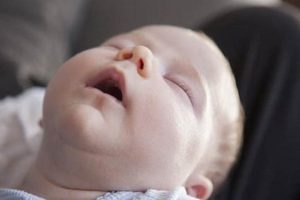
Infant positioning during sleep, specifically the instance of a baby maintaining a prone position with their face pressed against the sleep surface, presents a potential hazard. This scenario restricts airflow and can lead to rebreathing of exhaled carbon dioxide, increasing the risk of suffocation. An example is a young infant, placed on their back to sleep, rolling over and becoming lodged with their face directly contacting the mattress.
Understanding the factors contributing to and the potential consequences of compromised infant airway management during sleep is paramount for preventative measures. The physiological limitations of newborns, coupled with the environment of the sleep space, creates a scenario where positional asphyxia becomes a concern. Historical context reveals shifts in safe sleep recommendations designed to minimize such events. These changes have led to a demonstrable reduction in Sudden Infant Death Syndrome (SIDS) rates, emphasizing the importance of adherence to current guidelines.
The following sections will explore recommendations for safe sleep environments, strategies for mitigating risks associated with compromised infant breathing, and methods for promoting optimal infant sleep positioning to ensure respiratory safety.
Recommendations for Promoting Infant Respiratory Safety During Sleep
The following recommendations aim to reduce the likelihood of airway compromise and promote safe sleep practices for infants, addressing potential risks associated with instances where the infant’s face may come into contact with the sleep surface.
Tip 1: Always Place Infants on Their Backs to Sleep: Supine positioning significantly reduces the risk of SIDS. Infants should be placed on their backs for all sleep periods naps and nighttime until they reach one year of age.
Tip 2: Utilize a Firm Sleep Surface: The mattress should be firm and fitted tightly to the crib or bassinet frame. Soft surfaces, such as couches, armchairs, or soft mattresses, increase the risk of suffocation.
Tip 3: Keep the Sleep Area Free of Soft Objects: Remove all soft objects, loose bedding, pillows, and toys from the infant’s sleep area. These items pose a suffocation hazard if they obstruct the infant’s airway.
Tip 4: Avoid Overheating: Dress the infant in light clothing appropriate for the room temperature and avoid overdressing. Overheating is associated with an increased risk of SIDS.
Tip 5: Consider Using a Wearable Blanket: A wearable blanket or sleep sack can keep the infant warm without the risk of loose blankets covering the face.
Tip 6: Regularly Monitor the Infant: While not a replacement for safe sleep practices, occasional monitoring can provide reassurance and allow for timely intervention if the infant rolls over.
Tip 7: Ensure Proper Swaddling (If Used): If swaddling, ensure it is not too tight and allows for hip movement. Discontinue swaddling when the infant shows signs of attempting to roll over.
Adhering to these recommendations will substantially decrease the potential for compromised breathing during infant sleep, supporting optimal respiratory health and minimizing the risk of adverse events.
The subsequent sections will delve into risk factors, monitoring techniques, and comprehensive strategies for ensuring a consistently safe infant sleep environment.
1. Positional Asphyxia

Positional asphyxia, a critical concern in infant care, arises when an infant’s body position restricts their ability to breathe adequately, particularly relevant when a baby is sleeping with their face pressed into the mattress. This scenario can compromise respiratory function and lead to severe consequences.
- Restricted Chest Movement
When an infant’s face is against a mattress, the soft surface can compress the chest and abdomen. This compression impedes the expansion of the lungs, hindering the infant’s ability to inhale and exhale effectively. For example, an infant lying prone on a thick, soft mattress may struggle to draw sufficient air due to the pressure on their chest. This restricted chest movement directly contributes to reduced oxygen intake.
- Airway Obstruction
The infant’s nose and mouth can become obstructed when the face is pressed into a mattress, especially one made of soft material. This physical obstruction blocks the passage of air, preventing the infant from breathing. A scenario could involve a baby whose face is buried in a pillow or overly padded crib bumper, creating a barrier that inhibits airflow. Complete or partial airway obstruction rapidly leads to hypoxia.
- Reduced Muscle Strength
Infants, particularly newborns, possess limited muscle strength and motor control. They may lack the strength to reposition themselves if their face becomes pressed against a mattress, making them dependent on their environment for safety. For example, if an infant rolls onto their stomach and becomes trapped with their face down, they may be unable to lift their head or turn to breathe freely. This physical limitation exacerbates the risk of positional asphyxia.
- Compromised Gas Exchange
Even without complete airway obstruction, facial contact with the mattress can hinder gas exchange at the cellular level. Restricted airflow leads to a buildup of carbon dioxide and a decrease in oxygen levels in the bloodstream. A prolonged period in this position results in respiratory acidosis and cellular damage. This diminished gas exchange represents a critical threat to the infant’s health and well-being.
The interconnectedness of these factors highlights the severe risk posed by positional asphyxia when a baby sleeps with their face in the mattress. Each element contributes to a cascade of events leading to respiratory compromise and potentially fatal outcomes. Safe sleep practices, including placing infants on their backs on a firm mattress, are essential to mitigate these risks.
2. Airway Obstruction

Airway obstruction represents a significant hazard when an infant sleeps with their face pressed into a mattress. This scenario disrupts normal respiratory function and can lead to severe oxygen deprivation. The following points detail key facets of this risk.
- Physical Impairment of Nasal Passages
Direct contact between an infant’s face and a mattress, particularly a soft or plush one, can physically compress the nasal passages. This compression reduces the diameter of the airways, restricting airflow. For instance, a baby sleeping face-down on a memory foam mattress may experience significant nasal passage constriction, hindering their ability to breathe through their nose. The resulting impaired airflow can quickly lead to increased respiratory effort and distress.
- Suffocation Risk from Soft Materials
Soft bedding materials, such as pillows, blankets, or overly padded crib bumpers, present a suffocation hazard when an infant’s face comes into contact with them. These materials can conform to the contours of the face, creating a seal that blocks the nose and mouth. An example is a baby who rolls onto their stomach in a crib filled with stuffed animals; the soft toys can easily obstruct the airway, preventing the infant from breathing. This type of suffocation can occur rapidly and silently, making it particularly dangerous.
- Rebreathing Exhaled Carbon Dioxide
When an infant’s face is pressed against a mattress, especially a non-breathable one, they may rebreathe their own exhaled carbon dioxide. This occurs because the exhaled air becomes trapped around the infant’s face, leading to a decrease in available oxygen and an increase in carbon dioxide levels. A scenario involves an infant sleeping face-down on a vinyl-covered mattress; the non-porous surface prevents the exhaled air from dissipating, causing the infant to rebreathe the carbon dioxide. This process quickly leads to hypoxemia and hypercapnia, severely compromising respiratory function.
These factors illustrate the direct link between airway obstruction and the potentially life-threatening situation when an infant sleeps with their face in the mattress. The physical restriction, suffocation hazard, and rebreathing risk combine to create a highly dangerous environment. Implementing safe sleep practices, such as placing infants on their backs on a firm, clear sleep surface, is crucial to mitigating these risks and ensuring infant respiratory safety.
3. Rebreathing Risk

Rebreathing risk is a critical concern when an infant sleeps with their face pressed into the mattress. This situation can lead to a dangerous build-up of carbon dioxide and a corresponding reduction in available oxygen, posing a significant threat to the infant’s well-being. Understanding the mechanisms by which rebreathing occurs and its consequences is essential for implementing safe sleep practices.
- Formation of a Carbon Dioxide Pocket
When an infant’s face is pressed against a mattress, particularly one made of non-breathable materials like vinyl, a pocket of exhaled air can form around their nose and mouth. This pocket traps carbon dioxide, preventing it from dissipating into the surrounding environment. An example is an infant sleeping prone on a waterproof mattress protector, where the exhaled air remains concentrated close to their face. The formation of this carbon dioxide pocket increases the likelihood of the infant rebreathing their own exhaled air.
- Oxygen Depletion and Hypoxia
As the infant rebreathes the trapped air, the concentration of oxygen decreases, leading to hypoxia a state of oxygen deficiency. This oxygen depletion can impair normal brain function and other vital processes. An infant who repeatedly rebreathes exhaled air may exhibit signs of distress, such as restlessness or changes in skin color. Prolonged hypoxia can result in serious neurological damage or even death.
- Ineffective Respiratory Compensation
Infants have limited capacity to compensate for elevated carbon dioxide levels and reduced oxygen levels. Their respiratory systems are not fully developed, making it difficult for them to increase their breathing rate or depth to expel excess carbon dioxide. An infant who is rebreathing exhaled air may struggle to effectively clear the carbon dioxide from their system, further exacerbating the oxygen deficiency. This lack of respiratory compensation increases their vulnerability to the negative effects of rebreathing.
- Contribution of Mattress Material
The composition of the mattress plays a significant role in the rebreathing risk. Non-breathable materials, such as vinyl or heavily treated surfaces, impede the dissipation of exhaled air, increasing the concentration of carbon dioxide around the infant’s face. Conversely, mattresses made of breathable materials, such as cotton or wool, allow for better air circulation, reducing the likelihood of rebreathing. Selecting a mattress made of breathable material is an important step in mitigating the rebreathing risk.
These interconnected factors highlight the critical role of rebreathing risk when considering infant sleep safety, specifically concerning the scenario of an infant sleeping with their face pressed into the mattress. The formation of a carbon dioxide pocket, oxygen depletion, ineffective respiratory compensation, and the contribution of mattress material collectively contribute to a potentially life-threatening situation. Safe sleep practices, including supine positioning on a firm, breathable mattress, are essential for minimizing these risks.
4. Suffocation Hazard

The suffocation hazard represents a severe and immediate threat to infant safety when considering the scenario of a baby sleeping with their face pressed into the mattress. This condition arises from the obstruction of an infant’s airway, preventing normal breathing and leading to potential asphyxia. The confluence of factors inherent in this situation demands careful consideration and proactive prevention strategies.
- Mechanical Airway Obstruction by Bedding
Soft bedding materials, such as pillows, blankets, and overly padded crib bumpers, pose a direct mechanical obstruction to an infant’s airway. When an infant’s face presses into these items, the soft material can conform to the facial contours, creating a seal that blocks the nose and mouth. An example is a young infant rolling onto their stomach and becoming entrapped with their face against a thick comforter. This physical blockage prevents airflow, leading to rapid oxygen deprivation and, potentially, suffocation. The compliant nature of these materials reduces the infant’s ability to reposition themselves, exacerbating the risk.
- Rebreathing of Exhaled Gases and Hypoxia
Non-breathable mattress covers, such as those made of vinyl, contribute to a suffocation hazard by impeding the dispersion of exhaled gases. When an infant’s face is in contact with such a surface, a microenvironment forms in which the concentration of carbon dioxide increases while the available oxygen diminishes. The infant then rebreathes this oxygen-depleted air, resulting in hypoxia. An instance of this could involve an infant sleeping prone on a waterproof mattress protector; the exhaled air becomes trapped, and the infant rebreathes air with progressively lower oxygen content. This gas exchange imbalance rapidly compromises respiratory function and increases the risk of suffocation.
- Infant’s Limited Motor Skills and Head Control
Newborns and young infants possess limited motor skills and head control, making them unable to independently remove themselves from hazardous positions. If an infant rolls onto their stomach and their face becomes pressed against the mattress, they may lack the strength to lift or turn their head, leaving them vulnerable to airway obstruction. For example, a two-month-old infant may be unable to reposition themselves after rolling into a face-down position, particularly if the sleep surface is soft or inclined. This physical limitation underscores the importance of controlled sleep environments and constant vigilance.
- Interaction of Positional Asphyxia and Soft Surfaces
The combination of positional asphyxia and soft sleep surfaces significantly amplifies the suffocation hazard. Positional asphyxia occurs when an infant’s body position restricts their ability to breathe, such as when the chest and abdomen are compressed. A soft mattress can exacerbate this condition by conforming to the infant’s body and further restricting respiratory movement. An illustrative example is an infant sleeping on a plush mattress with their face turned to the side; the mattress compresses against the chest and neck, while simultaneously obstructing the airway. This synergistic effect increases the risk of suffocation beyond that of either condition alone.
These facets converge to illustrate the profound suffocation hazard associated with an infant sleeping with their face pressed into the mattress. The interplay of airway obstruction, rebreathing of exhaled gases, physical limitations, and positional asphyxia create a potentially fatal scenario. Consequently, adhering to established safe sleep guidelines, which advocate for supine positioning on a firm, clear sleep surface, remains paramount in safeguarding infant respiratory health and preventing tragic outcomes.
5. SIDS Correlation

The observed statistical association between infant sleep positioning and Sudden Infant Death Syndrome (SIDS) underscores the critical importance of safe sleep practices. An infant sleeping with their face pressed into the mattress is a scenario that elevates the risk of SIDS due to a confluence of factors impacting respiration and airway management.
- Increased Risk of Airway Obstruction
Infants placed in a prone (face-down) position have a demonstrably higher risk of airway obstruction compared to those placed supine (on their backs). When an infant sleeps with their face in the mattress, soft bedding can conform to the facial contours, occluding the nasal passages and mouth. This mechanical obstruction impedes airflow, potentially leading to hypoxia. For example, an infant sleeping prone on a plush mattress with thick padding presents a greater likelihood of airway blockage compared to an infant sleeping supine on a firm surface with minimal bedding. Epidemiological studies consistently demonstrate an elevated SIDS risk associated with prone sleep positioning and the presence of soft bedding materials.
- Enhanced Rebreathing of Exhaled Carbon Dioxide
When an infant’s face is against the mattress, the exhaled air becomes trapped in a small pocket surrounding their face, increasing the concentration of carbon dioxide and reducing the available oxygen. The infant then rebreathes this oxygen-depleted air, leading to hypoxemia and hypercapnia. An infant sleeping face-down on a non-breathable mattress cover, such as vinyl, experiences a greater degree of carbon dioxide rebreathing. The physiological stress imposed by this condition increases the vulnerability to SIDS. Research has shown a correlation between the use of non-breathable sleep surfaces and increased SIDS incidence.
- Impaired Arousal Response
Arousal from sleep is a protective mechanism that allows infants to respond to potentially life-threatening events, such as airway obstruction or hypoxia. Studies indicate that infants sleeping in a prone position exhibit a reduced arousal response compared to those sleeping supine. When an infant sleeps with their face in the mattress, any airway compromise may not trigger the necessary arousal, leaving the infant vulnerable to SIDS. For example, an infant experiencing partial airway obstruction may not rouse sufficiently to reposition themselves, leading to a prolonged period of oxygen deprivation. The diminished arousal capacity contributes to the elevated SIDS risk.
- Thermoregulatory Stress
Infants sleeping in a prone position or with their face against a mattress may experience increased thermoregulatory stress. Prone positioning reduces heat dissipation and can lead to overheating, a known risk factor for SIDS. Furthermore, if the mattress is made of materials that trap heat, the infant may experience an additional thermal burden. Overheating impairs the infant’s ability to regulate their body temperature and respond to environmental changes, increasing their vulnerability to SIDS. Observational studies have documented a correlation between elevated ambient temperature and increased SIDS incidence, particularly in infants sleeping in unsafe positions.
The association between SIDS and instances of an infant sleeping with their face pressed into the mattress is multifactorial, encompassing airway obstruction, rebreathing, impaired arousal, and thermoregulatory stress. These elements collectively underscore the importance of adhering to safe sleep guidelines, which advocate for supine positioning on a firm, clear sleep surface to mitigate the risk of SIDS.
Frequently Asked Questions
The following section addresses common inquiries regarding infant sleep safety, specifically focusing on concerns related to instances where an infant’s face may come into contact with the sleep surface.
Question 1: What constitutes a safe sleep surface for an infant?
A safe sleep surface is firm, flat, and free of soft objects. It should consist of a tightly fitted sheet on a firm mattress within a crib, bassinet, or portable crib that meets current safety standards. Couches, armchairs, and soft bedding are not safe sleep surfaces.
Question 2: Why is it dangerous for an infant to sleep on their stomach?
Sleeping on the stomach increases the risk of airway obstruction, rebreathing exhaled carbon dioxide, and impaired arousal. These factors elevate the risk of Sudden Infant Death Syndrome (SIDS). The back sleep position is the safest for infants.
Question 3: What items should be kept out of an infant’s sleep area?
Soft objects, loose bedding, pillows, blankets, toys, and crib bumpers should be kept out of the infant’s sleep area. These items pose a suffocation hazard if they obstruct the infant’s airway.
Question 4: Is it safe to use inclined sleepers or positioners for infants?
Inclined sleepers and positioners are not recommended for infant sleep. These devices can restrict an infant’s airway or allow them to roll into an unsafe position. A flat, firm sleep surface is always the safest option.
Question 5: What should be done if an infant rolls onto their stomach during sleep?
If an infant is able to roll from their back to their stomach and from their stomach to their back independently, intervention is generally not required. However, it is important to continue placing the infant on their back to sleep. If the infant cannot roll independently, repositioning them onto their back is advisable.
Question 6: How can parents ensure a safe sleep environment when traveling?
When traveling, it is crucial to maintain the same safe sleep practices used at home. Ensure the infant has a firm, flat sleep surface with a tightly fitted sheet. Avoid using soft bedding or allowing the infant to sleep on a couch or armchair. Portable cribs or bassinets that meet safety standards are recommended.
The information presented in this FAQ section underscores the importance of adhering to established safe sleep guidelines. Implementing these practices consistently can significantly reduce the risk of sleep-related infant deaths.
The subsequent section will delve into further strategies for promoting optimal infant health and well-being through comprehensive care practices.
Mitigating Risks When a Baby Sleeps With Face In Mattress
This exploration has detailed the significant risks associated with the scenario of an infant maintaining a prone position with their face pressed against the sleep surface. Airway obstruction, rebreathing of exhaled carbon dioxide, and the potential for positional asphyxia collectively contribute to an elevated risk of SIDS. The physiological vulnerabilities of infants, coupled with environmental hazards, underscore the necessity of adhering to established safe sleep guidelines.
Consistent implementation of recommended practices, including supine positioning on a firm, clear sleep surface, represents a critical preventative measure. Continued vigilance, coupled with education for caregivers, remains paramount in fostering a safe sleep environment and minimizing the occurrence of tragic outcomes. Prioritizing infant respiratory safety through informed action is an essential responsibility.