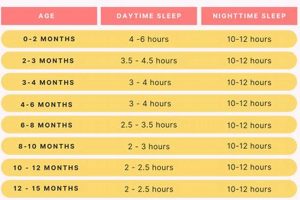
Products and techniques designed to assist infants in achieving and maintaining restful sleep are available. These encompass a range of items, from white noise machines that produce calming ambient sounds, to swaddling blankets that provide a secure, womb-like sensation. A consistent bedtime routine incorporating a warm bath and a lullaby, for example, can also be considered within this category, promoting relaxation and signaling sleep readiness.
Adequate sleep is fundamental to an infant’s healthy development, impacting cognitive function, physical growth, and emotional regulation. The use of tools and strategies to promote infant sleep has a long history, evolving from traditional methods like rocking and singing to incorporate modern technologies and evidence-based practices. Proper rest benefits not only the child but also contributes to the well-being of caregivers, reducing stress and improving overall family dynamics.
The following sections will delve into the various categories of these supporting tools and techniques, offering insights into their functionality, potential benefits, and considerations for safe and effective implementation.
Guidance for Optimizing Infant Sleep
Employing strategies to foster healthy sleep patterns in infants requires a consistent and informed approach. The following guidelines offer practical advice for creating a sleep-conducive environment and establishing routines that promote restful sleep.
Tip 1: Establish a Consistent Bedtime Routine: Implementing a predictable sequence of events, such as a bath, reading, and quiet time, signals to the infant that it is time to sleep. Consistency is crucial for reinforcing this association.
Tip 2: Optimize the Sleep Environment: Ensure the infant’s sleep space is dark, quiet, and cool. Room-darkening shades, a white noise machine, and a comfortable temperature can significantly improve sleep quality.
Tip 3: Monitor Wake Windows: Paying close attention to the infant’s wakefulness cues can prevent overtiredness. Putting an infant down for a nap or bedtime before they become overly tired can facilitate easier sleep onset.
Tip 4: Swaddling (for Young Infants): When performed correctly, swaddling can provide a sense of security and comfort, mimicking the womb and reducing startle reflexes. Discontinue swaddling once the infant shows signs of rolling over.
Tip 5: Consider a Pacifier: The use of a pacifier at bedtime has been shown to reduce the risk of Sudden Infant Death Syndrome (SIDS). If the pacifier falls out after the infant is asleep, it does not need to be reinserted.
Tip 6: Address Underlying Discomfort: Rule out potential sources of discomfort, such as hunger, gas, or diaper rash. Addressing these issues can improve the infant’s ability to settle and sleep soundly.
Tip 7: Differentiate Between Day and Night: Expose the infant to natural light during the day and maintain a dark and quiet environment at night. This helps to regulate their circadian rhythm.
Consistent application of these strategies can contribute to improved infant sleep patterns and overall well-being, benefiting both the child and their caregivers.
The subsequent sections will delve into specific types of these support systems and explore considerations for their appropriate utilization.
1. Safety

The paramount consideration in the design, selection, and utilization of products intended to promote infant sleep centers around safety. Any item introduced into an infant’s sleep environment must adhere to stringent safety standards to mitigate potential risks.
- Material Composition and Toxicity
The materials used in construction must be free from harmful chemicals, such as BPA, phthalates, and lead. Exposure to these substances can pose developmental and health risks to infants. For example, teething toys marketed as sleep soothers should be composed of non-toxic, food-grade silicone or other approved materials.
- Suffocation Hazards
Items with loose parts, strings, ribbons, or excessively soft materials can present a suffocation hazard. Crib bumpers, once commonly used, are now largely discouraged due to this risk. Similarly, weighted blankets or swaddles must adhere to weight and size guidelines appropriate for the infant’s age and developmental stage.
- Safe Sleep Practices Compliance
Any supporting tool must align with established safe sleep guidelines, such as placing the infant on their back on a firm, flat sleep surface. Inclined sleepers, for instance, have been linked to increased risk of positional asphyxia and are not considered safe for routine infant sleep.
- Electrical Safety and Electromagnetic Fields
Electronic are devices, such as sound machines or nightlights, must meet electrical safety standards to prevent the risk of fire or electrical shock. Furthermore, proximity to electromagnetic fields should be considered, and devices should be placed at a safe distance from the infant’s head.
These safety considerations underscore the necessity of thorough research and careful selection when choosing supporting tools. Prioritizing products that meet or exceed established safety standards, coupled with adherence to safe sleep practices, is crucial for ensuring the well-being of the infant.
2. Consistency

The effectiveness of many mechanisms designed to support infant sleep hinges significantly on the principle of consistency. The repetitive application of a specific technique, or the continuous use of a product intended to soothe or relax an infant, contributes to the formation of predictable sleep patterns. For instance, the daily use of a white noise machine at bedtime establishes a consistent auditory environment, signaling to the infant that sleep is imminent. Similarly, a structured bedtime routine, executed in the same sequence each evening, conditions the infant to associate these activities with the onset of sleep. Disruptions to these established routines or inconsistent use of supporting tools can negatively impact the infant’s ability to self-soothe and achieve restful sleep.
Consider the example of swaddling, a technique used to provide a sense of security for young infants. When performed consistently from an early age, swaddling can effectively reduce startle reflexes and promote longer periods of sleep. However, if swaddling is only employed sporadically or discontinued abruptly, the infant may experience increased restlessness and difficulty settling. The consistent application of this technique, therefore, is paramount to realizing its potential benefits. Similarly, the impact of sleep training methods, such as the “cry it out” approach or graduated extinction, is directly correlated with adherence to the chosen method. Wavering or inconsistent responses to the infant’s cries can confuse the infant and prolong the sleep training process.
In conclusion, while many instruments and techniques are available to aid infant sleep, their efficacy is inextricably linked to consistent implementation. Establishing a predictable environment and routine, and maintaining a consistent approach to sleep-related interventions, are essential for promoting healthy sleep patterns and maximizing the benefits of these support tools. A lack of consistency can undermine even the most well-intentioned efforts, leading to frustration for both the infant and the caregiver. Therefore, integrating supporting tools into a predictable and consistently applied sleep strategy is crucial for optimizing infant sleep and promoting overall well-being.
3. Environment

The sleep environment exerts a profound influence on an infant’s ability to achieve restful and sustained sleep. Factors such as ambient temperature, noise levels, and light exposure directly impact sleep latency and sleep quality. Consequently, the manipulation of these environmental variables constitutes a core component of effective infant sleep support strategies. For example, maintaining a cool room temperature, typically between 68 and 72 degrees Fahrenheit, is often recommended to prevent overheating, a known risk factor for Sudden Infant Death Syndrome (SIDS), while simultaneously promoting a comfortable sleep state. Similarly, minimizing auditory stimulation through the use of white noise machines or room-darkening shades can mitigate disruptions and encourage deeper sleep.
Consider the scenario of an infant residing in a brightly lit room with intermittent street noise. The inconsistent lighting and auditory disturbances are likely to impede the infant’s ability to fall asleep easily and maintain a consistent sleep pattern. In contrast, creating a darkened room with a constant, low-level white noise can mask these external stimuli, facilitating sleep onset and reducing nighttime awakenings. The strategic management of the sleep environment, therefore, serves as a fundamental tool in promoting healthy sleep habits. It is crucial to acknowledge that each infant possesses unique sensitivities and preferences, necessitating a tailored approach to environmental optimization. While a white noise machine may prove beneficial for some infants, others may find it disruptive. Thus, careful observation and experimentation are often required to determine the ideal environmental conditions for each individual child.
In summary, the sleep environment plays a critical role in influencing infant sleep patterns. Understanding the impact of factors such as temperature, noise, and light, and strategically manipulating these variables, can significantly enhance the effectiveness of strategies designed to support infant sleep. While general recommendations exist, a personalized approach, guided by careful observation of the infant’s responses, is essential for creating an environment conducive to restful and sustained sleep. Challenges may arise in consistently controlling environmental factors, particularly in shared living spaces or during travel; however, prioritizing environmental optimization to the greatest extent possible remains a key element in promoting healthy infant sleep.
4. Comfort

Comfort, in the context of supporting infant sleep, encompasses both physical and emotional well-being, creating a state of ease and contentment conducive to rest. This concept is intrinsically linked to the efficacy of a range of tools, techniques, and products designed to promote infant sleep. A primary objective of many assistance devices is to replicate, or simulate, environments and sensations that provide infants with a sense of security and familiarity. For example, a swaddle, when properly applied, restricts movement and provides a gentle pressure that mimics the feeling of being held, which may alleviate anxiety and promote relaxation. Similarly, the selection of appropriate bedding materials, such as soft, breathable fabrics, aims to prevent overheating and skin irritation, contributing to physical comfort.
Devices intended to induce comfort also have an effect on promoting more restful and prolonged sleep. Consider the application of gentle rocking motions, whether achieved through manual rocking or the use of a motorized swing. The rhythmic movement stimulates the vestibular system, which is associated with balance and spatial orientation, and this simulation creates a sense of calm. Ensuring an infant is comfortable necessitates a multifaceted approach that takes into consideration the individual preferences and sensitivities of the child, as comfort is not a universally applicable concept. Some infants may respond favorably to the close physical contact provided by co-sleeping (with appropriate safety precautions), while others may exhibit a preference for the solitude of a crib. Understanding the infant’s specific comfort needs, and adjusting support tools accordingly, is vital for successfully utilizing these aids.
Understanding the inherent role of comfort when supporting infant sleep helps the caregivers to utilize these supports and tools, ensuring that the aids do not hinder the infants natural growth. While a plethora of comfort tools are available, their effective implementation necessitates a careful consideration of safety guidelines and best practices. The selection of bedding, for example, must adhere to standards designed to minimize the risk of suffocation. The level of comfort can be increased with consistent monitoring to ensure proper usage, that promotes safety and health. Caregiver attentiveness and responsiveness also serve as comfort supports.
5. Routine

The establishment of consistent routines serves as a cornerstone in fostering healthy sleep patterns in infants. The strategic integration of a fixed schedule with mechanisms designed to support infant sleep can amplify the effectiveness of said devices, promoting predictability and facilitating the transition to sleep.
- Predictable Bedtime Sequence
A consistent sequence of activities preceding bedtime, such as a warm bath, gentle massage, reading, and lullaby, signals to the infant that sleep is approaching. For example, consistently performing these activities in the same order each evening creates a conditioned response, reducing resistance and facilitating sleep onset. The omission or alteration of elements within this sequence may disrupt the established association and hinder the infant’s ability to self-soothe.
- Consistent Sleep and Wake Times
Maintaining a relatively consistent sleep and wake schedule, even on weekends, reinforces the infant’s natural circadian rhythm. Deviations from this schedule, such as excessively late bedtimes or prolonged naps, can disrupt the internal clock and lead to difficulties falling asleep or maintaining sleep. For instance, consistently waking the infant at the same time each morning, regardless of the duration of the previous night’s sleep, can help to regulate the sleep-wake cycle and promote more predictable sleep patterns.
- Regular Naptimes
Establishing a predictable nap schedule, based on the infant’s age and developmental stage, is crucial for preventing overtiredness and promoting consolidated nighttime sleep. Overtired infants often exhibit increased restlessness and irritability, making it more challenging for them to fall asleep and stay asleep. Regular nap schedules, therefore, contribute to a state of balanced arousal, facilitating easier transitions to sleep and improving overall sleep quality.
- Consistent Use of Sleep Aids within the Routine
Integrating devices, such as white noise machines or sleep sacks, into the established routine reinforces their association with sleep. For example, consistently activating the white noise machine at the beginning of the bedtime routine can create an auditory cue that signals the start of sleep. Similarly, consistently placing the infant in a sleep sack as the final step of the routine can provide a tactile signal that promotes relaxation and a sense of security.
These facets of routine serve to enhance the efficacy of devices by creating a predictable and familiar environment that promotes relaxation and facilitates the transition to sleep. Inconsistent application of these routines can undermine the effectiveness of even the most sophisticated tools, highlighting the crucial role of consistent routines in supporting healthy infant sleep.
6. Soothing
Soothing is an elemental component of implements and strategies designed to promote infant sleep. The capacity of products to induce a state of calmness and reduce distress directly influences their effectiveness in facilitating sleep onset and maintenance. A distressed infant is unlikely to achieve restful sleep; therefore, addressing the underlying causes of discomfort or anxiety is paramount. This connection highlights the importance of selecting devices with inherent characteristics to alleviate distress and promote a sense of security. For example, swaddling, a technique involving wrapping an infant snugly in a blanket, provides proprioceptive input that mimics the feeling of being held, thereby reducing startle reflexes and promoting relaxation. Similarly, white noise machines generate consistent auditory stimuli that mask disruptive sounds, creating a calming auditory environment.
The efficacy of any tool is amplified when applied in a manner that is responsive to the individual needs and preferences of the infant. Employing a soothing technique that an infant finds aversive will be counterproductive, resulting in increased distress and hindered sleep. For instance, some infants find the rhythmic motion of a swing soothing, while others may find it overstimulating or unsettling. A trial-and-error approach, guided by careful observation of the infant’s responses, is crucial for identifying the most effective soothing strategies. Furthermore, the application of soothing techniques should be integrated into a holistic approach that addresses other potential sources of discomfort, such as hunger, diaper wetness, or environmental factors.
In conclusion, the connection between soothing and supporting infant sleep is direct and fundamental. Acknowledging the importance of this relationship allows caregivers to make informed decisions regarding the selection and implementation of mechanisms intended to promote infant sleep. Challenges arise in identifying the most effective soothing strategies for individual infants, necessitating a patient and responsive approach. Ultimately, products that promote comfort and diminish distress are most likely to facilitate the achievement of healthy and restful sleep patterns in infants, contributing to their overall well-being and development.
7. Development
Infant development, encompassing physical, cognitive, and emotional growth, is intricately linked to sleep patterns. Tools designed to support infant sleep must be evaluated in the context of their potential impact on these developmental processes. Interventions that compromise natural developmental milestones or hinder the acquisition of self-soothing skills warrant careful consideration.
- Motor Skill Acquisition
Restricting movement through prolonged swaddling, beyond the age when an infant begins to show signs of rolling over, can impede the development of gross motor skills. The freedom to explore and practice movements is essential for strengthening muscles and developing coordination. Products should be selected and utilized in a manner that does not restrict movement unnecessarily, allowing infants to progress through developmental stages at their own pace.
- Cognitive Development and Environmental Interaction
Excessive reliance on external supports to induce sleep may limit opportunities for infants to learn to self-soothe and regulate their emotions. Exposure to a variety of sensory stimuli, including visual and auditory experiences, is crucial for cognitive development. Over-reliance on sleep aids that create a sterile or monotonous environment may reduce opportunities for environmental exploration and learning. A balanced approach is needed, allowing for exposure to stimulating environments during waking hours and a calming environment during sleep.
- Emotional Regulation and Attachment
Responsive caregiving, characterized by prompt and consistent attention to an infant’s needs, is fundamental for fostering secure attachment and promoting emotional regulation. Interventions that discourage parental responsiveness or create barriers to interaction may negatively impact the development of secure attachment. For example, sleep training methods that advocate for prolonged periods of separation may be emotionally distressing for some infants and potentially undermine the development of trust. Decisions regarding the use of sleep assistance devices should prioritize the maintenance of a secure and responsive caregiver-infant relationship.
- Sensory Processing
The utilization of tools needs to be carefully measured so it does not interfere with the development of the sensory processing of the infant. This can be seen in overuse with white noise, it can potentially hinder the auditory development of the baby. All senses should be monitored during sleep to encourage and ensure appropriate support tool usage.
Balancing the desire to support infant sleep with the need to foster healthy development requires a nuanced and individualized approach. A comprehensive understanding of infant development, coupled with careful consideration of the potential impact of interventions, is essential for making informed decisions regarding the use of mechanisms intended to promote infant sleep. A reliance on supports needs to be weighed against the promotion of natural developmental progressions with attentiveness to the long term effect.
Frequently Asked Questions
The following questions address common inquiries regarding products and techniques designed to aid infant sleep. The information presented is intended for informational purposes and should not substitute for professional medical advice.
Question 1: What are the primary categories of infant sleep support mechanisms?
Infant sleep support tools encompass a broad spectrum, including environmental controls (e.g., white noise machines, blackout curtains), physical aids (e.g., swaddles, sleep sacks), and behavioral techniques (e.g., bedtime routines, sleep training methods). Some devices promote physical comfort and security, while others focus on optimizing the sleep environment or establishing consistent sleep patterns.
Question 2: At what age are supporting strategies generally considered appropriate for infants?
Certain techniques, such as swaddling, are typically implemented from birth, while others, like sleep training methods, are generally recommended for infants older than 4-6 months. The appropriateness of any mechanism is contingent upon the infant’s age, developmental stage, and individual needs.
Question 3: Are devices associated with potential risks to infant safety?
Improper use of certain mechanisms can pose risks to infant safety. For example, loose bedding, inclined sleepers, and unrestrained swaddles have been linked to increased risks of suffocation or SIDS. It is imperative to adhere to established safety guidelines and recommendations when utilizing any intervention.
Question 4: How should caregivers select aids?
Selection should be guided by a thorough understanding of the infant’s individual needs and preferences, as well as a careful assessment of the product’s safety features and intended use. Consulting with a pediatrician or sleep specialist can provide personalized recommendations. Caregivers must ensure the device does not hinder normal development stages, such as movement and sensory development.
Question 5: Can these mechanisms lead to dependency?
Excessive reliance on external supports has the potential to hinder the development of self-soothing skills. It is crucial to strike a balance between providing appropriate support and fostering the infant’s ability to independently regulate their sleep patterns. Monitoring long term sensory habits is recommended.
Question 6: How long should infants use supporting devices?
The duration of use is highly variable and dependent upon the individual infant’s needs and developmental progress. Some mechanisms, such as white noise machines, may be used for an extended period, while others, like swaddles, should be discontinued as the infant reaches certain developmental milestones. Continuous evaluation of the infant’s sleep patterns and needs is essential.
Prioritizing safety, responsiveness, and individualized care is crucial for maximizing the benefits of any supportive device while minimizing potential risks. The information presented here is for informational purposes only and does not substitute for the advice of a professional medical expert.
The subsequent section explores emerging trends and innovations in the field of infant sleep support.
Conclusion
This exploration has delineated various facets of mechanisms designed to support infant sleep. The analysis encompassed safety considerations, the importance of consistency and routine, environmental influences, and the significance of comfort and healthy development. These elements underscore the complex interplay of factors influencing infant sleep patterns and the necessity of a holistic approach when selecting and utilizing sleep support interventions.
The responsible and informed implementation of tools requires a continuous attentiveness to emerging research, safety guidelines, and individual infant needs. As scientific understanding advances, continued dialogue and critical evaluation within the healthcare community will remain essential for optimizing infant sleep practices and promoting the long-term well-being of both infants and caregivers.