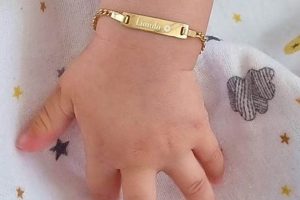
Pre-printed fabric squares designed for simplified quilt construction for infants and toddlers offer a convenient starting point for creating handcrafted blankets. These textiles often feature themed imagery, such as animals, geometric designs, or storybook characters, and typically come in a standard size, readily adaptable to various quilting patterns. A common example includes sets of themed squares that can be stitched together to form a completed quilt top.
Utilizing these pre-designed components significantly reduces the time and skill required for quilt making, making it an accessible craft for individuals with limited experience. The use of such prepared materials allows for focusing on the quilting and finishing stages, rather than pattern design and precise cutting. Historically, they represent an adaptation of traditional quilting techniques to modern lifestyles, catering to a desire for homemade items without extensive time commitment.
The following sections will delve into the selection criteria for choosing optimal pre-printed quilting fabrics, explore various design possibilities using these panels, and provide step-by-step instructions for assembling a complete quilt. Techniques for adding borders, batting, and backing will also be covered, along with suggestions for achieving a professional finish.
Essential Considerations for Utilizing Pre-Printed Infant Quilt Squares
The subsequent guidelines offer practical advice for maximizing the potential of pre-printed infant quilt squares, ensuring both aesthetic appeal and functional durability in the finished product.
Tip 1: Fabric Quality Assessment: Prior to commencing any project, meticulously examine the fabric composition of the squares. Opt for 100% cotton options for optimal breathability and washability, crucial considerations for items intended for infant use. Verify colorfastness to prevent dye bleeding during laundering.
Tip 2: Size Uniformity Verification: Discrepancies in square dimensions can lead to difficulties during assembly. Prior to sewing, meticulously measure each square to confirm uniformity. Address any size variations through careful trimming or minor adjustments to the seam allowance.
Tip 3: Design Coordination Strategy: Careful planning of the layout is essential for achieving a visually cohesive result. Before stitching, arrange the squares on a flat surface to assess the overall aesthetic. Consider alternating patterned squares with solid-colored fabrics to create visual interest and balance.
Tip 4: Seam Allowance Consistency: Maintaining a consistent seam allowance is paramount for achieving a flat, even quilt top. A quarter-inch seam allowance is generally recommended. Utilize a quilting foot with a built-in guide to ensure accuracy.
Tip 5: Backing Fabric Selection: The backing fabric should complement the colors and patterns of the squares. A soft, breathable material, such as flannel or cotton, is ideal. Ensure the backing fabric is at least several inches larger than the quilt top on all sides to facilitate quilting.
Tip 6: Batting Fiber Considerations: The batting fiber content influences the quilt’s warmth, weight, and drape. Cotton batting is a popular choice for its breathability and natural fibers. Polyester batting is a more affordable alternative, offering good loft and washability. Consider a blend for a balance of properties.
Tip 7: Quilting Density Optimization: The density of the quilting stitches impacts the durability and texture of the finished quilt. A denser quilting pattern provides greater stability and prevents batting shifting. However, excessive quilting can stiffen the fabric. Strike a balance based on the desired aesthetic and functionality.
Adhering to these suggestions will enhance the likelihood of crafting a well-constructed, visually appealing, and functionally durable infant quilt, providing a cherished heirloom for years to come.
The subsequent section will address specific quilting techniques suitable for projects incorporating pre-printed infant quilt squares, offering detailed guidance on achieving professional-level results.
1. Fabric Composition

Fabric composition is a primary determinant of the suitability and longevity of fabric squares intended for infant quilts. The textile fiber directly influences factors such as breathability, durability, and ease of care, all critical considerations for items in frequent contact with infants. For instance, 100% cotton panels, widely favored, offer excellent breathability, minimizing the risk of overheating and discomfort. Conversely, synthetic fabrics like polyester, while offering enhanced durability and wrinkle resistance, may lack the desired breathability and moisture absorption properties. A compromised material selection can result in discomfort, skin irritation, or decreased longevity of the finished product.
The manufacturing and processing of the selected textile also necessitate scrutiny. Certified organic cotton fabrics, for example, minimize exposure to potentially harmful chemicals during production. Understanding the fiber content enables informed decisions regarding appropriate laundering practices, mitigating potential damage from high heat or harsh detergents. The practical application of this understanding extends to proper care and maintenance, ultimately influencing the quilt’s lifespan and hygienic qualities. Consider a scenario where a quilt composed of inadequately pre-shrunk cotton experiences significant shrinkage after the initial wash, distorting the design and compromising the integrity of the seams.
In summary, a deliberate and informed approach to fabric composition is paramount when selecting pre-printed squares. The choice directly influences the quilts functionality, safety, and longevity. Challenges include navigating the wide variety of available fabrics and accurately assessing fiber content and processing methods. Further research into specific fiber properties and manufacturing standards is encouraged to ensure the selection of appropriate materials for infant-related textile projects, ultimately fostering a safe and comfortable environment for the child.
2. Design Theme

The design theme of pre-printed fabric squares exerts a significant influence on the aesthetic appeal and functional suitability of infant quilts. The selection of an appropriate theme is not merely an aesthetic choice but a crucial element impacting the quilt’s purpose and the emotional connection it fosters. For example, a theme featuring soft pastel colors and gentle animal imagery may create a calming and comforting environment for the infant, while a more vibrant and stimulating design featuring geometric patterns might offer visual engagement and contribute to early cognitive development. The theme also dictates the overall style of the quilt, influencing subsequent choices regarding border fabrics, quilting patterns, and embellishments. In effect, the design theme serves as the foundation upon which the entire quilt project is built. Misalignment between the design theme and the intended use can result in a product that is either visually jarring or functionally inappropriate.
Consider a scenario where a quilt intended for a newborn is constructed using fabric squares featuring bold, high-contrast patterns and overly stimulating imagery. While visually striking, such a design may prove unsettling for the infant, potentially disrupting sleep patterns or causing overstimulation. Conversely, a quilt designed for a toddler might benefit from a more interactive theme featuring characters or objects that encourage exploration and imaginative play. The selection of design theme also has practical implications for fabric sourcing. Certain themes may be more readily available in specific fabric types or color palettes, impacting the overall cost and complexity of the project. The durability and washability of fabrics featuring specific themes should also be considered, particularly if the quilt is intended for frequent use.
In summary, the design theme is an integral component of pre-printed fabric squares for infant quilts, influencing both aesthetic appeal and functional suitability. The selection of an appropriate theme requires careful consideration of the intended use, the infant’s developmental stage, and the desired emotional impact. Potential challenges include navigating the wide range of available themes and ensuring that the selected theme aligns with the project’s overall goals. A thorough understanding of the design theme’s significance allows for informed decisions that contribute to the creation of a safe, comfortable, and aesthetically pleasing quilt for the infant.
3. Panel Dimensions

The dimensions of individual fabric segments exert a direct influence on the design and overall size of finished infant quilts. Standardized dimensions facilitate efficient assembly and predictable outcomes. Discrepancies in panel size, even marginal deviations, can compound during construction, leading to skewed patterns and irregularities in the final product. Consider, for instance, a scenario where multiple panels intended for a quilt top exhibit a variance of only 1/8 inch. Over a series of interconnected segments, this seemingly insignificant difference can accumulate, resulting in a noticeable distortion of the intended design and a potential need for remedial trimming or alterations. Therefore, the accurate specification and consistent adherence to stated measurements is paramount in infant quilt design and manufacture.
The selection of specific dimensions often reflects both aesthetic considerations and practical constraints. Larger panels enable the creation of expansive designs with minimal seaming, potentially showcasing elaborate printed patterns. Conversely, smaller panels offer greater flexibility in pattern arrangement and allow for the incorporation of diverse fabrics and textures. The choice also hinges on the intended end-use. A quilt designed for use in a crib may adhere to stricter dimensional guidelines to ensure safe containment, whereas a larger blanket intended for play or floor time affords greater latitude in sizing. Manufacturers and designers meticulously balance these factors to optimize the aesthetic appeal, functional utility, and safety parameters of the finished article. A real-world example might be a pre-cut kit containing uniformly sized squares, precisely tailored for a standard crib mattress dimension, thereby simplifying the construction process and guaranteeing a proper fit.
In summary, panel dimensions are a critical determinant in the creation of infant quilts, impacting both the aesthetic and functional aspects. Precise measurement and consistent adherence to specified sizes are essential to avoid distortions and ensure predictable outcomes. The selection of panel dimensions reflects a careful balance between design aspirations, practical considerations, and safety requirements. Challenges arise when attempting to integrate panels from disparate sources, each potentially exhibiting dimensional inconsistencies. This underscores the importance of sourcing materials from reputable suppliers committed to maintaining rigorous quality control standards. A thorough understanding of these dimensional relationships is vital for both commercial manufacturers and individual craftspeople involved in the production of infant quilts.
4. Color Fastness
Color fastness, defined as a textile’s resistance to color alteration or transfer during washing, exposure to light, or other environmental factors, is a critical attribute of fabric squares used in infant quilts. Inadequate color fastness can result in dye bleeding or fading, compromising the quilt’s aesthetic appeal and potentially posing a health risk to infants. For example, dyes that leach from fabric during washing can stain other clothing or, more concerning, transfer to the infant’s skin, leading to irritation or allergic reactions. The importance of color fastness is underscored by the frequent laundering required for items intended for infants, making fabrics with poor color retention unsuitable for this application. The selection of fabric exhibiting reliable color fastness is, therefore, not merely a cosmetic consideration but a fundamental safety precaution.
The practical significance of understanding color fastness extends to both the selection of pre-printed panels and the application of appropriate care instructions. Manufacturers typically employ standardized testing methods to assess color fastness properties, often indicated by a rating system on fabric labels. These ratings provide valuable guidance in selecting materials that will withstand repeated laundering without significant color degradation. Furthermore, adherence to recommended washing practices, such as using cold water and mild detergents, can mitigate the risk of dye bleeding and preserve the color integrity of the quilt. In contrast, neglecting these precautions can accelerate color fading and compromise the overall durability of the finished product. Consider the scenario where a visually appealing quilt, constructed with inexpensive fabrics lacking adequate color fastness, undergoes significant color distortion after the first wash, rendering it aesthetically displeasing and potentially unsafe for infant use.
In summary, color fastness is an essential, non-negotiable quality of fabric squares employed in infant quilt construction. Its impact extends beyond aesthetic considerations, directly influencing the safety and longevity of the finished product. Challenges arise in identifying fabrics with reliably high color fastness, particularly when sourcing materials from unfamiliar suppliers or online vendors. By prioritizing color fastness ratings and adhering to recommended care instructions, both manufacturers and individual craftspeople can ensure that infant quilts remain visually appealing, functionally durable, and, most importantly, safe for use.
5. Quilting Design

Quilting design, in the context of fabric squares intended for infant bedding, encompasses the strategic arrangement of stitches used to secure the quilt layers and contribute to the overall aesthetic and functional properties of the finished product. The chosen design impacts durability, warmth, and the visual appeal of quilts incorporating these squares.
- Stitch Density and Durability
The concentration of quilting stitches directly correlates with the quilt’s structural integrity and resistance to wear. A higher stitch density reinforces the bond between fabric segments, batting, and backing, minimizing the risk of shifting or bunching during use and laundering. For infant quilts, which are subjected to frequent washing, adequate stitch density is essential to ensure longevity. For example, closely spaced straight-line quilting provides substantial reinforcement, preventing batting migration and prolonging the quilt’s lifespan.
- Pattern Complexity and Aesthetic Appeal
Quilting patterns range from simple, uniform designs to intricate, customized motifs. The complexity of the quilting design contributes significantly to the visual interest of the quilt. A basic grid pattern may suffice for a utilitarian quilt, while more elaborate designs, such as free-motion quilting or intricate geometric patterns, can elevate the quilt to an artistic creation. The design should complement the imagery and colors present in the fabric squares, enhancing the overall aesthetic impact. For instance, echo quilting around the motifs within the panels draws attention to the existing design, adding depth and dimension.
- Batting Loft and Warmth Regulation
The quilting design influences the loft, or thickness, of the batting layer. Denser quilting compresses the batting, reducing its loft and, consequently, the quilt’s warmth. Conversely, sparsely quilted designs allow for greater loft, resulting in a warmer quilt. The selection of a quilting design should consider the climate and the intended use of the quilt. An example is a lightweight summer quilt with minimal quilting, allowing for maximum breathability and preventing overheating, contrasted with a thicker winter quilt featuring denser quilting to trap warmth.
- Texture and Tactile Experience
The quilting design contributes to the texture and tactile experience of the infant quilt. Raised or recessed patterns created by the quilting stitches offer tactile stimulation, potentially enhancing sensory development in infants. Smooth, evenly quilted surfaces provide a comfortable and uniform feel. For example, a stippled quilting pattern creates a soft, undulating texture that is pleasing to the touch, while a more rigid, geometric design might offer a firmer, more defined tactile experience.
These facets, encompassing stitch density, pattern complexity, batting loft, and texture, underscore the integral role of quilting design in transforming a collection of fabric squares into a functional and aesthetically pleasing infant quilt. The selection of an appropriate quilting design involves a careful consideration of factors related to durability, visual appeal, comfort, and safety, ultimately contributing to the overall quality and value of the finished product. Proper execution complements the source material used in baby quilt panels.
6. Seam Allowance

Seam allowance, the distance between the edge of the fabric and the stitching line, constitutes a fundamental element in quilt construction, directly impacting the accuracy, durability, and overall aesthetic quality of projects incorporating pre-printed squares for infant bedding. Consistent seam allowance is crucial, particularly when working with panels of predetermined sizes and patterns.
- Dimensional Accuracy and Pattern Alignment
Consistent seam allowance ensures that individual panels are joined with dimensional precision, preserving the integrity of the intended pattern. Deviation from the specified allowance leads to discrepancies in size and shape, potentially distorting the design and requiring corrective measures. For example, a quarter-inch seam allowance, if consistently applied, guarantees that a grid of adjoining panels maintains its intended geometric arrangement, while inconsistent allowances result in misaligned lines and uneven edges.
- Structural Integrity and Seam Strength
The width of the seam allowance influences the strength and durability of the seam. A sufficient seam allowance provides ample fabric for secure stitching, preventing the seam from unraveling under stress. This is particularly important for infant quilts, which are subjected to frequent washing and handling. A wider seam allowance creates a more robust connection between panels, withstanding the rigors of regular use. Conversely, an insufficient seam allowance weakens the seam, increasing the risk of separation and reducing the quilt’s lifespan.
- Fabric Management and Bulk Reduction
Appropriate seam allowance facilitates effective fabric management and minimizes bulk at the seams. Trimming excess seam allowance reduces unnecessary layers of fabric, resulting in a flatter, more comfortable quilt. Careful management of seam allowance is especially critical when joining multiple panels, preventing the quilt from becoming overly thick and cumbersome. Strategic trimming and pressing techniques, applied in conjunction with a consistent seam allowance, contribute to a professional finish and enhance the quilt’s overall drape.
- Design Flexibility and Creative Possibilities
While often perceived as a technical requirement, seam allowance offers creative possibilities. Varying the seam allowance can alter the perceived size and shape of individual panels, creating subtle visual effects. A wider seam allowance, for instance, reduces the visible area of a panel, effectively framing the design and drawing attention to the surrounding fabric. This technique can be employed to emphasize specific patterns or to introduce visual contrast within the quilt. This highlights the interplay between technical precision and design ingenuity.
These considerations, encompassing dimensional accuracy, structural integrity, fabric management, and design flexibility, underscore the multifaceted role of seam allowance in the creation of infant quilts using pre-printed squares. Effective management of seam allowance necessitates a combination of technical skill, attention to detail, and a nuanced understanding of its impact on the finished product. Consistent application assures quality in panels intended for baby quilts.
7. Batting Compatibility

The selection of batting, the inner layer of insulation within a quilt, exhibits a consequential interrelationship with pre-printed fabric segments designed for infant bedding. The term “batting compatibility” signifies the harmonious interaction between the batting material and the quilt’s constituent fabrics, primarily concerning the pre-printed panels. An incongruent pairing can lead to a cascade of undesirable effects, ultimately compromising the integrity and functionality of the finished quilt. For instance, employing a high-loft polyester batting in conjunction with tightly woven cotton panels may result in excessive stiffness, diminishing the quilt’s drape and tactile comfort. This lack of compatibility directly undermines the quilt’s intended purpose as a soft, pliable covering for infants. Moreover, differential shrinkage rates between the batting and the panels during laundering can induce puckering or distortion of the quilt top, impacting its aesthetic appeal and potentially compromising its structural integrity.
The practical significance of understanding batting compatibility extends to material selection and quilt construction techniques. Consider the scenario of a lightweight summer quilt intended for use in warmer climates. In such a case, a thin, breathable cotton or bamboo batting would be more appropriate than a thick, insulating wool batting. The former promotes air circulation and minimizes the risk of overheating, whereas the latter may prove excessively warm and uncomfortable for the infant. Similarly, the quilting pattern employed should be adapted to the chosen batting type. Denser quilting is typically required for high-loft battings to prevent shifting and bunching, while sparser quilting may suffice for low-loft battings. Furthermore, pre-washing the batting, if recommended by the manufacturer, ensures dimensional stability and minimizes the risk of shrinkage-related problems after the quilt is completed. Failure to account for these compatibility considerations can result in a quilt that is either aesthetically unappealing, functionally inadequate, or, in extreme cases, unsafe for infant use. For example, certain synthetic battings may release volatile organic compounds (VOCs) when exposed to heat, potentially posing a respiratory hazard to infants.
In summary, batting compatibility is an indispensable consideration in the creation of infant quilts utilizing pre-printed fabric squares. The selection of an appropriate batting material and the application of compatible construction techniques are essential for ensuring the quilt’s comfort, durability, and safety. Challenges arise in navigating the wide array of batting options and accurately assessing their properties and potential interactions with different fabric types. However, by prioritizing batting compatibility and adhering to established best practices, manufacturers and individual craftspeople can produce infant quilts that are both aesthetically pleasing and functionally sound, providing a safe and comfortable environment for infants.
Frequently Asked Questions Regarding Baby Quilt Panels
The following section addresses common inquiries concerning the selection, utilization, and care of pre-printed fabric segments designed for infant quilts. The information provided aims to offer clarity and guidance to those seeking to create high-quality, durable, and safe bedding for infants.
Question 1: What are the primary advantages of utilizing pre-printed fabric segments in the creation of infant quilts?
Pre-printed fabric segments offer a streamlined approach to quilt construction, reducing the time and skill required for pattern design and fabric cutting. This facilitates the creation of visually appealing quilts, even by individuals with limited quilting experience. The uniformity of the segments also ensures consistent sizing and simplifies the assembly process.
Question 2: What fabric compositions are considered most suitable for pre-printed segments intended for infant use?
Fabrics composed of 100% cotton are generally recommended due to their breathability, softness, and hypoallergenic properties. Organic cotton variants offer an additional advantage by minimizing exposure to potentially harmful chemicals. Alternatives include bamboo and linen blends, chosen for their inherent breathability and durability.
Question 3: How does one assess the colorfastness of pre-printed segments prior to commencing a quilt project?
Colorfastness can be assessed by conducting a simple test: dampen a corner of the fabric segment with water and blot it with a white cloth. If dye transfers to the cloth, the segment exhibits poor colorfastness and may not be suitable for use in an infant quilt due to the risk of dye bleeding during washing.
Question 4: What seam allowance is recommended when joining pre-printed segments in an infant quilt?
A quarter-inch (0.25 inch) seam allowance is the industry standard for quilt construction. This allowance provides sufficient fabric for secure stitching while minimizing bulk at the seams. Consistent application of this seam allowance is essential for maintaining accurate dimensions and preventing distortion of the quilt top.
Question 5: Which batting materials are considered compatible with pre-printed cotton segments for infant quilts?
Cotton, bamboo, and silk battings are generally compatible with cotton fabric segments due to their similar shrinkage rates and breathability. Polyester batting is an alternative, offering enhanced durability and resistance to allergens. The choice of batting should consider the desired warmth level, quilt weight, and washability requirements.
Question 6: What laundering practices are recommended for infant quilts constructed with pre-printed segments?
Laundering in cold water with a mild, fragrance-free detergent is recommended to preserve fabric color and prevent shrinkage. Tumble drying on a low heat setting or air drying is preferable to minimize damage to the fabric and batting. Avoid the use of bleach or fabric softeners, as these can irritate sensitive skin.
In summary, the informed selection of materials, adherence to recommended construction techniques, and appropriate laundering practices are crucial for creating safe, durable, and aesthetically pleasing infant quilts using pre-printed fabric segments. Attention to detail throughout the process ensures a high-quality finished product that meets the unique needs of infants.
The following section will explore advanced techniques for embellishing and personalizing quilts constructed using pre-printed baby quilt panels, offering inspiration and guidance for creating unique and cherished keepsakes.
Conclusion
The preceding exploration of pre-printed fabric segments for infant quilts elucidates the multifaceted considerations inherent in their selection, utilization, and maintenance. Key points encompass fabric composition, design theme, dimensional accuracy, color fastness, quilting design, seam allowance management, and batting compatibility. The intersection of these factors dictates the safety, durability, and aesthetic quality of the finished product.
Ultimately, the responsible deployment of baby quilt panels necessitates a commitment to informed decision-making, meticulous execution, and adherence to best practices. This ensures the creation of bedding that not only meets but exceeds the expectations of both caregivers and infants, fostering a secure and comfortable environment. Further research and continuous refinement of techniques are encouraged to advance the state of the art in this specialized field.