Necrotizing enterocolitis (NEC) is a severe intestinal disease that primarily affects premature infants. The condition involves inflammation and damage to the intestinal wall, potentially leading to tissue death. While various factors can contribute to the development of this disease, research suggests a potential association with the type of feeding a premature infant receives. For example, studies have explored the potential link between the use of certain infant formulas and the incidence of this condition.
Understanding the factors that contribute to this serious illness is of paramount importance in neonatal care. Identifying potential risks allows for proactive measures aimed at minimizing the incidence and severity of the disease. A thorough review of feeding practices, including the composition of infant formulas, can provide valuable insights. Historically, the focus has been on promoting breastfeeding as the optimal source of nutrition for infants, particularly those born prematurely, due to the numerous benefits of breast milk in protecting against infections and promoting gut health.
The subsequent sections will delve into the complexities of neonatal gut health, examining the current scientific understanding of the potential relationship between infant formula composition and the development of necrotizing enterocolitis, outlining preventive strategies, and exploring ongoing research in this critical area of neonatal care.
Guidance Regarding Infant Feeding and Necrotizing Enterocolitis (NEC) Risk
The following information addresses strategies for mitigating the risk of necrotizing enterocolitis (NEC) in premature infants, particularly concerning infant feeding practices. These recommendations are intended for healthcare professionals and caregivers involved in the care of neonates.
Tip 1: Prioritize Breast Milk Feeding: Whenever possible, provide human milk (either the infant’s mother’s milk or donor breast milk) as the primary source of nutrition. Human milk contains vital antibodies and bioactive factors that promote gut health and reduce the risk of NEC compared to formula feeding. If mother’s own milk is unavailable, pasteurized donor human milk should be considered.
Tip 2: Implement Slow and Gradual Feeding Advancement: Premature infants’ digestive systems are fragile. Introduce feedings slowly and gradually increase the volume and concentration of feeds as tolerated. Monitor the infant closely for signs of feeding intolerance, such as abdominal distention, increased residuals, or changes in stool patterns.
Tip 3: Consider Probiotic Supplementation (Under Medical Supervision): Specific probiotic strains have shown promise in reducing the risk of NEC in some studies. However, the use of probiotics should be guided by established protocols and under the direct supervision of a neonatologist or qualified healthcare provider. Not all probiotic strains are equally effective, and the safety and efficacy should be carefully considered.
Tip 4: Avoid Rapid Formula Changes: If formula feeding is necessary, avoid sudden switches between different types or brands of formula unless specifically recommended by a healthcare professional. Gradual transitions may help minimize gastrointestinal distress.
Tip 5: Monitor for Early Signs of NEC: Vigilantly observe infants for early indicators of NEC, including abdominal distention, bilious vomiting, bloody stools, lethargy, temperature instability, and respiratory distress. Early detection and prompt intervention are crucial for improving outcomes.
Tip 6: Maintain Strict Hygiene Practices: Implement rigorous hand hygiene protocols before and during feeding preparation and administration. Proper cleaning and sterilization of feeding equipment are essential to prevent bacterial contamination, which can contribute to the development of NEC.
Tip 7: Document Feeding Tolerance and Bowel Movements: Meticulously record feeding volumes, residuals, and stool characteristics. These records provide valuable information for assessing feeding tolerance and identifying potential early warning signs of NEC.
Adherence to these guidelines, combined with vigilant monitoring and prompt medical intervention, may contribute to a reduction in the incidence and severity of NEC in premature infants.
These guidelines represent current best practices; ongoing research continues to refine our understanding and inform future strategies for preventing this devastating disease.
1. Prematurity gut vulnerability

The premature infant gut presents a significant vulnerability to necrotizing enterocolitis (NEC). This vulnerability stems from incomplete structural and functional development of the intestinal tract. Preterm infants often exhibit decreased intestinal motility, reduced digestive enzyme activity, and a compromised mucosal barrier, all of which impede optimal nutrient absorption and increase the susceptibility to bacterial translocation. Consequently, the premature gut is less equipped to handle the challenges posed by enteral feeding, particularly when formula is introduced. The introduction of infant formula, especially certain formulations, can exacerbate this inherent vulnerability, potentially triggering an inflammatory cascade leading to NEC. For instance, formulas containing bovine-based proteins may elicit a heightened immune response in the underdeveloped gut, contributing to inflammation and tissue damage.
The compromised integrity of the intestinal barrier in premature infants further compounds the risk associated with formula feeding. A less robust mucosal barrier allows for increased permeability, facilitating the passage of bacteria and their products into the intestinal wall. This bacterial translocation activates the immune system, leading to the release of inflammatory mediators that can damage the delicate intestinal tissue. Moreover, the relative lack of protective factors present in breast milk, such as immunoglobulins and growth factors, leaves the premature gut less defended against harmful bacteria. Therefore, when formula feeding becomes necessary, careful consideration must be given to the formula’s composition and the rate of feeding advancement to minimize the risk of overwhelming the fragile gut. Protocols that emphasize slow, gradual feeding and the use of specialized formulas designed for preterm infants can aid in mitigating the risk of NEC.
Understanding the interaction between prematurity gut vulnerability and the introduction of infant formula is critical for improving neonatal outcomes. Strategies aimed at minimizing this risk include prioritizing human milk feeding, implementing slow feeding protocols, and carefully selecting formula compositions that are gentle on the premature gut. While challenges remain in fully preventing NEC, a comprehensive approach that considers the inherent vulnerabilities of the premature gut and the potential impact of infant formula can significantly reduce the incidence and severity of this devastating disease. Further research is needed to identify specific formula components and feeding strategies that best support the developing gut and protect against NEC.
2. Formula composition variations

Variations in infant formula composition represent a significant factor in the pathogenesis of necrotizing enterocolitis (NEC), particularly among preterm infants. Different formulas contain varying ratios of proteins, carbohydrates, and fats, as well as differing levels of prebiotics, probiotics, and other bioactive compounds. The impact of these variations on the developing intestinal tract is complex and can potentially contribute to the inflammatory processes characteristic of NEC. For example, formulas with a high osmolality or a significant proportion of bovine-based proteins may place increased stress on the immature digestive system, potentially leading to mucosal damage and bacterial translocation, key precursors to NEC development. Consequently, formula composition variations play a pivotal role in understanding the potential risk factors associated with infant feeding and the subsequent development of NEC in vulnerable populations.
Specific examples of formula composition variations and their potential links to NEC include the type of protein source (whey vs. casein), the presence of partially hydrolyzed proteins, and the inclusion of specific fatty acids such as long-chain polyunsaturated fatty acids (LCPUFAs). While some studies suggest that hydrolyzed formulas may be better tolerated by preterm infants, reducing the risk of allergic reactions, others suggest that specific protein hydrolysates may not provide sufficient protection against NEC. Similarly, the inclusion of LCPUFAs, thought to support brain and retinal development, has been a subject of investigation, with some studies indicating a potential, albeit debated, association with increased NEC risk in certain populations. These nuances highlight the importance of considering the comprehensive formula composition and the individual infant’s physiological status when making feeding decisions.
In summary, formula composition variations represent a critical component in the etiology of NEC. The specific formulation of infant formula can influence the immature gut’s ability to maintain its barrier function and modulate the immune response. Understanding the intricate relationship between formula composition and NEC necessitates careful consideration of the specific ingredients, their concentration, and their potential impact on the preterm infant’s gut. Ongoing research continues to refine our understanding of this relationship, with the ultimate goal of developing formulas that best support the nutritional needs of preterm infants while minimizing the risk of NEC.
3. Immature Immune Response

The immature immune response of premature infants represents a critical factor in the pathogenesis of necrotizing enterocolitis (NEC), particularly in the context of formula feeding. The underdeveloped immune system is less equipped to effectively defend against invading pathogens and to regulate inflammatory responses within the intestinal tract. This vulnerability can be further exacerbated by the introduction of infant formula, potentially leading to a dysregulated immune response that contributes to the development of NEC.
- Limited Immunoglobulin Production
Premature infants exhibit reduced levels of maternally derived immunoglobulins, particularly IgA, which provides crucial passive immunity to the gut. This deficiency compromises the infant’s ability to neutralize pathogens and prevent their adherence to the intestinal mucosa. The absence of adequate IgA leaves the infant more susceptible to bacterial translocation, triggering an inflammatory cascade that can lead to NEC. For instance, the lack of secretory IgA in the intestinal lumen increases the likelihood of pathogenic bacteria adhering to the intestinal lining and initiating an inflammatory response.
- Dysregulated Inflammatory Cytokine Production
The immature immune system is characterized by an imbalance in the production of pro-inflammatory and anti-inflammatory cytokines. Premature infants often exhibit an exaggerated pro-inflammatory response, which can cause significant tissue damage. The introduction of certain components present in infant formula, such as bovine-based proteins, can stimulate the release of pro-inflammatory cytokines, further exacerbating the inflammatory process in the gut. This dysregulation is exemplified by an excessive production of TNF-alpha and IL-6, leading to intestinal damage and impaired barrier function.
- Deficient T Cell Function
T cells play a crucial role in regulating the immune response and maintaining immune tolerance. Premature infants have reduced numbers and impaired function of T regulatory cells (Tregs), which are essential for suppressing excessive inflammation and preventing autoimmunity. This deficiency can result in an uncontrolled inflammatory response in the gut, increasing the risk of NEC. The impaired ability of T cells to differentiate and control inflammatory responses means the introduction of foreign antigens from formula can cause uncontrolled inflammation.
- Impaired Neutrophil Function
Neutrophils are the first line of defense against bacterial invasion. However, in premature infants, neutrophil function is often impaired, including reduced chemotaxis, phagocytosis, and bacterial killing. This compromised neutrophil activity can lead to an ineffective clearance of pathogens from the gut, contributing to bacterial overgrowth and inflammation. For example, the inability of neutrophils to effectively engulf and destroy bacteria in the intestinal lumen can lead to widespread infection and necrosis of the intestinal tissue.
These facets of the immature immune response collectively underscore the increased vulnerability of premature infants to NEC, particularly when formula feeding is necessary. Understanding these immune deficiencies is crucial for developing targeted strategies to mitigate the risk of NEC, such as promoting breastfeeding to provide immunoprotective factors, developing formulas with immunomodulatory components, and implementing interventions to enhance immune function in premature infants.
4. Bacterial colonization patterns

Bacterial colonization patterns in the neonatal gut are intrinsically linked to the pathogenesis of necrotizing enterocolitis (NEC), particularly in infants receiving formula. The establishment of a healthy gut microbiome is a critical process in early life, shaping immune development and intestinal function. However, formula feeding can disrupt this process, leading to dysbiosis an imbalance in the gut microbiota composition that elevates the risk of NEC. Formula-fed infants often exhibit reduced microbial diversity and an increased abundance of potentially pathogenic bacteria compared to breastfed infants. This altered colonization pattern can compromise the intestinal barrier function and promote inflammation, thus increasing vulnerability to NEC. For example, studies have shown that formula-fed infants are more likely to be colonized by bacteria such as Clostridium perfringens and Klebsiella pneumoniae, both of which have been implicated in the development of NEC.
The specific types and proportions of bacteria that colonize the neonatal gut can significantly influence the inflammatory response and intestinal integrity. A lack of beneficial bacteria, such as Bifidobacteria and Lactobacilli, which are commonly found in breast milk and contribute to immune modulation and barrier protection, can leave the infant vulnerable to pathogenic overgrowth and subsequent intestinal damage. The presence of specific bacterial strains, such as Escherichia coli producing cytotoxic necrotizing factor (CNF), can directly contribute to intestinal injury. Furthermore, the metabolic byproducts of different bacterial species can exert varying effects on intestinal health. For instance, short-chain fatty acids (SCFAs), produced by the fermentation of dietary fibers by beneficial bacteria, promote intestinal barrier function and reduce inflammation. In contrast, the metabolic products of some pathogenic bacteria can disrupt the intestinal lining and trigger inflammatory cascades. The practical significance lies in identifying specific bacterial colonization patterns associated with increased NEC risk, thereby facilitating targeted interventions such as probiotic supplementation or tailored formula compositions to promote a more favorable gut microbiome.
In conclusion, bacterial colonization patterns represent a crucial element in the complex etiology of NEC. Formula feeding alters the natural trajectory of gut microbiome development, increasing the risk of dysbiosis and subsequent NEC. Understanding the specific bacterial populations associated with both increased and decreased NEC risk provides opportunities for preventative strategies. Addressing challenges in manipulating the gut microbiome to a protective state may involve the use of prebiotics and probiotics and carefully designed formula compositions. The broader theme is the critical need for continued research to elucidate the intricate relationships between bacterial colonization, infant feeding, and the prevention of NEC, ultimately aiming to optimize gut health and improve outcomes for vulnerable neonates.
5. Feeding practices impact

Feeding practices exert a considerable influence on the risk of necrotizing enterocolitis (NEC), particularly in premature infants receiving formula. The method and timing of feeding introduction, as well as the rate of feeding advancement, can significantly affect the fragile neonatal gut’s ability to tolerate enteral nutrition. Inappropriate feeding practices can disrupt the balance of the gut microbiome, compromise intestinal barrier function, and trigger an inflammatory response, thus increasing the likelihood of NEC development.
- Rate of Feeding Advancement
Rapid advancement of enteral feeds, especially with formula, places increased stress on the immature digestive system. Premature infants have limited digestive capacity and slower gastric emptying, making them more susceptible to feeding intolerance. Rapid feeding advancement can overwhelm the gut, leading to intestinal distension, increased intestinal permeability, and bacterial translocation, all of which contribute to NEC. For example, studies have demonstrated that slowing down the rate of feeding advancement significantly reduces the incidence of NEC in preterm infants.
- Timing of Feeding Initiation
The timing of initiating enteral feeds following birth can also impact NEC risk. Delayed initiation of enteral feeds, while seemingly protective, can lead to intestinal atrophy and impaired gut motility, making the infant less prepared to handle enteral nutrition when it is eventually introduced. Conversely, excessively early feeding may overwhelm the immature gut. A judicious balance is required, guided by the infant’s clinical stability and gestational age. Clinical protocols often recommend a gradual introduction of trophic feeds, small volumes of enteral nutrition, to stimulate gut maturation and prepare the intestine for larger volumes of feeds.
- Bolus Versus Continuous Feeding
The method of delivering feeds, whether bolus (intermittent) or continuous, can affect intestinal perfusion and nutrient absorption. Bolus feeding may cause greater fluctuations in intestinal blood flow, potentially leading to ischemia and mucosal damage, especially in compromised infants. Continuous feeding, on the other hand, provides a more consistent supply of nutrients, minimizing fluctuations in blood flow and reducing the risk of ischemia. However, continuous feeding may also increase the risk of bacterial overgrowth. The choice between bolus and continuous feeding should be individualized based on the infant’s clinical condition and tolerance.
- Type of Feeding: Formula vs. Breast Milk
While this has been touched on already, it deserves mentioning here as well. Breast milk offers protective factors that are not present in formula, which is a critical element. However, even when using formula, how the formula is delivered, is essential to keep in mind for minimizing risks.
In conclusion, feeding practices play a critical role in the pathogenesis of NEC, especially in premature infants receiving formula. A careful, individualized approach to feeding initiation and advancement, guided by the infant’s clinical status and gestational age, is essential. Attention to the method of feeding delivery and the composition of the feeds can also mitigate the risk of NEC. Optimal feeding practices aim to support gut maturation, maintain intestinal barrier function, and prevent excessive inflammation, ultimately contributing to improved outcomes for vulnerable neonates. Ongoing research continues to refine our understanding of optimal feeding strategies to minimize the risk of NEC and improve neonatal health.
Frequently Asked Questions about Baby Formula and Necrotizing Enterocolitis (NEC)
This section addresses common questions surrounding the potential association between infant formula and necrotizing enterocolitis (NEC), a serious intestinal condition affecting primarily premature infants. These answers are intended to provide clarity and promote informed decision-making based on current scientific understanding.
Question 1: What is the established connection between infant formula and NEC?
Research indicates a potential association, not a direct causation, between the consumption of infant formula and an increased risk of NEC in premature infants. Breast milk is recognized as the optimal source of nutrition due to its protective factors. Specific components in certain infant formulas, often bovine-based, are suspected to contribute to intestinal inflammation in vulnerable infants.
Question 2: Does every premature infant fed with formula develop NEC?
No. While infant formula may increase the risk, NEC development is multifactorial. Other factors, including prematurity itself, low birth weight, and compromised immune function, play significant roles. Many formula-fed premature infants do not develop NEC, and efforts are continuously being made to refine formula compositions and feeding practices to minimize risk.
Question 3: Is one particular brand of infant formula definitively linked to NEC?
There is no conclusive evidence singling out a specific brand as the sole cause of NEC. Instead, research focuses on certain components common to many infant formulas, such as specific protein sources or additives, and their potential impact on the immature gut.
Question 4: Can NEC be completely prevented with exclusive breastfeeding?
Exclusive breastfeeding is strongly associated with a reduced risk of NEC compared to formula feeding. However, it does not guarantee complete prevention. Some breastfed infants still develop NEC, highlighting the complex and multifactorial nature of the disease.
Question 5: If a mother cannot breastfeed, what are the safest formula options for her premature infant?
When breastfeeding is not possible, healthcare providers typically recommend formulas specifically designed for premature infants. These formulas often have modified protein compositions, such as partially hydrolyzed proteins, and are supplemented with specific nutrients to support gut health. Consult with a neonatologist or pediatrician for personalized recommendations.
Question 6: What are the early warning signs of NEC that parents and caregivers should be aware of?
Early signs of NEC may include abdominal distention, feeding intolerance (increased residuals, vomiting), bloody stools, lethargy, temperature instability, and respiratory distress. Any of these symptoms warrant immediate medical attention, as early diagnosis and treatment are critical for improving outcomes.
In summary, while infant formula is associated with an elevated risk of NEC in premature infants, the relationship is not causative in every instance. The risks can be managed with a full understanding of a premature infants gut conditions.
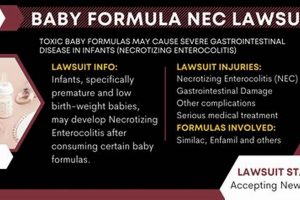
The following section will address legal considerations surrounding cases of NEC potentially linked to infant formula.
baby formula nec
This exploration has detailed the complexities surrounding the relationship between infant formula and necrotizing enterocolitis (NEC), a severe threat to premature infants. Key factors such as prematurity-related gut vulnerability, formula composition variations, immature immune responses, bacterial colonization patterns, and the impact of feeding practices collectively influence the risk. While breast milk remains the optimal nutrition source, formula-fed infants face heightened vulnerability.
Continued research and vigilance remain paramount. Further investigations into formula composition, feeding protocols, and targeted interventions are crucial to minimize NEC incidence and severity. A steadfast commitment to evidence-based practices and informed decision-making is essential to protect the health and well-being of the most vulnerable neonates.


![Formula NEC Lawsuit: Mass Tort Case Leads [2024] | Baby Care 101: Essential Tips for Happy, Healthy Babies](https://singlebabies.com/wp-content/uploads/2026/03/th-9-300x200.jpg "Formula NEC Lawsuit: Mass Tort Case Leads [2024] Baby Care 101: Essential Tips for Happy, Healthy Babies")