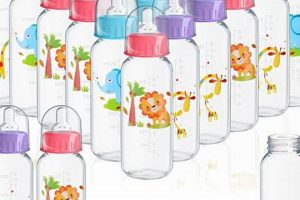
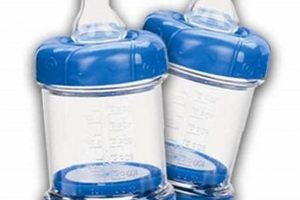
The central question of whether infant feeding containers made from a particular polymer are innocuous is a significant concern for parents. These flexible, often transparent, bottles are marketed as a safer alternative to traditional plastic options. Their composition, based on a synthetic rubber derived from silicon, differentiates them from bottles containing materials like bisphenol A (BPA) or phthalates, substances linked to potential health risks. Understanding the properties of this polymer is crucial in assessing its suitability for infant use.
The rise in popularity of these feeding implements stems from a growing awareness of the potential leaching of harmful chemicals from plastic products, especially when heated. The inherent stability of the silicone polymer structure is often touted as a primary benefit. Furthermore, the materials resistance to temperature extremes and its lack of porosity contribute to its perceived safety. The historical context involves a shift away from polycarbonate bottles, driven by health concerns, leading to the adoption of alternative materials in the infant feeding market.
This article will explore the scientific evidence surrounding the safety of these bottles, examining factors such as potential chemical migration, heat resistance, cleaning protocols, and regulatory oversight. It will also compare them with other bottle types and provide guidance for parents on making informed choices regarding infant feeding equipment.
Guidance on the Safe Use of Silicone Infant Feeding Bottles
The following recommendations aim to provide clarity on best practices when utilizing infant feeding bottles manufactured from silicone materials, promoting responsible and safe use.
Tip 1: Material Verification: Prior to initial use, confirm that the feeding bottle is indeed manufactured from food-grade silicone. Look for certifications from reputable organizations such as the FDA or equivalent regulatory bodies in the country of purchase.
Tip 2: Pre-Use Sterilization: Sterilize new silicone bottles before their first use. Boiling in water for a recommended duration (typically five to ten minutes) effectively eliminates potential contaminants acquired during manufacturing or packaging.
Tip 3: Avoid Abrasive Cleaning Agents: Refrain from using harsh chemicals or abrasive scrub brushes when cleaning silicone bottles. These agents can damage the surface of the material, potentially compromising its integrity and leading to the release of particles.
Tip 4: Temperature Considerations: Although silicone is heat-resistant, avoid exposing the bottles to extreme temperature fluctuations. Rapid transitions from very hot to very cold can potentially weaken the structure over time.
Tip 5: Inspection for Damage: Regularly inspect silicone bottles for signs of wear and tear, such as cracks, tears, or discoloration. Discontinue use immediately if any damage is detected, as damaged bottles may pose a safety risk.
Tip 6: Careful Handling During Cleaning: Exercise caution during cleaning and assembly to prevent accidental tearing or puncturing of the silicone components, particularly the nipples. Using bottle brushes designed for silicone is recommended.
Tip 7: Storage Practices: Store cleaned and dried silicone bottles in a clean, dry environment away from direct sunlight or extreme temperatures. This helps prevent bacterial growth and maintains the integrity of the silicone material.
Adhering to these guidelines can significantly contribute to the safe and effective use of silicone infant feeding bottles, mitigating potential risks and promoting infant well-being.
The subsequent section will address related considerations, including comparisons with alternative bottle materials and long-term usage implications.
1. Material Stability

The integrity of silicone used in infant feeding bottles is fundamentally linked to their safety. Material stability refers to the ability of the silicone to resist degradation and maintain its structural and chemical properties under various conditions, including exposure to heat, sterilization processes, and contact with different liquids. Compromised stability can lead to the release of chemicals into the contents of the bottle, potentially posing a risk to the infant. For instance, poorly formulated silicone may break down during repeated sterilization, releasing siloxanes, a class of silicon-oxygen compounds. Therefore, rigorous testing and adherence to quality control measures during manufacturing are paramount to ensuring material stability and thus the overall safety of the bottle.
The stability of silicone is influenced by factors such as the type of silicone polymer used, the curing process, and the presence of any additives. Higher-quality, medical-grade silicone typically exhibits superior stability compared to lower-grade alternatives. Properly cured silicone is less likely to leach chemicals, as the curing process cross-links the polymer chains, creating a more robust and inert structure. In contrast, inadequate curing can leave residual monomers or other volatile compounds within the material, increasing the potential for migration into the bottle’s contents. Examples of scenarios highlighting this include instances where improperly manufactured silicone products have been recalled due to detectable levels of volatile organic compounds.
In conclusion, the material stability of silicone infant feeding bottles is a critical determinant of their safety. Ensuring the use of high-quality, properly cured silicone and implementing stringent quality control measures are essential to minimizing the risk of chemical leaching and maintaining the integrity of the feeding bottle over its lifespan. Addressing potential material instability is not merely a manufacturing concern but a fundamental requirement for safeguarding infant health. Subsequent discussion should focus on the regulatory standards and testing protocols in place to verify the material stability of these products.
2. Chemical Leaching

The assessment of whether these bottles are innocuous hinges significantly on the potential for chemical leaching. Chemical leaching refers to the migration of substances from the silicone material into the liquid contents of the bottle during normal use, sterilization, or storage. This migration is a critical safety concern as leached chemicals could be ingested by the infant, potentially leading to adverse health effects. The composition of the silicone, the manufacturing processes employed, and the conditions of use all influence the likelihood and extent of chemical leaching. Therefore, evaluations of bottle safety must thoroughly investigate and quantify this risk. The presence of even trace amounts of certain chemicals, such as siloxanes or additives used in the silicone formulation, can raise concerns about endocrine disruption, developmental effects, or other health problems.
Several factors can exacerbate chemical leaching. Elevated temperatures, such as those encountered during sterilization or heating of formula, can accelerate the release of chemicals from the silicone matrix. Similarly, the acidity or alkalinity of the liquid contents, as well as prolonged contact time, can influence the rate of leaching. Rigorous testing protocols are essential to simulate these real-world conditions and assess the potential for chemical release under various scenarios. Such testing should include exposure to different temperature ranges, pH levels, and contact durations. Real-world examples of recalls involving silicone products, not necessarily limited to infant bottles, due to excessive chemical migration underscore the importance of stringent quality control measures and comprehensive testing.
In summary, the potential for chemical leaching represents a significant consideration in determining the safety of silicone infant feeding bottles. Comprehensive assessment requires meticulous evaluation of the silicone composition, manufacturing processes, and conditions of use. Implementation of rigorous testing protocols, adherence to strict quality control standards, and continuous monitoring of chemical migration levels are essential to minimize the risk of infant exposure to potentially harmful substances. Addressing this concern is paramount to ensuring these bottles are indeed a safe alternative for infant feeding. The subsequent discourse will examine heat resistance and its relation to maintaining the integrity of these feeding containers.
3. Heat Resistance
The heat resistance of silicone baby bottles is intrinsically linked to their safe usage. Silicone’s ability to withstand high temperatures without degrading or releasing harmful chemicals is a primary factor in its adoption as a feeding container material. Sterilization processes, often involving boiling water or steam, necessitate a material that remains stable under these conditions. Inadequate heat resistance can lead to structural weakening, distortion, or the leaching of chemical compounds into the infant’s formula or milk. The safe use of such bottles, therefore, directly correlates with the silicone’s capacity to endure repeated heating cycles without compromising its integrity or releasing contaminants.
The degree of heat resistance required for these bottles extends beyond sterilization. Everyday use often involves warming milk or formula, either in a bottle warmer or by placing the bottle in hot water. Consistent exposure to these temperatures demands a material that maintains its chemical inertness and structural soundness. For example, if a silicone bottle exhibits low heat resistance, it may warp or crack when subjected to standard warming procedures, creating potential safety hazards. Furthermore, the release of microplastics or other degradation products becomes a genuine concern if the silicone’s heat resistance is insufficient, impacting infant health through potential ingestion.
In conclusion, the heat resistance of silicone baby bottles is not merely a desirable property but a critical safety requirement. This characteristic ensures the bottle can withstand sterilization and warming processes without compromising its structural integrity or releasing potentially harmful chemicals. Vigilant testing and adherence to manufacturing standards are essential to guarantee adequate heat resistance and, consequently, the safety of the bottles for infant feeding. This directly addresses are silicone baby bottles safe concerns, and this aspect is part of the assessment process. Further investigations into cleaning protocols and regulatory oversight are necessary to provide a comprehensive understanding of the overall safety profile.
4. Cleaning Protocols

Cleaning protocols are inextricably linked to the safety of silicone infant feeding bottles. Inadequate or inappropriate cleaning can compromise the integrity of the bottle, leading to bacterial contamination or the buildup of residue from formula or milk. This, in turn, can directly affect infant health, potentially causing gastrointestinal distress or infections. The efficacy of cleaning procedures directly impacts whether these bottles can be considered a safe and hygienic feeding option. For instance, insufficient rinsing after washing may leave traces of soap or detergent, posing a risk of ingestion by the infant. Similarly, failure to sterilize bottles properly can allow harmful bacteria to proliferate, increasing the risk of illness.
The composition of silicone, while generally resistant to bacterial growth, is not entirely impervious. Surface scratches or damage, often caused by abrasive cleaning tools, can create microscopic crevices where bacteria can accumulate and resist removal. Appropriate cleaning methods involve the use of warm, soapy water and a bottle brush designed for silicone materials. Sterilization, either through boiling, steaming, or the use of a sterilizer, is also critical, particularly for newborns with compromised immune systems. Proper drying of the bottles after cleaning is equally important to prevent bacterial multiplication. Examples of outbreaks linked to contaminated infant feeding equipment highlight the practical significance of adhering to rigorous cleaning protocols.
In summary, effective cleaning protocols are essential for maintaining the safety and hygiene of silicone infant feeding bottles. These procedures minimize the risk of bacterial contamination and residue buildup, safeguarding infant health. Adherence to recommended cleaning practices, including appropriate washing, sterilization, and drying techniques, is a critical factor in determining whether are silicone baby bottles safe. Further research into regulatory oversight and ongoing monitoring of cleaning standards are necessary to maintain confidence in the safety of these feeding products.
5. FDA Regulations

The regulatory framework established by the Food and Drug Administration (FDA) plays a crucial role in determining whether these bottles can be considered safe for infant use. FDA regulations dictate the standards for materials used in food-contact articles, including infant feeding bottles. These regulations aim to prevent the migration of harmful substances from the bottle material into the infant’s food, thus safeguarding against potential health risks. Compliance with FDA standards is a prerequisite for marketing these bottles in the United States. The presence of FDA approval or clearance signifies that the manufacturer has demonstrated that the bottles meet specified safety criteria, including limits on chemical migration and material stability. Without adherence to these regulations, the potential for harmful chemicals to leach into the infant’s food becomes a significant concern, directly undermining the safety of the feeding process. A real-life example of the importance of FDA regulation includes instances where products have been recalled due to non-compliance with migration limits, highlighting the practical significance of these regulations in protecting public health.
The FDA’s oversight extends beyond initial material approval. The agency monitors manufacturing processes and conducts periodic inspections to ensure ongoing compliance with established standards. This ongoing surveillance is essential to maintaining the integrity of the products and preventing deviations from approved formulations or manufacturing practices. Furthermore, the FDA has the authority to take enforcement actions, such as issuing warning letters or initiating recalls, if products are found to be in violation of regulations. This regulatory framework provides a layer of protection for consumers by ensuring that manufacturers are held accountable for the safety of their products. Practical application of these regulations involves manufacturers conducting their own testing to ensure compliance and submitting data to the FDA for review, as well as ongoing monitoring by the agency to ensure continued adherence to safety standards.
In conclusion, FDA regulations are a cornerstone in ensuring the safety of silicone baby bottles. These regulations establish the criteria for material composition, manufacturing processes, and chemical migration limits, providing a framework for protecting infant health. Adherence to these regulations is not merely a legal requirement but a fundamental ethical obligation for manufacturers of infant feeding products. Challenges remain in continuously adapting regulations to address emerging scientific knowledge and new materials. The presence of strong and enforced FDA regulations is thus intrinsically linked to public trust in the safety of these, and other food-contact products, and plays a critical role in ensuring they are a safe option for infant feeding.
6. Bottle Integrity
The structural soundness of infant feeding bottles fabricated from silicone is a primary determinant in assessing their suitability for use. Compromised bottle integrity can introduce physical and chemical hazards, directly impacting infant safety.
- Resistance to Cracking and Tearing
Silicone bottles must withstand repeated use, sterilization, and potential impacts without developing cracks or tears. These flaws can harbor bacteria, resist cleaning, and potentially release silicone particles into the infant’s feed. For instance, exposure to high temperatures during sterilization exceeding the material’s tolerance can weaken its structure. Real-world consequences include the ingestion of silicone fragments and an elevated risk of bacterial contamination, compromising infant health.
- Sealing Performance
A secure seal between the bottle body and nipple is critical to prevent leakage and air ingestion. Poor sealing can lead to colic and discomfort for the infant, as well as inaccurate feeding measurements. Manufacturing defects or wear and tear can compromise the sealing mechanism. An example would be a warped bottle neck preventing airtight closure. The implication is inefficient feeding and potential gastrointestinal issues for the infant, thereby decreasing the safety factor of the container.
- Absence of Structural Weak Points
The design and manufacturing process should eliminate any inherent weak points in the bottle structure. Thin walls or sharp corners can be more susceptible to damage. Repeated dropping or squeezing of the bottle can exacerbate these weaknesses. Failure to address weak points leads to premature failure of the bottle, increasing the risk of contamination and physical harm to the infant, directly affecting the safety profile.
- Color and Clarity Maintenance
Significant changes in color or clarity can indicate degradation of the silicone material. Discoloration or clouding may suggest chemical leaching or the absorption of substances from the contents. While subtle changes may be normal, pronounced alterations warrant concern. Obvious color changes are frequently a sign that the material’s integrity has been compromised and that the bottle should no longer be used. Thus, the maintenance of original color and clarity is one of the indicators that directly answers are silicone baby bottles safe concerns.
These facets underscore the critical connection between bottle integrity and its overall safety. Preserving these attributes through quality manufacturing, careful handling, and regular inspection is paramount. Damage to any of these components increases the potential for harm and reduces its safety, affecting its suitability as a feeding implement for infants.
7. Infant Health
The paramount concern surrounding infant feeding equipment centers on the well-being of the child. The relationship between these feeding containers and infant health is a direct and significant one, influencing nutritional intake, exposure to potential toxins, and the risk of infection. Consequently, the materials and design of feeding bottles merit careful consideration to ensure the infant’s health is not compromised.
- Chemical Exposure Mitigation
Infants are particularly vulnerable to the adverse effects of chemical exposure due to their developing organ systems and higher metabolic rates. The selection of bottle material directly impacts the potential for leaching of harmful substances, such as siloxanes or additives. Exposure to even trace amounts of these chemicals can disrupt endocrine function or impair neurological development. For example, studies have explored the link between certain plastic additives and developmental delays in infants. Choosing bottles made from materials with low leaching potential, like silicone, is essential to minimizing this risk.
- Gastrointestinal Well-being
The design of the feeding bottle can influence an infant’s gastrointestinal comfort. Bottles that promote air ingestion can lead to colic, gas, and discomfort. Similarly, inadequate cleaning can result in bacterial contamination, causing diarrhea or vomiting. For instance, bottles with poor venting systems can contribute to increased air intake during feeding. Selecting bottles with effective venting mechanisms and adhering to rigorous cleaning protocols helps promote digestive comfort and prevent illness.
- Nutritional Adequacy
The ability of a feeding bottle to deliver an appropriate flow rate is crucial for ensuring adequate nutrition. Flow rates that are too fast can lead to choking or overfeeding, while flow rates that are too slow can cause frustration and insufficient intake. The nipple design and the infant’s sucking strength influence the flow rate. For example, a nipple designed for older infants may deliver milk too quickly for a newborn. Selecting nipples with appropriate flow rates for the infant’s age and developmental stage is essential for proper feeding.
- Immune System Support
Minimizing the infant’s exposure to pathogens is paramount for supporting their developing immune system. Feeding bottles that are difficult to clean or sterilize can harbor bacteria and increase the risk of infection. Proper cleaning and sterilization practices, along with the selection of bottles made from materials that resist bacterial growth, are crucial for protecting infant health. An example would be bottles with complex internal components that are hard to reach during cleaning. Choosing simple designs that facilitate thorough cleaning helps maintain a hygienic feeding environment.
These factors collectively emphasize the inextricable link between infant health and these bottles. Careful material selection, proper bottle design, rigorous cleaning practices, and appropriate usage are essential to safeguarding infant well-being. Ongoing research and monitoring are needed to continuously assess and improve the safety of infant feeding equipment. These efforts ensure parents can make informed decisions that prioritize their child’s health and development.
Frequently Asked Questions
The following addresses common inquiries and concerns regarding the safety of silicone infant feeding bottles. This information is intended to provide clarity and promote informed decision-making.
Question 1: What potential risks are associated with silicone infant feeding bottles?
The primary concern revolves around the potential for chemical leaching, specifically siloxanes or additives, from the silicone material into the contents of the bottle. These substances, if ingested, may pose health risks to the infant. Additionally, inadequate cleaning protocols can lead to bacterial contamination, increasing the risk of infection.
Question 2: How does the heat resistance of silicone bottles contribute to safety?
Silicone’s inherent heat resistance is critical for withstanding sterilization processes, which often involve boiling water or steam. A bottle’s inability to withstand these temperatures can lead to structural degradation and the potential release of harmful chemicals. Robust heat resistance is therefore a key indicator of overall safety.
Question 3: What cleaning protocols are recommended for silicone infant feeding bottles?
Recommended cleaning involves washing with warm, soapy water using a bottle brush designed for silicone. Sterilization, through boiling, steaming, or the use of a sterilizer, is also crucial, especially for newborns. Thorough drying is essential to prevent bacterial growth.
Question 4: What role do regulatory agencies, such as the FDA, play in ensuring the safety of these bottles?
Regulatory agencies establish standards for materials used in food-contact articles, including infant feeding bottles. Compliance with these standards, such as limitations on chemical migration, is a prerequisite for marketing bottles. Enforcement actions, such as recalls, are taken when products fail to meet established safety criteria.
Question 5: How can bottle integrity be assessed to ensure safe use?
Inspect bottles regularly for signs of cracking, tearing, or discoloration. A secure seal between the bottle and nipple is also essential to prevent leakage and air ingestion. Structural weaknesses or significant changes in color or clarity warrant immediate discontinuation of use.
Question 6: How do silicone bottles compare to other bottle materials in terms of safety?
Silicone is often considered a safer alternative to certain plastics containing BPA or phthalates, which have been linked to potential health risks. However, all bottle materials have potential risks and benefits. Comprehensive assessment necessitates considering factors like chemical leaching, heat resistance, and ease of cleaning for each material.
In summary, the safety of silicone infant feeding bottles hinges on several factors, including material stability, heat resistance, cleaning protocols, and regulatory oversight. Responsible use involves careful inspection, adherence to recommended cleaning practices, and awareness of potential risks.
The next section will address future trends and emerging research related to infant feeding equipment.
Conclusion
The preceding analysis has explored various facets relevant to the query of are silicone baby bottles safe. It has highlighted the significance of material stability, the potential for chemical leaching, the necessity of heat resistance, the importance of rigorous cleaning protocols, the role of regulatory oversight, the maintenance of bottle integrity, and the overall impact on infant health. These aspects, when collectively considered, provide a comprehensive framework for evaluating the safety profile of such feeding implements. No single factor operates in isolation; rather, it is the convergence of these considerations that ultimately determines the suitability of these bottles for infant use.
The inquiry into whether these bottles are safe is not a static one. Continuous advancements in material science, manufacturing processes, and regulatory standards necessitate ongoing assessment. Parents and caregivers must remain informed about emerging research and recommendations, actively engaging with healthcare professionals and regulatory agencies to ensure they are making well-informed decisions. The ultimate objective remains safeguarding infant health and well-being, and that requires continuous vigilance and informed action.