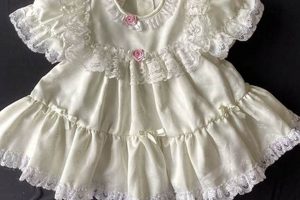
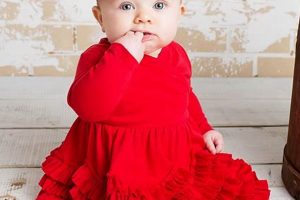
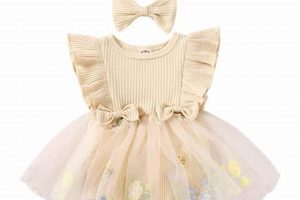
Apparel designed for infants and young children intended for celebratory or special occasions constitutes a distinct category of clothing. These garments frequently incorporate refined fabrics and embellishments, mirroring the aesthetic of adult formal wear, albeit scaled and adapted for the comfort and safety of the wearer. Examples include miniature gowns, tailored suits, and dresses adorned with lace, ribbons, or delicate embroidery.
The purpose of such attire extends beyond mere aesthetics. Participation in significant family events or ceremonial occasions is often marked by the wearing of these specialized garments. These items can serve as tangible representations of familial pride and cultural heritage, contributing to the creation of enduring memories. Historically, the availability and variety of these garments reflect evolving societal attitudes toward children and their inclusion in formal events.
Subsequent sections will delve into specific considerations for selecting suitable garments, including material choices, safety standards, size and fit guidelines, and popular style trends prevalent in the market.
Selection Guidance for Infant and Toddler Formal Attire
The following guidelines provide essential considerations for selecting appropriate celebratory garments for infants and young children.
Tip 1: Prioritize Comfort and Safety: Fabric selection is paramount. Opt for breathable, natural fibers like cotton or linen to minimize skin irritation. Avoid embellishments that present choking hazards, such as small beads or loosely attached sequins.
Tip 2: Verify Appropriate Sizing: Garments should allow for unrestricted movement. Consult size charts carefully, prioritizing measurements over stated age ranges. Consider purchasing slightly larger sizes to accommodate growth and prevent constriction.
Tip 3: Assess Closure Mechanisms: Choose garments with secure and easily manageable closures, such as snaps or zippers located away from sensitive skin areas. Avoid intricate button fastenings that may pose difficulties for caregivers.
Tip 4: Evaluate Construction Quality: Examine seams and hems for durability and absence of rough edges that could cause discomfort or chafing. Prioritize garments with reinforced stitching to withstand potential wear and tear.
Tip 5: Consider Event Appropriateness: Select attire that aligns with the formality and location of the event. Overly elaborate garments may be unsuitable for casual gatherings or outdoor settings.
Tip 6: Factor in Seasonal Conditions: Choose fabrics and styles appropriate for the prevailing weather conditions. Layering options provide adaptability to changing temperatures and ensure comfort.
Tip 7: Review Care Instructions: Prioritize garments with straightforward cleaning instructions to facilitate convenient maintenance. Consider the potential for stains and select fabrics that are easily washable or stain-resistant.
Careful consideration of these factors ensures the selection of suitable and comfortable attire for infants and young children participating in formal events, promoting their well-being and enjoyment.
The subsequent section will address style trends and available options within this specialized apparel category.
1. Fabric Softness

The inherent characteristic of fabric softness plays a critical role in the design and selection of infant and toddler celebratory attire. Direct skin contact necessitates meticulous material choices, ensuring minimal irritation and maximal comfort for the wearer.
- Tactile Sensitivity and Irritation Reduction
Infants possess heightened tactile sensitivity compared to adults. Rough or coarse fabrics can readily induce irritation, rashes, or discomfort, leading to fussiness and distress. Soft fabrics, conversely, promote comfort and minimize the risk of adverse skin reactions. Examples include organic cotton, bamboo, and microfleece blends, known for their gentle texture and hypoallergenic properties.
- Freedom of Movement and Flexibility
Stiff or rigid fabrics can restrict movement, hindering a child’s ability to explore and interact comfortably. Soft and pliable materials allow for a greater range of motion, facilitating natural movements and preventing chafing or binding. This is particularly important in formal attire, which may involve extended periods of wear and activity.
- Thermal Regulation and Breathability
Soft, breathable fabrics facilitate effective thermal regulation, allowing moisture to escape and preventing overheating. Materials like cotton and linen promote air circulation, minimizing the risk of heat rash or discomfort, particularly in warmer climates or indoor settings. Conversely, synthetic fabrics lacking breathability can trap moisture and lead to overheating, which is detrimental to a child’s well-being.
- Long-Term Skin Health
Consistent exposure to harsh or irritating fabrics can compromise the integrity of a child’s skin barrier, predisposing them to eczema or other dermatological conditions. The use of soft, gentle materials supports healthy skin development and minimizes the risk of long-term skin problems. Furthermore, selecting fabrics free from harsh chemicals or dyes reduces the potential for allergic reactions or sensitivities.
Therefore, careful consideration of fabric softness during the selection process for infant and toddler celebratory garments is not merely an aesthetic preference, but a fundamental requirement for ensuring comfort, well-being, and long-term skin health. The utilization of exceptionally soft, breathable materials, coupled with meticulous construction techniques, contributes significantly to a positive and comfortable experience for the child.
2. Safety Standards

The integration of safety standards into the design and manufacture of infant and toddler formal attire is a non-negotiable aspect of responsible apparel production. These standards are designed to mitigate potential hazards and safeguard the well-being of the child, ensuring that celebratory garments do not pose unnecessary risks.
- Choking Hazard Mitigation
A primary safety concern involves the prevention of choking hazards. Garments must be devoid of small, detachable components, such as beads, buttons, sequins, or ribbons that a child could potentially ingest. Secure attachment methods, rigorous testing for component detachment strength, and compliance with small parts regulations are critical. Failure to adhere to these standards can result in severe injury or fatality. Real-world examples include recalls of garments due to loosely attached embellishments.
- Flammability Resistance
Fabrics used in children’s clothing must meet flammability standards to reduce the risk of burn injuries. Synthetic materials like polyester are often treated with flame retardants, while natural fibers like cotton may require specific weaving techniques to enhance flame resistance. Compliance with flammability regulations, such as those set by the Consumer Product Safety Commission (CPSC), is mandatory. Instances of non-compliant, highly flammable attire highlight the importance of strict adherence to these standards.
- Material Toxicity
The use of non-toxic dyes, finishes, and materials is essential to prevent skin irritation, allergic reactions, or exposure to harmful chemicals. Garments should be free from lead, phthalates, formaldehyde, and other hazardous substances. Certifications like OEKO-TEX Standard 100 guarantee that textiles have been tested for harmful substances. Past incidents involving garments containing toxic dyes underscore the necessity of rigorous material testing and compliance with chemical safety regulations.
- Construction Integrity
Secure seam construction, durable closures, and the absence of sharp edges or protruding elements are crucial for preventing injuries. Garments should be designed to withstand normal wear and tear without posing a risk of entanglement or laceration. Reinforcement of stress points and thorough inspection for defects are vital aspects of construction integrity. Real-world examples include garments with faulty zippers or poorly secured straps that have resulted in injuries.
- Entanglement Prevention
Design characteristics of baby formal dresses must consider the risk of entanglement, particularly from long straps, ribbons, or decorative cords. Securely fastening these elements or limiting their length is critical to prevent accidental strangulation or injury. Regulatory bodies often set specific guidelines regarding the length and attachment of these features on children’s clothing. Incidents involving entanglement hazards in other children’s products emphasize the importance of addressing this risk in formal wear design.
The facets outlined above collectively underscore the significance of safety standards in the context of infant and toddler formal attire. By prioritizing these standards, manufacturers, retailers, and caregivers contribute to the creation of a safer environment for children, ensuring that celebratory garments enhance rather than compromise their well-being. The ethical and legal imperative to adhere to these standards cannot be overstated.
3. Size Accuracy

Size accuracy in the context of infant and toddler formal attire directly affects comfort, safety, and overall appearance. Inaccurate sizing can lead to discomfort, restricting movement and causing distress, especially during extended periods of wear at formal events. Garments that are too small can constrict circulation and impede breathing, while oversized attire poses tripping hazards and detracts from the intended formal presentation. The correlation between precise sizing and a child’s well-being is thus evident, illustrating the critical role of accurate measurements and standardized size charts.
The absence of universal sizing standards exacerbates the challenge of selecting appropriately sized garments. Variations among manufacturers necessitate careful attention to specific size charts and, ideally, actual measurements of the child. Consumer reports frequently cite sizing inconsistencies as a primary source of dissatisfaction with online apparel purchases. Real-life examples include parents reporting significant discrepancies between labeled sizes and actual garment dimensions, leading to returns and exchanges. Furthermore, inaccurate sizing can impact the garment’s aesthetic appeal, altering the intended silhouette and affecting the overall formal presentation. This is particularly critical for garments designed for special occasions where visual appearance is paramount.
Achieving size accuracy necessitates a collaborative effort between manufacturers, retailers, and consumers. Manufacturers must implement rigorous quality control measures to ensure consistent sizing across their product lines. Retailers should provide detailed size charts, measurement guides, and customer support to assist in the selection process. Consumers, in turn, need to take accurate measurements of their children and consult available size information before making a purchase. The pursuit of size accuracy contributes significantly to customer satisfaction, reduces return rates, and, most importantly, enhances the comfort and safety of infants and toddlers in formal attire.
4. Style Appropriateness
Style appropriateness, in the context of infant and toddler formal attire, signifies the alignment of garment design and aesthetic with the specific occasion, developmental stage, and comfort requirements of the child. It transcends mere fashion trends, necessitating consideration of practicality, cultural norms, and the overall event atmosphere. Proper application of style appropriateness ensures the garment complements the occasion without compromising the child’s well-being or dignity.
- Age-Appropriate Design
Age-appropriate design dictates that the garment’s style reflects the developmental stage of the infant or toddler. Overly mature or complex designs can appear incongruous and uncomfortable. For example, a toddler attempting to navigate a formal setting in a floor-length gown may experience difficulty and frustration. Instead, simpler designs with shorter hemlines and ease of movement are more suitable. Real-world examples include selecting A-line dresses for toddlers versus elaborate, multi-layered gowns more appropriate for older children. The implications of neglecting age-appropriateness extend to both comfort and the child’s ability to participate fully in the event.
- Occasion-Specific Aesthetics
The aesthetic of the attire should correlate with the formality and nature of the event. A christening ceremony calls for softer colors and delicate fabrics, such as pastel shades and lightweight cotton or linen. Conversely, a wedding reception may accommodate richer fabrics and bolder colors, but still within the bounds of tasteful elegance. Examples include opting for a simple white dress with lace detailing for a christening versus a slightly more embellished dress with subtle floral patterns for a wedding. Failure to consider the event’s tone can result in attire that appears out of place or disrespectful.
- Cultural and Social Norms
Cultural and social norms often influence the selection of formal attire, particularly for significant ceremonies or celebrations. Certain cultures may have specific color preferences, fabric requirements, or design motifs that are considered appropriate for infants and toddlers. Ignoring these norms can lead to social awkwardness or offense. Real-world examples include adhering to specific color palettes for religious ceremonies or incorporating traditional patterns into the garment design. Awareness and respect for these norms are crucial aspects of style appropriateness.
- Weather and Seasonal Considerations
Selecting apparel for children has weather consideration. The temperature of a specific season and events should be factored into choosing the correct materials. During warmer months, fabrics that are more open and light are considered and heavier materials such as wool and fleece are considered in colder seasons for special occasion wear.
The elements outlined above exemplify the multifaceted nature of style appropriateness in the context of infant and toddler formal attire. By carefully considering these factors, caregivers and designers can ensure that formal garments not only enhance the child’s appearance but also contribute positively to their overall experience and well-being at significant events.
5. Durability
Durability is a critical, albeit often overlooked, characteristic of infant and toddler formal attire. While aesthetic appeal and adherence to style guidelines are primary considerations, the inherent fragility associated with garments intended for very young children necessitates a heightened focus on resilience and longevity. The cause-and-effect relationship is straightforward: inadequate durability results in premature garment failure, requiring frequent replacements and thereby negating any initial cost savings. The importance of durability stems from the active nature of infants and toddlers; formal events often involve periods of crawling, exploring, and interaction, placing significant stress on fabrics and seams. For instance, a dress constructed with delicate lace and poorly reinforced seams may quickly succumb to tearing or unraveling, rendering it unusable after a single occasion. This understanding translates directly into practical purchasing decisions, emphasizing the selection of garments constructed from robust materials and featuring reinforced stitching.
The practical applications of prioritizing durability extend beyond mere cost-effectiveness. A durable garment reduces the risk of unexpected wardrobe malfunctions during formal events, preventing potential embarrassment or discomfort. Furthermore, durable attire can be passed down to younger siblings or relatives, promoting sustainability and minimizing textile waste. Real-life examples include formal dresses constructed from high-quality cotton blends or linen, known for their resistance to abrasion and tearing. These garments, while potentially more expensive upfront, offer superior longevity compared to those made from cheaper, less durable synthetic materials. The assessment of durability should encompass not only the fabric itself but also the quality of zippers, buttons, and other closures, as these components are often the first to fail under stress.
In conclusion, while the allure of intricate designs and delicate fabrics is undeniable, the significance of durability in infant and toddler formal attire cannot be understated. By prioritizing garments constructed from robust materials and featuring reinforced stitching, caregivers can ensure that these special-occasion items withstand the rigors of childhood activity and provide lasting value. The challenge lies in balancing aesthetic preferences with practical considerations, requiring a discerning eye and a willingness to invest in quality over fleeting trends. This focus on durability aligns with a broader theme of responsible consumption and sustainable practices within the children’s apparel industry.
Frequently Asked Questions
The following section addresses common inquiries and concerns related to the selection, care, and appropriate usage of formal attire for infants and toddlers. The intent is to provide clear and concise information to assist caregivers in making informed decisions.
Question 1: What materials are most suitable for garments intended for infants with sensitive skin?
Natural fibers, such as organic cotton, linen, and bamboo, are generally recommended due to their inherent breathability and hypoallergenic properties. These materials minimize the risk of skin irritation and promote comfort. Synthetic fabrics, unless specifically designed for sensitive skin, should be avoided.
Question 2: What safety considerations are paramount when selecting garments with embellishments?
Embellishments, such as beads, sequins, or buttons, should be securely attached to prevent choking hazards. Garments should undergo rigorous testing to ensure that embellishments cannot be easily detached by a child. If detachable embellishments are unavoidable, they should be of a size too large to be swallowed.
Question 3: How does one ensure accurate sizing when purchasing apparel online?
Consult the manufacturer’s size chart meticulously, paying close attention to measurements rather than relying solely on age ranges. Whenever possible, measure the child’s chest, waist, and length to compare against the size chart. When in doubt, it is generally advisable to select a slightly larger size to accommodate growth.
Question 4: What are the recommended cleaning and care instructions for delicate formal garments?
Adhere strictly to the garment’s care label instructions. Hand-washing or gentle machine-washing cycles are typically preferred for delicate fabrics. Avoid harsh detergents, bleach, and excessive heat. Air-drying is recommended to prevent shrinkage or damage. Professional dry cleaning may be necessary for certain fabrics or embellishments.
Question 5: What design elements are most conducive to infant comfort and mobility?
Garments should allow for unrestricted movement. Avoid tight-fitting designs, restrictive waistbands, or overly long hemlines that could impede mobility or create tripping hazards. Consider designs with adjustable closures to accommodate growth and diaper changes. Light and flowy dresses provide excellent range of motion for toddlers.
Question 6: At what point should garments featuring intricate details be avoided due to developmental considerations?
As children become more mobile and actively explore their surroundings, garments with excessive frills, long trains, or delicate embellishments may pose safety hazards. It is advisable to transition to simpler, more practical designs as the child’s activity level increases.
This information aims to provide a foundation for informed decision-making when selecting formal attire for infants and toddlers. Adherence to these guidelines can contribute to a more comfortable and safe experience for the child.
The following section will examine current trends and emerging styles within the market for infant and toddler formal wear.
Baby Formal Dresses
This exploration has provided a detailed examination of considerations surrounding formal attire for infants and toddlers. Key aspects addressed include fabric selection, safety standards, sizing accuracy, style appropriateness, and garment durability. Each element contributes significantly to the overall suitability and well-being of the child. Emphasis was placed on the importance of prioritizing comfort and safety above fleeting fashion trends, acknowledging the unique needs and vulnerabilities of this demographic.
Moving forward, continued vigilance in adhering to established safety protocols and an unwavering commitment to ethical manufacturing practices are essential. The discerning consumer must remain informed and prioritize quality and functionality in selection, ensuring that formal occasions are celebrated responsibly and without compromising the health and security of the youngest participants. The long-term impact of informed purchasing decisions extends beyond individual events, shaping the future of the children’s apparel industry and promoting a culture of responsible consumerism.