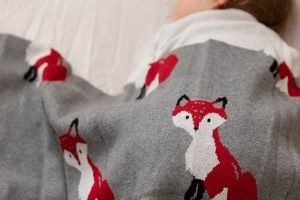
The central question concerns the suitability of handcrafted, yarn-based coverings for use with infants. These items, often made with intricate stitches and soft materials, are typically intended to provide warmth and comfort. However, considerations regarding safety during sleep are paramount when evaluating their appropriateness for young children.
The appeal of these blankets lies in their aesthetic qualities, personalized nature, and perceived comfort. Historically, handmade textiles have been gifted to newborns as symbols of care and affection. However, pediatric safety guidelines have evolved to prioritize minimizing potential hazards within an infant’s sleep environment to reduce the risk of Sudden Infant Death Syndrome (SIDS).
Therefore, a thorough examination of the potential risks and benefits associated with using such items in cribs or bassinets is warranted. This analysis should encompass factors like material composition, stitch density, overall size, and adherence to established safe sleep recommendations to determine their appropriateness for infant use.
Safety Considerations for Yarn-Based Infant Coverings
Prior to introducing handcrafted or commercially produced yarn-based coverings to an infant, careful consideration must be given to potential hazards. Adherence to established safety guidelines is crucial in minimizing risks associated with infant sleep environments.
Tip 1: Assess Stitch Density: Closely examine the tightness of the crochet work. Loose stitches can create openings through which small fingers and toes can become entangled, posing a potential injury risk. A dense, compact stitch is preferable.
Tip 2: Evaluate Material Composition: Opt for natural, breathable fibers such as cotton or merino wool. Synthetic materials may restrict airflow and contribute to overheating. Confirm that the chosen yarn is labeled as non-toxic and free of harmful dyes.
Tip 3: Monitor for Loose Embellishments: Avoid blankets with buttons, ribbons, or other decorative elements that could detach and become choking hazards. Securely woven-in designs are a safer alternative.
Tip 4: Restrict Usage in Crib During Sleep: The American Academy of Pediatrics recommends keeping the crib free of loose bedding, including blankets, pillows, and bumpers, for at least the first year. Consider using a wearable blanket or sleep sack as a safer alternative for warmth during sleep.
Tip 5: Supervise Usage When Awake: If using a covering while the infant is awake and under direct supervision, ensure it does not cover the infant’s face or restrict movement. Constant monitoring is necessary to prevent potential hazards.
Tip 6: Maintain Regular Cleaning: Wash the item frequently according to the manufacturer’s instructions to remove dust, allergens, and potential irritants. Use a gentle, fragrance-free detergent specifically designed for infant clothing.
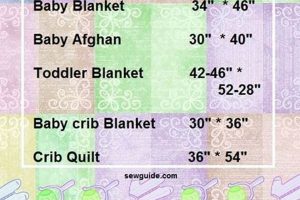
Tip 7: Consider Size and Weight: Select a covering that is appropriately sized for the infant’s age and development. Overly large or heavy items can pose a suffocation risk. A lightweight, smaller size is recommended for supervised use.
By carefully evaluating these factors, caregivers can make informed decisions regarding the suitability of these handcrafted textiles for use with infants. Prioritizing safety and adhering to expert recommendations are essential in creating a secure sleep environment.
The subsequent sections will explore alternative options and delve deeper into the potential health implications associated with certain materials and designs.
1. Loose Weave Hazard

The potential for loose weave configurations to compromise infant safety necessitates a detailed examination of the construction of handcrafted, yarn-based coverings. This hazard arises from the gaps created within the weave pattern, presenting a tangible risk to infants.
- Entrapment of Digits
The open spaces inherent in a loose weave allow for the potential entrapment of fingers and toes. An infant’s exploratory nature often leads to the insertion of extremities into these openings. Subsequent movement can tighten the yarn around the digit, potentially restricting circulation and causing discomfort or injury. Real-world instances include reports of minor abrasions or, in more severe cases, temporary swelling due to restricted blood flow. This directly relates to the question of blanket safety, as entrapment can lead to distress and potential harm.
- Strangulation Risk
Elongated loops or strands of yarn, characteristic of a loose weave, can inadvertently wrap around an infant’s neck. While less common than digit entrapment, the potential for accidental strangulation exists. This risk is heightened when the covering is used unsupervised or within the confines of a crib where the infant’s movements are less easily monitored. The implications are severe, as even brief periods of restricted airflow can have detrimental consequences. Therefore, the presence of such loops significantly undermines the safety profile.
- Compromised Structural Integrity
A loose weave typically indicates a less robust construction. This fragility can lead to the blanket unraveling over time, creating loose strands of yarn that pose both entanglement and ingestion hazards. The gradual degradation of the blanket’s structure presents a continuous risk, as the potential for loose yarn increases with each use and washing. This long-term degradation makes consistent monitoring essential, increasing the burden on caregivers.
- Reduced Thermal Regulation
While not directly a physical hazard, a loose weave offers less insulation compared to a tightly woven fabric. This can lead to ineffective temperature regulation, potentially causing the infant to become either too cold or, conversely, requiring the addition of more layers, which then introduces other potential hazards related to overheating or excessive bedding in the crib. The indirect impact on safe sleep practices further illustrates the complexities of assessing the suitability of loosely woven coverings.
In summary, the loose weave presents multifaceted challenges to infant safety, extending beyond immediate physical threats to include compromised structural integrity and indirect effects on thermal regulation. These considerations strongly advise against the unsupervised use of loosely crocheted items in infant sleep environments and underscore the importance of prioritizing tightly woven alternatives.
2. Fiber Composition Matters
The selection of yarn fiber is paramount when assessing the safety of crocheted coverings for infants. The inherent properties of various fibers directly influence factors such as breathability, allergenicity, and overall comfort, thereby impacting the suitability of the finished product for use with babies.
- Natural Fibers vs. Synthetics
Natural fibers, such as cotton, merino wool, and bamboo, offer superior breathability compared to synthetic alternatives like acrylic or polyester. Cotton allows for air circulation, reducing the risk of overheating, a significant concern for infants. Merino wool provides excellent temperature regulation, wicking away moisture to maintain a comfortable environment. Synthetic fibers, conversely, can trap heat and moisture, potentially leading to discomfort and increasing the risk of skin irritation. The choice between natural and synthetic fiber has direct implications for thermal regulation and potential skin sensitivity, both relevant to infant well-being.
- Allergenicity and Irritants
Certain fibers, whether natural or synthetic, can trigger allergic reactions in sensitive infants. Wool, although a natural fiber, contains lanolin, a potential allergen for some. Dyes and chemical treatments applied to yarn can also cause skin irritation. Organic cotton, processed without harsh chemicals, minimizes the risk of allergic responses. Prioritizing hypoallergenic options and thoroughly washing the covering before use can mitigate potential adverse reactions. The selection of low-allergen fibers helps reduce the likelihood of skin reactions.
- Flame Retardancy Considerations
While some synthetic fibers possess inherent flame-retardant properties, these often come at the cost of chemical treatments that may be harmful to infants. Natural fibers generally lack flame retardancy and should not be exposed to open flames. The focus should be on preventing fire hazards in the sleep environment rather than relying on flame-retardant treatments. Choosing untreated natural fibers and maintaining a smoke-free environment represent a safer approach. The absence of chemical flame retardants promotes a less toxic sleep environment.
- Durability and Maintenance
The durability and ease of maintenance of the chosen fiber affect the longevity and hygiene of the item. Cotton and acrylic yarns are typically machine washable, simplifying the cleaning process and removing potential allergens or irritants. Delicate fibers like merino wool require hand washing or gentle machine cycles to prevent damage. A covering that can be easily and effectively cleaned contributes to a healthier sleep environment. Proper maintenance ensures the consistent cleanliness and safety of the product.
In conclusion, careful consideration of fiber composition is crucial when evaluating the suitability of crocheted coverings for infants. Natural, breathable, and hypoallergenic fibers minimize the risk of overheating, allergic reactions, and skin irritation. Prioritizing these factors promotes a safer and more comfortable sleep environment, aligning with established recommendations for infant care. Fiber consideration should be a main priority when thinking about if the crochet blankets are safe for babies.
3. Suffocation Potential Exists

The inherent risk of suffocation associated with soft bedding necessitates a thorough investigation into the suitability of crocheted coverings for infant use. The presence of loose blankets, regardless of their handcrafted nature, introduces a potential hazard within the infant sleep environment.
- Airway Obstruction from Overlying
An infant’s limited motor skills and lack of head control make them vulnerable to airway obstruction if a blanket inadvertently covers their face. Crocheted items, particularly those with loose weaves or larger dimensions, can easily shift during sleep, potentially blocking the infant’s nose and mouth. The inability to reposition themselves independently renders the infant susceptible to suffocation. Instances of accidental suffocation due to soft bedding underscore the critical need to minimize such hazards in the crib, highlighting the complexities of blanket use in infant care.
- Rebreathing of Expired Air
Even without direct airway obstruction, a blanket positioned close to the infant’s face can create a pocket where the infant rebreathes expired air. This recycled air is depleted of oxygen and enriched with carbon dioxide, leading to a decrease in oxygen levels and a potential risk of hypoxia. The density and breathability of the crocheted material influence the extent to which this rebreathing occurs. Thicker, less breathable yarns exacerbate the problem, further compromising the infant’s respiratory function.
- Entanglement Leading to Restricted Breathing
As explored previously, loose loops or strands of yarn present entanglement risks. In addition to potential digit entrapment, these loops can wrap around the infant’s neck or chest, restricting breathing. Even slight pressure on the chest can impede respiratory effort, particularly in infants with immature respiratory systems. The dynamic nature of infant movement during sleep increases the likelihood of entanglement, emphasizing the need for vigilant monitoring and hazard mitigation.
- Increased Risk Factors for Vulnerable Infants
Premature infants and those with underlying respiratory conditions are at an elevated risk of suffocation from soft bedding. Their weaker musculature and compromised respiratory function make them less able to overcome airway obstruction or compensate for reduced oxygen levels. In these vulnerable populations, the use of any loose bedding, including crocheted items, should be strictly avoided. Healthcare providers typically advise against the use of crochet blankets in vulnerable infant cases because of these dangers.
The multifaceted suffocation potential associated with crocheted coverings necessitates a conservative approach to their use in infant care. Adherence to safe sleep guidelines, including the avoidance of loose bedding in the crib, remains the cornerstone of preventing sleep-related infant deaths. The examples provided reinforce the dangers and the recommendation that crochet blankets should only be considered with direct and consistent monitoring of the infant.
4. Supervision is Paramount
The principle that constant observation is vital when yarn-based coverings are used with infants stems directly from concerns about safety. These items, while often aesthetically pleasing and comforting, introduce potential hazards that require attentive monitoring to mitigate. Uninterrupted surveillance by a responsible caregiver can significantly reduce the risks associated with entanglement, airway obstruction, and overheating. For instance, if a blanket shifts and begins to cover an infant’s face, immediate intervention can prevent a suffocation incident. Similarly, observant caregivers can promptly address situations where fingers or toes become entangled in loose stitches, preventing potential injury. The degree to which a yarn-based covering is deemed safe hinges on the consistent application of vigilance during its use.
The practical significance of this understanding extends to various scenarios. During awake time, when an infant is lying on a play mat, a supervised covering can provide warmth and comfort. However, the moment the caregiver’s attention is diverted, the covering should be removed. Similarly, while traveling in a car seat, a carefully positioned covering can offer a sense of security, but constant visual checks are essential to ensure it does not impede breathing or cause overheating. Educational initiatives targeting new parents should emphasize the distinction between supervised and unsupervised use, clearly articulating the inherent risks of leaving infants unattended with such items. Real-world cases demonstrate how a momentary lapse in supervision can lead to dire consequences, underscoring the need for unwavering attentiveness.
In summary, the safety profile of yarn-based infant coverings is inextricably linked to the diligence of caregiver supervision. While these items may offer perceived benefits in terms of comfort and aesthetics, the potential risks necessitate a commitment to constant monitoring. Challenges remain in consistently applying this principle, particularly during periods of caregiver fatigue or distraction. However, by prioritizing vigilance and adhering to safe sleep guidelines, the risks associated with yarn-based infant coverings can be significantly reduced, contributing to a safer environment for vulnerable infants.
5. Alternatives Offer Security

The evaluation of yarn-based coverings for infants inevitably leads to a discussion of safer alternatives. The central concern regarding those coverings is their potential contribution to sleep-related deaths, primarily through suffocation or overheating. Therefore, the availability and implementation of secure alternatives become integral to minimizing risks. These alternatives, designed to mitigate the hazards associated with loose bedding, offer a more controlled and predictable sleep environment for infants.
One prominent alternative is the wearable blanket, often referred to as a sleep sack. This garment, typically sleeveless and fitted at the shoulders, allows for freedom of movement while preventing the risk of the covering migrating over the infant’s face. The design inherently eliminates the suffocation hazard posed by loose blankets. Another option involves the use of fitted crib sheets alone, ensuring a firm and flat sleep surface free from any additional items. These sheets, designed to fit snugly around the crib mattress, minimize the risk of entanglement or displacement. These options, and others that follow safe sleep recommendations, are not alternatives because blankets aren’t safe, they are safer ways to keep the baby safe, secure, and warm.
The adoption of safer alternatives represents a proactive approach to infant care. Healthcare providers and organizations such as the American Academy of Pediatrics strongly advocate for the use of wearable blankets or fitted sheets in lieu of loose bedding. The emphasis on these alternatives stems from the understanding that eliminating potential hazards is more effective than attempting to manage risks associated with inherently unsafe items. By prioritizing these secure alternatives, caregivers can create a sleep environment that aligns with established safety guidelines, thereby reducing the likelihood of sleep-related incidents. Therefore, “Alternatives Offer Security” is not merely a suggestion but a critical component of ensuring infant safety and promoting restful sleep.
Frequently Asked Questions About Yarn-Based Coverings and Infant Safety
This section addresses common inquiries and clarifies misunderstandings concerning the use of handcrafted or commercially produced yarn-based coverings with infants. The information presented is intended to promote informed decision-making and prioritize infant safety.
Question 1: Are all yarn-based coverings inherently unsafe for infants?
No. The safety profile of a covering is contingent upon various factors, including the tightness of the weave, fiber composition, and adherence to safe sleep guidelines. Loosely crocheted items with synthetic fibers present greater risks compared to tightly woven coverings made from breathable, natural materials. Ultimately, supervised use and adherence to established safety protocols are paramount.
Question 2: Can a crocheted covering be used safely if the infant is constantly supervised?
Continuous and focused supervision can mitigate some risks, such as airway obstruction. However, constant vigilance is challenging, particularly during periods of caregiver fatigue. Even brief lapses in attention can have serious consequences. Furthermore, supervision does not eliminate all risks, such as those associated with rebreathing expired air or entanglement. A safer alternative is the avoidance of coverings altogether.
Question 3: What types of yarn fibers are considered safest for infant use?
Natural, breathable fibers like organic cotton, merino wool, and bamboo are generally preferred. These materials promote air circulation and minimize the risk of overheating. Synthetic fibers, such as acrylic or polyester, can trap heat and moisture, potentially causing discomfort or skin irritation. Irrespective of the fiber type, the covering must be free of harmful dyes and chemical treatments.
Question 4: Is it safe to use a crocheted covering in a car seat or stroller?
The use of yarn-based coverings in car seats and strollers presents similar risks as in cribs. The potential for airway obstruction, overheating, and entanglement remains. If a covering is used in these settings, constant supervision is imperative. The covering must be thin, breathable, and appropriately sized to prevent it from covering the infant’s face. Frequent monitoring for signs of overheating is crucial.
Question 5: How often should yarn-based coverings be washed?
Frequent washing is essential to remove dust, allergens, and potential irritants. Coverings should be washed according to the manufacturer’s instructions, using a gentle, fragrance-free detergent specifically designed for infant clothing. Thorough rinsing is necessary to remove detergent residue. Ensuring the item is consistently clean contributes to a healthier sleep environment.
Question 6: What are the recommended alternatives to yarn-based coverings for infant sleep?
Wearable blankets, or sleep sacks, are a widely recommended alternative. These garments provide warmth without the risk of airway obstruction. Fitted crib sheets alone, ensuring a firm and flat sleep surface, also represent a safer option. The elimination of loose bedding is a cornerstone of safe sleep practices, minimizing the potential for sleep-related infant deaths.
The answers provided underscore the importance of prioritizing infant safety and adhering to established guidelines. While yarn-based coverings may offer aesthetic appeal, their potential risks necessitate careful consideration and a commitment to responsible use.
The following section will examine specific design elements and their impact on safety, providing further insights into informed decision-making.
Conclusion
The preceding analysis has examined the question of whether handmade, yarn-based coverings are suitable for infant use. Examination of their use reveals potential hazards related to loose weaves, fiber composition, and suffocation risks. The necessity of constant supervision during use, coupled with the availability of safer alternatives, further informs the risk assessment of those items. Consequently, a conservative approach is warranted.
Given the potential for adverse outcomes and the existence of demonstrably safer options, caregivers must prioritize adherence to established safe sleep guidelines. Vigilance and informed decision-making remain paramount. Continued research and education are vital in promoting infant safety and minimizing sleep-related risks. The well-being of the infant should always be the primary consideration.