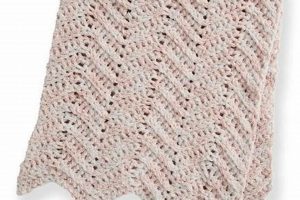
This comfort object, frequently given to infants and toddlers, consists of a soft, often plush, fabric square or small blanket adorned with various textured ribbons or tags sewn around the edges. These tags are typically made from different materials like satin, grosgrain, or cotton, and come in a variety of colors and textures. An example might be a small fleece blanket with a border of colorful satin ribbons.
The importance of this item lies in its potential to provide tactile stimulation and comfort to young children. The diverse textures of the tags can aid in sensory exploration and development. Historically, these blankets have emerged as a modern adaptation of traditional security blankets, offering a safer alternative to items with loose threads or detachable parts that could pose a choking hazard. The attachments often promote the development of fine motor skills as babies grasp and manipulate the tags.
The subsequent sections will delve further into the material composition, safety considerations, design variations, and proper care instructions relevant to these comforting articles.
Tips for Selecting and Maintaining a Baby Tag Blanket
These tips are designed to assist caregivers in choosing and caring for a soft blanket with ribbon attachments, promoting both safety and prolonged usability.
Tip 1: Material Composition. Prioritize blankets constructed from hypoallergenic and breathable materials, such as organic cotton or fleece, to minimize the risk of skin irritation or allergic reactions. Examine the label for fabric content and certifications indicating absence of harmful chemicals.
Tip 2: Tag Security. Before initial use, rigorously inspect the ribbon attachments for secure stitching. Gently tug on each tag to ensure it is firmly affixed to the blanket, preventing detachment and potential choking hazards. Periodic inspections are essential to maintain safety.
Tip 3: Texture Variety. Opt for a blanket incorporating diverse tag textures, such as satin, ribbed grosgrain, and crinkled fabrics. This variety stimulates tactile exploration and contributes to sensory development in infants and toddlers.
Tip 4: Size and Portability. Choose a blanket of appropriate size for the child’s age and intended use. A smaller, lightweight design enhances portability, making it suitable for travel or use in strollers and car seats. Avoid excessively large blankets that may pose a suffocation risk.
Tip 5: Cleaning and Maintenance. Adhere to the manufacturer’s cleaning instructions. Regularly launder the blanket in a mild, fragrance-free detergent to maintain hygiene and prevent the buildup of allergens or irritants. Tumble dry on low heat or air dry to preserve fabric integrity.
Tip 6: Colorfastness. Before washing for the first time, test the blanket’s colorfastness by spot-cleaning a hidden area. This helps prevent dye bleeding and potential staining of other items during laundering.
Tip 7: Storage. Store the blanket in a clean, dry location away from direct sunlight and potential contaminants. Consider using a breathable storage bag to protect the fabric from dust and moisture.
Following these recommendations helps ensure the selected blanket provides safe sensory stimulation and comfort for the child, while also extending the product’s lifespan.
The concluding sections will address common concerns, provide expert insights, and summarize the key information presented in this article.
1. Sensory Stimulation

Sensory stimulation is a key component in early childhood development, influencing cognitive and motor skills. The inclusion of varied textures and materials in a baby tag blanket directly contributes to this sensory input. Specifically, the diverse ribbon types satin, grosgrain, and textured cotton offer tactile experiences, allowing infants to explore different sensations through touch. This exploration aids in the development of neural pathways associated with sensory processing.
The practical significance of this understanding lies in the informed selection of such blankets. Caregivers can choose designs that maximize sensory input by opting for blankets with a wider array of textures and colors. For instance, a blanket incorporating crinkled fabrics alongside smooth satin can provide auditory stimulation in addition to tactile. Furthermore, the act of grasping and manipulating the tags encourages the development of fine motor skills, coordinating hand-eye movements, thereby creating a tangible connection between sensory input and motor output. For children with sensory processing difficulties, these items can offer a controlled and manageable source of sensory exploration, potentially reducing sensory overload.
The design choices and material selections ultimately dictate the effectiveness of the blanket as a tool for sensory stimulation. Careful consideration of the sensory propertiestexture, color, and potential soundis essential. While tag blankets offer a readily available means for sensory enrichment, ensuring their safety and age-appropriateness remains paramount. The exploration of such objects should be monitored, and blankets regularly inspected for damage to maintain safety standards.
2. Tactile Exploration

Tactile exploration, the process of learning about the environment through touch, is intrinsically linked to the design and function of a tag blanket. The varying textures of the attached ribbons serve as a primary source of tactile input for infants and toddlers. Cause and effect are evident: the introduction of different textures stimulates sensory receptors in the skin, resulting in neural responses that aid in the development of tactile discrimination. A blanket, therefore, functions as a controlled environment for tactile learning, allowing the infant to safely explore diverse sensations. A real-life example would be an infant repeatedly touching and rubbing a satin ribbon against their cheek, contrasting it with the rougher texture of a grosgrain ribbon, thus developing a refined understanding of tactile differences. The practical significance lies in providing a readily accessible and age-appropriate tool for sensory development.
Furthermore, the act of manipulating the tags directly contributes to the development of fine motor skills. As the child grasps, pulls, and explores the individual ribbons, they are simultaneously strengthening hand muscles and improving hand-eye coordination. The repetitive nature of this interaction reinforces neural pathways associated with motor control. Consider a scenario where a child spends a considerable amount of time attempting to untangle or smooth out a crinkled ribbon; this activity inadvertently fosters problem-solving skills and dexterity. From a practical perspective, tag blankets offer an engaging alternative to electronic devices, promoting sensory and motor development without the potential drawbacks of excessive screen time.
In summary, tactile exploration constitutes a fundamental benefit derived from using such blankets. The careful selection of diverse textures and secure attachment methods are paramount in maximizing developmental impact and ensuring safety. The challenges involved in this item include selecting appropriate material and proper cleaning. As such, the item offers a accessible and enriching sensory experiences that is crucial for infant development.
3. Comfort Object
The function of a comfort object, particularly as it relates to infant and toddler development, centers on providing a sense of security and emotional regulation during times of stress, transition, or separation. A tag blanket frequently serves this role, offering a tangible source of reassurance.
- Transitional Security
A comfort object aids in navigating the transitional period between dependence and independence. The tag blanket, carried from home to daycare or during bedtime routines, becomes a consistent element in changing environments. It offers a familiar sensory experience, mitigating anxiety associated with unfamiliar settings.
- Emotional Regulation
Emotional regulation refers to the ability to manage and respond to emotional experiences in a healthy and adaptive manner. When distressed, a child may seek out their tag blanket, deriving comfort from its familiar textures and scent. The act of touching and manipulating the tags can have a calming effect, reducing stress hormones. A tangible item can help sooth distress.
- Attachment Formation
The comfort object often becomes an extension of the primary caregiver, symbolizing security and love. In instances of caregiver absence, the tag blanket offers a surrogate source of comfort, reinforcing the child’s sense of attachment. This is particularly relevant during periods of separation anxiety.
- Sensory Grounding
The tactile stimulation provided by the tags can serve as a form of sensory grounding, helping a child to focus and regulate their emotions. For children experiencing sensory overload, the tag blanket offers a controlled and predictable source of sensory input, reducing feelings of anxiety or overwhelm. The sensory input and textures help children that may be struggling with day to day life activities.
The efficacy of a tag blanket as a comfort object is predicated on individual preference and consistent association with positive experiences. The selection of a blanket that aligns with the child’s sensory preferences can maximize its soothing potential. Additionally, integrating the blanket into comforting routines, such as bedtime stories or quiet playtime, strengthens its association with security and emotional well-being.
4. Safety Standards

Adherence to stringent safety standards is paramount in the manufacturing and distribution of items intended for infant use. A tag blanket, designed for sensory exploration and comfort, is subject to rigorous safety protocols to mitigate potential hazards.
- Material Composition and Chemical Safety
Safety standards mandate the use of non-toxic, hypoallergenic materials in the construction of tag blankets. Fabrics must be free from harmful chemicals, dyes, and flame retardants that could pose a risk to infant health. Compliance with regulations such as OEKO-TEX Standard 100 ensures that textiles are tested for harmful substances. For instance, a blanket bearing this certification indicates it has undergone testing for lead, phthalates, and other potentially hazardous chemicals.
- Attachment Security and Choking Hazards
A critical safety consideration is the secure attachment of the tags to the blanket’s main fabric. Standards dictate the use of reinforced stitching techniques to prevent detachment, which could result in small parts becoming choking hazards. Tests simulating repetitive use and stress are conducted to assess the durability of attachments. An example includes pull tests that measure the force required to detach a tag, ensuring it exceeds specified safety thresholds.
- Flammability Resistance
Regulations address the flammability of fabrics used in infant products, including tag blankets. Materials must meet specific flame resistance standards to minimize the risk of fire-related injuries. This can be achieved through inherent flame-resistant fibers or through treatments that comply with safety guidelines. Testing protocols involve exposing the fabric to controlled flame sources and measuring the rate of flame spread.
- Construction and Design Features
Design elements of a tag blanket must also adhere to safety standards. Loose threads, sharp edges, or small, detachable embellishments are prohibited. Seams should be securely sewn and finished to prevent fraying or unraveling. The overall dimensions of the blanket must be appropriate for the intended age group to minimize the risk of suffocation. Examples include limiting the size of the blanket and ensuring that tag lengths do not exceed specified measurements.
In summary, the integration of these safety standards into the manufacturing process ensures that a tag blanket provides sensory stimulation and comfort while minimizing potential risks to infant health and well-being. Continuous monitoring and adherence to evolving safety regulations are essential for maintaining product integrity and consumer trust.
5. Material Quality

Material quality is a foundational element in the assessment and selection of these comforting articles. The inherent properties of the fabrics used directly impact safety, durability, and the potential for adverse reactions in infants. The cause-and-effect relationship is clear: substandard materials increase the risk of skin irritation, allergic reactions, and the presence of harmful chemicals. For instance, blankets manufactured with synthetic dyes that are not colorfast can leach chemicals onto a child’s skin, leading to dermatitis. Conversely, the use of certified organic cotton minimizes exposure to pesticides and herbicides, promoting a safer and more comfortable experience. An understanding of material quality is therefore paramount for caregivers selecting these items.
Furthermore, material quality affects the longevity and maintainability of the product. A blanket constructed from durable, tightly woven fabrics will withstand repeated washing and handling without fraying or losing its shape. For example, a fleece blanket made from high-quality polyester fibers will retain its softness and texture even after numerous laundry cycles, while a blanket made from cheap, loosely woven fleece may pill or become matted over time. The practical application of this understanding lies in investing in blankets constructed from durable materials, which, while potentially more expensive upfront, offer a greater long-term value due to their extended lifespan and reduced need for replacement. Additionally, selecting blankets with reinforced stitching and durable ribbon attachments minimizes the risk of parts detaching and becoming choking hazards.
In summary, material quality is an indispensable component of this products, directly influencing safety, durability, and overall value. Prioritizing blankets made from hypoallergenic, durable, and non-toxic materials is essential for safeguarding infant health and ensuring the product’s longevity. The challenges in selecting materials are to identify safe, non-toxic, durable, and suitable-texture fabrics for babies’ development. The quality ensures safety for infant development.
6. Fine Motor Skills

The development of fine motor skills, defined as the coordination of small muscle movements, particularly those involving the hands and fingers, is intrinsically linked to the design and utilization of these items. The numerous tags affixed to these objects present opportunities for infants and toddlers to engage in activities that promote dexterity and hand-eye coordination. A tangible example is an infant grasping and manipulating a ribbon tag, an action requiring the coordinated use of the small muscles in the hand and fingers. This focused interaction contributes to the refinement of pincer grasp, a fundamental milestone in fine motor development. The importance of fine motor skills extends beyond infancy, influencing a child’s ability to perform tasks such as writing, buttoning clothes, and using utensils.
The practical significance of understanding this connection lies in the intentional selection of tag blankets with varying tag textures, sizes, and arrangements. For instance, a blanket featuring tags of differing thicknesses and lengths encourages the child to explore a wider range of grasping techniques, thereby stimulating diverse muscle groups. Furthermore, the strategic placement of tags at varying distances from the blanket’s center can promote reaching and stretching movements, further enhancing motor control. Caregivers can also facilitate development by engaging the child in activities such as encouraging them to count the tags, match colors, or identify different textures. This interactive approach amplifies the blanket’s inherent potential for fostering fine motor skills.
In summary, the interaction with this item provides a readily accessible and engaging means for infants and toddlers to develop crucial fine motor skills. The design and characteristics of the tags, along with caregiver interaction, directly influence the extent to which these skills are cultivated. While not a substitute for other forms of developmental stimulation, this object serves as a valuable tool in promoting hand-eye coordination and dexterity. Safety and appropriate supervision of the baby while playing are still top priority.
7. Soothing Effect
The soothing effect elicited by a baby tag blanket stems from a combination of tactile stimulation, familiar scent, and visual appeal, all contributing to a sense of security and comfort for the infant. The repetitive motion of touching and manipulating the tags can have a calming effect, reducing anxiety and promoting relaxation. A cause-and-effect relationship is evident: tactile input stimulates sensory receptors, triggering the release of endorphins, which have mood-boosting and pain-relieving properties. The familiar scent of the blanket, often infused with the caregiver’s fragrance, further reinforces a sense of security and belonging. An example would be an infant who becomes fussy during a diaper change but calms down immediately upon being given their tag blanket to hold and explore. The importance of the soothing effect lies in its ability to assist in emotional regulation, particularly during times of stress or transition.
The practical significance of understanding the soothing effect relates to informed product selection and strategic usage. Caregivers can choose blankets that incorporate elements known to promote relaxation, such as soft, plush fabrics and tags with varying textures to maximize sensory engagement. Integrating the blanket into bedtime routines or periods of separation can further enhance its association with comfort and security. For instance, offering the blanket during car rides or doctor’s visits can help mitigate anxiety and promote a sense of calm in unfamiliar environments. Furthermore, the blanket can serve as a self-soothing tool, empowering the child to manage their emotions independently. A child who is upset can use their tag blanket to sooth and regulate his or her emotions.
In summary, the soothing effect is an essential component of these calming item, contributing significantly to infant emotional well-being. The combination of tactile stimulation, familiar scent, and visual appeal fosters a sense of security and relaxation. While individual preferences may vary, understanding the mechanisms underlying this soothing effect allows caregivers to make informed decisions regarding product selection and usage. The key challenge lies in identifying a blanket that resonates with the child’s individual sensory preferences while adhering to stringent safety standards. This contributes significantly to the baby’s development.
Frequently Asked Questions
This section addresses common inquiries and concerns regarding the selection, usage, and safety of the items in question. The intent is to provide clear, concise answers based on current knowledge and best practices.
Question 1: What constitutes a safe material for the blanket and its constituent tags?
Optimal material choices include hypoallergenic, breathable fabrics such as organic cotton, muslin, or fleece. These minimize the risk of allergic reactions or skin irritation. Tags should be constructed from durable, non-toxic materials like satin, grosgrain, or cotton, devoid of small parts that could detach and pose a choking hazard.
Question 2: How can the security of the tags be ensured?
Prior to each use, a thorough inspection of the tag attachments is recommended. Gently tug on each tag to assess the integrity of the stitching. Reinforced stitching techniques and rigorous quality control measures during manufacturing are crucial for preventing detachment.
Question 3: What is the appropriate size for the blanket?
The dimensions of the blanket should be proportionate to the age and size of the child. Smaller blankets, typically measuring 12×12 inches or 14×14 inches, are suitable for infants and young toddlers. Avoid excessively large blankets that could pose a suffocation risk.
Question 4: How should the blanket be cleaned?
Adherence to the manufacturer’s cleaning instructions is essential. The blanket should be laundered regularly in a mild, fragrance-free detergent to maintain hygiene and prevent the buildup of allergens. Tumble drying on low heat or air drying is recommended to preserve fabric integrity.
Question 5: At what age is it appropriate to introduce the blanket to a child?
The item can be introduced to infants as early as three months of age, or when the child demonstrates the ability to grasp and manipulate objects. Close supervision is crucial during initial use to ensure the child’s safety.
Question 6: Are there any potential risks associated with the use of the blanket?
Potential risks include choking hazards from detached tags or suffocation from excessively large blankets. Caregivers should diligently inspect the blanket for damage and adhere to recommended safety guidelines. The product should not be used in cribs with infants that are under a certain age.
In summary, diligent material selection, regular safety inspections, and adherence to cleaning instructions are paramount for ensuring the safe and beneficial use of these blankets. The risks should be minimized with all of the precautionary steps.
The subsequent sections will address user testimonials, expert opinions, and concluding remarks regarding the broader implications of the items on infant development and well-being.
Conclusion
This article has explored the characteristics, benefits, and safety considerations associated with a baby tag blanket. It has highlighted the object’s role in providing tactile stimulation, promoting fine motor skills, and offering a source of comfort for infants and toddlers. Adherence to safety standards, informed material selection, and diligent maintenance were emphasized as critical factors in ensuring safe and beneficial usage.
The information presented serves as a guide for caregivers seeking to provide safe and developmentally appropriate tools for their children. Continued vigilance regarding product safety and a commitment to understanding infant sensory needs will contribute to optimal developmental outcomes. Future research and ongoing adherence to evolving safety regulations remain paramount in ensuring the well-being of infants using these comforting items.