A textile construction designed for infants, characterized by its creation from individual, often geometric, units joined to form a larger covering. These units can be squares, triangles, or other shapes, knitted, crocheted, or sewn together. The resulting item provides warmth and comfort for a child. A simple example involves crocheting several squares and then connecting them to achieve the desired dimensions.
This method offers flexibility in design, allowing for customization of size, color, and texture. Historically, such projects were often undertaken by hand, representing a practical and creative outlet. The adaptability of the design facilitates adjustment to growing needs and enables resource-efficient use of materials. Furthermore, the segmented construction can simplify cleaning and repair procedures.
The subsequent discussion will delve into specific considerations for material selection, pattern variations, joining techniques, and safety standards relevant to the production of these infant coverings.
Tips for Designing and Constructing Modular Baby Blankets
The following provides guidance on creating safe, durable, and aesthetically pleasing infant coverings using a segmented construction method.
Tip 1: Material Selection is Paramount: Opt for hypoallergenic and washable fibers such as cotton, bamboo, or acrylic. Avoid wool or novelty yarns with loose fibers, as these may pose a choking hazard or cause allergic reactions.
Tip 2: Prioritize Secure Joining Techniques: Employ sturdy seams like the mattress stitch or a reinforced crochet join. Regularly inspect seams for integrity, particularly after washing. Reinforce any loose connections immediately.
Tip 3: Consider Colorfastness: Select dyes that are colorfast to prevent bleeding and potential staining of clothing or skin. Always pre-wash yarn of different colors to test for color transfer.
Tip 4: Maintain Consistent Unit Size: Ensure uniformity in the dimensions of individual pieces for a cohesive final product. Use a gauge swatch and consistent tension throughout the construction process.
Tip 5: Emphasize Breathability: Avoid overly dense or heavy fabrics that may restrict airflow and increase the risk of overheating. Natural fibers generally offer better breathability than synthetics.
Tip 6: Focus on Ease of Cleaning: The finished item should be readily washable and dryable. Select materials and construction methods that withstand frequent laundering without significant degradation.
Tip 7: Edge Finishing is Critical: A secure and smooth border minimizes the risk of unraveling and provides a clean, finished look. Consider techniques like single crochet, i-cord, or a folded hem.
Adhering to these guidelines will result in a functional and aesthetically pleasing item that provides comfort and safety for the infant.
The subsequent section will address various design possibilities and customization options to personalize the segmented infant covering.
1. Hypoallergenic Materials

The selection of materials is paramount in crafting textile coverings for infants, particularly those of modular design. Given the direct and prolonged contact with sensitive skin, utilizing hypoallergenic options mitigates the risk of allergic reactions, irritation, and potential long-term health concerns.
- Fiber Composition and Allergic Response
Certain fibers inherently possess lower allergenic potential. Natural fibers such as organic cotton and bamboo are often preferred over synthetic alternatives like polyester due to their breathability and reduced chemical processing. Residual chemicals from manufacturing can be a significant source of irritation for infants. The selection of unprocessed or minimally processed natural fibers minimizes this risk.
- Dye Selection and Skin Sensitivity
The dyes used to color fabrics can also trigger allergic reactions. Natural dyes, derived from plant or mineral sources, generally exhibit lower allergenic potential than synthetic dyes. However, even natural dyes can contain mordants, which are chemicals used to fix the dye to the fabric. It is crucial to select dyes and mordants that are certified safe for infant use and free from heavy metals or other harmful substances.
- Fabric Texture and Irritation Potential
The texture of the fabric impacts its potential to cause skin irritation. Rough or abrasive fabrics can exacerbate existing skin conditions or create new irritations. Soft, smooth fabrics, particularly those with a tight weave, minimize friction and reduce the likelihood of chafing. The construction of individual segments and their method of joining should also prioritize smooth, non-irritating seams.
- Washing and Maintenance Considerations
Frequent washing is essential for maintaining the hygiene of infant textile coverings. Hypoallergenic materials should be durable enough to withstand repeated washing without losing their shape or releasing harmful chemicals. The use of hypoallergenic detergents, free from fragrances and dyes, further minimizes the risk of allergic reactions. Proper drying techniques, avoiding excessive heat, also help to preserve the integrity of the fibers and reduce the potential for irritation.
In summary, the judicious selection of hypoallergenic materials, encompassing fiber type, dye selection, fabric texture, and washing protocols, is essential for creating segmented infant coverings that prioritize comfort, safety, and minimize the risk of adverse reactions. The long-term benefits of choosing these materials far outweigh any initial cost considerations, contributing to the well-being of the infant.
2. Secure Seam Construction

The structural integrity of a modular baby blanket fundamentally relies on secure seam construction. The individual modules, whether knitted, crocheted, or sewn, must be joined in a manner that withstands repeated use, washing, and potential stress. Inadequate seams represent a critical point of failure, potentially leading to detachment of modules. This poses a hazard to the infant, creating loose pieces that can be ingested. Furthermore, compromised seams diminish the overall lifespan of the blanket. As a result, seam construction assumes paramount importance in the production of these items. Consider, for example, the common occurrence of crocheted squares joined with a single crochet seam. If the yarn is loosely tensioned or the seam is not properly reinforced, the squares are prone to separating after just a few washes, rendering the blanket unusable and potentially dangerous.
Several techniques contribute to achieving a secure seam. A mattress stitch, commonly used in knitted projects, interlocks the edges of the modules, creating a flat, strong, and nearly invisible seam. A reinforced crochet join, using a whip stitch or slip stitch method with multiple passes, distributes stress across the seam, preventing breakage. For sewn modules, a backstitch or a zigzag stitch provides added strength and elasticity. The selection of an appropriate joining method depends on the materials used and the desired aesthetic. Crucially, regardless of the technique employed, consistent tension and proper reinforcement at corners and edges are necessary. The practical application of these techniques requires skilled craftsmanship and a meticulous approach to ensure the long-term durability of the constructed covering.
In conclusion, secure seam construction is not merely an aesthetic consideration; it is a functional necessity that directly impacts the safety and longevity of a modular baby blanket. The challenges associated with maintaining seam integrity can be mitigated through the selection of appropriate joining techniques, meticulous craftsmanship, and rigorous quality control. This understanding underscores the importance of prioritizing seam security during the design and construction phases, ensuring a safe and durable product for infant use.
3. Washable Properties

The inherent nature of items used for infants necessitates frequent cleaning. A modular baby blanket, owing to its purpose and potential for exposure to bodily fluids, spills, and environmental contaminants, must possess durable washable properties. This characteristic directly influences hygiene, longevity, and usability. The choice of materials and construction techniques dictates the blanket’s ability to withstand repeated laundering without significant degradation. Consider, for example, a blanket constructed from cotton modules using colorfast dyes and robust seam construction; it can endure numerous wash cycles without fading, shrinking, or unraveling, ensuring continued utility and safety.
Conversely, a blanket utilizing delicate fibers or unstable dyes will quickly lose its aesthetic appeal and structural integrity upon washing. This can result in diminished functionality and potential hazards, such as loose fibers or dye transfer. The selection of appropriate cleaning methods is equally vital. High temperatures, harsh detergents, or aggressive agitation can damage even the most robust materials. Therefore, the blanket’s construction should accommodate gentle washing cycles and appropriate drying methods. The practical application of this principle requires manufacturers and consumers alike to prioritize materials known for their washability and to adhere to recommended care instructions.
In conclusion, washable properties are not merely a desirable feature but a fundamental requirement for a functional and hygienic segmented infant covering. The ability to withstand repeated washing without compromising quality directly impacts the product’s lifespan, safety, and practicality. Addressing this requirement through careful material selection and construction techniques ensures that the blanket remains a safe and comforting item for the infant throughout its intended use. The challenge lies in balancing washability with other desirable characteristics such as softness, breathability, and aesthetic appeal, requiring a holistic approach to design and manufacturing.
4. Customizable Designs
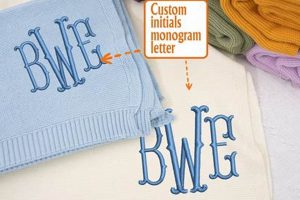
The inherent structure of a modular baby blanket lends itself intrinsically to customizable designs. The segmented nature of the construction, wherein individual units are created and subsequently joined, permits significant flexibility in altering the final product’s appearance, size, and texture. This adaptability distinguishes it from traditionally constructed blankets and represents a primary benefit for consumers seeking personalized items. For example, a prospective parent might choose a color palette that coordinates with a nursery’s theme or select different textured yarns for tactile stimulation. The modularity allows these preferences to be easily incorporated without requiring a complete reconstruction of the design. This capacity for alteration enhances the blanket’s perceived value and its potential as a unique, personalized gift.
The ability to customize extends beyond mere aesthetics. The size of the blanket can be readily adjusted by adding or removing modules, catering to the infant’s growth or specific needs. The arrangement of the modules can also be altered to create different patterns or visual effects. Furthermore, incorporating modules with specific functional properties, such as textured stitches for sensory exploration or areas of increased density for warmth, provides additional customization options. Consider the application of different knit or crochet stitches within individual modules. Garter stitch could be used for its flat, non-curling properties on edging squares, whereas a textured bobble stitch could be incorporated into center squares for tactile interest. This level of control is seldom achievable with single-piece construction methods. The design process, therefore, becomes a collaborative endeavor between the creator and the intended recipient, fostering a sense of personal connection to the finished product.
In conclusion, customizable designs are not merely an ancillary feature of modular baby blankets; they represent a core attribute that enhances their appeal and utility. The ability to personalize the blanket in terms of size, color, texture, and functional properties adds significant value and allows for the creation of truly unique and meaningful items. The challenge lies in effectively communicating these customization options to consumers and providing the necessary tools and guidance to facilitate their realization. The potential for individualized expression through modular construction underscores its continued relevance in the realm of handcrafted and personalized infant products.
5. Adaptable Size

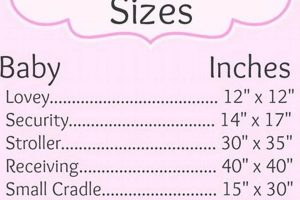
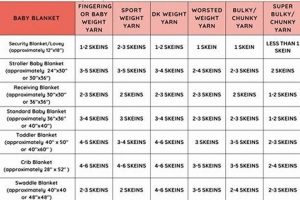
The inherent modularity of a baby blanket constructed from discrete, interconnected components directly facilitates adaptability in size. This characteristic represents a key advantage over traditionally constructed blankets, offering a means to modify dimensions according to an infant’s growth or specific situational requirements. The addition or removal of individual modules allows for precise adjustments, accommodating variations in crib size, stroller dimensions, or the child’s developmental stage. A blanket initially designed for a newborn can be expanded as the child grows, extending its useful life and offering continued comfort. This contrasts sharply with fixed-size blankets that become unsuitable as the child outgrows them. The capacity to adjust size therefore enhances the blanket’s practicality and economic value.
The practical application of this adaptability can be observed in various scenarios. A small, square blanket created from nine modules might be ideal for use in a car seat or bassinet during the early months. As the child transitions to a larger crib, additional modules can be seamlessly incorporated to achieve a rectangular shape that provides adequate coverage. Furthermore, the size can be reduced again for use as a comfort item during travel. This versatility mitigates the need for multiple blankets of different sizes, streamlining childcare and reducing clutter. The ease with which the size can be modified also allows for creative adaptations, such as creating a play mat by assembling a larger number of modules or constructing a smaller, easily portable version for use as a security blanket. These examples underscore the functional benefits derived from the inherent adaptability in size afforded by the modular construction.
In summary, the connection between adaptable size and modular baby blankets is a direct consequence of the construction method. The ability to easily modify dimensions enhances the blanket’s practicality, extends its useful life, and provides increased flexibility in its application. While challenges may exist in maintaining consistent aesthetic appeal during size modifications, the overall benefits associated with this adaptability make it a significant advantage, aligning with both practical needs and economic considerations. The understanding of this connection is crucial for maximizing the utility and value of these textile creations.
6. Thermal Regulation
Thermal regulation, in the context of a modular baby blanket, refers to the blanket’s ability to maintain a comfortable temperature for the infant, preventing overheating or excessive cooling. This property is directly influenced by the materials used, the construction of individual modules, and the overall design of the assembled blanket. Poor thermal regulation can lead to discomfort, restlessness, and in extreme cases, contribute to health risks such as Sudden Infant Death Syndrome (SIDS) or hyperthermia. A blanket constructed from tightly woven synthetic fibers, for example, may trap heat and impede airflow, leading to overheating. Conversely, a loosely knit blanket made of thin material may offer insufficient insulation in colder environments. The ideal modular baby blanket provides a balance, allowing for sufficient airflow while retaining adequate warmth.
The choice of materials plays a crucial role in achieving effective thermal regulation. Natural fibers, such as cotton, bamboo, and merino wool, are generally preferred due to their breathability and moisture-wicking properties. These fibers allow air to circulate, preventing the build-up of heat and moisture. The construction of the individual modules also impacts thermal regulation. Open-weave patterns, such as those found in crochet or certain knitting techniques, promote airflow more effectively than dense, tightly woven fabrics. The overall design of the blanket allows for layering; individual modules can be added or removed to adjust the blanket’s warmth according to environmental conditions. This adaptability is a significant advantage of modular construction, providing parents with greater control over the infant’s thermal environment. An individual might create a set of lightweight cotton modules for summer use and a set of thicker wool modules for winter, combining them as needed.
In conclusion, thermal regulation is a critical component of a modular baby blanket, directly impacting the infant’s comfort and safety. The selection of breathable materials, the incorporation of open-weave patterns, and the ability to adjust the blanket’s size and thickness through module addition or removal are key factors in achieving optimal thermal regulation. While challenges may exist in precisely determining the ideal level of warmth for individual infants and varying environmental conditions, a thoughtful approach to design and material selection can significantly enhance the blanket’s ability to maintain a comfortable and safe thermal environment. This understanding highlights the practical significance of considering thermal regulation as a fundamental requirement in the design and construction of these blankets.
Frequently Asked Questions Regarding Modular Baby Blankets
The following addresses common inquiries and misconceptions concerning segmented infant coverings. The information presented is intended to provide clarity and facilitate informed decision-making.
Question 1: What are the primary safety considerations when selecting a modular baby blanket?
Chief among safety concerns are the choice of hypoallergenic materials, secure seam construction to prevent detachment of small parts, and breathable fabric to mitigate the risk of overheating. Loose fibers and small embellishments should be avoided due to potential choking hazards. Additionally, blankets should adhere to relevant safety standards and guidelines.
Question 2: How does a modular baby blanket differ from a traditional, single-piece blanket?
Unlike single-piece blankets, a modular design comprises individual units joined together. This construction allows for greater customization in size, color, and texture. It also facilitates easier repair, as individual damaged modules can be replaced without discarding the entire blanket.
Question 3: Are modular baby blankets more difficult to clean than traditional blankets?
The cleaning process is generally comparable. However, it is crucial to inspect seams before and after washing to ensure their integrity. The modular construction may allow for the washing of individual components, simplifying the cleaning of heavily soiled areas.
Question 4: Can a modular baby blanket be easily adapted to accommodate a growing infant?
Adaptability is a key advantage. Modules can be added or removed to adjust the blanket’s size as the infant grows, thereby extending its useful lifespan. This adjustment capability is not typically available with traditional blankets.
Question 5: What types of materials are best suited for creating a modular baby blanket?
Optimal materials include soft, breathable, and hypoallergenic fibers such as organic cotton, bamboo, or certain acrylic yarns. Avoid materials that may cause irritation or pose a choking hazard. Colorfast dyes are essential to prevent bleeding and skin staining.
Question 6: How does the cost of a modular baby blanket compare to that of a traditional blanket?
The cost can vary depending on the materials used and the complexity of the design. Handcrafted modular blankets often command a higher price due to the labor-intensive construction process. However, the enhanced durability and customization options may justify the increased expense.
The points addressed highlight the key aspects to consider when evaluating modular baby blankets, emphasizing the importance of safety, functionality, and material selection.
The subsequent section will provide instructions for creating a basic modular baby blanket pattern.
Modular Baby Blanket
The preceding discussion has thoroughly examined the characteristics, advantages, and considerations inherent in the production and utilization of a modular baby blanket. Key points emphasized include the importance of hypoallergenic materials, secure seam construction, washable properties, customizable designs, adaptable size, and effective thermal regulation. These elements collectively contribute to a safe, functional, and aesthetically pleasing item suitable for infant use. The inherent flexibility of the modular design distinguishes it from traditional blankets, offering greater adaptability and potential longevity.
The creation of a modular baby blanket represents a confluence of craftsmanship, thoughtful material selection, and an understanding of infant needs. Continued adherence to safety standards and a commitment to quality construction are essential to ensure the well-being of the child. Further exploration of innovative materials and construction techniques will undoubtedly lead to advancements in the design and functionality of these versatile textile creations, solidifying their significance in the realm of infant care.