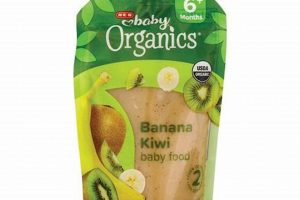
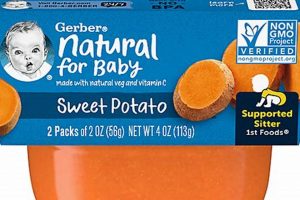
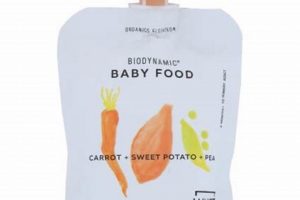
A flexible container pre-filled with pureed food designed for infants and toddlers offers a convenient feeding solution. Often featuring a resealable spout, it allows for direct consumption by the child, minimizing the need for spoons or bowls. Common examples include pouches filled with fruit, vegetable, and grain blends, marketed as a quick and portable meal option.
The rise in popularity of these convenient food packages is driven by factors such as busy parental lifestyles and the desire for easily transportable meal options. Benefits include reduced mess during feeding, portion control, and the potential to introduce a variety of flavors and textures to young palates. From a historical perspective, the evolution of food packaging has led to these innovative designs, reflecting a broader trend towards convenience and on-the-go consumption.
The subsequent discussion will delve into the nutritional aspects of these products, examining ingredient composition and potential concerns regarding sugar content and processing methods. Furthermore, the environmental impact of the packaging materials and available recycling options will be addressed, providing a balanced perspective on the advantages and disadvantages of this prevalent feeding method.
Guidance on Utilizing Pureed Food Packets
This section provides practical recommendations for the responsible and effective use of these products in infant and toddler nutrition.
Tip 1: Prioritize Whole Foods. While these pouches offer convenience, fresh, homemade purees provide optimal nutritional value and control over ingredients. Integrate whole foods into a child’s diet whenever feasible.
Tip 2: Scrutinize Ingredient Lists. Carefully examine the composition of the product. Avoid options with excessive added sugars, salt, or artificial additives. Prioritize pouches with a high percentage of identifiable fruits and vegetables.
Tip 3: Monitor Portion Sizes. Adhere to age-appropriate portion sizes as recommended by pediatricians or registered dietitians. Avoid overfeeding, even when using a convenient product.
Tip 4: Encourage Self-Feeding Skills. Do not solely rely on direct consumption from the pouch. Occasionally serve the puree in a bowl with a spoon to foster the development of fine motor skills and self-feeding abilities.
Tip 5: Be Mindful of Potential Dental Concerns. Frequent and prolonged exposure to the sugars in the puree can contribute to dental caries. Promote oral hygiene by cleaning a child’s teeth and gums after feeding.
Tip 6: Consider Reusable Options. To minimize environmental impact, explore reusable versions. These can be filled with homemade purees, reducing waste and allowing for greater control over ingredients.
Tip 7: Observe for Allergic Reactions. Introduce new pouches one at a time, monitoring for any signs of allergic reactions, such as skin rashes, digestive upset, or respiratory distress.
Adherence to these guidelines ensures responsible and informed use, maximizing nutritional benefits while mitigating potential drawbacks.
The concluding section will synthesize the information presented and offer a final perspective on the role of these products in modern infant feeding practices.
1. Convenience

The primary driver behind the widespread adoption of this product lies in the inherent convenience it offers to caregivers. This facet permeates various aspects of modern infant and toddler feeding practices, significantly impacting parental routines and dietary choices.
- Portability for On-the-Go Feeding
These pouches eliminate the need for bowls, spoons, and separate containers, making feeding possible in transit or public spaces. Examples include usage during travel, outings, or quick meals between activities. This directly addresses the demands of contemporary lifestyles where structured meal times may not always be feasible.
- Reduced Preparation Time
The pre-filled nature of the container removes the need for food preparation, which can be particularly valuable for working parents or those with limited time. Ready-to-eat meals bypass steps such as washing, peeling, cooking, and pureeing, offering significant time savings.
- Minimized Mess and Clean-Up
Designed for direct consumption, these pouches reduce the likelihood of spills and associated messes. The resealable spout further enhances this benefit, allowing for interrupted feeding and subsequent storage. This contrasts sharply with traditional spoon-feeding methods, often requiring extensive cleaning.
- Simplified Introduction of New Foods
The availability of diverse flavor combinations and single-ingredient options simplifies the process of introducing infants to a wide range of tastes and textures. Parents can conveniently offer new foods without committing to large batches of homemade purees, reducing potential waste if the child rejects the flavor.
The factors outlined demonstrate how the inherent ease of use of pre-filled, squeezable baby food containers have made them popular among caregivers. However, while convenience is a significant advantage, a comprehensive evaluation must also consider nutritional content, cost implications, and environmental impact to fully assess the overall value proposition.
2. Nutrition

The nutritional content within these flexible containers directly influences their value as a component of an infant’s or toddler’s diet. The composition, encompassing macronutrient ratios, micronutrient presence, and absence of detrimental additives, determines whether the pouches contribute positively to a child’s growth and development. For instance, a container heavily reliant on fruit puree with minimal protein or healthy fats offers limited nutritional benefit compared to a balanced blend of vegetables, legumes, and grains. The increasing availability of organic and less processed options reflects a growing parental demand for improved nutritional profiles in these products.
Ingredient selection plays a critical role. Many commercially available pouches contain added sugars in the form of fruit juice concentrates or refined sweeteners, potentially contributing to unhealthy dietary habits and dental concerns. Conversely, those emphasizing vegetable content and incorporating sources of essential fatty acids, such as avocado or chia seeds, can provide a more complete and balanced nutritional offering. Proper labeling and transparent ingredient disclosure are essential, enabling caregivers to make informed choices based on the nutritional needs of their child. Regular consumption of overly sweet pouches may inadvertently cultivate a preference for sugary foods, impacting long-term dietary habits. Products enriched with iron and other vital micronutrients can contribute to addressing potential deficiencies, particularly in infants transitioning to solid foods.
The correlation between nutritional quality and the overall health benefit of these containers is undeniable. While convenience remains a primary purchasing factor, a diligent assessment of the nutritional composition is paramount. Empowering consumers with accessible information and promoting the availability of nutritionally dense pouches are crucial steps toward optimizing their role in a balanced and healthy infant feeding regimen. However, these packaged options cannot replace the nutritional and developmental benefits of preparing and consuming whole, minimally processed foods, emphasizing the need for moderation and thoughtful integration into a child’s diet.
3. Portability

The significance of portability in the context of baby food products directly correlates with contemporary parental lifestyles and their increasing demand for convenience. These flexible food containers inherently address the challenge of feeding infants and toddlers outside of the home environment. The design, material, and sealing mechanisms are all engineered to enable effortless transport and dispensing, effectively removing the logistical barriers associated with traditional feeding methods that require refrigeration, separate containers, and utensils. Consider, for example, a parent commuting via public transportation or traveling by air. The compact and lightweight nature of this product, coupled with its ability to remain sealed until use, provides a practical and hygienic solution that would otherwise necessitate the use of less convenient and potentially unsanitary alternatives. This inherent ease of transport has contributed substantially to their market appeal and integration into the daily routines of numerous caregivers.
Further emphasizing the practical applications, portability extends beyond mere transportation to encompass storage and usage in varied settings. A daycare provider, for instance, can easily store and manage portions for multiple children without requiring extensive refrigeration capacity or risking cross-contamination from shared serving dishes. Similarly, during outdoor activities or family outings, the self-contained packaging eliminates the need for cumbersome coolers or insulated bags, maintaining food safety and temperature stability for a reasonable duration. The resealable nature of most pouches also allows for partial consumption and subsequent storage, minimizing waste and maximizing usability. This multifaceted dimension of portability transcends simple movement and establishes the product as a flexible and adaptable feeding option applicable to diverse scenarios.
In conclusion, the portability aspect of squeezable baby food containers is not merely a superficial feature but rather a fundamental element that directly addresses the practical needs of modern families. It influences parental choices, simplifies feeding routines, and expands the possibilities for infant and toddler nutrition beyond the confines of the home. While nutritional content and environmental impact remain critical considerations, the undeniable convenience and adaptability conferred by portability solidify the position of this product within the evolving landscape of infant feeding practices. Challenges surrounding proper disposal of packaging materials must be addressed to ensure long-term sustainability, but the core advantage of easy transport remains a significant and enduring driver of consumer demand.
4. Ingredients
The composition of contents within a baby food squeeze pouch critically dictates its nutritional value and overall suitability for infant consumption. Ingredient selection influences not only the potential health benefits but also the potential for adverse reactions or the establishment of unhealthy dietary preferences.
- Base Puree Composition
The foundation of most pouches consists of fruit and vegetable purees. The specific types and proportions of these ingredients significantly impact the nutritional profile. For example, a pouch predominantly composed of apple puree provides limited fiber and micronutrients compared to one containing a blend of vegetables like spinach, sweet potato, and carrots. The presence of diverse ingredients contributes to a broader spectrum of vitamins and minerals, supporting healthy growth and development.
- Added Sugars and Sweeteners
Many commercially available pouches contain added sugars in the form of fruit juice concentrates, syrups, or refined sugars. These additions enhance palatability but contribute empty calories and may promote a preference for sweet flavors, potentially leading to long-term dietary issues. Scrutinizing ingredient lists for hidden sugars and opting for pouches with no added sweeteners is essential for promoting healthy eating habits.
- Preservatives and Additives
Some pouches include preservatives, stabilizers, or artificial flavors to extend shelf life or enhance sensory appeal. While these additives may be deemed safe by regulatory agencies, concerns exist regarding their potential long-term effects on infant health. Selecting pouches with minimal or no artificial additives minimizes the risk of exposure to potentially harmful substances and aligns with a preference for natural, unprocessed foods.
- Nutrient Enrichment
Certain pouches are fortified with additional nutrients, such as iron, vitamin D, or omega-3 fatty acids, to address common nutrient deficiencies in infants and toddlers. However, the effectiveness of these added nutrients depends on their bioavailability and the overall dietary context. Relying solely on fortified pouches to meet nutritional needs is not recommended, and a balanced diet incorporating whole foods should remain the primary focus.
The ingredients within a baby food squeeze pouch are not merely fillers but rather the determinants of its nutritional value and potential health impact. Informed decision-making, based on careful ingredient list evaluation and a preference for whole, unprocessed ingredients, is crucial for maximizing the benefits and minimizing the risks associated with this convenient feeding option.
5. Packaging

The container used to hold and dispense baby food is not merely a vessel; it is a critical component impacting safety, convenience, and environmental sustainability. Its properties influence shelf life, user experience, and waste management. The selection and design of materials are therefore crucial considerations.
- Material Composition and Safety
Pouches typically consist of multiple layers of plastic films laminated together. These layers often include materials like polyethylene (PE), polypropylene (PP), and polyethylene terephthalate (PET), each chosen for specific properties such as flexibility, puncture resistance, and barrier protection against oxygen and moisture. The safety of these materials is paramount, requiring adherence to regulations governing food contact substances. Leaching of chemicals from the packaging into the food is a potential concern that necessitates rigorous testing and quality control measures.
- Barrier Properties and Shelf Life
The primary function of the container is to preserve the food and extend its shelf life. Barrier properties, which prevent the ingress of oxygen and moisture, are crucial for inhibiting microbial growth and maintaining the nutritional value of the contents. Effective barrier materials reduce spoilage and minimize the need for preservatives. Examples of barrier technologies include the use of metallized films or coatings to enhance impermeability.
- Design and Ergonomics
The shape, size, and spout design influence the ease of use for both caregivers and infants. Ergonomic considerations, such as a comfortable grip and a spout that allows for controlled dispensing, contribute to a positive user experience. The design must also minimize the risk of choking hazards and prevent leakage during storage and transport. Resealable closures are common, allowing for partial consumption and subsequent refrigeration.
- Environmental Impact and Sustainability
The widespread use of multi-layer plastic pouches poses significant challenges to waste management and environmental sustainability. These materials are often difficult to recycle due to their complex composition. Efforts to develop more sustainable packaging options include the use of mono-material structures, bio-based polymers, and compostable materials. Consumer education and participation in recycling programs are essential for minimizing the environmental footprint of these products.
These interconnected elements underscore the multifaceted role of in relation to this specific product. The ongoing pursuit of safer, more functional, and environmentally responsible packaging solutions remains a crucial area of innovation in the baby food industry. Alternative packaging formats, such as glass jars or recyclable plastic containers, offer potential avenues for reducing environmental impact, but trade-offs in terms of convenience and cost must be considered.
6. Development

The intersection of infant and toddler developmental milestones and the utilization of a squeezable food container is multifaceted. Oral motor skill development, fine motor coordination, and the establishment of healthy eating habits are all potentially influenced by the method of food delivery. Direct consumption from a spout, for example, may limit opportunities for the development of chewing skills compared to consuming textured foods from a spoon. A cause-and-effect relationship exists wherein prolonged reliance on pureed consistencies could delay the progression to more complex textures necessary for speech development and proper jaw musculature.
The container’s impact on self-feeding skills represents another crucial aspect. While promoting independence, the ease of squeezing may circumvent the development of fine motor skills required for spoon manipulation. An infant who consistently receives pureed food directly from the container may not develop the hand-eye coordination and pincer grasp necessary for effectively scooping and bringing food to the mouth. Furthermore, the sensory experience associated with eatingthe feel of different textures on the tongue, the sight of diverse food presentationsis diminished, potentially impacting the acceptance of new foods later in life. Consider a child exclusively fed purees from a container; their transition to finger foods and table foods may be more challenging than a child exposed to a variety of textures and feeding methods.
Understanding the developmental implications of this product necessitates a balanced approach. Although offering convenience, consistent and exclusive use may inadvertently impede critical skill acquisition. Integrating opportunities for self-feeding with spoons and introducing a range of textures at appropriate developmental stages remains paramount. Caregivers should be mindful of promoting holistic development rather than solely prioritizing ease of use. Awareness of potential drawbacks facilitates informed decision-making and ensures that the utilization of these containers complements, rather than hinders, the child’s developmental trajectory.
Frequently Asked Questions Regarding Baby Food Squeeze Pouches
This section addresses common inquiries and concerns pertaining to the use of these products in infant and toddler nutrition.
Question 1: Are baby food squeeze pouches nutritionally equivalent to homemade purees?
Nutritional content varies significantly depending on the specific product and ingredients. While some pouches may be fortified with vitamins and minerals, homemade purees generally offer greater control over ingredient selection and minimize exposure to added sugars, preservatives, and processed components.
Question 2: Is the packaging material safe for infants and free of harmful chemicals?
Reputable manufacturers adhere to strict regulations regarding food contact substances. However, concerns exist regarding the potential for leaching of chemicals from plastic packaging, particularly with prolonged storage or exposure to heat. Choosing pouches from trusted brands and inquiring about their safety testing protocols is advisable.
Question 3: At what age is it appropriate to introduce baby food squeeze pouches into a child’s diet?
These pouches are typically introduced around the same age as traditional pureed foods, generally starting at six months of age, coinciding with the developmental readiness for solid foods. Consultation with a pediatrician is recommended to determine the optimal timing and approach for individual infants.
Question 4: Can reliance on baby food squeeze pouches hinder the development of chewing and oral motor skills?
Excessive and exclusive use may potentially delay the development of chewing skills and oral motor coordination due to the smooth, pureed consistency. Integrating textured foods and encouraging self-feeding with spoons is crucial for promoting healthy oral development.
Question 5: What are the environmental implications of using baby food squeeze pouches?
The multi-layered plastic packaging poses challenges to recycling, contributing to landfill waste. Opting for reusable pouches or seeking brands committed to sustainable packaging solutions minimizes the environmental impact.
Question 6: Are there any specific ingredients to avoid when selecting baby food squeeze pouches?
Added sugars (including fruit juice concentrates), artificial flavors, preservatives, and excessive sodium should be avoided. Prioritize pouches with a high percentage of identifiable fruits and vegetables and minimal processing.
In summary, while squeezable food containers offer convenience, a cautious and informed approach is essential. Prioritizing nutritional quality, considering developmental implications, and minimizing environmental impact are crucial factors in their responsible utilization.
The subsequent section will provide a comprehensive analysis of available brands and product variations within the market.
Conclusion
This exploration has elucidated the multifaceted nature of the baby food squeeze pouch, addressing its convenience, nutritional aspects, portability, ingredient considerations, packaging implications, and impact on infant development. The analysis reveals a complex interplay of benefits and drawbacks, underscoring the need for informed and judicious utilization. While the convenience of this product is undeniable, its potential impact on dietary habits, oral motor development, and environmental sustainability warrants careful consideration.
Ultimately, the responsible integration of baby food squeeze pouch into infant feeding practices requires a discerning approach. Prioritizing whole, unprocessed foods, scrutinizing ingredient lists, and minimizing environmental impact are paramount. Continued research into sustainable packaging solutions and further investigation into the long-term developmental effects of exclusive puree consumption are essential to fully realize the potential benefits while mitigating potential risks. The future of this product lies in a commitment to both convenience and comprehensive well-being.