The query concerns the suitability of using microwave ovens for heating commercially prepared or homemade nourishment intended for infants. It addresses a common question among caregivers about the safe and effective preparation of meals for their young children.
Proper food preparation and warming techniques are vital for infant health and safety. Heating food to the appropriate temperature helps ensure palatability and minimizes the risk of bacterial contamination. Parents and caregivers need to be fully informed about the potential risks and benefits of different heating methods.
The following sections will delve into the advantages, disadvantages, and safety considerations surrounding the utilization of microwave ovens for warming infant meals, offering practical guidance for best practices.
Microwave Usage Considerations for Infant Nutrition
Employing a microwave oven to warm infant food requires meticulous attention to detail to guarantee safety and nutritional integrity.
Tip 1: Use Microwave-Safe Containers: Ensure all containers utilized for heating are explicitly labeled as microwave-safe. Avoid plastics that may leach harmful chemicals into the food at high temperatures. Glass or specific microwave-safe plastic containers are preferable.
Tip 2: Stir Thoroughly After Heating: Microwave ovens heat unevenly. After heating, stir the food extensively to distribute the heat and eliminate hot spots. This is crucial to prevent scalding.
Tip 3: Check the Temperature Before Serving: Prior to feeding the infant, always test the food’s temperature. A small amount should be placed on the caregivers wrist to verify that it is warm, not hot. The recommended temperature is lukewarm.
Tip 4: Heat in Short Intervals: Instead of heating for a long duration, heat in short, controlled intervals (e.g., 15-20 seconds) and stir in between. This helps to prevent overheating and scorching.
Tip 5: Avoid Heating Breast Milk Excessively: Overheating breast milk can destroy beneficial nutrients and antibodies. If warming breast milk using a microwave is deemed necessary, exercise extreme caution and prioritize alternative warming methods when possible.
Tip 6: Discard Uneaten Portions: Any uneaten portions of warmed food should be discarded after feeding. This prevents bacterial growth and reduces the risk of foodborne illness.
Adhering to these guidelines minimizes the potential hazards associated with microwave heating and promotes safe feeding practices for infants.
The subsequent section will address alternative heating methods and offer a comprehensive comparison.
1. Safety

The consideration of safety is paramount when evaluating the suitability of microwaving infant nourishment. Infant physiology is particularly vulnerable, demanding stringent safety measures during meal preparation and heating.
- Uneven Heating and Scalding Risk
Microwave ovens are known to heat food unevenly, creating “hot spots.” This poses a significant scalding risk to infants. A seemingly lukewarm portion may contain pockets of extremely hot food, leading to burns of the mouth and esophagus. Careful stirring and temperature testing are essential, but do not entirely eliminate the risk.
- Container Material Leachate
Certain plastics, when heated in a microwave, can leach chemicals such as Bisphenol A (BPA) or phthalates into the food. These chemicals are known endocrine disruptors and pose potential health risks to infants, including developmental and neurological effects. Using microwave-safe containers specifically designed to prevent leaching is crucial.
- Destruction of Nutrients and Antibodies
Excessive heating, inherent in microwave ovens if not carefully controlled, can degrade essential nutrients and antibodies present in infant formula and breast milk. This diminishes the nutritional value of the food, potentially compromising the infant’s growth and immune system development.
- Bacterial Proliferation Risk
If infant food is not heated to a sufficient temperature to kill bacteria, but is warmed enough to create a favorable growth environment, there is an increased risk of bacterial proliferation. This can lead to foodborne illnesses, which are particularly dangerous for infants with immature immune systems. Thorough heating and immediate serving are vital, and leftover portions should be discarded.
The multiple safety concerns associated with microwave heating highlight the need for cautious consideration and adherence to strict guidelines. While not inherently unsafe, the potential for scalding, chemical leaching, nutrient degradation, and bacterial proliferation necessitate a thorough understanding of risks and the implementation of careful heating practices. Safer alternative heating methods should be explored whenever possible to minimize potential harm to infants.
2. Nutrient Preservation

Nutrient preservation represents a critical aspect of infant feeding, directly impacting growth, development, and overall health. The method of heating infant meals directly influences the retention of essential vitamins, minerals, and other bioactive compounds. The question of whether microwaving is appropriate hinges, in part, on its capacity to preserve these vital nutritional components.
- Vitamin Degradation Sensitivity
Certain vitamins, particularly water-soluble vitamins like Vitamin C and B vitamins, exhibit sensitivity to heat. Microwaving, with its potential for uneven heating and high temperatures, can accelerate the degradation of these vitamins. The extent of loss depends on factors such as the duration of heating, the volume of liquid present, and the initial concentration of the vitamin. Consequently, relying solely on microwaving may compromise the infant’s intake of these essential micronutrients.
- Amino Acid Alteration
Amino acids, the building blocks of proteins, are also susceptible to alteration during heating. Excessive heat can lead to the Maillard reaction, a chemical process that reduces the bioavailability of certain amino acids, rendering them less accessible for absorption and utilization by the infant’s body. Maintaining protein integrity is vital for tissue repair, enzyme production, and immune function.
- Fatty Acid Oxidation
Breast milk and infant formulas contain essential fatty acids, including omega-3 and omega-6 fatty acids, which are crucial for brain development and visual acuity. Microwaving can promote the oxidation of these fatty acids, leading to the formation of harmful free radicals and a reduction in their nutritional value. The presence of antioxidants can mitigate this effect, but careful temperature control remains paramount.
- Enzyme Inactivation
Breast milk, in particular, contains a variety of enzymes that aid in digestion and provide immune protection. These enzymes are heat-labile and can be inactivated by microwave heating. While infant formula may not contain the same enzymatic activity, the principle remains that excessive heat exposure can diminish the beneficial properties of food intended for infants.
The potential for nutrient degradation during microwave heating necessitates careful consideration. While microwaving can offer convenience, the need to safeguard nutrient content underscores the importance of employing appropriate heating techniques, such as shorter heating intervals, lower power settings, and frequent stirring. Alternative heating methods, such as warming in a water bath, may offer superior nutrient preservation, although the relative ease of microwave heating remains a compelling factor for many caregivers.
3. Even Heating

The fundamental challenge in determining the suitability of microwave ovens for warming infant food lies in achieving consistent and uniform heat distribution. Microwave technology inherently generates heat through electromagnetic radiation, which can result in significant temperature variations within the food mass. This uneven heating presents a direct risk to infants due to the potential for scalding. For example, a seemingly lukewarm portion of pureed vegetables may contain pockets exceeding safe temperatures, causing burns upon consumption. The physical properties of the food, such as density and moisture content, also contribute to the variability in heat absorption, further complicating the process of achieving consistent temperatures.
The importance of even heating extends beyond preventing immediate injury. Repeated exposure to localized high temperatures can degrade essential nutrients present in infant formula and breast milk, diminishing their nutritional value. Furthermore, unevenly heated food can harbor localized areas that remain at temperatures conducive to bacterial growth, increasing the risk of foodborne illness. Therefore, any assessment of whether infant food can be safely warmed using a microwave must address the practical difficulties in ensuring uniform heat distribution. Techniques such as frequent stirring, using low power settings, and allowing standing time after heating are often recommended, but their effectiveness remains dependent on various factors and requires careful monitoring.
In conclusion, the association between even heating and the practice of using microwave ovens for infant food preparation is one of inherent tension. While microwaves offer speed and convenience, their propensity for uneven heating poses considerable safety and nutritional challenges. Understanding these challenges and implementing mitigation strategies is critical for minimizing potential harm. Considering alternative heating methods that offer more controlled and consistent temperature regulation is advisable whenever feasible to ensure both safety and optimal nutritional intake for infants.
4. Container Material

The selection of appropriate container materials is a critical aspect of safely warming infant food, particularly when using a microwave oven. The interaction between microwave radiation and the container material can directly affect the food’s safety and nutritional integrity, making material selection a significant consideration.
- Leaching of Chemicals
Certain plastics, when heated, can release chemicals such as Bisphenol A (BPA), phthalates, and other plasticizers into the food. These substances are endocrine disruptors, potentially interfering with hormonal development and posing health risks to infants. Containers labeled “microwave-safe” are designed to minimize this leaching, but caution remains warranted. Glass containers, while generally considered safe, can pose a breakage risk.
- Heat Resistance and Structural Integrity
Not all materials can withstand the temperatures reached in a microwave oven. Some plastics may melt, warp, or crack, leading to contamination of the food. Conversely, materials with high heat resistance, like certain types of glass or specifically designed microwave-safe plastics, maintain their structural integrity, preventing the release of harmful substances and ensuring food safety. Check the manufacturer’s guidelines for maximum temperature ratings.
- Microwave Absorption Properties
Different materials absorb microwave energy differently. Some materials, like metal, can reflect microwaves, potentially damaging the oven or causing arcing. Others may absorb excessive energy, leading to overheating and potential burns. The ideal container material allows microwaves to pass through and heat the food directly, rather than absorbing the energy itself. Using the wrong materials will give incorrect results. For example using a metal bowl will cause arcing and fire.
- Cleanability and Hygiene
The container material should be easy to clean and sanitize to prevent bacterial growth. Materials with porous surfaces can harbor bacteria even after washing. Smooth, non-porous materials, such as glass or certain plastics, are easier to clean thoroughly and maintain hygiene, reducing the risk of foodborne illness in infants.
In summation, the selection of container materials significantly influences the safety and suitability of using microwave ovens for warming infant food. Choosing appropriate microwave-safe containers that resist leaching, maintain structural integrity, absorb minimal microwave energy, and are easy to clean is paramount in minimizing potential risks to infant health. Alternative heating methods should be considered if uncertainty exists regarding the safety of the container material.
5. Temperature Control
Temperature control is a central determinant in evaluating the safety and efficacy of using microwave ovens to warm nourishment intended for infants. The ability to precisely manage and monitor the temperature of infant food directly impacts both safety and nutritional integrity, making it a critical consideration for caregivers.
- Scalding Prevention
The primary concern regarding temperature control lies in preventing scalding injuries. Microwave ovens are prone to uneven heating, creating localized “hot spots” that can reach temperatures high enough to burn an infant’s mouth and esophagus. Adequate temperature control mandates thorough stirring and careful testing of the food’s temperature before feeding. The objective is to ensure a uniform, lukewarm temperature that minimizes the risk of burns, which requires diligent monitoring and adjustment.
- Nutrient Degradation Minimization
Excessive heat can degrade essential nutrients found in infant formula and breast milk. Overheating can diminish the bioavailability of vitamins, alter amino acids, and oxidize fatty acids, thereby reducing the nutritional value of the food. Precise temperature control aims to warm the food sufficiently without exceeding a threshold that compromises nutrient content. Lower power settings and shorter heating intervals are strategies employed to minimize nutrient loss.
- Bacterial Growth Inhibition
Maintaining appropriate temperatures can inhibit bacterial growth in infant food. Heating food to a sufficient temperature can eliminate harmful bacteria, while keeping it refrigerated until warming prevents proliferation. Temperature control involves a balance of heating to a safe level without creating an environment conducive to rapid bacterial growth. Improper temperature management can increase the risk of foodborne illnesses, posing a significant health risk to infants.
- Temperature Measurement Accuracy
Achieving adequate temperature control requires accurate measurement techniques. Caregivers must employ reliable methods to assess the food’s temperature before serving. Digital thermometers offer precise readings, while the traditional method of testing a small amount on the wrist provides a general indication. Inaccurate temperature assessment can lead to either scalding or insufficient warming, both of which pose risks to the infant. Consistent and accurate measurement is crucial for safe feeding practices.
In summary, the implementation of stringent temperature control measures is indispensable when considering the use of microwave ovens for warming infant food. The ability to prevent scalding, minimize nutrient degradation, inhibit bacterial growth, and accurately measure temperature collectively determines the safety and nutritional adequacy of microwave heating. Alternative warming methods that offer more precise temperature regulation should be considered whenever feasible to ensure optimal outcomes for infant feeding.
6. Bacterial Risk

Bacterial risk is a substantial concern when considering the practice of warming infant food, particularly within microwave ovens. The potential for bacterial proliferation underscores the need for meticulous attention to safe handling and heating protocols.
- Survival of Pathogens
Microwave ovens may not always achieve uniform temperatures throughout the food mass. Certain pathogens, such as Salmonella and E. coli, can survive in cooler pockets, even after heating. These surviving bacteria can then multiply rapidly if the food is not consumed promptly, leading to potential foodborne illness in infants. The incomplete eradication of pathogens necessitates rigorous adherence to safe food handling practices.
- Temperature Danger Zone
The “temperature danger zone,” typically between 40F (4C) and 140F (60C), represents a range where bacterial growth is accelerated. If infant food is warmed but not heated sufficiently to kill bacteria, and then left at room temperature within this range, bacterial proliferation can occur rapidly. This scenario is particularly problematic when leftover portions are stored and reheated, as the bacterial load may increase substantially between heating cycles.
- Uneven Heating and Spore Formation
Uneven heating patterns in microwave ovens can create localized areas that support the germination of bacterial spores. Some bacteria, such as Clostridium perfringens, can form heat-resistant spores. While heating may kill vegetative cells, these spores can survive and subsequently germinate under favorable conditions, releasing toxins into the food. This risk underscores the importance of thorough heating and immediate consumption to minimize the opportunity for spore germination and toxin production.
- Compromised Immune Systems
Infants possess immature immune systems that are less capable of combating bacterial infections compared to adults. Even relatively low levels of bacterial contamination can result in severe illness, including gastroenteritis, dehydration, and systemic infections. The increased vulnerability of infants necessitates stringent measures to prevent bacterial contamination and ensure the safety of prepared food.
The multifaceted nature of bacterial risk associated with warming infant food highlights the need for careful adherence to safety guidelines. Proper storage, thorough heating, immediate consumption, and discarding of leftovers are crucial steps in minimizing the potential for bacterial contamination and safeguarding infant health. The effectiveness of microwave heating in mitigating bacterial risk is contingent upon strict adherence to these practices. Considering alternative heating methods that provide more uniform and controlled temperature regulation may further reduce the likelihood of bacterial proliferation and subsequent health consequences.
7. Alternatives

The query can you microwave baby food necessitates a thorough exploration of alternative heating methods. The suitability of microwave ovens for warming infant nourishment remains a subject of debate due to concerns about uneven heating, nutrient degradation, and potential safety hazards. As such, examining alternative techniques becomes critical for informed decision-making by caregivers. These alternative methods aim to address the limitations associated with microwave use, providing potentially safer and more nutritious options for preparing infant meals.
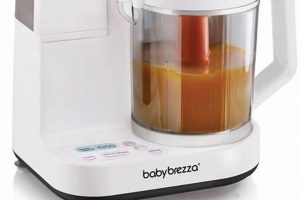
One prevalent alternative involves warming food or breast milk in a water bath. This method entails placing a container of food in a bowl or saucepan of warm water, allowing for a gradual and more even distribution of heat. This reduces the risk of hot spots and nutrient loss associated with microwave heating. Another approach utilizes specialized bottle warmers, designed to gently and uniformly heat liquids and solids to the desired temperature. These devices often incorporate automatic shut-off features to prevent overheating. Steam warming is a further alternative; it allows food to cook and heat at a gentle pace.
In conclusion, understanding the available alternatives is integral to responsibly addressing the question of whether infant food should be heated in a microwave. While microwave ovens offer speed and convenience, these benefits must be weighed against potential risks. The existence of alternative methods that prioritize safety and nutrient preservation empowers caregivers to make informed choices aligned with the best interests of the infant. Weighing the benefits and drawbacks of both microwave use and available alternatives offers the most comprehensive framework for safe and effective infant feeding practices.
Frequently Asked Questions About Microwaving Infant Food
The following addresses common inquiries regarding the suitability and safety of using microwave ovens to warm nourishment intended for infants. The information presented seeks to provide clarity and promote informed decision-making among caregivers.
Question 1: Is it safe to use a microwave oven for heating infant food?
The use of microwave ovens presents potential safety concerns due to uneven heating, which can lead to scalding. Careful monitoring and adherence to specific guidelines are crucial. Alternative heating methods may offer a safer option.
Question 2: What type of container should be used for microwaving infant food?
Microwave-safe containers made from glass or specifically designed plastics are recommended. Avoid using containers that may leach harmful chemicals into the food during heating.
Question 3: How long should infant food be microwaved?
Heating times should be minimized to prevent overheating and nutrient degradation. Short intervals of 15-20 seconds, with stirring in between, are preferable. Always test the temperature before feeding.
Question 4: Does microwaving affect the nutritional value of infant food?
Excessive heat can diminish certain nutrients, particularly vitamins. Minimize heating times and consider alternative warming methods to preserve nutritional content.
Question 5: How can scalding be prevented when microwaving infant food?
Stir the food thoroughly after heating to distribute heat evenly. Test the temperature by placing a small amount on the inner wrist before serving. Do not microwave food or beverages in a closed container.
Question 6: What are the alternative methods for warming infant food?
Alternative methods include warming in a water bath, using a bottle warmer, or placing the baby food jar or container in a warm bowl of water. These methods generally provide more even heating and reduce the risk of nutrient loss.
Careful consideration of these factors is essential when determining whether to use a microwave oven for warming infant food. Safety and nutritional integrity should be the paramount concerns.
The subsequent section will summarize the key findings and offer concluding guidance.
Microwaving Infant Food
The exploration of whether infant food can be safely and effectively warmed using microwave ovens reveals a complex interplay of factors. Concerns regarding uneven heating, the potential for scalding, nutrient degradation, and bacterial proliferation necessitate a cautious approach. While convenience is undeniable, the inherent limitations of microwave technology require strict adherence to specific guidelines and careful consideration of alternative heating methods. These include water baths and specialized bottle warmers, which offer more controlled and uniform temperature regulation. The material of the container used for heating further contributes to overall safety.
The ultimate decision on whether can you microwave baby food should be made with a commitment to prioritizing the infant’s well-being. Caregivers are encouraged to thoroughly evaluate the risks and benefits, implement stringent safety measures, and remain vigilant in monitoring food temperatures. Ongoing research and updated guidelines from pediatric health organizations should inform best practices, ensuring that infant feeding practices align with the highest standards of safety and nutritional adequacy.