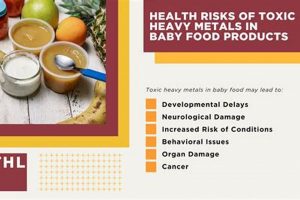
Processed and prepared meat products designed for infants represent a significant category within early childhood nutrition. These products, often formulated as a puree or finely ground consistency, are intended to provide essential nutrients during the transition from milk or formula to solid foods. A common example is a commercially available jar or pouch containing a single-ingredient protein source for babies.
The incorporation of meat into an infant’s diet can offer several advantages, contributing to healthy growth and development. Meats are a rich source of bioavailable iron, a nutrient crucial for cognitive development and preventing iron-deficiency anemia in young children. Additionally, they provide high-quality protein, essential amino acids, and zinc, all vital for supporting tissue building and immune function. Historically, the introduction of meat-based foods has been viewed as an important step in diversifying an infant’s nutritional intake and meeting their increasing nutrient demands.
The following sections will delve into the nutritional aspects, safety considerations, preparation methods, and potential allergic reactions associated with introducing this type of food into an infant’s diet. The discussion will also cover age-appropriate guidelines and recommendations from pediatric health organizations.
Guidance on Meat-Based Infant Nutrition
The following guidelines offer practical advice regarding the safe and effective introduction of meat-based products into an infant’s diet. These recommendations are designed to support optimal nutrition and minimize potential risks.
Tip 1: Prioritize Single-Ingredient Products: Begin with products containing only one ingredient, such as beef, to identify potential allergens or sensitivities. Monitor the infant closely for any adverse reactions after initial consumption.
Tip 2: Introduce at the Appropriate Developmental Stage: Consult with a pediatrician or registered dietitian to determine the appropriate age for introducing solids, generally around six months. Ensure the infant demonstrates signs of readiness, such as the ability to sit upright and control head movements.
Tip 3: Ensure Proper Consistency: The texture should be smooth and easily digestible for infants. Begin with a puree consistency and gradually increase the texture as the infant develops chewing abilities. Avoid products containing large chunks or hard pieces.
Tip 4: Practice Safe Food Handling: Adhere to stringent hygiene practices when preparing and storing infant food. Wash hands thoroughly before handling food, and ensure all utensils and surfaces are clean. Refrigerate unused portions promptly and discard after 24 hours.
Tip 5: Select Products Low in Additives: Opt for products with minimal added salt, sugar, and preservatives. Read labels carefully to ensure the ingredients align with recommendations for infant nutrition.
Tip 6: Offer in Small Portions: Introduce new foods in small quantities, such as one to two tablespoons, to allow the infant to adjust to the taste and texture. Gradually increase the portion size as tolerated.
Tip 7: Monitor for Allergic Reactions: Be vigilant for signs of allergic reactions, such as rash, hives, vomiting, diarrhea, or difficulty breathing. Discontinue use and consult a healthcare professional immediately if any of these symptoms occur.
Adhering to these guidelines promotes a safe and nutritious introduction of meat-based foods, contributing to the infant’s overall health and well-being. Careful attention to product selection, preparation, and monitoring is essential for minimizing risks and maximizing benefits.
The concluding section will provide a comprehensive summary of the information presented, emphasizing the importance of consulting with healthcare professionals for personalized dietary recommendations.
1. Nutritional Value

The nutritional composition of processed meat products intended for infants represents a primary consideration for parents and healthcare providers. These specialized food formulations aim to provide essential nutrients that support optimal growth and development during a critical period of dietary transition.
- Protein Content and Amino Acid Profile
Processed beef for infants supplies a concentrated source of high-quality protein. This protein is composed of essential amino acids, which are indispensable for tissue building, enzyme production, and hormonal regulation. The amino acid profile supports an infant’s rapid growth phase, where demand for these building blocks is elevated. An adequate supply of these essential amino acids contributes to overall health and vitality.
- Iron Bioavailability and Hematological Support
Beef, in particular, offers a readily absorbable form of iron known as heme iron. This type of iron is significantly more bioavailable than non-heme iron found in plant-based sources. Adequate iron intake is critical for preventing iron-deficiency anemia, a common concern in infancy that can negatively impact cognitive development and immune function. The iron in processed beef aids in the production of hemoglobin, essential for oxygen transport throughout the body.
- Zinc Contribution to Immune Function and Growth
Zinc, an essential trace element, is present in significant quantities in processed beef for babies. Zinc plays a pivotal role in supporting immune system function, facilitating wound healing, and promoting healthy growth and development. It is also necessary for DNA synthesis and cell division, crucial processes during infancy. Adequate zinc intake helps protect against infections and supports overall well-being.
- Vitamin B12 for Neurological Development
Vitamin B12, a nutrient primarily found in animal products, is vital for neurological development and nerve function. Processed beef products provide a reliable source of this essential vitamin, contributing to the formation of myelin sheaths, which insulate nerve fibers and facilitate efficient nerve impulse transmission. A sufficient intake of Vitamin B12 is crucial for cognitive function and preventing neurological deficits.
These nutritional facets underscore the significance of appropriately formulated beef products in meeting an infant’s dietary needs. The bioavailability of iron, quality of protein, and presence of essential micronutrients such as zinc and Vitamin B12 contribute to the overall nutritional value. However, careful attention to preparation, serving sizes, and potential allergens remains essential when incorporating processed beef into an infant’s diet. Consultation with pediatricians and dietitians is recommended to optimize nutritional strategies.
2. Iron Bioavailability
The iron content within specifically formulated infant food derived from bovine sources is recognized as a crucial nutritional component due to its high bioavailability. Heme iron, the form present in meat, exhibits superior absorption rates compared to non-heme iron found in plant-based food sources. This enhanced absorption is directly relevant to infant health, given the elevated iron requirements during the first year of life to support rapid growth and cognitive development. The consequence of insufficient iron intake can manifest as iron-deficiency anemia, a condition associated with impaired motor and cognitive function. For example, infants exclusively breastfed beyond six months without iron supplementation or iron-rich complementary foods are at increased risk of developing this deficiency. The inclusion of readily absorbable iron in these meat-based products, therefore, serves a critical preventative role.
The practical significance of understanding the link between iron bioavailability and bovine-based infant food is observed in dietary recommendations from pediatric health organizations. These guidelines often emphasize the introduction of iron-rich foods, including meat, around six months of age to meet the increasing iron demands of the growing infant. This recommendation is not solely based on the presence of iron but also on its efficient absorption. The processing methods employed in the production of these foods further influence iron bioavailability. Certain processing techniques, such as the addition of ascorbic acid (Vitamin C), can enhance iron absorption. Conversely, the presence of phytates, commonly found in plant-based ingredients, can inhibit iron absorption. Therefore, careful consideration of both the inherent iron content and the processing methods is vital to maximize the nutritional benefit.
In summary, the high bioavailability of heme iron within bovine-derived infant foods constitutes a significant nutritional advantage, addressing the elevated iron needs of infants and mitigating the risk of iron-deficiency anemia. Awareness of this connection informs dietary guidelines and influences food processing techniques aimed at optimizing iron absorption. While this understanding highlights the potential benefits, it also underscores the importance of balanced and varied dietary intake and the consultation with healthcare professionals to tailor nutritional strategies to individual infant needs. Challenges remain in promoting widespread awareness and accessibility of these iron-rich foods, particularly in populations with limited resources.
3. Age Appropriateness
The age-appropriate introduction of bovine-derived infant food is a critical determinant of digestive health, nutritional assimilation, and the development of oral motor skills. Adherence to established pediatric guidelines is essential to minimize potential adverse effects and maximize the nutritional benefits during the transition from liquid to solid alimentation.
- Gastrointestinal Development and Enzymatic Capacity
An infant’s digestive system undergoes significant maturation during the first year of life. The enzymatic capacity required to efficiently digest complex proteins and fats found in meat develops gradually. Introducing solids, including beef, prematurely can overwhelm the immature gastrointestinal tract, leading to symptoms such as abdominal discomfort, diarrhea, or constipation. Conversely, delaying the introduction beyond the period of optimal readiness may lead to nutrient deficiencies. The specific enzymatic activity of proteases and lipases is a key factor determining the appropriate timing.
- Oral Motor Skills and Swallowing Coordination
The development of oral motor skills, including the ability to coordinate sucking, swallowing, and breathing, is closely linked to the introduction of solid foods. Infants typically exhibit the necessary motor skills for managing pureed or strained foods around six months of age. Introducing finely processed meat too early may present a choking hazard due to the infant’s inability to effectively manipulate and swallow the food bolus. The development of chewing skills is a gradual process and progresses with the introduction of thicker textures over time.
- Renal Function and Protein Load
The infant kidney possesses a limited capacity to process high protein loads. Introducing excessive amounts of protein-rich foods, such as beef, can place undue stress on the developing renal system. Monitoring protein intake within recommended guidelines is crucial to avoid potential kidney damage or dehydration. The glomerular filtration rate and tubular reabsorption capacity of the infant kidney are important considerations when determining the appropriate quantity of meat to introduce.
- Allergenic Potential and Immune Tolerance
Early introduction of allergenic foods, including beef, was once discouraged due to concerns about increasing the risk of food allergies. However, current research suggests that introducing allergenic foods within a specific window during infancy may actually promote immune tolerance. The optimal timing for introducing beef, in consultation with a pediatrician, can help reduce the risk of developing allergic reactions later in life. Close monitoring for signs of allergic reactions, such as skin rashes, hives, or respiratory distress, is essential during the initial introduction phase.
These considerations collectively emphasize the importance of adhering to age-appropriate guidelines when introducing bovine-derived infant food. The maturation of the gastrointestinal tract, development of oral motor skills, renal function, and immune tolerance all play crucial roles in determining the optimal timing. Consultation with pediatric healthcare professionals is essential to tailor dietary recommendations to the individual infant’s developmental stage and nutritional needs, ensuring that the introduction of meat-based foods is both safe and beneficial.
4. Preparation Safety

The preparation of bovine-derived infant food, specifically when considering safety protocols, presents a critical control point in minimizing risks of foodborne illness and preserving nutritional integrity. Improper handling or inadequate cooking can introduce pathogenic bacteria, such as E. coli or Salmonella, which pose significant health threats to infants due to their underdeveloped immune systems. Thorough cooking to a minimum internal temperature of 160F (71C) is paramount in eliminating these potential pathogens. Furthermore, cross-contamination from raw meat to other surfaces or food items can also lead to illness. For example, using the same cutting board for raw beef and then for preparing vegetables without proper sanitation can transfer harmful bacteria. Therefore, adherence to strict hygiene standards throughout the preparation process is essential.
Beyond pathogen control, proper storage and handling practices are essential to maintain the quality and safety of the prepared product. Refrigeration at temperatures below 40F (4C) inhibits bacterial growth, extending the shelf life of the food and reducing the likelihood of spoilage. Once opened, commercially prepared products should be refrigerated promptly and used within the timeframe specified on the packaging. Homemade preparations require similar vigilance, with unused portions stored in airtight containers to prevent contamination and maintain freshness. Moreover, reheating practices should ensure that the food reaches a safe temperature to eliminate any bacteria that may have proliferated during storage. A practical application includes using a food thermometer to verify the internal temperature, thereby ensuring the food is thoroughly heated before serving to the infant.
In summary, preparation safety is an indispensable component of providing safe and nutritious bovine-derived infant food. Implementing rigorous hygiene standards, ensuring thorough cooking, and adhering to proper storage protocols are critical in mitigating the risks of foodborne illness. While the nutritional benefits of meat-based products for infants are well-documented, these benefits can only be realized through diligent attention to safety throughout the preparation and handling process. Challenges remain in educating caregivers about best practices and ensuring consistent adherence to these guidelines, particularly in resource-limited settings. Continuous reinforcement of these safety measures and access to resources such as food safety thermometers and educational materials are vital to safeguarding infant health.
5. Allergen Awareness

Bovine protein, while a valuable source of nutrition for infants, represents a potential allergen. The introduction of processed meat products derived from cattle into an infant’s diet necessitates heightened awareness of potential allergic reactions. Allergic responses to beef protein manifest across a spectrum of severity, ranging from mild cutaneous reactions, such as hives or eczema, to severe systemic reactions, including anaphylaxis. The precise mechanisms underlying these allergic reactions involve the activation of the immune system by specific beef protein epitopes, leading to the release of histamine and other inflammatory mediators. Infants with a family history of atopic diseases, including food allergies, asthma, or eczema, exhibit a heightened risk of developing bovine protein allergy.
Early recognition of allergic symptoms is paramount in preventing severe outcomes. Caregivers should be educated on the signs and symptoms of food allergies, including skin rashes, gastrointestinal distress (vomiting, diarrhea), respiratory symptoms (wheezing, difficulty breathing), and cardiovascular manifestations (hypotension). Upon the introduction of beef-based products, vigilant monitoring for these signs is crucial. If a reaction is suspected, immediate discontinuation of the food and consultation with a healthcare professional are warranted. Diagnostic testing, such as skin prick tests or specific IgE antibody assays, aids in confirming the presence of bovine protein allergy. Dietary management involves strict avoidance of beef and beef-containing products. In cases of accidental exposure, prompt administration of epinephrine may be necessary to counteract anaphylactic reactions.
The practical significance of allergen awareness extends to the food manufacturing process. Manufacturers of infant food products are obligated to adhere to stringent labeling regulations, clearly identifying the presence of potential allergens, including beef. This information empowers caregivers to make informed decisions regarding their infant’s diet and avoid products that pose a risk. While allergen labeling enhances transparency, cross-contamination during manufacturing remains a potential concern. Facilities processing multiple food items must implement rigorous cleaning and sanitation protocols to minimize the risk of unintentional allergen exposure. Comprehensive allergen management strategies, encompassing risk assessment, ingredient sourcing, and process control, are essential to ensure the safety of processed infant food products. This heightened awareness, coupled with proactive preventative measures, contributes significantly to safeguarding infant health and well-being.
6. Texture Consistency

Texture consistency plays a crucial role in the safe and effective introduction of meat-based solids to infants. Appropriate texture mitigates choking hazards, promotes acceptance of new foods, and supports the development of oral motor skills. Bovine-derived infant food, in particular, requires careful attention to textural characteristics to align with the infant’s developmental stage.
- Stage-Appropriate Textures and Aspiration Risk
Infants progress through distinct developmental stages, each characterized by specific oral motor abilities. Initially, a completely smooth puree is essential to minimize the risk of aspiration. As the infant matures, the texture can gradually advance to include slightly thicker consistencies with soft, small lumps. Introducing textures that exceed the infant’s developmental capacity can lead to gagging, choking, and potential respiratory compromise. Commercially prepared beef baby food often categorizes products by age range to guide appropriate selection based on texture.
- Homogenization and Particle Size
Homogenization processes reduce particle size, creating a uniform and smooth texture. This is particularly important for meat products, as larger or unevenly distributed particles can pose a choking hazard. The manufacturing of beef baby food should adhere to strict quality control standards to ensure consistent particle size and prevent the presence of hard or fibrous components. Improper homogenization can result in a product that is unsafe and unpalatable for infants.
- Viscosity and Swallowing Ease
The viscosity, or thickness, of beef baby food influences swallowing ease. Products with excessive viscosity may be difficult for infants to manage, leading to fatigue and potential rejection of the food. Conversely, overly thin consistencies may increase the risk of aspiration due to a lack of oral control. The ideal viscosity allows for easy manipulation within the oral cavity and smooth transit down the esophagus. Manufacturers often add thickening agents, such as modified food starch, to achieve the desired viscosity.
- Sensory Acceptance and Palatability
Texture significantly impacts sensory acceptance and palatability. Infants often exhibit preferences for specific textures, and a poorly textured product may be refused. Processed beef may naturally develop a grainy texture, which can be unappealing to infants. The addition of other ingredients, such as vegetables or fruits, can modify the texture and improve overall palatability. Careful formulation and processing techniques are essential to create a product with a smooth, consistent, and sensorially acceptable texture.
The multifaceted relationship between texture consistency and beef baby food underscores the importance of adhering to stringent manufacturing standards and age-appropriate feeding guidelines. A meticulously controlled texture not only ensures safety but also promotes acceptance and supports the development of essential oral motor skills. Ongoing research and development in food technology continue to refine processing methods, enhancing both the safety and palatability of meat-based infant foods.
Frequently Asked Questions
The subsequent questions address prevalent concerns regarding the incorporation of processed bovine products into infant diets. This section aims to offer clarity based on current scientific understanding and pediatric guidelines.
Question 1: At what age is the introduction of bovine-derived products deemed appropriate?
Generally, pediatric recommendations suggest introducing complementary foods, including meat-based options, around six months of age. This aligns with the infant’s developing digestive capabilities and increased nutritional demands. Consultation with a pediatrician is essential to determine individualized readiness.
Question 2: What are the primary nutritional benefits offered by bovine-based infant food?
These products serve as a significant source of highly bioavailable iron, crucial for cognitive development and preventing iron-deficiency anemia. They also provide high-quality protein, essential amino acids, and zinc, all vital for supporting tissue building and immune function.
Question 3: How should processed beef be prepared to ensure optimal safety for infants?
Thorough cooking to an internal temperature of 160F (71C) is essential to eliminate potential pathogens. Strict adherence to hygiene practices, including proper handwashing and surface sanitation, is also critical to prevent cross-contamination.
Question 4: What are the common indicators of an allergic reaction to beef in infants?
Symptoms may include skin rashes (hives, eczema), gastrointestinal distress (vomiting, diarrhea), respiratory symptoms (wheezing, difficulty breathing), and, in severe cases, anaphylaxis. Immediate medical attention is necessary if any of these signs are observed.
Question 5: What texture consistency is recommended for initial introduction?
A smooth, homogenous puree is recommended initially to minimize choking hazards and facilitate swallowing. As the infant’s oral motor skills develop, the texture can gradually progress to include soft, small lumps.
Question 6: Are there specific guidelines regarding the quantity of beef provided to infants?
Introduce new foods in small quantities, such as one to two tablespoons, gradually increasing the portion size as tolerated. Monitoring the infant’s response and consulting with a pediatrician or registered dietitian is advised to ensure appropriate intake.
The presented information highlights crucial aspects of integrating bovine products into infant diets. Prioritization of safety, age-appropriate introduction, and awareness of potential allergic reactions are essential considerations.
The following section will provide a concluding summary of the key points discussed within this discourse.
Conclusion
This exploration of beef baby food has illuminated several critical facets relevant to infant nutrition and safety. The provision of readily bioavailable iron, high-quality protein, and essential micronutrients establishes its potential as a valuable component of a balanced infant diet. However, careful consideration of age-appropriate introduction, preparation safety, allergen awareness, and texture consistency is paramount to mitigate potential risks. Adherence to established pediatric guidelines and consultation with healthcare professionals remain essential for individualized dietary recommendations.
The integration of beef baby food into an infant’s diet necessitates informed decision-making based on scientific evidence and expert guidance. Prioritizing safety and nutritional adequacy ensures that the benefits outweigh potential risks, fostering optimal health and development during this critical period. Continued research and education are vital to refining best practices and promoting widespread understanding of appropriate infant feeding strategies.