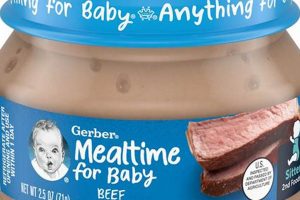
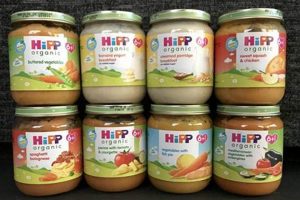
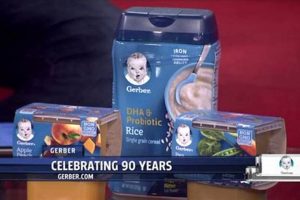
Regulations permit carrying nourishment intended for infants or toddlers onboard aircraft. This allowance generally applies to items such as formula, breast milk, juice, and pureed food, provided the child is traveling with the passenger. Quantities exceeding standard liquid restrictions may be accommodated under this provision.
This policy offers significant convenience and peace of mind for families. It alleviates concerns regarding access to appropriate sustenance during travel, especially on longer flights or when destination options are uncertain. Historically, restrictions on liquids posed challenges, necessitating adjustments to travel plans for those with young children; the existing allowance addresses these past concerns.
Understanding the specific guidelines and procedures is essential to ensure a smooth security screening process. These include proper declaration of items, potential screening measures, and any variations depending on the departure airport or airline policies.
Optimizing the airport security experience requires awareness of guidelines regarding consumable items intended for young children. Proactive preparation can facilitate a smoother passage through security checkpoints.
Tip 1: Clearly declare all nourishment intended for infants during security screening. This upfront communication expedites the inspection process.
Tip 2: Transport baby food in its original, unopened packaging whenever feasible. This minimizes potential scrutiny and confirms the product’s integrity.
Tip 3: Be prepared to present the infant or toddler traveling with the provisions. The child’s presence justifies the need for the carried items.
Tip 4: Understand that security personnel may subject liquids and gels to additional screening. This may involve opening containers for testing purposes.
Tip 5: Consult the Transportation Security Administration (TSA) website for the most current regulations. Policies can evolve, so staying informed is crucial.
Tip 6: Allow ample time for security procedures, particularly when traveling with young children. Unexpected delays can arise, requiring additional patience.
Tip 7: Consider packing a small cooler bag with ice packs to maintain the freshness of perishable items. Adhere to ice pack size limitations to avoid complications.
Prior planning and adherence to regulations contribute significantly to a more efficient security experience, allowing for a more relaxed journey. Maintaining awareness of the latest guidelines ensures readiness and minimizes potential delays.
These strategies provide a foundation for navigating security checkpoints with confidence when traveling with infants or toddlers. Further resources and contact information for relevant authorities are available for additional clarification.
1. TSA Guidelines

Transportation Security Administration (TSA) guidelines directly dictate the parameters for air travelers transporting sustenance for infants. Compliance with these guidelines is not merely recommended; it is mandatory for successfully bringing such items onboard a flight. The TSA’s policies, frequently updated, address the types of nourishment permitted, quantity limits, and acceptable packaging. These regulations are a direct response to security concerns, designed to mitigate potential risks while accommodating the needs of families with young children. For example, failing to declare baby food at security can result in delays or confiscation of the items, regardless of the infant’s dietary requirements.
The impact of TSA regulations extends to the screening process. While generally allowing reasonable quantities of formula, breast milk, and pureed food, TSA agents are authorized to conduct additional screening, which may include opening containers for testing. The absence of readily accessible information or misunderstanding of the prevailing guidelines often leads to confusion and frustration at security checkpoints. This highlights the practical significance of proactively consulting the TSA’s official website or contacting their customer service for clarification before travel. Consider a scenario where a passenger brings homemade baby food in unmarked containers; security personnel are likely to subject these items to greater scrutiny than commercially packaged alternatives.
In summary, the ability to bring nourishment for infants onboard aircraft is intrinsically linked to adherence to TSA guidelines. While the TSA aims to accommodate the needs of families, security remains paramount. Challenges arise from evolving regulations, varying interpretations by individual TSA agents, and inadequate passenger preparedness. Addressing these challenges requires continuous information dissemination, accessible guidance, and proactive planning by travelers, ensuring both compliance and a smoother travel experience. The interaction between passenger actions and TSA regulations ultimately determines the feasibility of transporting baby provisions successfully.
2. Quantity Allowed

The permissibility of transporting nourishment for infants is directly contingent upon adherence to stipulated quantity limitations. The determination of whether sustenance “can be brought” aboard hinges significantly on volume restrictions. These limits are dictated by security protocols and aim to balance passenger convenience with safety considerations. Exceeding these established quantities may result in denial of transport for the excess, regardless of the infant’s requirements. For instance, a passenger attempting to board with 50 ounces of formula when the allowable limit is 34 ounces will likely face restrictions. Therefore, knowledge of the specific “Quantity Allowed” constitutes a critical element in the overall assessment of whether one “can bring baby food on a plane”.
Compliance with these stipulations necessitates meticulous planning and potential adjustments to travel provisions. Parents and guardians must carefully assess the infant’s anticipated needs for the duration of the journey and pack accordingly, remaining within established volume thresholds. This may involve carrying multiple smaller containers rather than a single large one or utilizing commercially available travel-sized portions. Real-world examples consistently demonstrate that a proactive approach to “Quantity Allowed” significantly reduces the likelihood of encountering problems at security checkpoints. Furthermore, understanding these volume limitations allows for alternative arrangements, such as purchasing supplies at the destination or shipping them in advance, if the anticipated needs exceed carry-on allowances.
In summary, the relationship between “Quantity Allowed” and the feasibility of transporting infant food onboard is direct and undeniable. Adherence to specific volume limitations is not merely a suggestion; it is a prerequisite. Overcoming challenges associated with this requirement necessitates informed planning, careful packing, and a willingness to adapt to prevailing regulations. Comprehending and respecting “Quantity Allowed” ensures both compliance and a smoother travel experience when air travel with infant nourishment is required.
3. Declaration Required

The ability to transport infant sustenance aboard an aircraft is intrinsically linked to the procedural requirement of declaration. The affirmative response to the inquiry of whether one “can bring baby food on a plane” often hinges on fulfilling this declarative obligation. Passengers transporting formula, breast milk, juice, or pureed food for infants must inform security personnel of these items at the checkpoint. This declaration initiates a process involving inspection and potential further screening. Non-compliance may result in delays, more intensive inspections, or denial of passage for the items, regardless of the infant’s immediate needs. Therefore, “Declaration Required” forms a critical antecedent to the successful transport of these essential provisions.
The practical significance of “Declaration Required” stems from security protocols aimed at mitigating potential risks. When passengers openly declare these items, security officers can efficiently apply appropriate screening measures. Examples of situations where failure to declare has led to complications are numerous. Passengers who conceal or inadvertently fail to mention baby food often face more extensive questioning and physical searches of their baggage. In contrast, proactively declaring these items streamlines the process and demonstrates cooperation, often resulting in a more expedient security experience. This declarative step allows security personnel to apply informed discretion, differentiating between necessary infant sustenance and potentially prohibited items.
In summary, the relationship between “Declaration Required” and the feasibility of air travel with infant provisions is direct and consequential. The act of declaring these items serves as a fundamental step in complying with security regulations. Challenges related to this requirement frequently arise from misunderstanding the rules or neglecting to proactively inform security officers. Ultimately, understanding and adhering to the “Declaration Required” mandate is a crucial determinant in whether a passenger “can bring baby food on a plane” without significant impediment.
4. Screening Process

The viability of transporting nourishment for infants aboard an aircraft is directly influenced by the security “Screening Process.” The initial inquiry of whether one “can bring baby food on a plane” invariably leads to considerations of the scrutiny applied at security checkpoints. This process is multifaceted, potentially involving visual inspection, X-ray scanning, and even the opening of containers for further analysis. The outcome of this evaluation determines whether the provisions are deemed safe and permitted onboard. Therefore, the “Screening Process” forms an integral component determining whether one “can bring baby food on a plane.” For example, liquids exceeding specified volumes may be subject to enhanced screening or rejection, irrespective of their intended use.
The practical significance of understanding the “Screening Process” lies in proactive preparation. Knowledge of allowable quantities, acceptable packaging, and the potential for additional inspection enables passengers to streamline the experience. Specifically, transporting baby food in its original, unopened containers often mitigates scrutiny. Furthermore, travelers should anticipate that security personnel may request to test liquids or gels. Failure to comply with these procedures or attempts to circumvent the “Screening Process” can result in delays, confiscation of items, or further investigation. Real-world incidents highlight situations where lack of transparency or inadequate packaging led to extended examinations and inconvenience.
In summation, the “Screening Process” acts as a gatekeeper, directly impacting the answer to whether one “can bring baby food on a plane.” Navigating this process requires adherence to established protocols, proactive planning, and clear communication with security personnel. Challenges arise from evolving regulations, varying interpretations by security officers, and the inherent uncertainties of the security environment. Addressing these challenges necessitates staying informed, complying with directives, and anticipating potential delays to ensure the journey proceeds smoothly and successfully.
5. Packaging Matters

The manner in which nourishment for infants is contained and presented significantly influences the feasibility of its transport aboard aircraft. This aspect, referred to as “Packaging Matters,” is central to navigating security protocols and ensuring compliance with regulations related to bringing infant sustenance onto a plane.
- Original Containers
Transporting baby food in its original, commercially sealed containers often expedites the security screening process. Intact seals and clear labeling provide assurance to security personnel regarding the product’s integrity and contents. Examples of commercially packaged baby food include sealed pouches, jars, and bottles, which are readily identifiable and less likely to be subjected to intense scrutiny.
- Clear Labeling
Accurate and legible labels are essential for facilitating the identification of contents. Information such as the manufacturer’s name, product description, and nutritional information helps security personnel quickly assess the item’s suitability. Lack of labeling or ambiguous markings can result in delays and more intensive inspections, especially for homemade baby food.
- Volume Compliance
Packaging influences compliance with volume restrictions imposed on liquids and gels. Containers should clearly indicate their volume to allow easy assessment of adherence to permissible limits. Exceeding volume limits, even with legitimately labeled baby food, can result in confiscation of the excess amount. Travel-sized containers are often preferred to minimize potential issues.
- Leak-Proof Design
Secure and leak-proof packaging is critical to prevent spills and contamination during transit. Damaged or poorly sealed containers can raise concerns about the product’s safety and may prompt further investigation. Using containers specifically designed to prevent leakage can mitigate such risks and ensure smoother passage through security.
These facets collectively underscore the importance of packaging in determining the ease with which infant nourishment can be transported by air. Consideration of these factors can minimize potential delays and ensure a smoother travel experience. Adherence to these packaging principles streamlines security protocols and reduces the likelihood of complications, thereby enhancing the prospects of successfully carrying baby food onto the aircraft.
6. International Flights
The permissibility of transporting sustenance for infants on international flights is subject to a complex interplay of regulations that extend beyond domestic considerations. While the fundamental allowance to bring baby food on a plane generally persists, variations in customs policies, import restrictions, and differing interpretations of security protocols among nations introduce considerable complexities. The initial inquiry regarding whether one “can bring baby food on a plane” necessitates diligent investigation into the specific rules governing both the departure and arrival countries. For instance, certain nations may impose stricter limitations on liquids or processed foods, even those intended for infants, requiring additional documentation or pre-approval. Therefore, the nature of the flight being “International Flights” has a significant bearing on the response and the actions required to comply with regulations.
Adherence to these internationally divergent regulations necessitates meticulous planning and proactive research. Prior to departure, travelers must consult the official websites of customs authorities and airline carriers associated with both the originating and destination countries. Examples of disparities include restrictions on homemade foods or specific ingredients in certain regions. Moreover, travelers may encounter requirements for declaring the contents of baby food products at customs, especially if the quantities are deemed commercially excessive. Failure to comply with these requirements may result in confiscation of items, fines, or even delays in entry. Understanding these nuances associated with “International Flights” enables travelers to mitigate potential problems and ensure a smoother transition through customs checkpoints.
In conclusion, the intersection of “International Flights” and the ability to bring sustenance for infants requires heightened awareness and thorough preparation. While the basic premise remains consistent, the practical application differs substantially due to varying national regulations and customs policies. Challenges related to this aspect stem from the lack of harmonized international standards and the need for travelers to navigate disparate sets of rules. By proactively researching and adhering to the specific requirements of both departure and destination countries, travelers can effectively address these challenges and ensure the safe and legal transport of necessary provisions for infants.
Frequently Asked Questions
The following addresses common inquiries regarding regulations surrounding infant nourishment during air travel. The goal is to clarify permissible actions and restrictions, facilitating informed decisions and compliance with security protocols.
Question 1: Are there restrictions on the quantity of baby food allowed onboard?
While security regulations generally permit reasonable quantities of formula, breast milk, juice, and pureed food for infants, excessive amounts may be subject to further scrutiny. Quantities deemed beyond immediate needs may be restricted at the discretion of security personnel.
Question 2: Must baby food be declared during security screening?
Affirmative. It is imperative to declare all nourishment intended for infants at the security checkpoint. This proactive measure expedites the screening process and minimizes potential complications.
Question 3: Is it permissible to transport homemade baby food?
Homemade baby food is generally permitted, but additional scrutiny may be applied due to the absence of standardized labeling and packaging. Carrying documentation outlining ingredients can be beneficial.
Question 4: Can security personnel open and inspect baby food containers?
Yes, security personnel retain the authority to open containers for inspection and testing. This procedure is standard protocol to ensure compliance with safety regulations.
Question 5: Do regulations for international flights differ from domestic flights?
Regulations pertaining to international flights may diverge significantly from domestic policies. It is essential to consult the customs regulations of both the departure and arrival countries to ascertain specific restrictions.
Question 6: What steps can be taken to expedite the security process when traveling with baby food?
To facilitate a smoother experience, transport baby food in its original packaging, clearly label homemade items, and be prepared to present the infant traveling with the provisions. Adherence to these guidelines promotes efficient screening.
Understanding these answers provides a foundation for navigating air travel with infants. Remaining informed and compliant with regulations is crucial for a successful journey.
Next steps involve exploring resources for detailed regulatory information and contingency planning for unexpected situations.
Conclusion
The exploration of whether individuals “can bring baby food on a plane” reveals a landscape governed by specific regulations, security protocols, and international variations. Key determinants include adherence to TSA guidelines, awareness of quantity limitations, the declaration of items at security checkpoints, the screening process, packaging considerations, and the implications of international flight regulations. Comprehension of these aspects is paramount for compliant and efficient passage through airport security.
Understanding and navigating these parameters is essential for families undertaking air travel with infants. Proactive planning and adherence to outlined procedures minimizes potential disruptions. Continued awareness of evolving regulations and diligent preparation remain critical to ensure that access to essential nourishment for infants is maintained throughout the journey. Consulting official sources for up-to-date information is strongly advised.